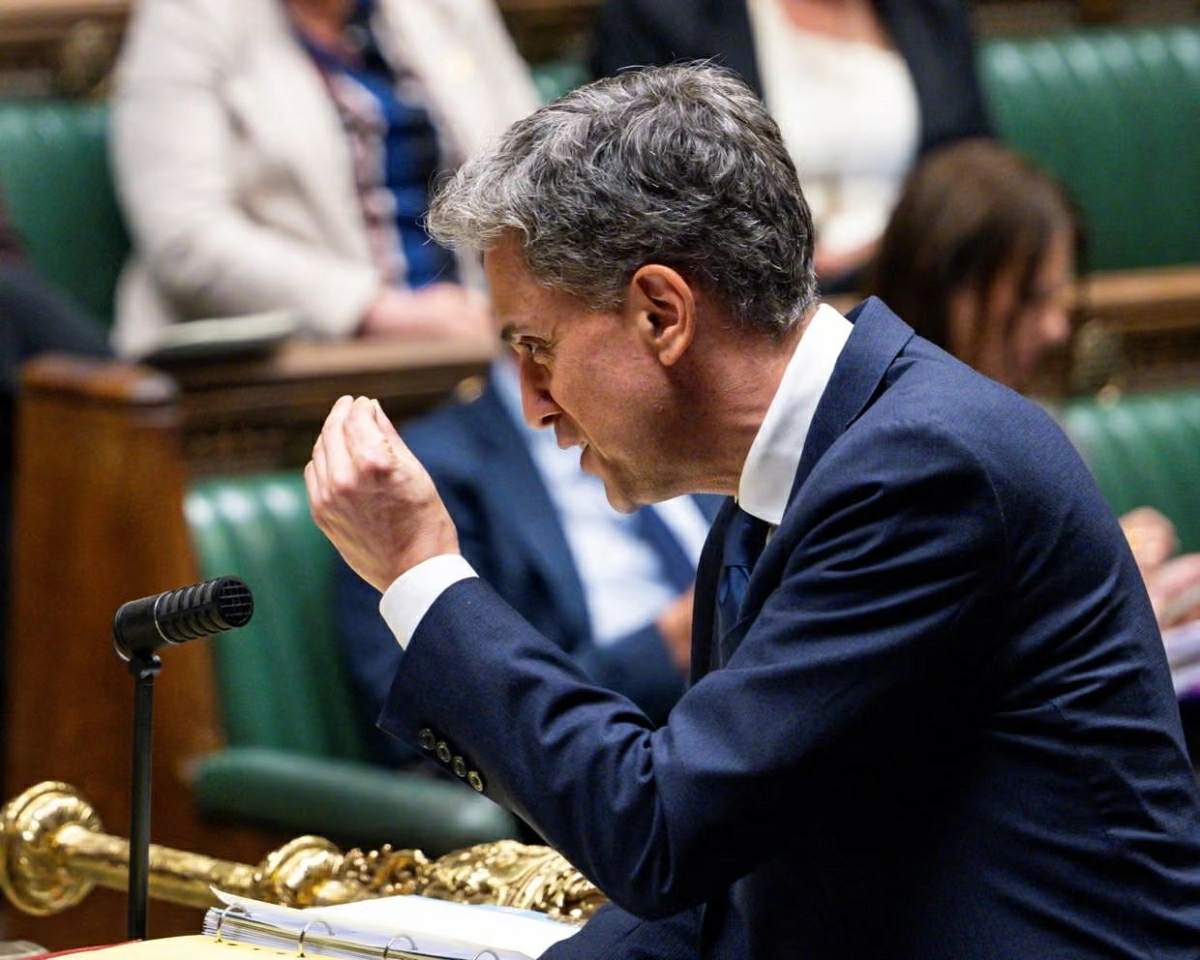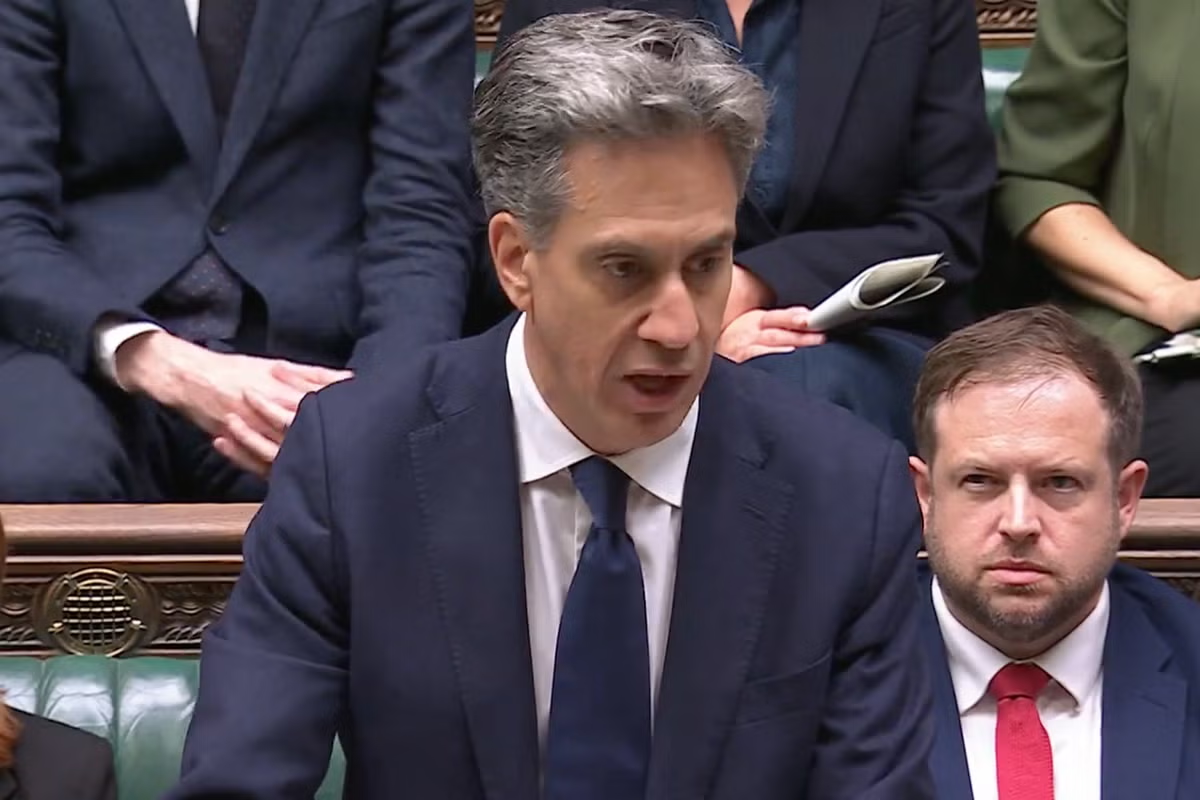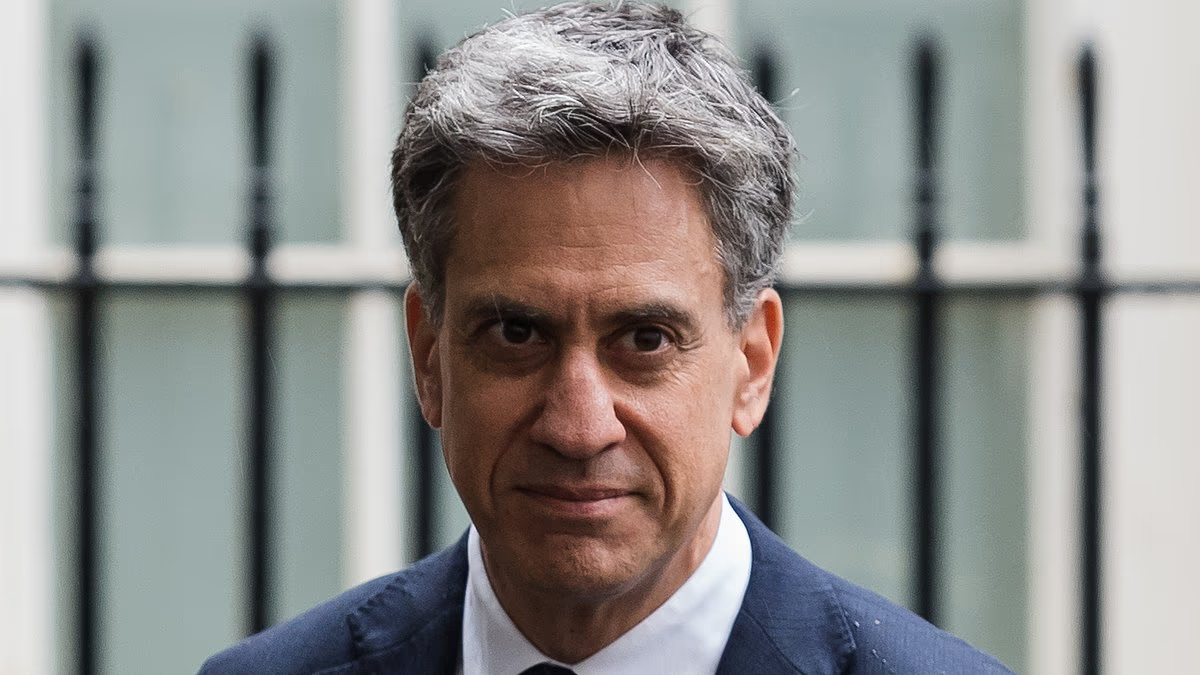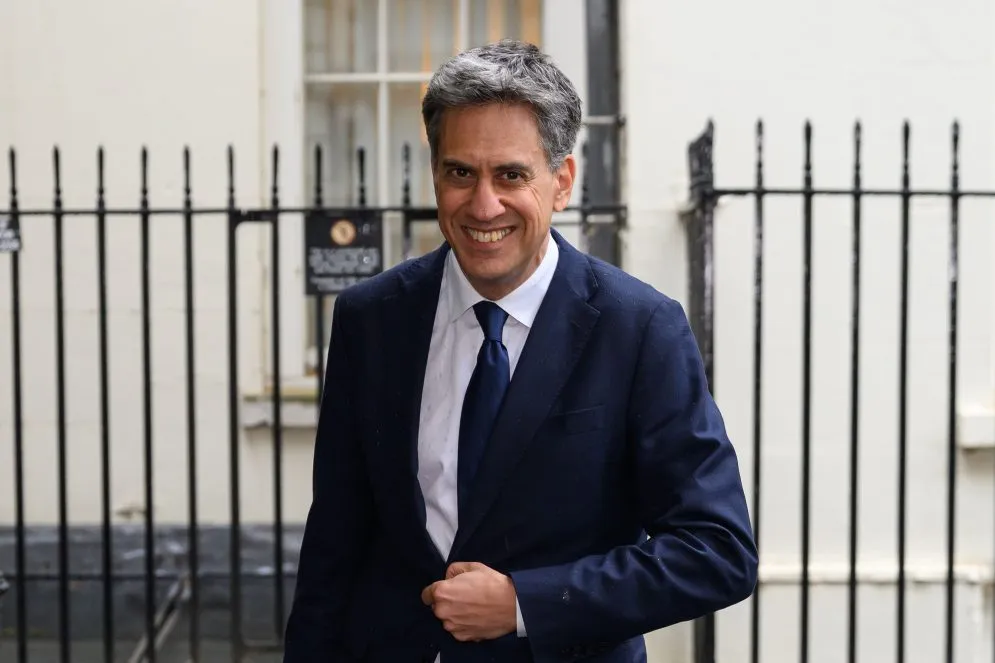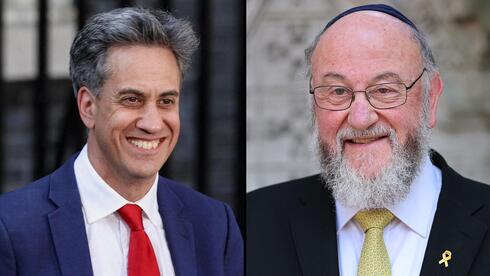
Jewish Leadership Council warns the measures could become a de facto boycott of Israel, while the Board of Deputies says announcing them before Rosh Hashanah comes as communal security fears are already running at especially high levelsynet|Miliband, who described himself as a “proud British Jew,” said he disagreed with Chief Rabbi Sir Ephraim Mirvis, who sharply condemned the measures and warned that they could fuel hostility toward Jews.Britain’s Chief Rabbi Ephraim Mirvis and Foreign Secretary Ed Miliband (Photo: Belinda Jiao/Getty Images, Temilade Adelaja/Reuters)“I don't agree with the chief rabbi, somebody... of whom I have great respect,” Miliband told BBC Radio 4’s Today program. “Anyone who holds British Jews - or indeed Jews around the world - responsible for the actions of the Israeli government, is engaging in antisemitism, pure and simple,” he added, according to the BBC.Mirvis, quoted by the BBC, described the government’s decision as a “truly dark day” that would “succeed only in bolstering the very extremism they seek to target.”Miliband announced economic sanctions on Israeli settlements a day earlier, after saying in recent weeks that London intended to “reset” its policy toward Israel. Britain also joined Canada, Denmark, Finland, France, Iceland, Ireland, Norway, Poland, Portugal, Spain and Sweden in a joint statement backing a two-state solution and arguing that Israeli actions in the West Bank were undermining its prospects.Mirvis said the British move risked feeding an increasingly hostile discourse around Israel and strengthening those who direct hatred toward Jews.“Gesture politics of this kind feeds into an increasingly hostile discourse about Israel, and the cumulative effect of such punitive policies is to further embolden those, at home and abroad, who use hatred as a weapon against Jews,” he said, according to the BBC.Miliband rejected the argument that the government should pull back from its policy because of fears over antisemitism.“We all need to do more to tackle antisemitism,” he told the BBC, “but I believe we can do that and stand up for British values.”The dispute has also drawn criticism from leading British Jewish organizations. The Jewish Leadership Council warned that the government’s decision “risks becoming a de facto boycott of Israel” and accused Miliband of “yielding to pressure from the most extreme elements of British society,” according to the BBC.The Board of Deputies of British Jews also criticized the timing of the announcement, coming just before Rosh Hashanah, saying concerns over community security were at particularly high levels and were being felt acutely by British Jews.The organization warned that deteriorating relations between Britain and Israel could further inflame tensions within the Jewish community. At the same time, it noted that it had previously warned the Israeli government over what it called “intolerable settler violence,” saying such incidents damage Israel’s reputation.Miliband also said in the BBC interview that he did not intend to attend synagogue on Rosh Hashanah.
Miliband rejects chief rabbi’s warning UK settlement sanctions put British Jews at risk
Jewish Leadership Council warns the measures could become a de facto boycott of Israel, while the Board of Deputies says announcing them before Rosh Hashanah comes as communal security fears are already running at especially high levels
470 words~2 min read