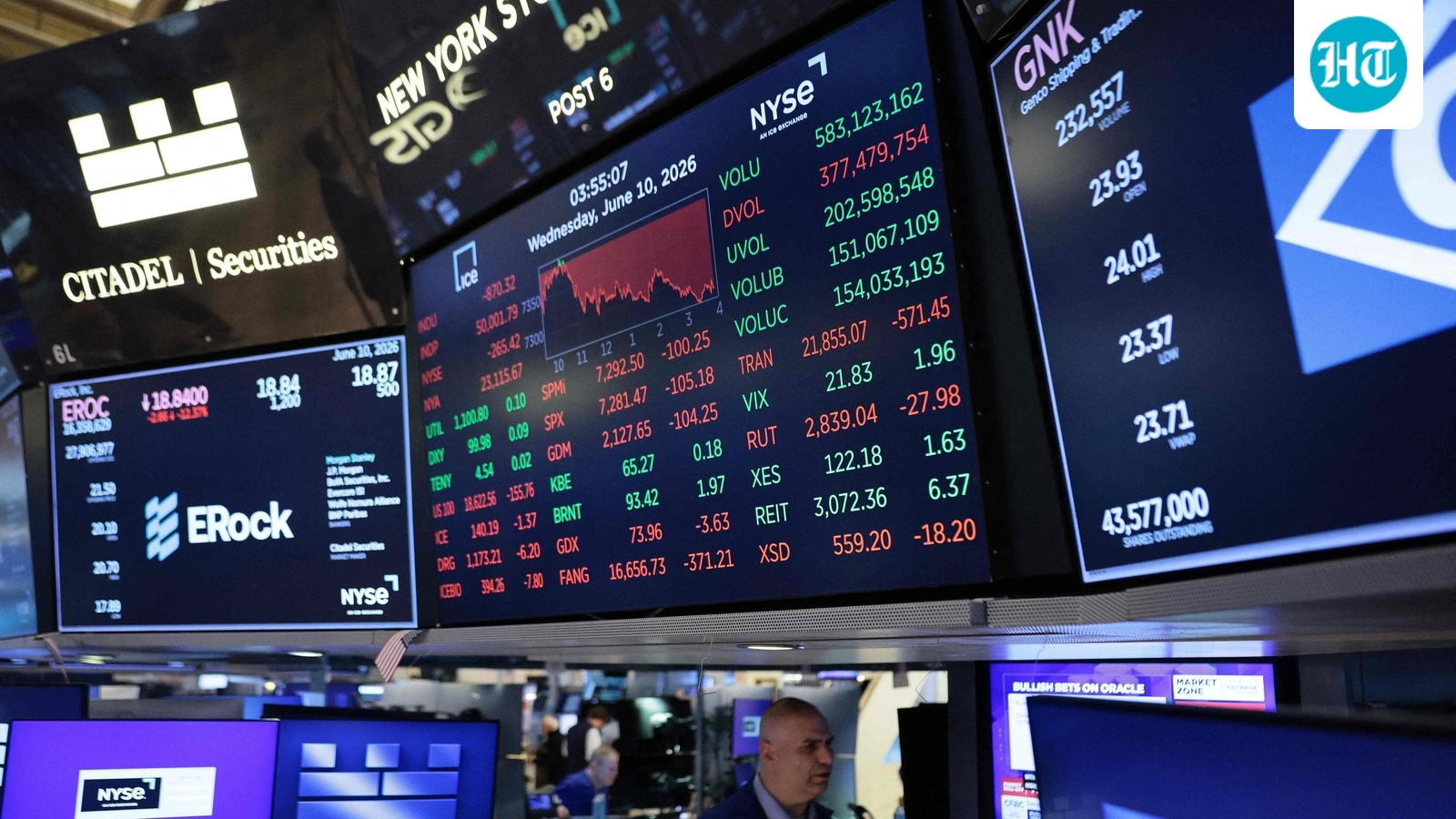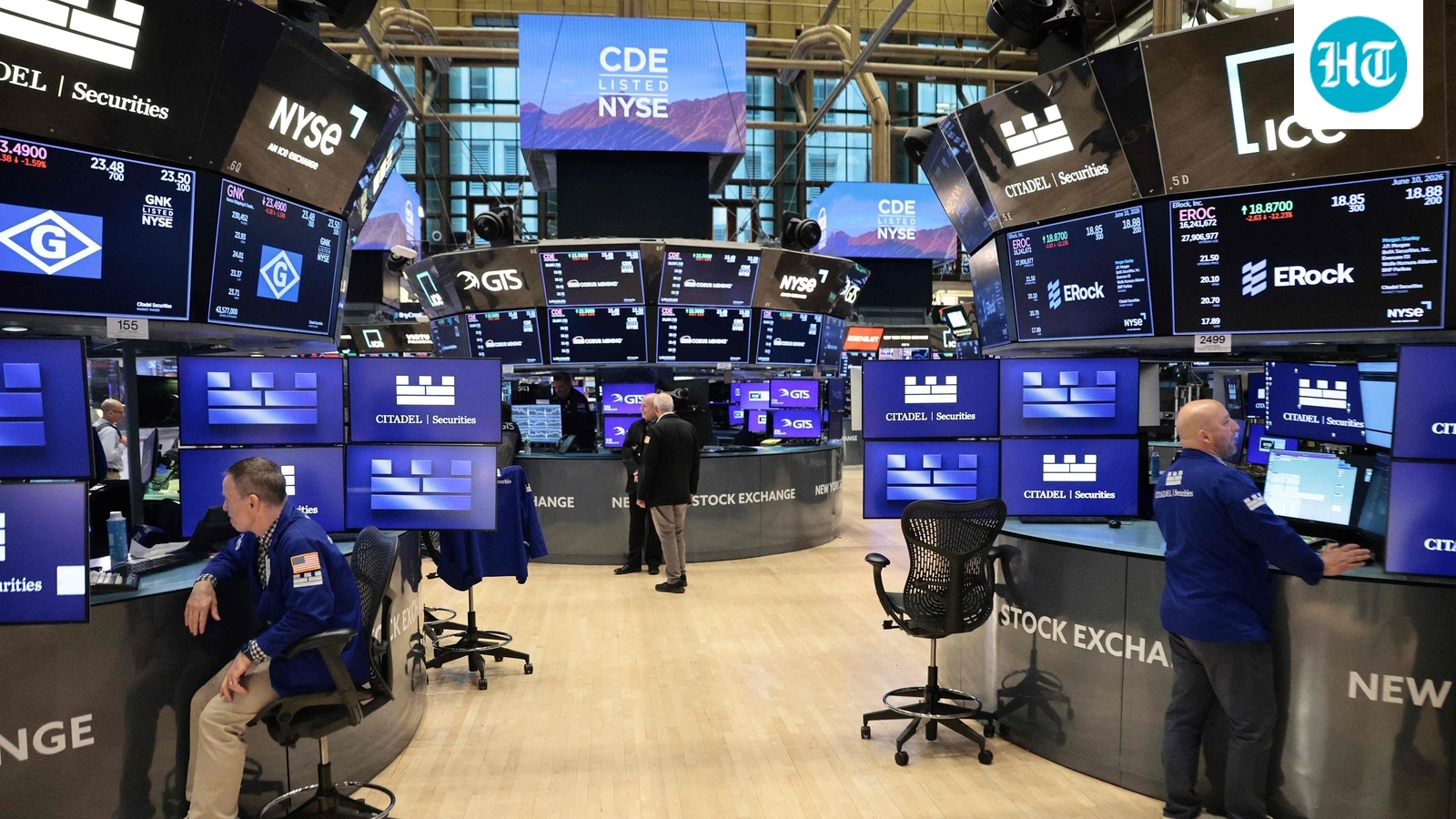
US stocks ended lower on Thursday as a sharp rise in oil prices and climbing Treasury yields heightened concerns about inflation and the possibility of a Federal Reserve rate hike next week. August producer price data added to the pressure, while higher bond yields made equities less attractive, Reuters reported.S&P 500 lost 44.16 points, or 0.58%, to end at 7,592.20 points, while the Nasdaq Composite lost 167.15 points, or 0.64%, to 26,086.19. The Dow Jones Industrial Average fell 313.64 points, or 0.60%, to 52,067.02.Oil surge puts inflation back in focusBrent crude jumped 6% to $107 a barrel as supply routes through the Strait of Hormuz and the Red Sea were disrupted by the US-Israeli war on Iran. The surge in energy prices added to concerns that inflation could remain elevated and strengthened expectations for tighter monetary policy.Data showed the US producer price index rose in line with expectations in August on a monthly basis, driven partly by a rebound in energy product costs. Investors will now turn to Friday's consumer price data for further clues on the Fed's next move.Traders see a 70% chance of at least a 25-basis-point rate hike next week, up from about 64% before Thursday's data, according to the CME FedWatch tool.Rising yields weigh on stocksTreasury yields climbed sharply, with the 10-year yield reaching its highest level in nearly three years. The 30-year yield hit its highest in more than 19 years, while the 2-year yield reached its highest in more than two years."Yields are going up at the short end of the curve because the Fed is probably going to hike in the next couple months. Yields are going up at the long end of the curve because of debt and deficit issues, and sticky inflation," Ross Mayfield, an investment strategy analyst at Baird, said."Higher yields are a negative for the equity market. They lower valuations and they make it more expensive to operate a business, and more expensive for consumers to exist in the world."Heavyweight chipmakers Nvidia and Micron Technology weighed on the S&P 500, while Apple rallied a day after launching its $1,999 iPhone.The S&P 500 is now nearly 3% below its record closing high from August 13, though it remains up 11% in 2026. Its recent decline, alongside a strong earnings outlook, has pushed the benchmark to about 19 times expected earnings, its cheapest valuation since April 2025, Reuters reported.Macy's fell despite raising its annual forecasts, while American Eagle Outfitters dropped to its lowest level since October after reiterating its annual comparable-sales forecast amid uncertain discretionary spending. (Disclaimer: This article is based on inputs from agencies. These do not represent the views of The Economic Times)
US stocks today: US stocks end lower as rising oil, Treasury yields lift Fed hike bets
US stocks fell as Brent crude surged 6% to $107 a barrel and Treasury yields climbed to multi-year highs. Rising energy prices and producer inflation data strengthened expectations of a Federal Reserve rate hike next week. Nvidia and Micron declined, while Apple gained after launching its latest iPhone.
TL;DRAI
S&P 500 falls 0.58% with Brent crude up 6% to $107; Fed rate-hike odds jump to 70% next week as Treasury yields climb. Rising Treasury yields compress tech valuations and capex returns; stagflation signals shift IT budgets toward efficiency and lower-risk infrastructure.
444 words~2 min read