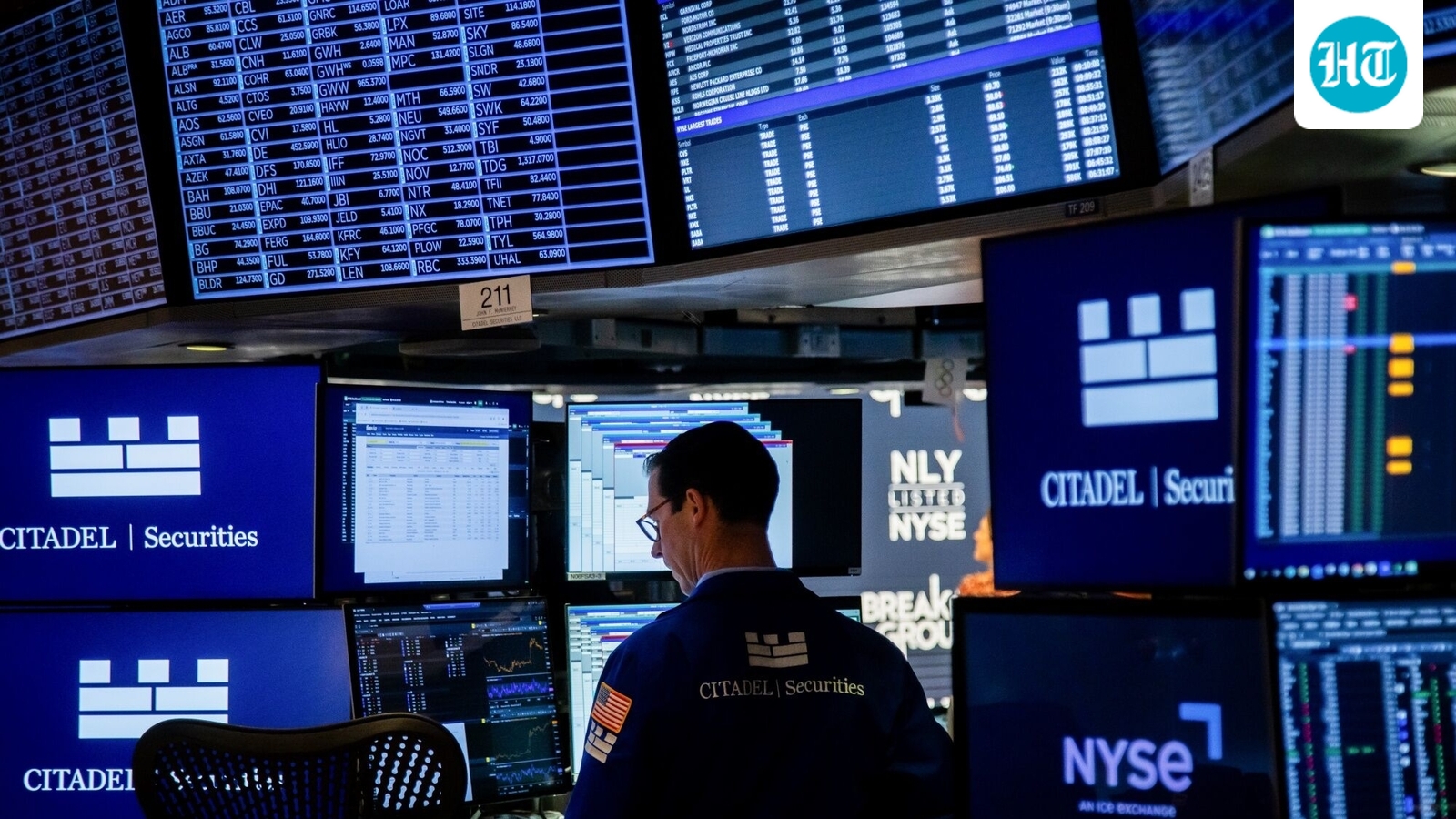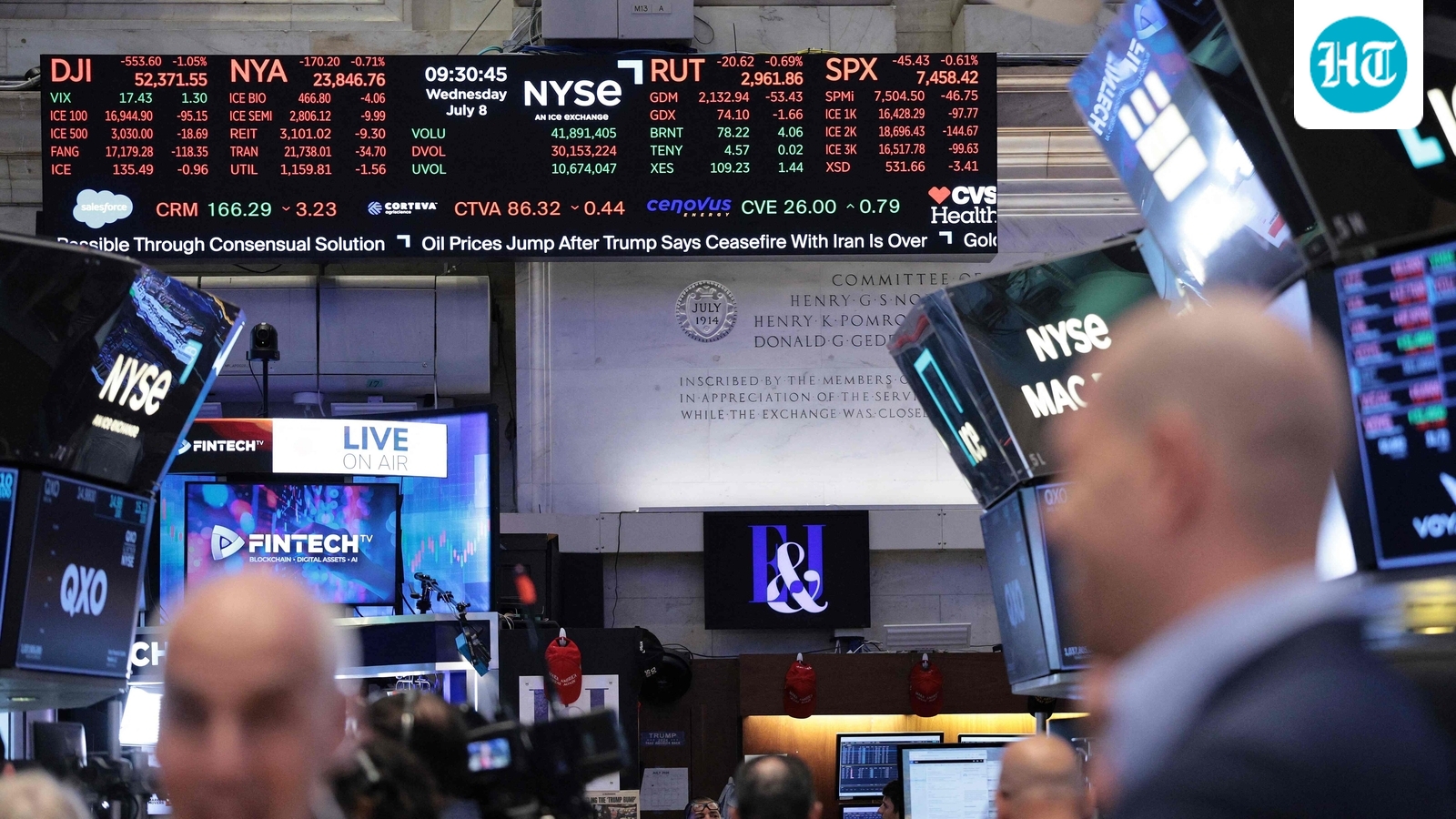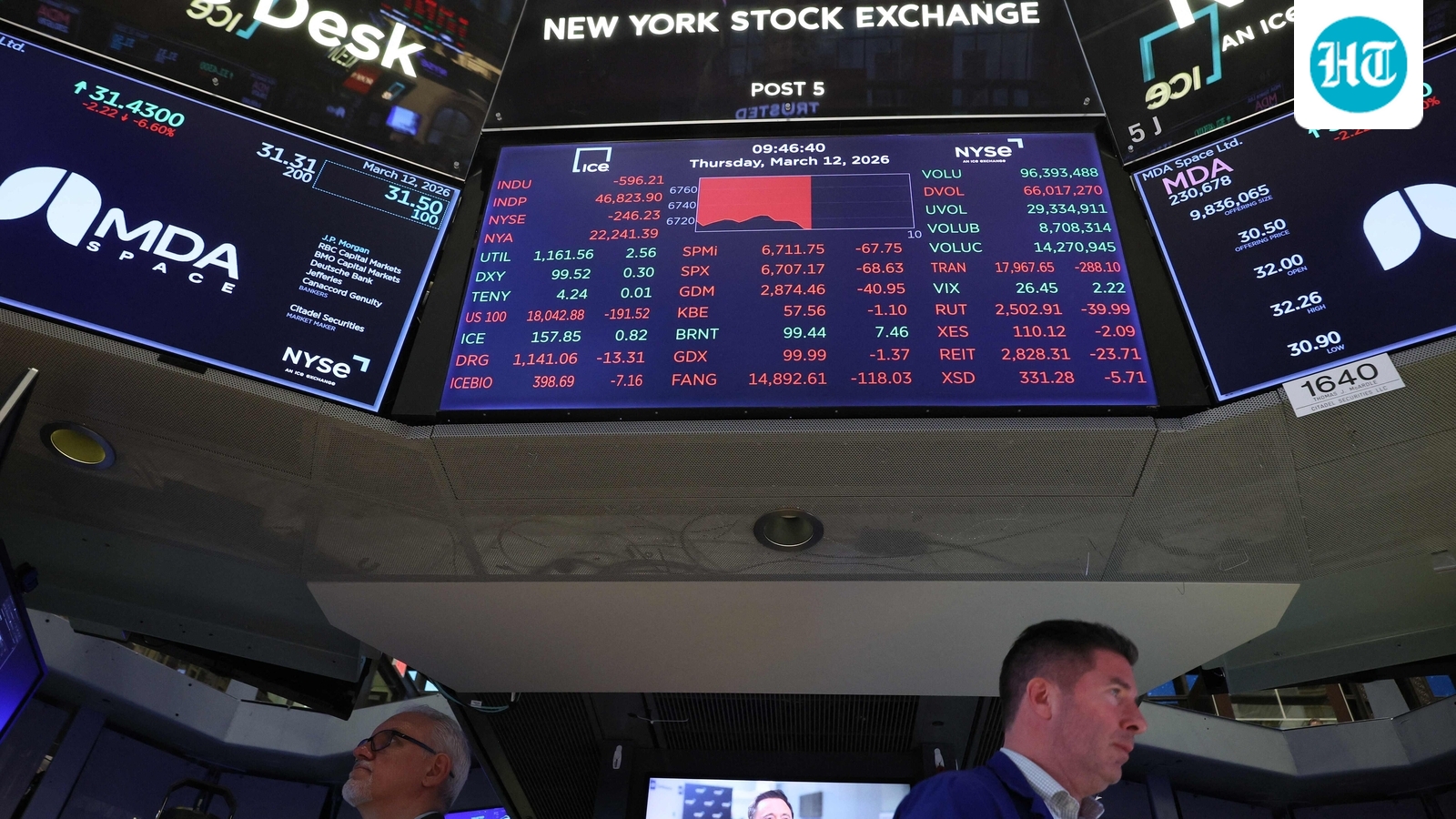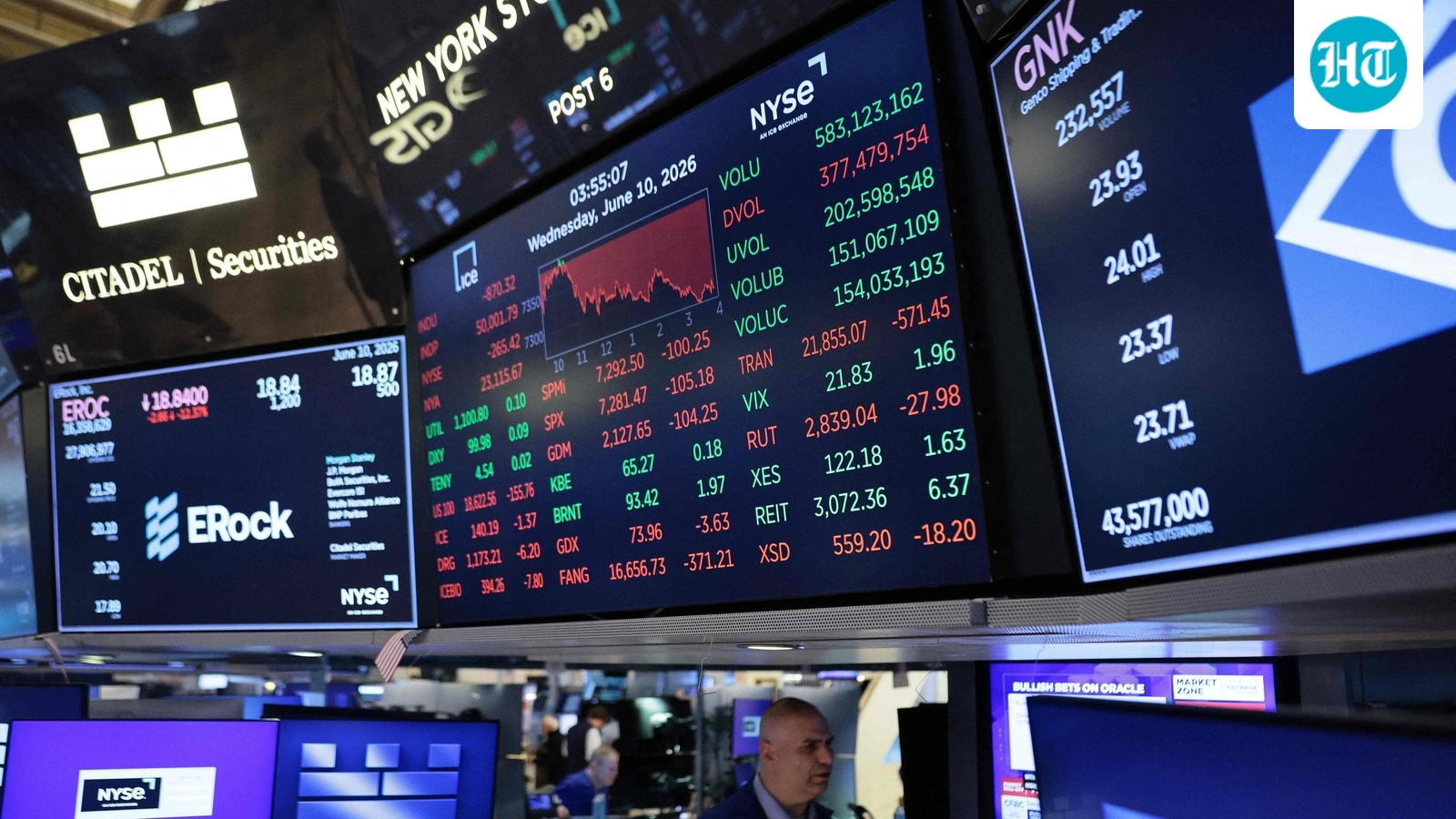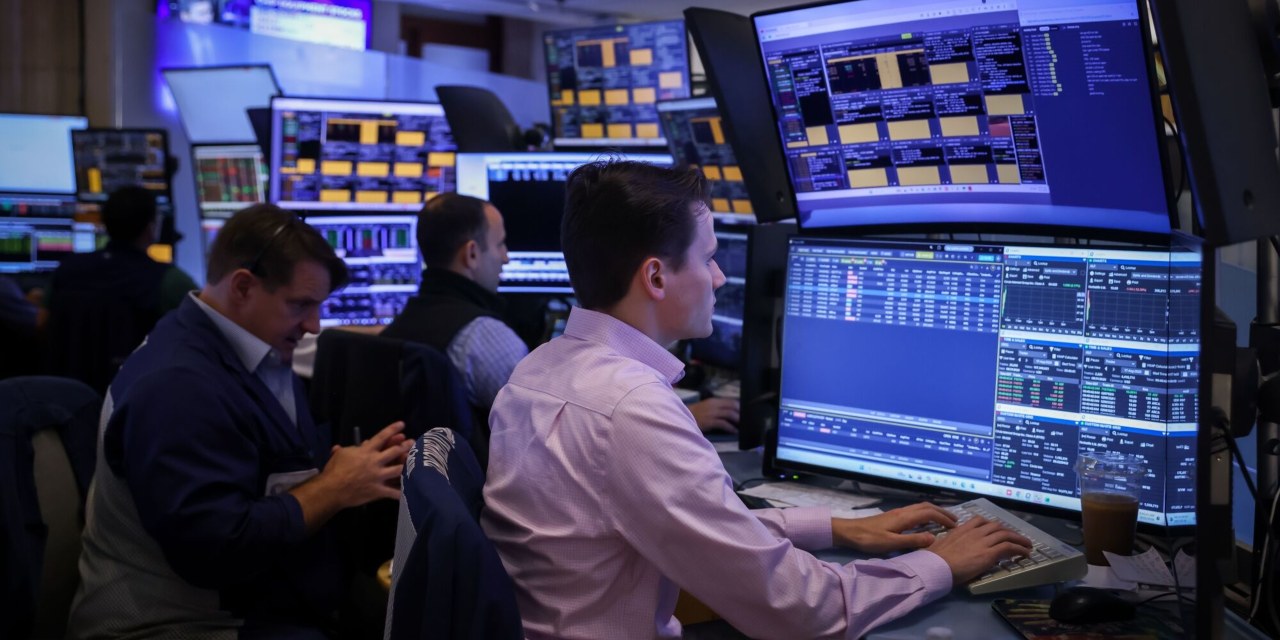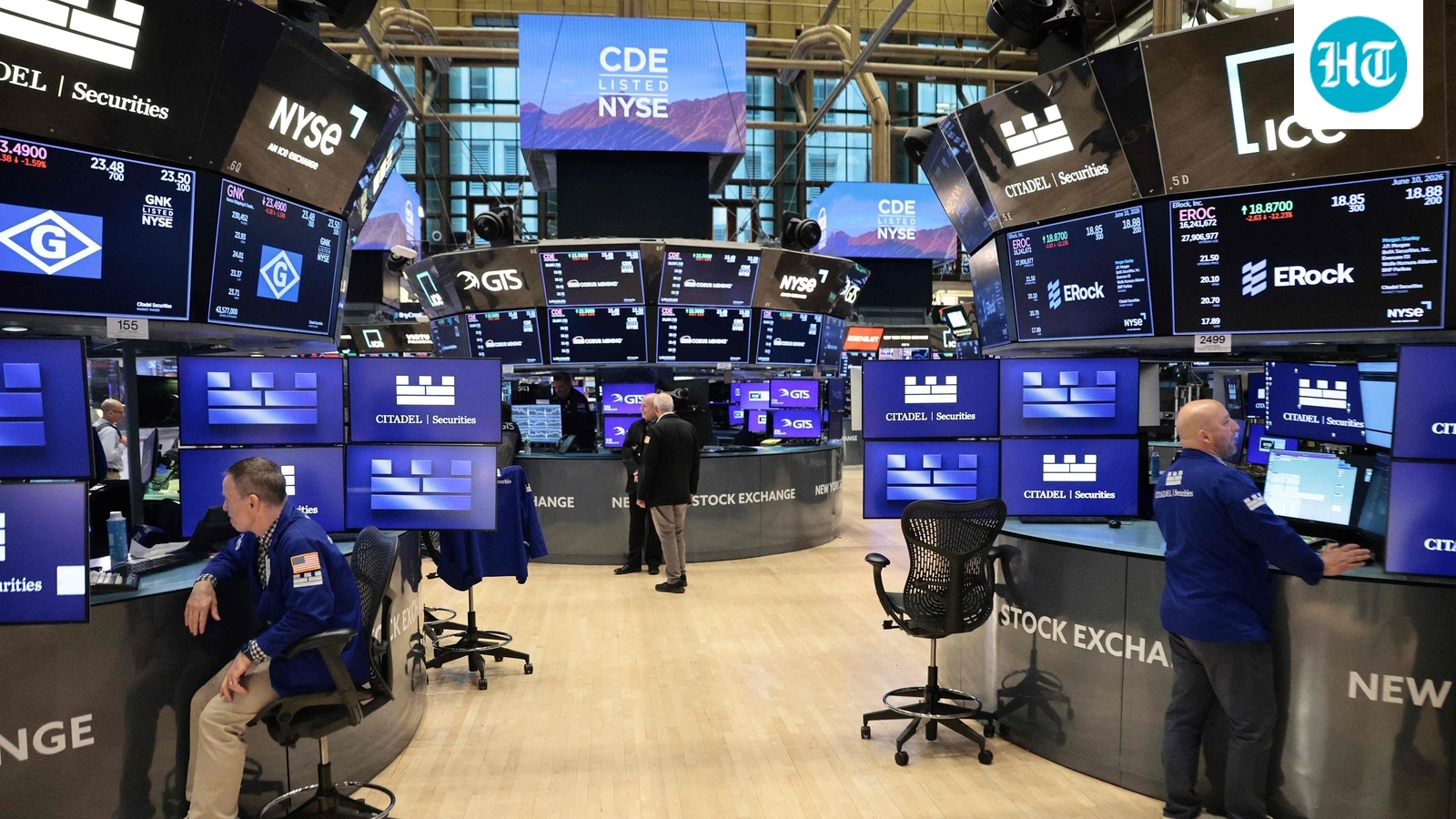
US stocks fell on Thursday, as investors worried about higher oil prices, rising Treasury yields and new inflation data. The Dow Jones Industrial Average fell 0.3%, while the S&P 500 dropped 0.5%. The Nasdaq Composite fell 0.8%. All three major indexes were heading for a fourth straight day of losses.US stocks fall as oil prices rise above $100 a barrel. (Photo by Michael M. Santiago / GETTY IMAGES NORTH AMERICA / Getty Images via AFP) (Getty Images via AFP)Oil prices cross $100Oil prices rose above $100 a barrel, raising fears that inflation could rise again. Higher oil prices could also make it harder for the Federal Reserve to cut interest rates. Brent crude rose to around $105 a barrel, while WTI crude also moved above $100. Both hit their highest levels since May.Oil prices rose as tensions in the Middle East increased. Iran targeted US Navy warships, according to Yahoo Finance. Problems around the Strait of Hormuz have also raised fears of a major disruption to global oil supplies.Investors are worried that higher oil prices could increase the cost of fuel, transport and business operations. This could push prices higher across the economy and put more pressure on stocks.Treasury yields riseHigher oil prices have also helped push Treasury yields higher, creating another problem for the stock market because higher yields can make bonds more attractive compared with stocks. The 10-year US Treasury yield climbed 8 basis points to 4.91%, reaching its highest level since 2023, according to Yahoo Finance. The 30-year Treasury yield also rose to 5.35%, showing continued pressure in the long-term bond market.Treasury prices move in the opposite direction to yields. As yields rose, Treasury prices came under pressure. The rise in yields continued even after the US Treasury said it would buy up to $6 billion of longer-term government debt, a move aimed at supporting the bond market. Treasury Secretary Scott Bessent's efforts, including a larger bond buyback, have so far done little to bring long-term borrowing costs lower, according to Yahoo Finance.Investors are also becoming more cautious about the Federal Reserve's next interest-rate decision, with markets increasingly pricing in the possibility of a rate hike when policymakers meet next week. A possible rate hike would be a major concern for stocks because higher interest rates can increase borrowing costs for companies and consumers.Also read: US wholesale prices rose 5.4% in August: What it means for Fed rate decisionWholesale inflation remains in focusInvestors were also reacting to the latest US wholesale inflation data released by the Bureau of Labor Statistics. Producer prices rose 0.4% in August from the previous month, matching economists' expectations, according to Bureau of Labor Statistics data. The August increase was higher than July's revised 0.1% rise.The core Producer Price Index, which removes food and energy prices, rose 0.2% in August. The core increase was slightly below economists' expectation of 0.3% and July's revised 0.3% increase. On a yearly basis, producer prices rose 5.4% in August, slightly above the 5.3% increase expected by economists. The yearly increase was also higher than July's revised 4.8% rise.Core producer prices rose 4.6% from a year earlier, matching expectations and increasing from 4.2% in July, according to the Bureau of Labor Statistics. The wholesale inflation data is important because investors are looking for signs of where inflation is heading and what that could mean for the Fed's interest-rate decision. However, the bigger focus is now on Friday's US consumer inflation report, which could give investors more clues about the Fed's next move.Jobs data also comes into focusThe latest weekly jobless claims report showed 206,000 Americans filed new claims for unemployment benefits last week. That was slightly higher than economists' expectation of 205,000 claims. The previous week's claims were revised higher to 207,000 from 206,000, according to government data.Continuing jobless claims stood at 1.77 million, slightly below economists' expectation of 1.78 million. Continuing claims also fell from the previous week's downwardly revised 1.775 million. Despite some signs of cooling, the US labor market has remained relatively strong, with the economy adding 162,000 jobs in August.Trump warns oil prices may stay highPresident Donald Trump said oil prices may not come down until after the US midterm elections, which are about two months away. His comments added to concerns that high energy prices could remain a problem for the US economy for some time.Investors are watching the oil market closely because a prolonged rise in energy prices could increase inflation and put more pressure on the Federal Reserve to keep interest rates high or raise them.Trump proposes $5,000 paymentInvestors are also considering a proposal from Trump to send every American adult a $5,000 check if Republicans keep control of Congress in the midterm elections. Trump made the proposal at a Republican midterm convention in Dallas on Wednesday, saying Americans would receive the money if Republicans win.Trump did not provide details on how the payments would be made or funded. The proposal could cost more than $1 trillion, according to Yahoo Finance. Such a plan would also need approval from Congress, making its implementation uncertain.Vice President JD Vance later appeared to soften the proposal, suggesting the payments could be limited to Americans who are not wealthy and could be funded through tariff revenue, according to the Associated Press. However, the possible cost of the payments would be larger than the amount the US government is currently collecting through tariffs, Yahoo Finance reported. The proposal comes as Trump's approval ratings have faced pressure amid concerns over higher oil prices linked to the Iran conflict and the US trade dispute with Canada.Also read: Gold price today: Why gold is near $4,400 ahead of US inflation dataOracle earnings could give AI stocks a fresh signalInvestors are also looking ahead to Oracle's earnings report after the US market closes on Thursday. Oracle's results will be closely watched for signs of how much companies are spending on artificial intelligence infrastructure. The earnings report could also provide clues about demand for AI-related technology and data-centre spending, giving investors another signal on whether the huge AI investment boom is continuing.Macy's beats expectationsMacy's reported stronger-than-expected second-quarter results, offering a positive signal for the department store's turnaround efforts. Macy's same-store sales rose 2.7% in the second quarter, marking the company's fifth consecutive quarter of growth.The increase was well above Wall Street's expectation of 0.8%, according to S&P Global Market Intelligence data. Macy's luxury chain Bloomingdale's reported 11.3% sales growth, while beauty business Bluemercury's sales increased 6.2%.Macy's main brand recorded 1.1% sales growth, while recently redesigned stores posted a slightly stronger 1.9% increase. The company is in the third year of its “Bold New Chapter” turnaround plan, which includes closing 150 weaker stores and investing more money in its remaining 350 locations.Gold holds near $4,400Gold remained near $4,400 an ounce as traders waited for US inflation data and looked for clues about the Federal Reserve's next interest-rate move, Bloomberg reported. Gold had gained about 1% in the previous session, ending a three-day losing streak. The metal has traded in a relatively narrow range in recent weeks as investors balance its appeal as a long-term safe-haven asset against pressure from rising bond yields.Higher Treasury yields can weigh on gold because gold does not pay interest, making interest-bearing assets more attractive when yields rise. Rising oil prices and continued Middle East tensions have also increased investor concerns about inflation, keeping gold and other safe-haven assets in focus.
Stock market fall: S&P 500, Dow, Nasdaq slide as oil tops $100, yields rise
US stocks fell as oil prices crossed $100, raising inflation fears. Dow, S&P 500 and Nasdaq dropped as investors watched Fed rate cut hopes. | Business News
1,233 words~6 min read