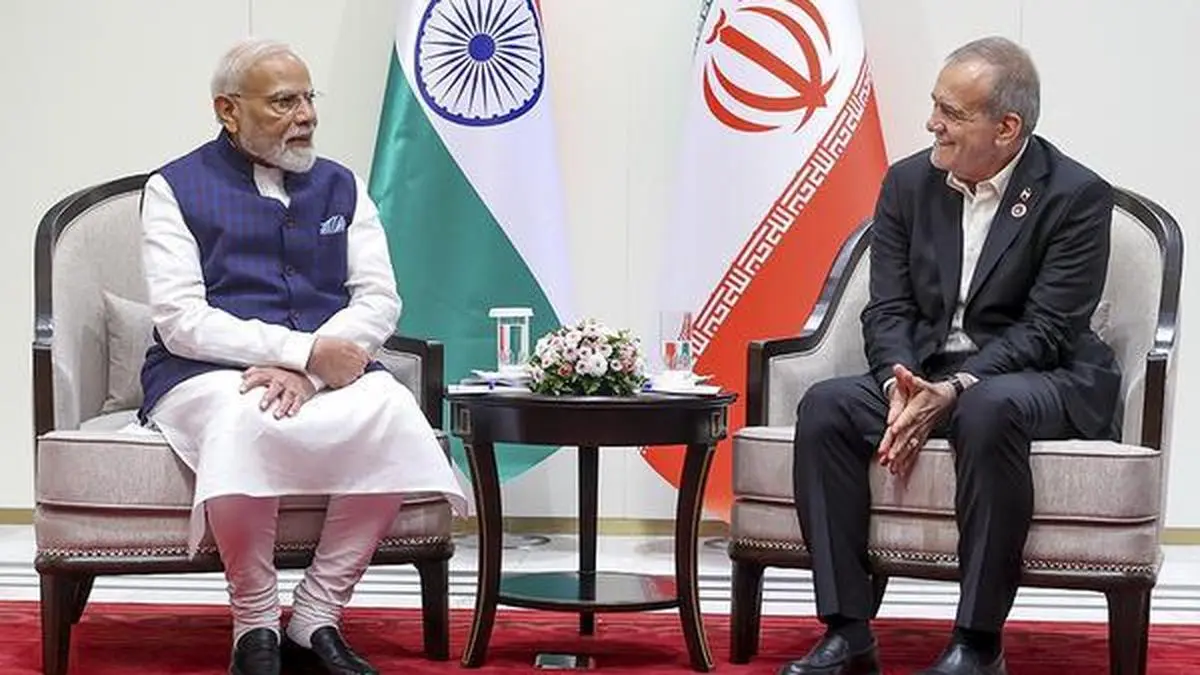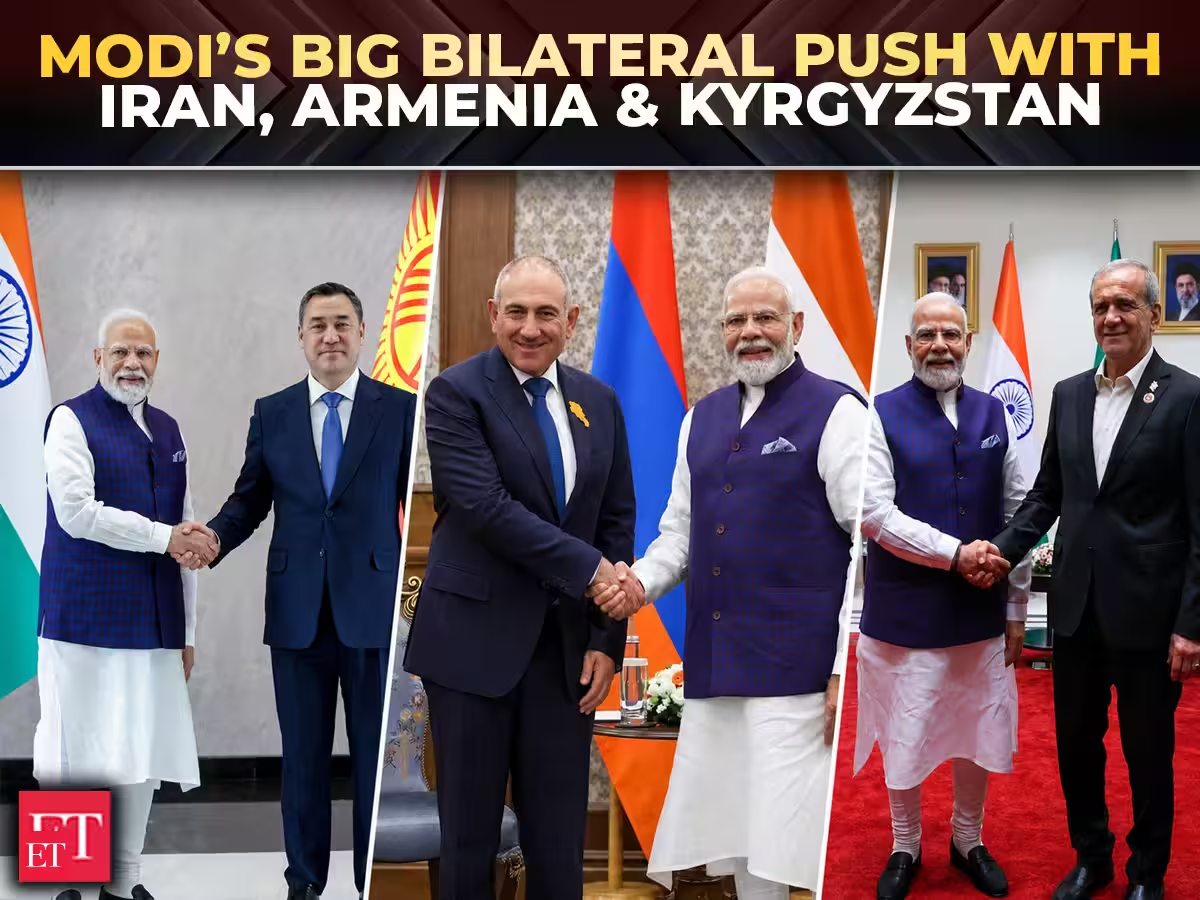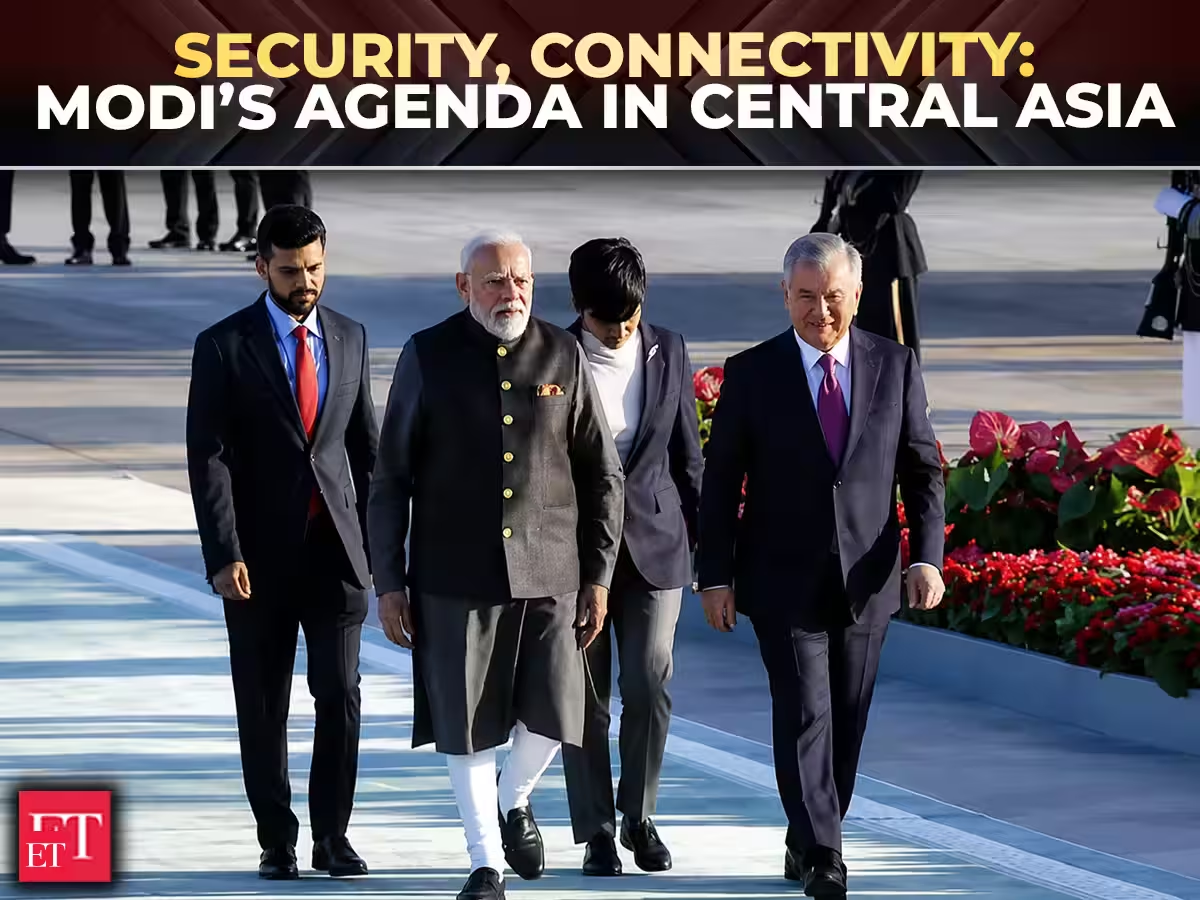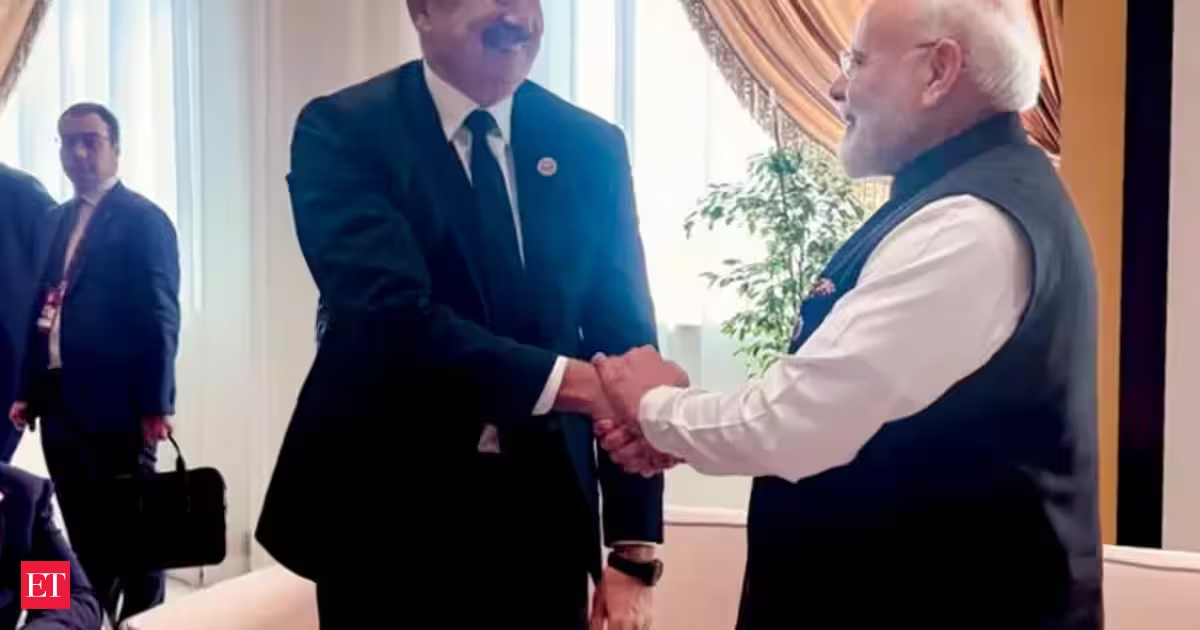
New Delhi: The recent meeting between Prime Minister Narendra Modi and Azerbaijani President Ilham Aliyev in Bishkek, the first ever between the leaders of India and Azerbaijan, has raised hopes for the effective implementation of the International North-South Transport Corridor (INSTC).The multimodal corridor, which connects Mumbai with St Petersburg and beyond, is the shortest via the Iran-Azerbaijan route compared to the other two routes of the INSTC.Also Read: India's economic ties with Azerbaijan improve despite political driftWorking relations between India and Azerbaijan could encourage the latter to expedite construction of a missing link of INSTC to boost the connectivity initiative, said an expert on the Eurasian connectivity links.INSTC, as well as the Chennai-Vladivostok Maritime Corridor along the Northern Sea Route will be high on the agenda when Modi meets Russian President Vladimir Putin on Friday ahead of the BRICS Summit, according to people familiar with the matter. Russia is also exploring a plan to build a rail link to India via Central Asia as a hedge against risks associated with the Strait of Hormuz and the Bosphorus, they said.Also Read: Modi, Aliyev meet for first time as India, Azerbaijan seek to reset tiesThough slow in implementation due to a number of factors, including sanctions on Iran, INSTC remains one of India's key connectivity initiatives to Eurasia. Over the past four years, India and Russia have traded using the corridor.
India-Azerbaijan ties could accelerate key INSTC missing link: Expert
Prime Minister Modi's meeting with Azerbaijan's President Aliyev raises INSTC corridor hopes. This multimodal corridor connects Mumbai with St Petersburg via Iran and Azerbaijan. India and Russia have traded using this key connectivity initiative over four years. Russia is also exploring a rail link to India via Central Asia. Future meetings will further discuss these important Eurasian connectivity plans.
229 words~1 min read