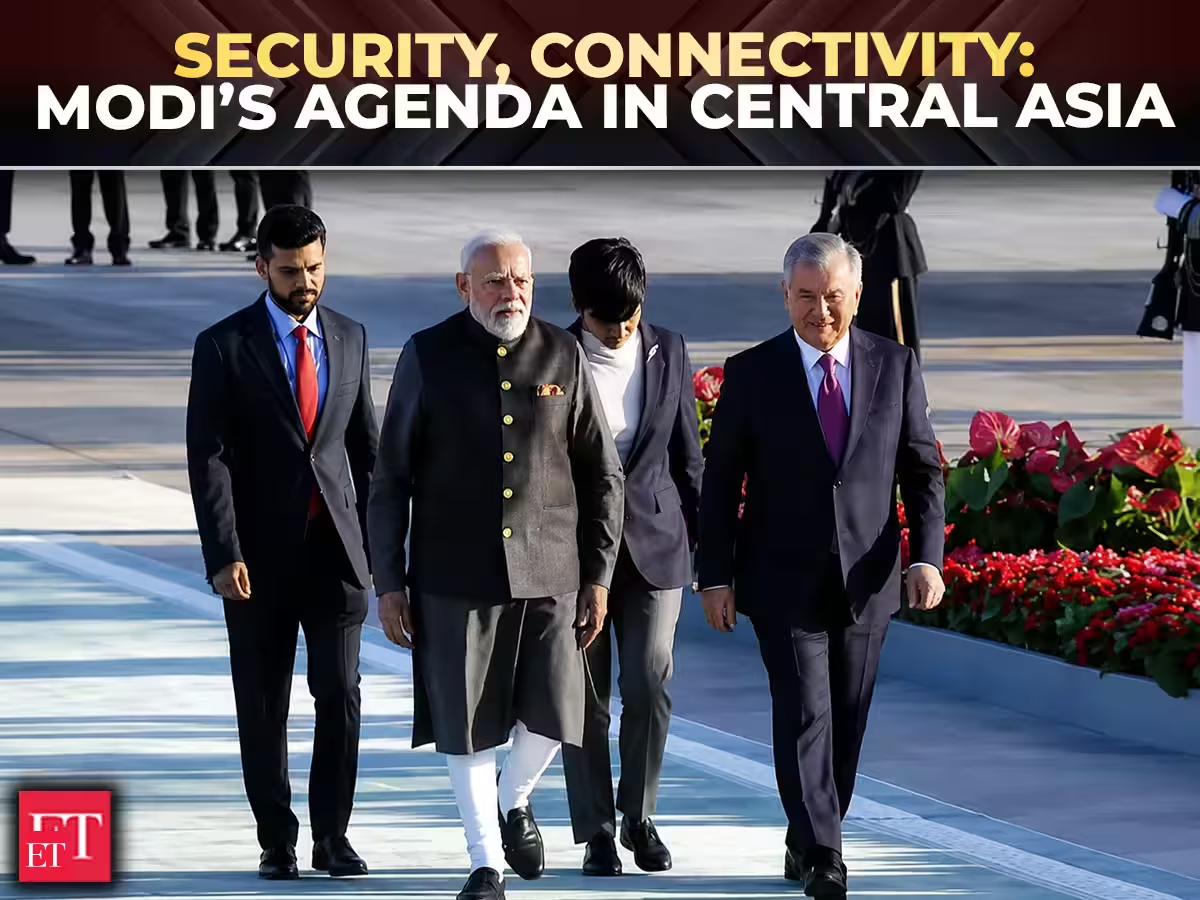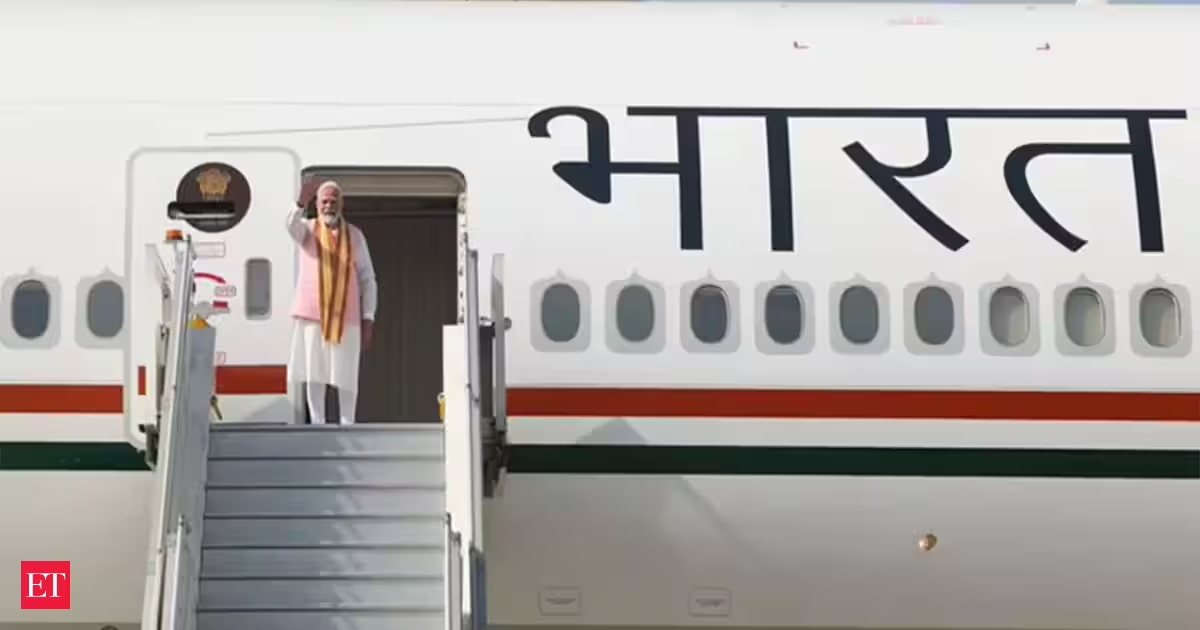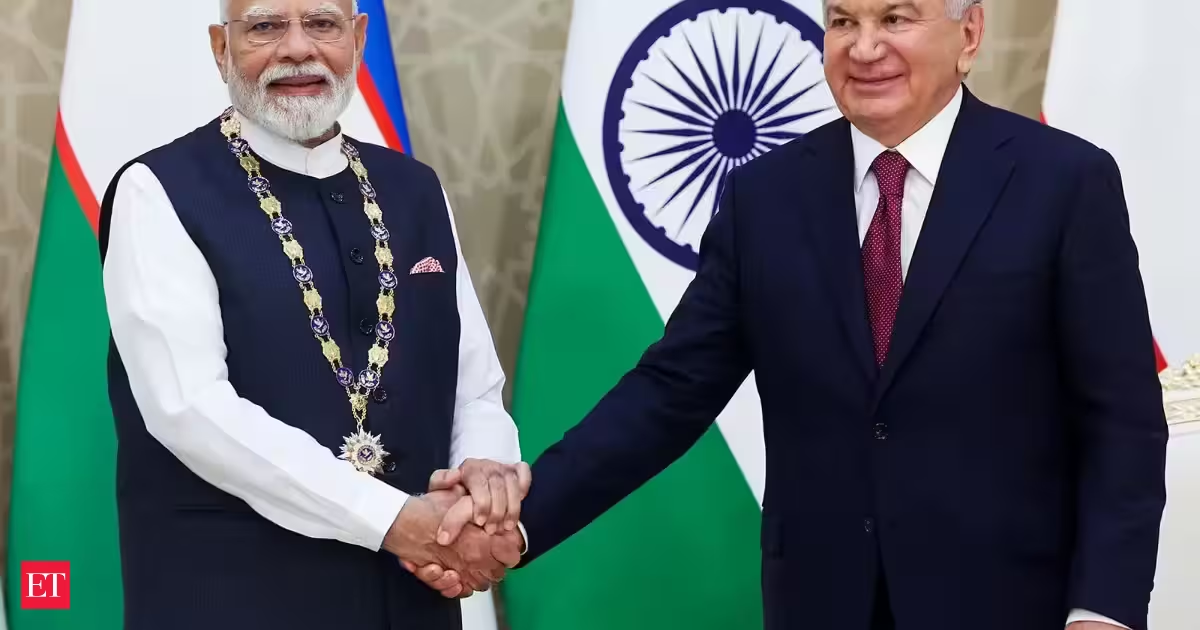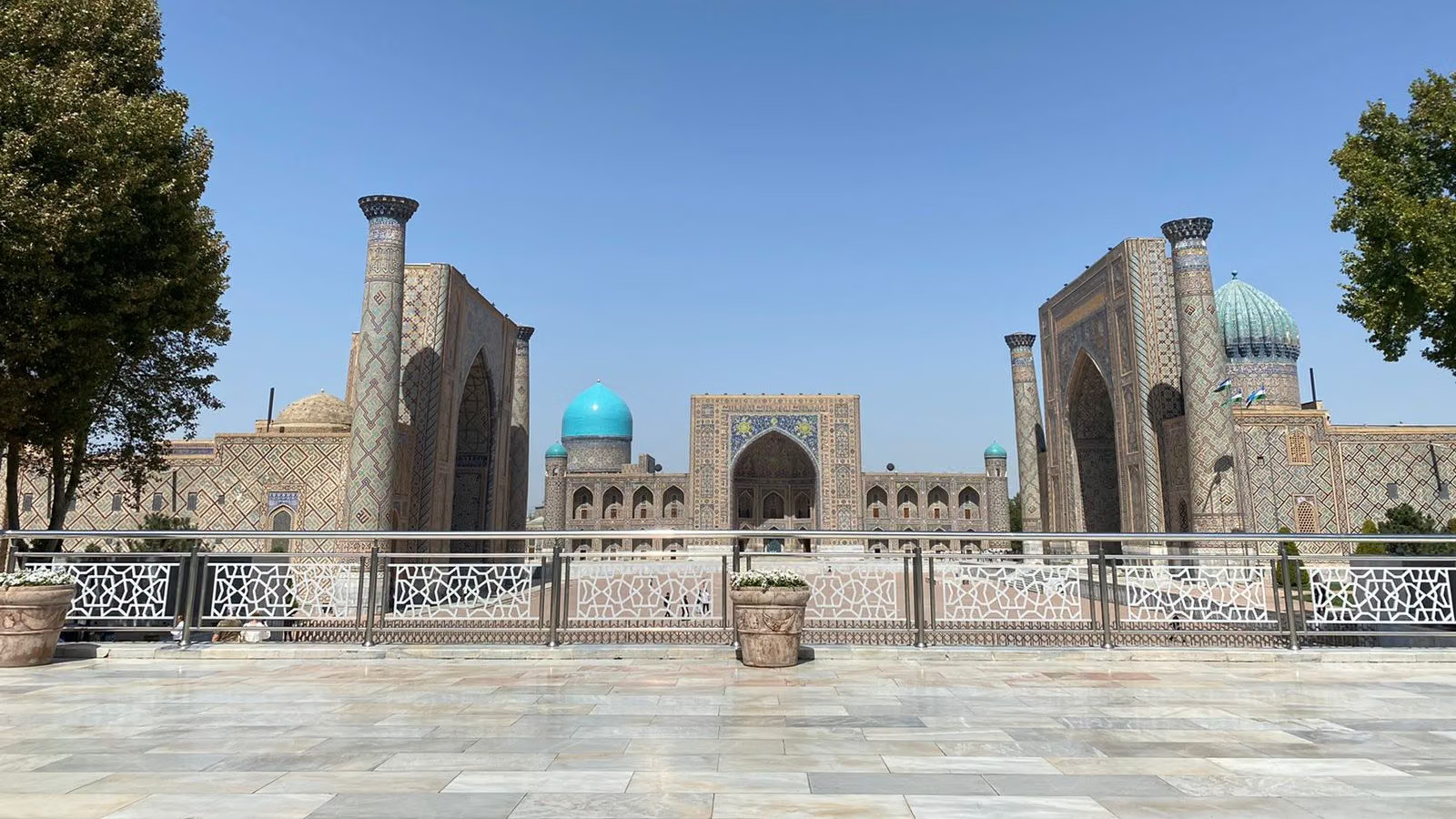
Prime Minister Narendra Modi’s engagement with Central Asia comes at an important moment for a region that has once again assumed a significant place in world geo-politics specially in the context of conflicts in West Asia. India’s participation in the Shanghai Cooperation Organisation, of which Uzbekistan is a member, reflects New Delhi’s sustained commitment to the security, connectivity, economic development and people-to-people ties of the region.
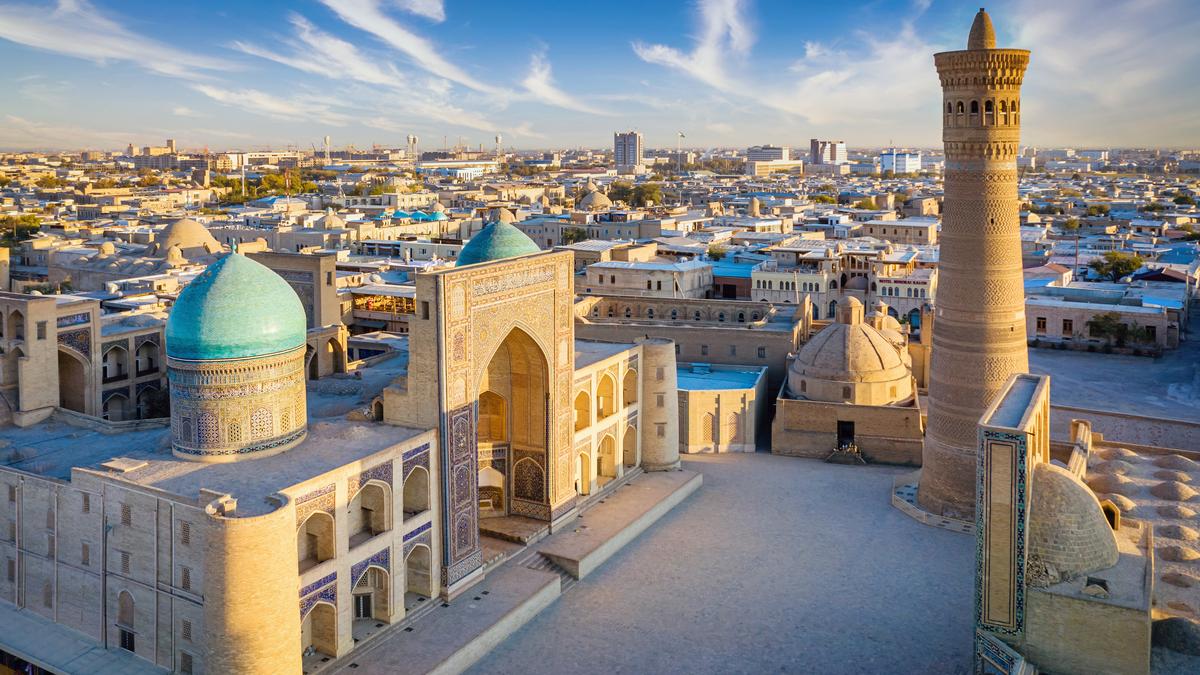
As India looks towards an Asia that is more connected and stable, its relationship with Uzbekistan acquires particular importance—not merely as a contemporary strategic partnership, but as one rooted in centuries of civilisational exchange.For India, Central Asia has never been a distant geography. The Silk Route connected India with Central Asia via a network of trans Himalayan routes going through passes like the Bolan and the Khyber Pass. The multi-modal International North-South Transport Corridor scheduled to be completed by 2029 represents India’s robust efforts to reclaim the connectivity that the Silk Route once provided. India’s Connect Central Asia policy has aimed to renew the historical depths of relationship with the region encompassing political, economic, educational, cultural and people-to-people cooperation.