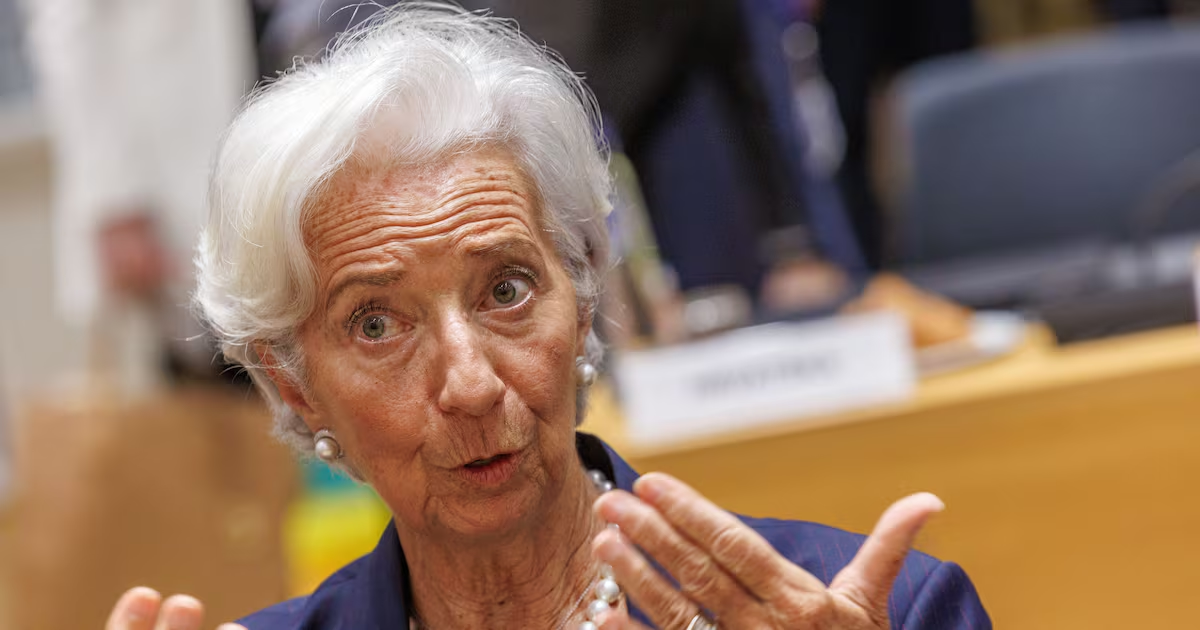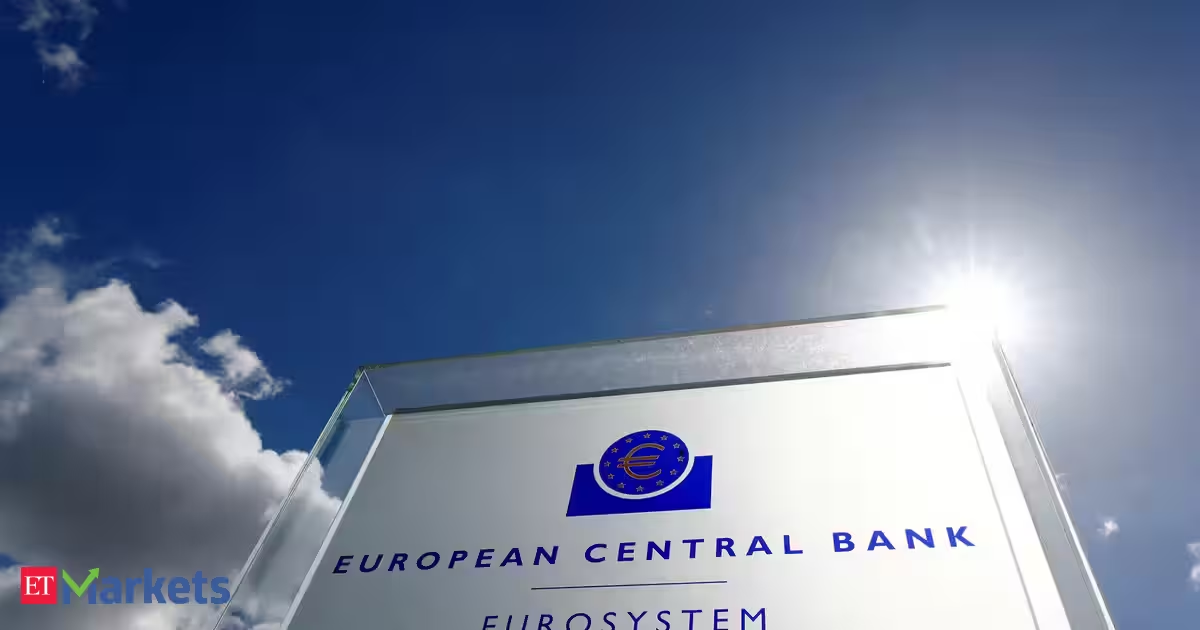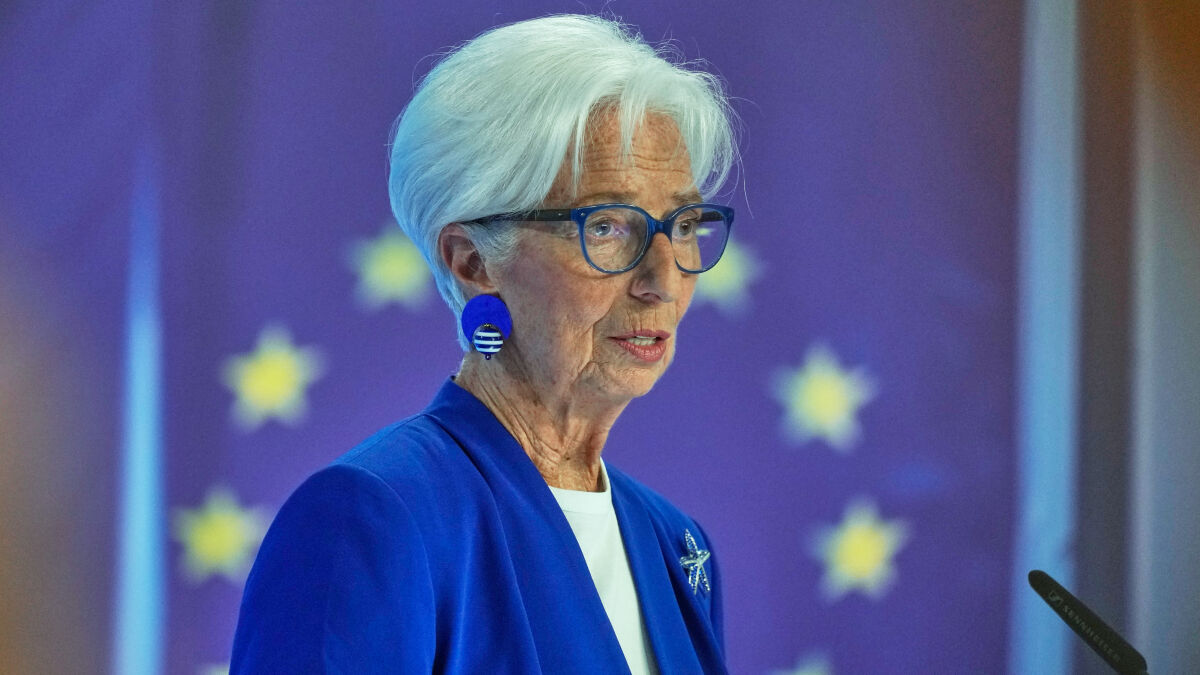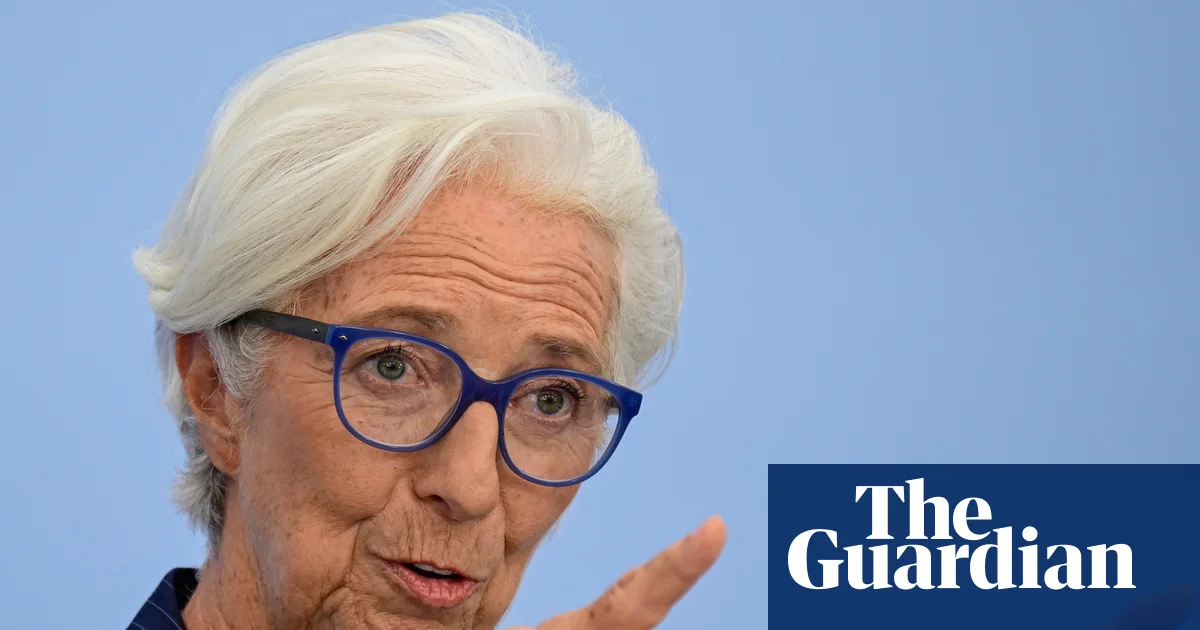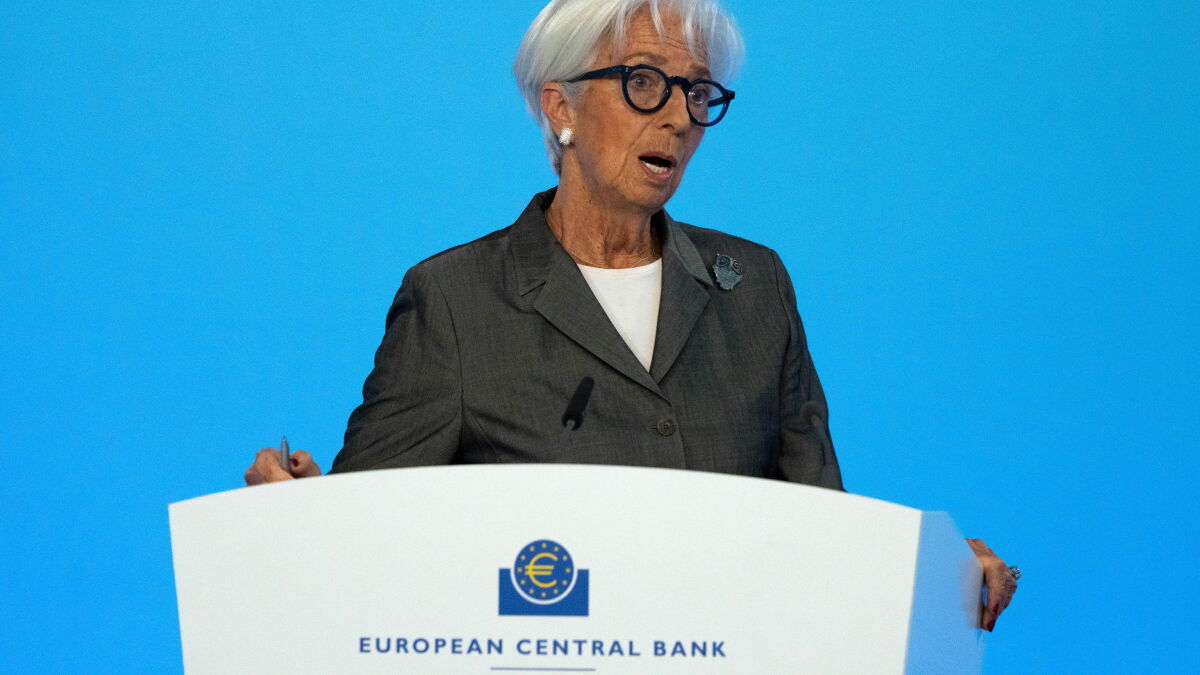
The focus yesterday for borrowers was the decision by the European Central Bank (ECB) to push up its key interest rates by a quarter point and the likely fall-out for the cost of lending. The bank, understandably, pointed to uncertainties ahead, warning that inflation could rise further but also that economic growth could remain under pressure. All eyes now will be on what the main banks do, with the likelihood that some mortgage interest rates increases will be announced, in addition to the automatic rise in tracker rates. There is also the risk of one more ECB rise before the end of the year, which would be a total of three for 2026. The outlook remains unclear, but there have been some worrying signals in recent days. The price of oil is on the rise again, threatening further increases at the pumps. And the wholesale cost of gas is also up, which is likely to knock on to further rises in household electricity and gas bills. This threatens higher inflation and has sparked another sell-off in bond markets and a matching rise in longer-term interest rates. These determine the cost of government borrowing and have wider implications for stock markets. It is unclear how high bond rates need to go to upset equity markets, but this is now a key risk.In short, there is no sign of any easing in the damaging economic uncertainty caused by geopolitical developments. Mortgage borrowers will hope that interest rate increases will be modest – particularly new borrowers or those coming off fixed rates, who are most exposed. The public will hope that the surge in oil and gas prices will reverse, limiting the damage to their pockets. But the risks look set to roll on and, worryingly, energy traders are talking about a “new normal” of higher oil and gas prices and US president Donald Trump has said the conflict in the Gulf is set to continue until after November’s mid-term elections. It is an increasingly difficult backdrop to the October budget and underlines the necessity for the Government to have its priorities clear, to leave leeway in the public finances and to have a plan to protect those worst hit with higher energy costs.
The Irish Times view on interest rates: a slow squeeze on borrowers
Higher energy prices threaten further pressure on inflation
371 words~2 min read