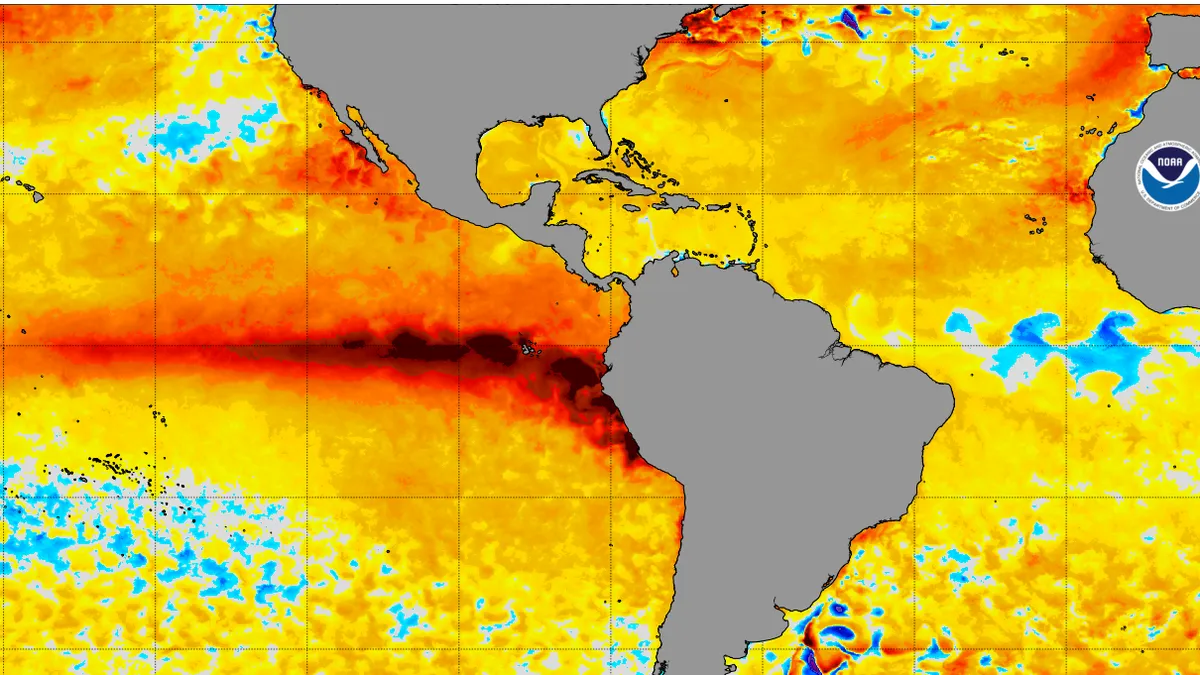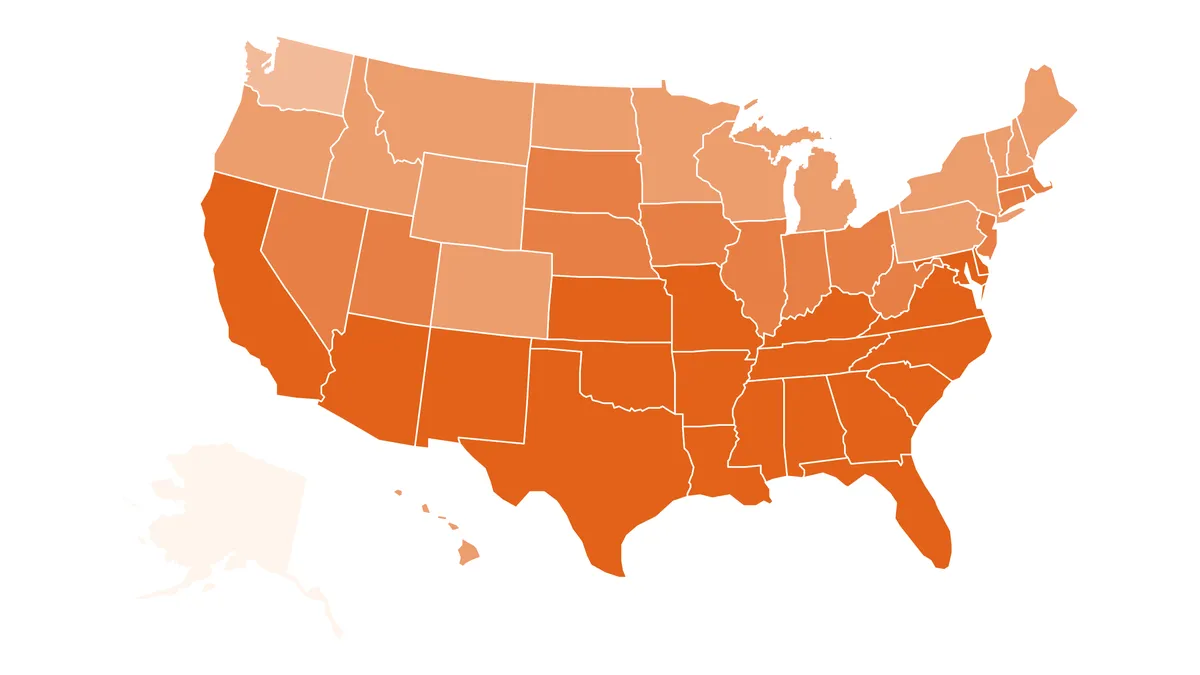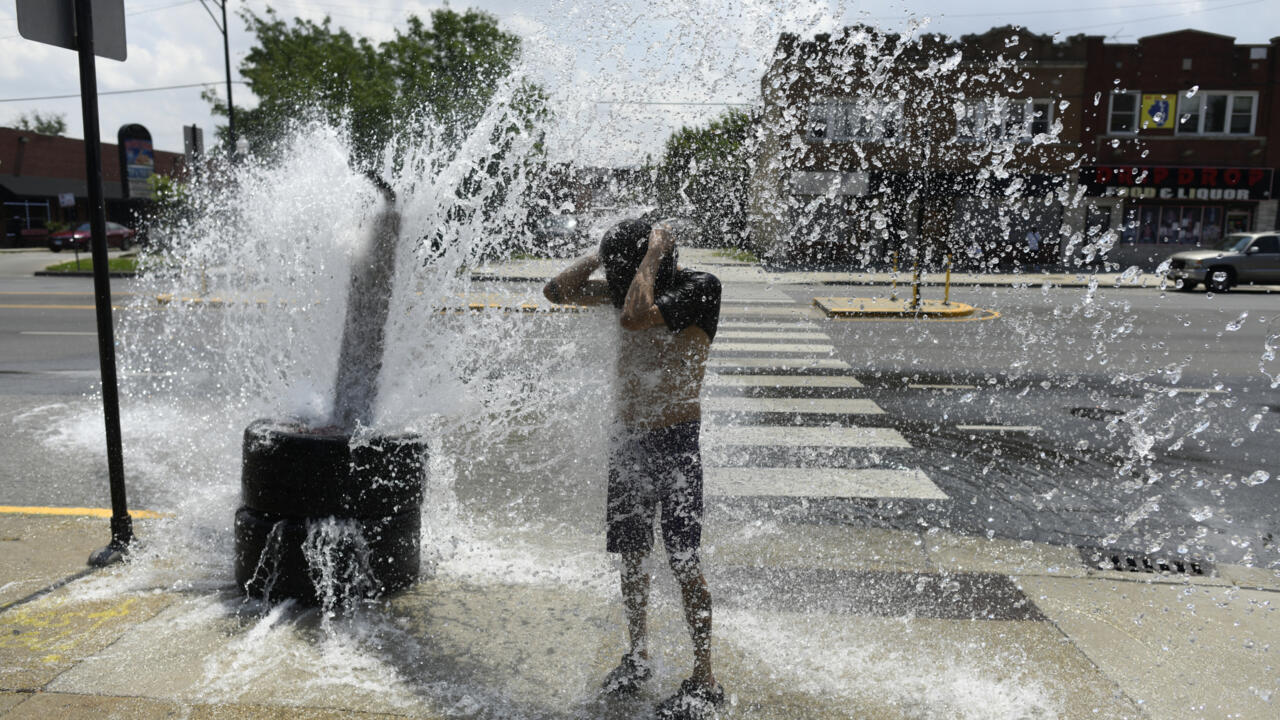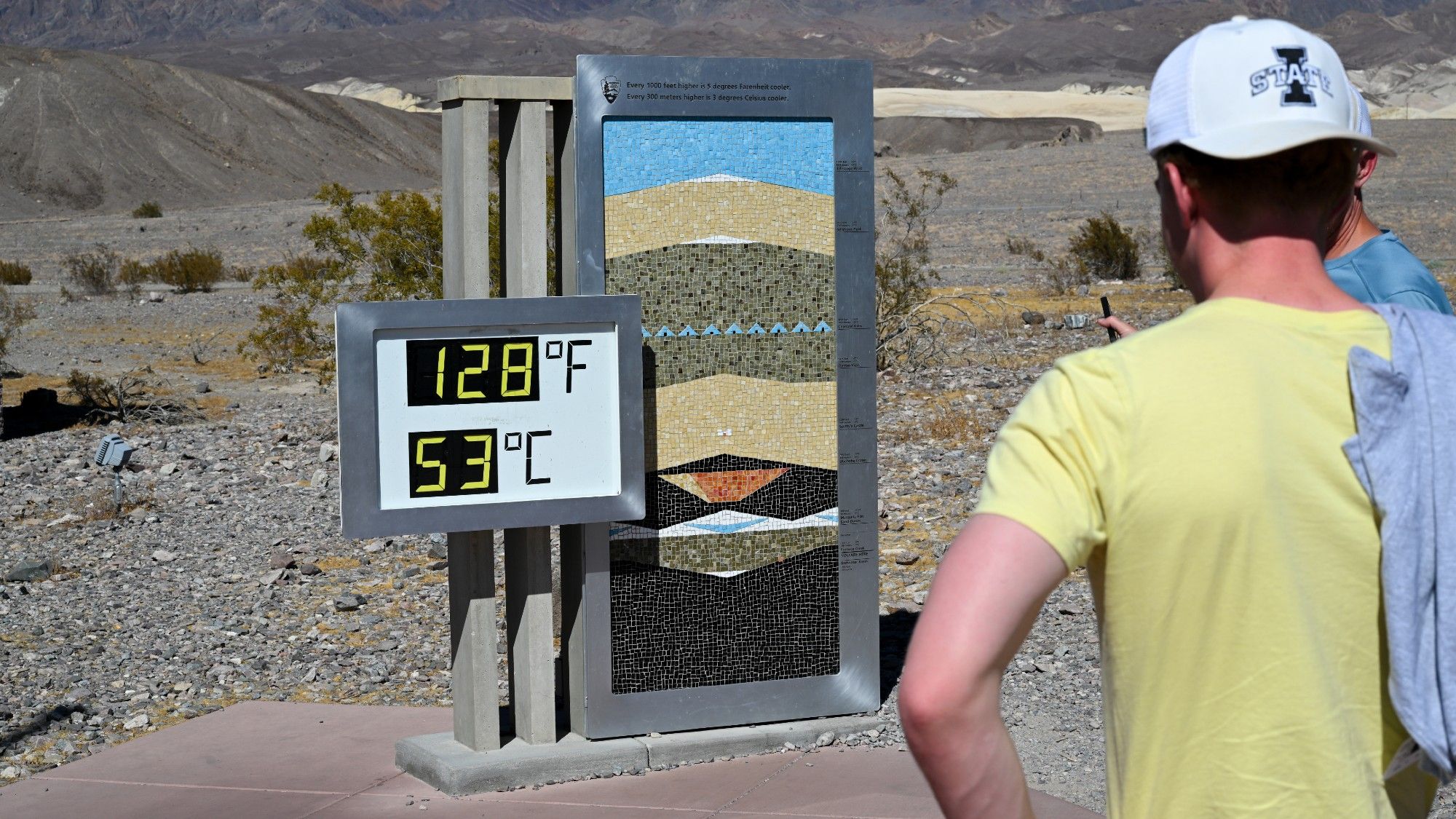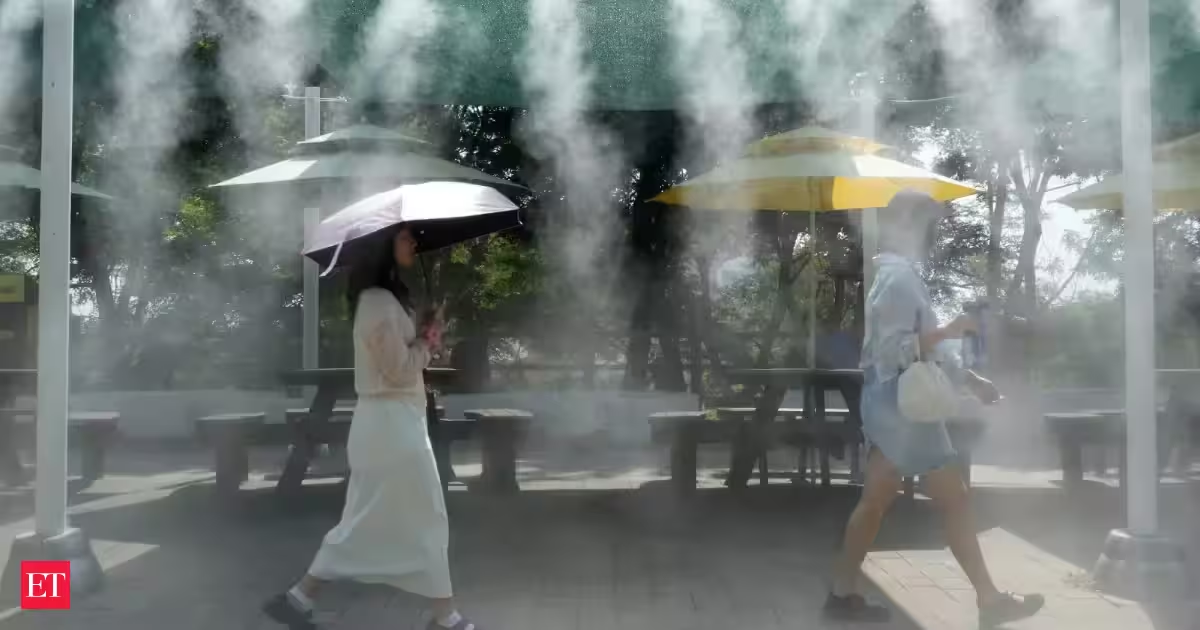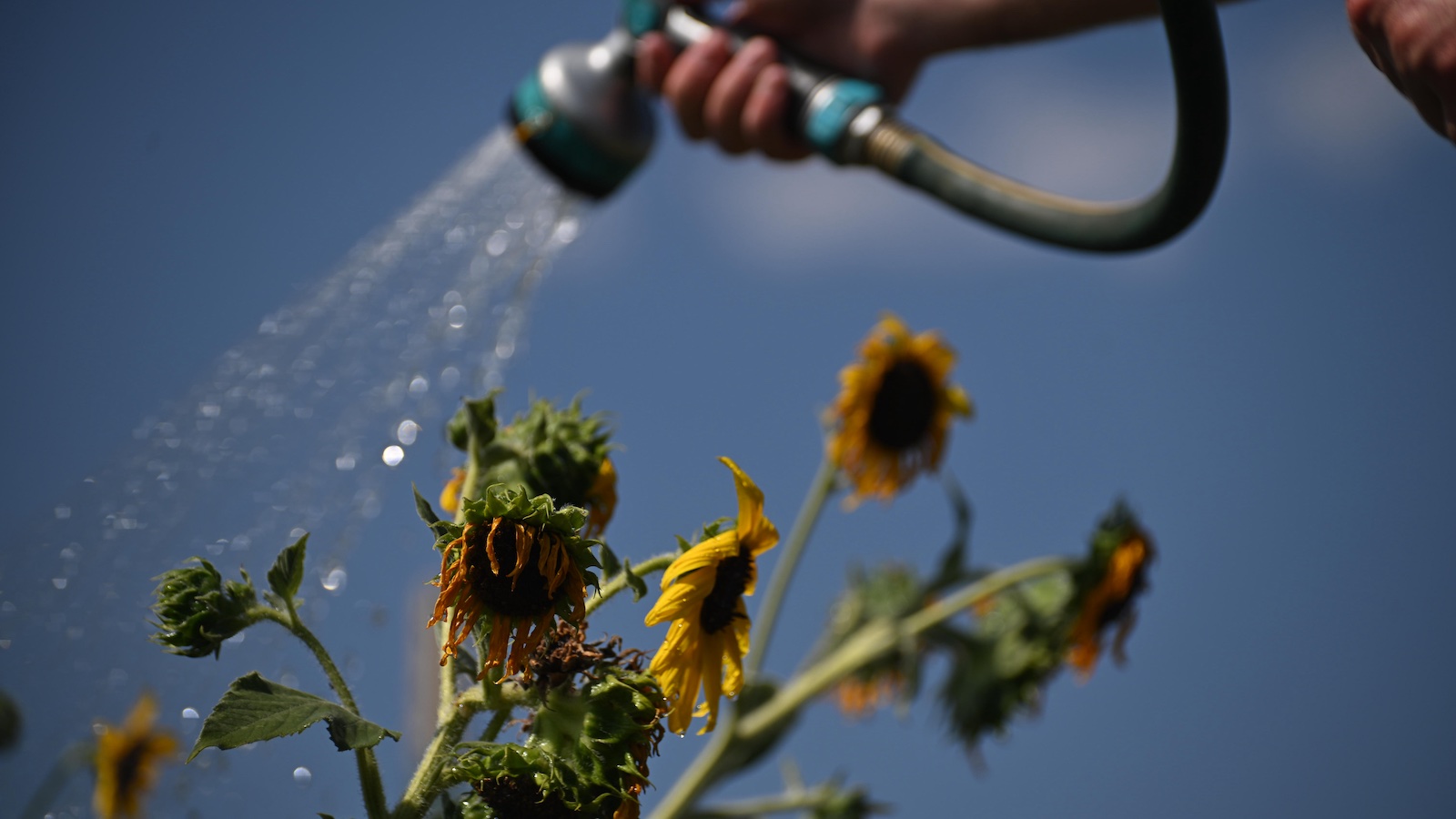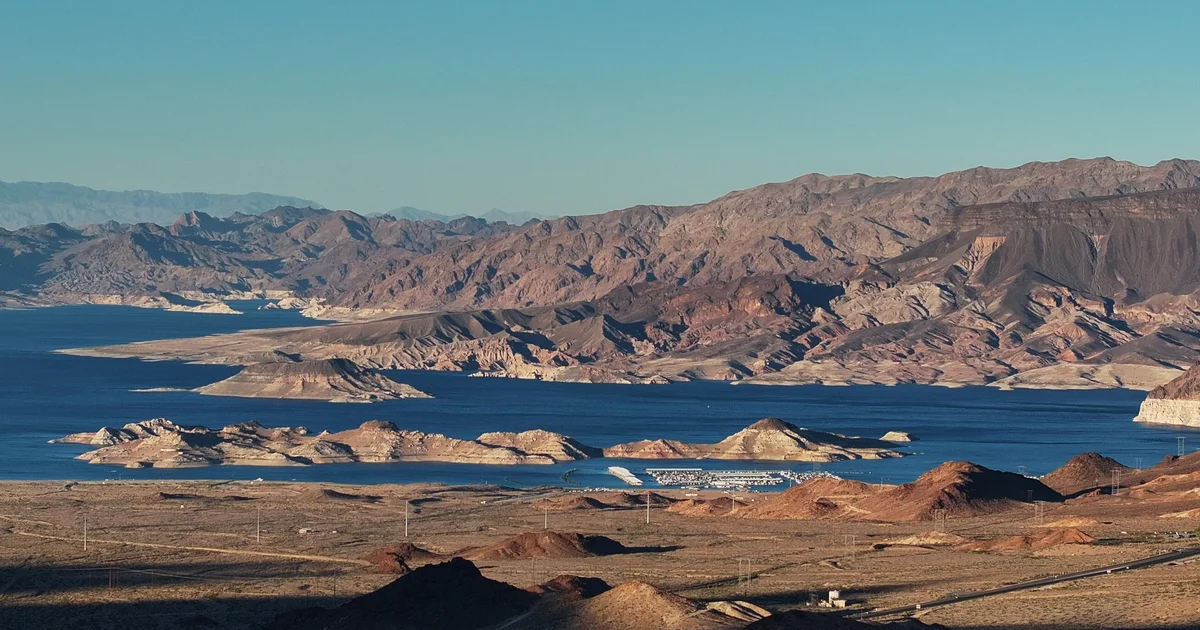
This summer was officially the hottest in the 132-year federal record in the contiguous U.S., officials have revealed, following a record-warm July and August.Extreme temperatures were fueled by multiple lingering heat domes from late July through August that experts say were partly driven by human-caused climate change. The domes brought deadly heat and humidity from coast to coast, though government maps show the worst weather was felt in the U.S. West and South between June and August. The warmest counties were in the Four Corners region, a new WCVB map reveals.“Record-breaking heat extended across much of the Southwest, with Arizona ..., New Mexico, Utah and Colorado each recording their warmest summer on record,” the National Centers for Environmental Information wrote. Oppressive and deadly temperatures have led to the hottest summer on record in the U.S. Data shows some states were hit harder (Getty Images)Colorado shattered a 57-year daily record in early August as temperatures neared triple digits and Arizona’s capital city of Phoenix broke a 15-year daily temperature record later in the month, recording high temperatures up to 117 degrees Fahrenheit (47.2 Celsius) before relief was felt.The heat was bad nationwide, canceling Fourth of July celebrations in the Mid-Atlantic, buckling roads and killing dozens of people in New Jersey. Heat is America’s deadliest weather killer. At least 70 people died in the U.S. in July alone, according to a tally from The Washington Post - although that number is likely an undercount. There are around 2,000 heat deaths each year, according to Yale University researchers.U.S. heat deaths are expected to rise in coming years thanks to climate change, Mass General Brigham researchers forecast. Years of worse heat have long been on the horizon, too, thanks to the planet’s continued warming spurred by the fossil fuel industry.This federal map shows average temperatures nationwide in June. June was the third-warmest on record this year (NCEI)Average temperatures nationwide in July. July was the warmest on record this year (NCEI)Average temperatures nationwide in August. Federal officials just said August was the warmest on record this year (NCEI)So, the records broken this summer are nothing unexpected, scientists say. "This is occurring exactly as forecast by scientists literally decades ago," Andrew Dessler, a climate scientist at Texas A&M University, told AFP on Wednesday."The interesting question is not whether we will keep breaking heat records (we will), but whether we're going to do anything about it or just stand there while the climate train runs us over,” he said. Heat is already the deadliest weather killer in the U.S. But climate change is expected to make summer weather even more life-threatening (AFP via Getty Images)Still, the weight of climate change is only part of the puzzle this year. The forming super El Niño climate pattern has also played a part in the summer heat and is expected to bring a warmer winter for much of the U.S.El Niño typically leads to warmer sea surface temperatures in the Pacific Ocean that can fuel hot and humid weather over land. The pattern is expected to “act like a climate time machine” and push temperatures this year to levels that may not be reached for another decade. There’s currently around a 95 percent chance that 2027 will become Earth’s hottest year on record, according to an analysis by climate scientist Zeke Hausfather shared with The Post. “I’m not sure folks have realized just how crazy the second half of 2026 and 2027 will be for global temperatures — on the back of a record-smashing El Niño event,” Hausfather wrote in a post on X.
Summer was the hottest ever in the US - here are the areas that saw the big warmups
Records were smashed from coast to coast – but some places felt the heat more than others
594 words~3 min read