Show Caption
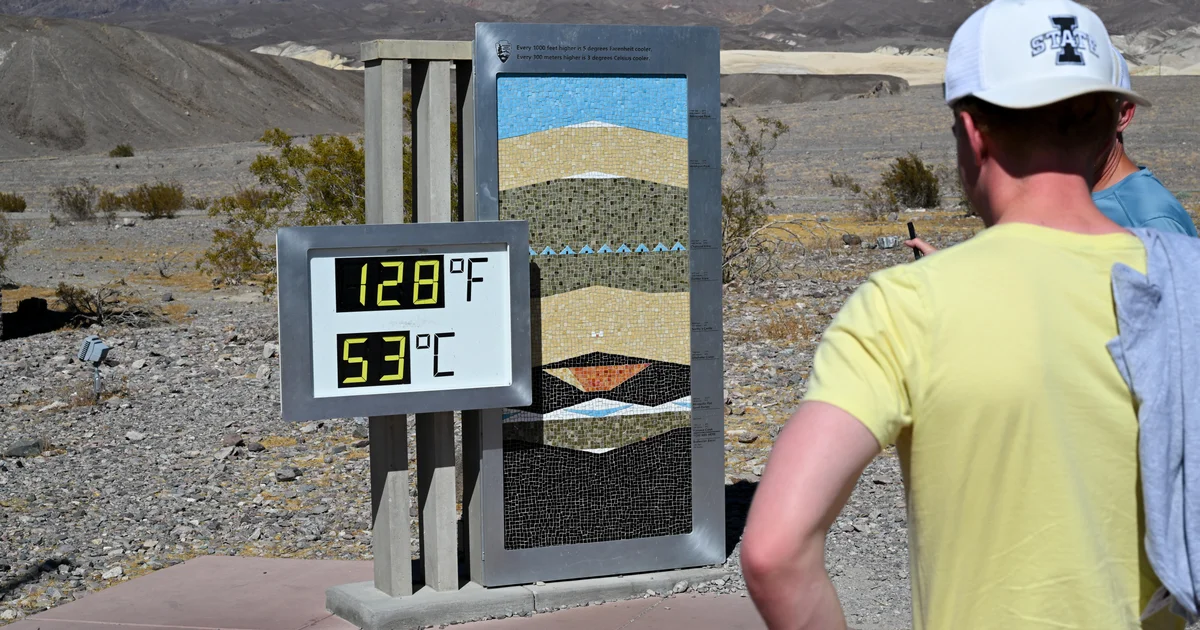
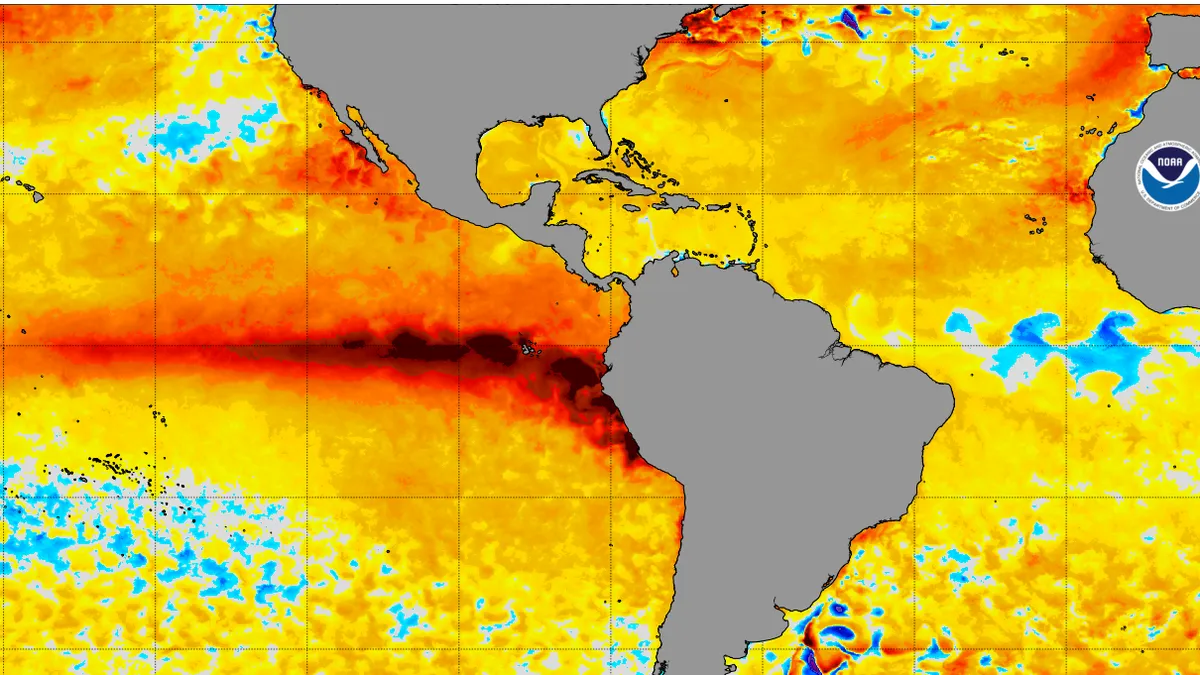
Unrelenting heat waves across the United States in July helped push the nation to its warmest month, breaking a 132-year record, federal officials say.The 76.9-degree average was 3.3 degrees above the 20th century average, according to the July climate summary released Aug. 10 by the National Oceanic and Atmospheric Administration, which tracks the nation’s weather and long-term climate. That temperature was a fraction warmer than previous records set in July 1936 and July 2012.While daytime temperatures were blazing hot and disrupted many of the festivities around the nation's 250th anniversary, it was the overnight temperatures that proved most extreme, soaring above the record set in July 2022 by 0.7 degrees.The U.S. records mirror a pattern seen across many parts of the world in July.What's the August forecast outlook?Above-average temperatures are favored across the central and southern U.S. in August, with portions of coastal California and the southern Plains having a greater than 50 percent likelihood of above-average temperatures.While most of the nation has equal chances of above or below average rain, parts of the interior West and Southwest are likely to experience above average rainfall, while below average rain is possible in parts of the southern Plains and lower Mississippi Valley.As firefighters battle more than 100 active large wildfires across 16 states, the potential for additional wildfire activity is forecast to be above normal for much of the nation.July 2026 weather observationsWyoming saw its record warmest July and its warmest month on record. Temperatures in some of the northern parts of the state temperatures soared as high as 10 degrees above normal for daytime highs and overnight lows, said Tony Bergantino, director of the state climate center at the University of Wyoming."I know people who went out and bought AC units for their windows just to keep up with it," Bergantino said. The state's average was about 0.4 degrees above a record set in 1936.Elsewhere, NOAA's July summary includes the following observations:All-time temperature records were broken more than 200 times at weather stations scattered across the the lower 48 states.In every one of the 48 contiguous states, the July average temperature was above its 20th century average, and among the states' top one-third of warmest July temperatures on record.The average temperature for the year to date is second warmest, behind 2012.July rainfall meanwhile ranked among the driest third in the nation’s history. Even though pockets of above average rain were seen in spots across the nation, the overall average rainfall was nearly a quarter of an inch below the 20th century average.How hot was July globally?Worldwide, sea surface temperatures across the globe's oceans outside the polar regions were the highest on record, according to the Copernicus Climate Change Service and the European Centre for Medium-Range Weather Forecasts.The surge of heat in the world oceans is blamed partly on the strengthening El Niño conditions in much of the equatorial Pacific. Sea surface temperatures continue to break daily warm records in the Pacific and are forecast to continue climbing.The average global temperature overall was the second warmest July on record, tied with July 2024 and just behind the record set in July 2023, according to Copernicus.Widespread marine heatwaves sent sea surface temperatures to record highs along portions of Europe's Atlantic Coast and in the western Mediterranean.Across the dry regions in much of western Europe, river flows were much lower than average or exceptionally low, with the Seine, Rhine and Danube particularly affected.Average temperatures for western Europe for June and July combined were the warmest on record.What's happening with El Niño?Ocean temperatures along the equator in the Pacific west of South America continue to set daily records for warmth, and are forecast to continue climbing through later this year.The naturally occurring climate phenomenon, which brings warmer water to the Eastern Pacific, is one of the influential climate patterns on Earth.The pattern is known for increasing tropical storm activity in the Pacific and limiting tropical activity in the Atlantic and this year is no exception, with wind shear expected to influence storms trying to form in the Atlantic this week.Dinah Voyles Pulver is a national correspondent for USA TODAY, specializing in violent weather, climate and other environment news. Reach her at dpulver@usatoday.com.