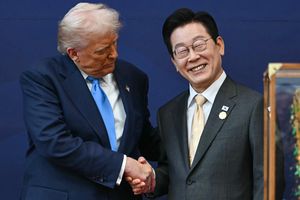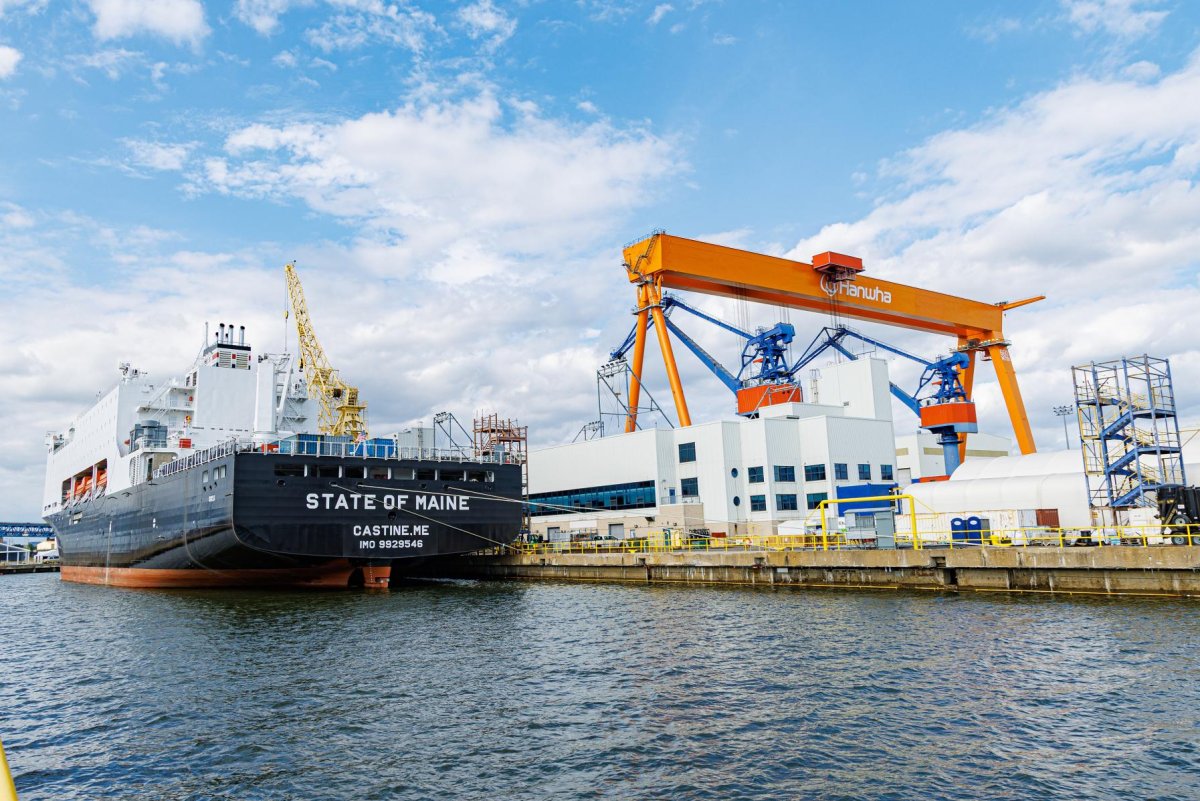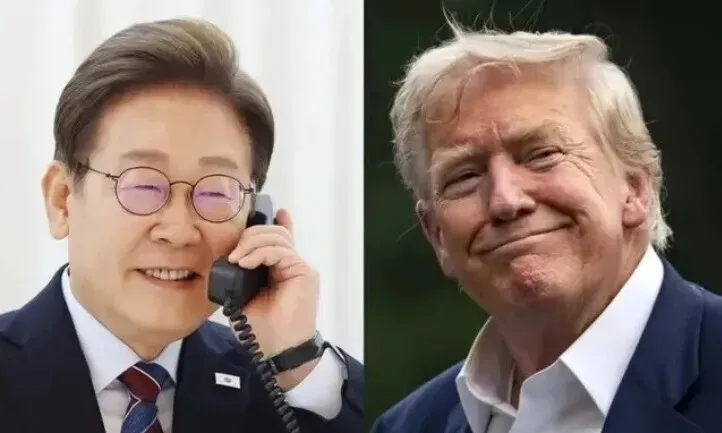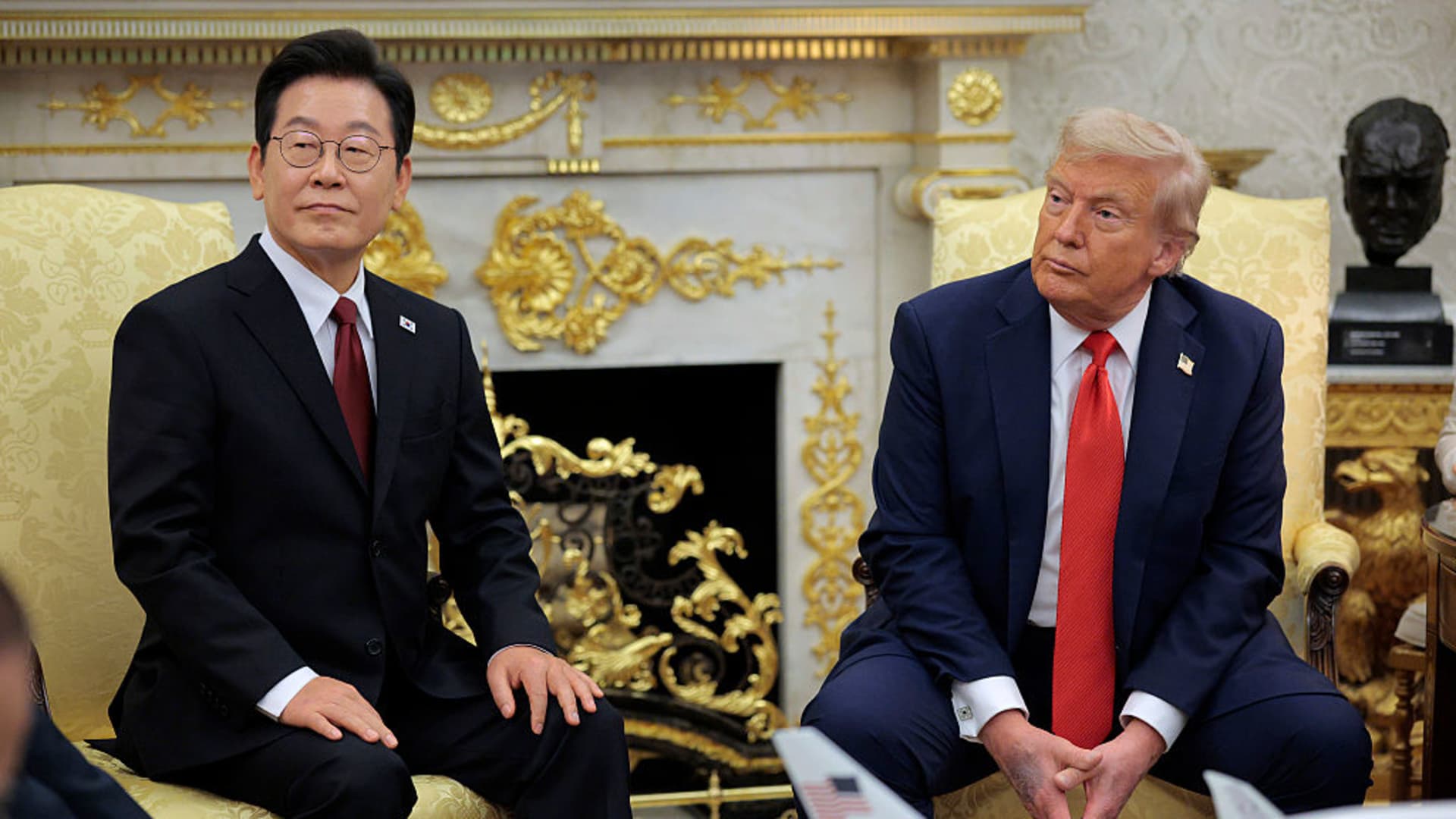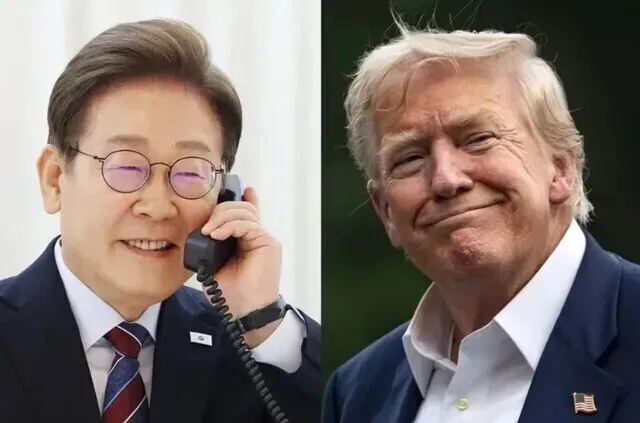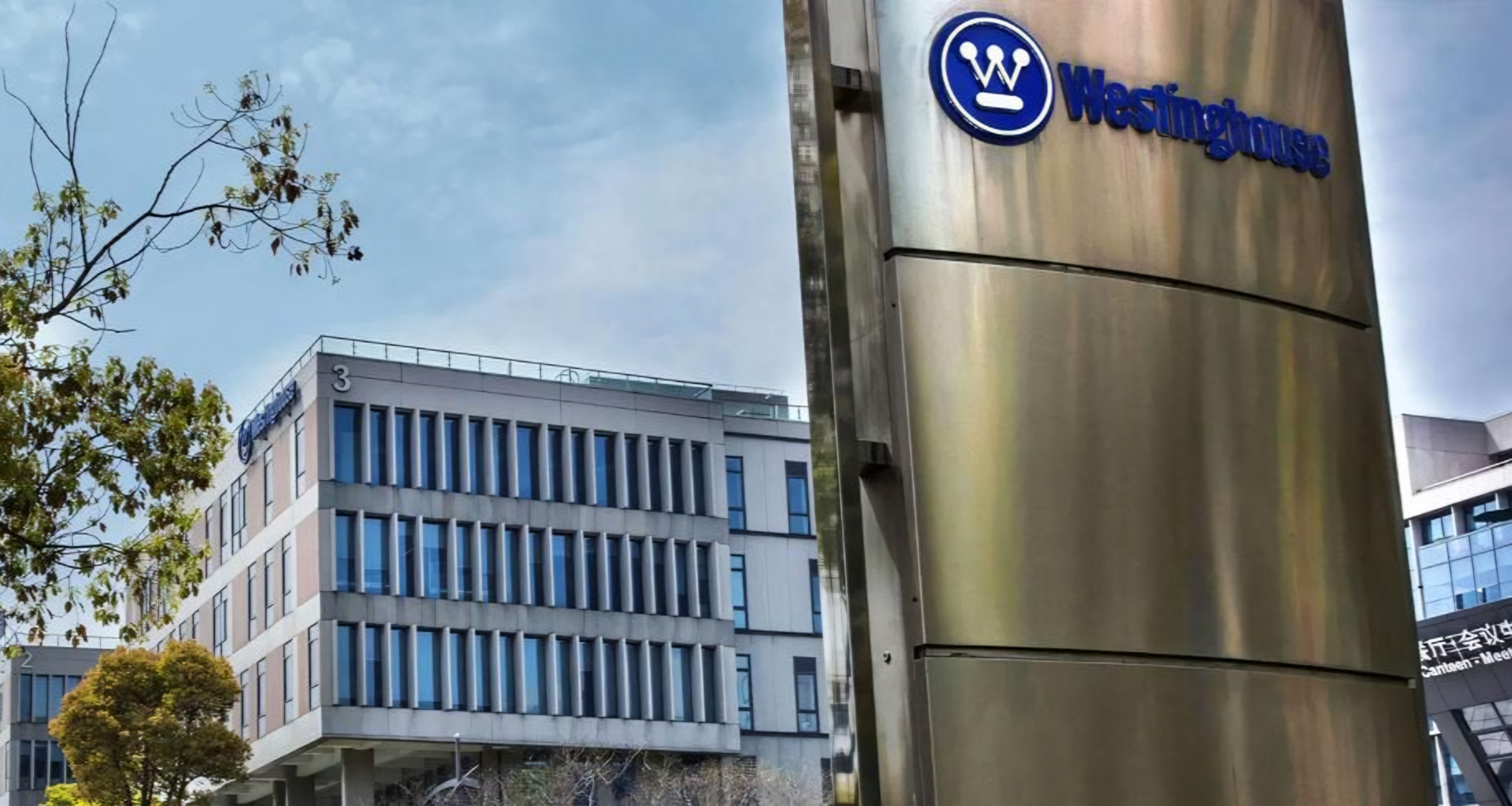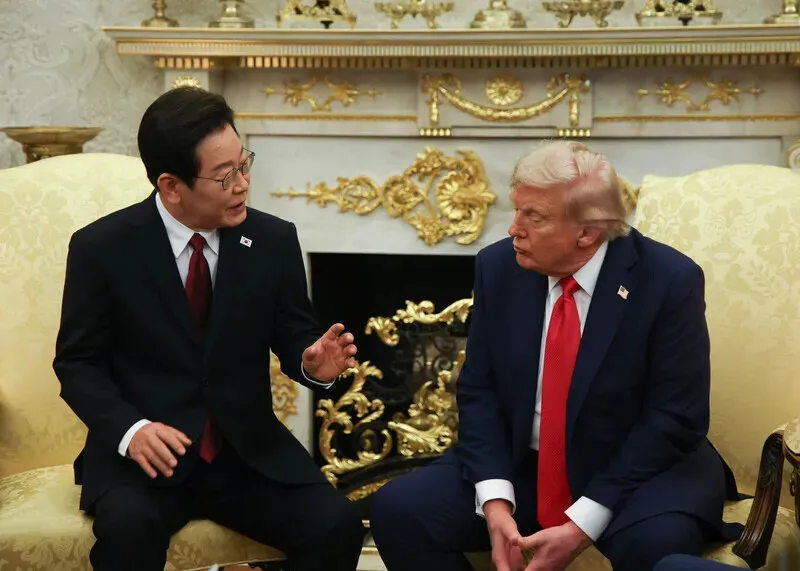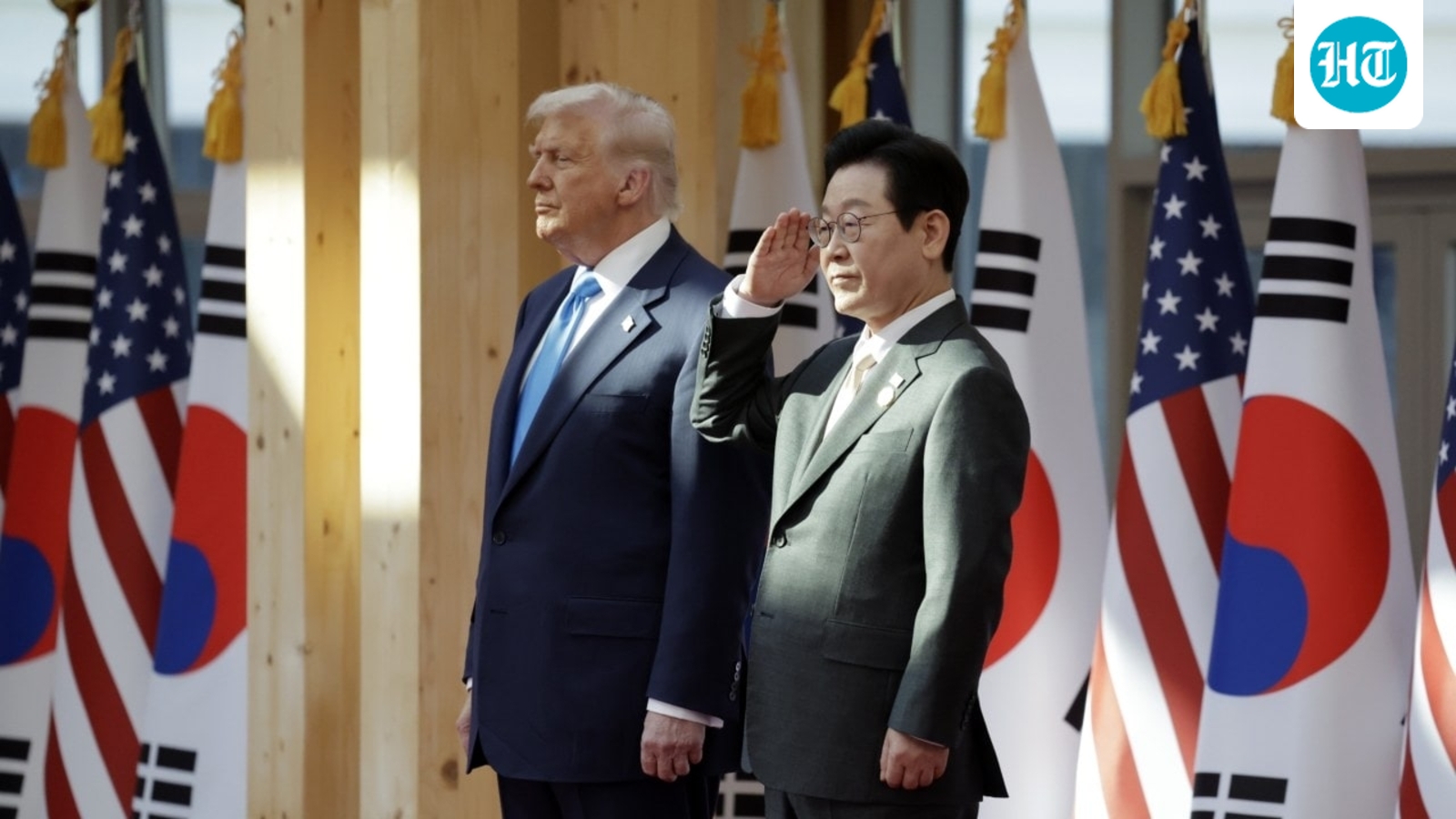
The South Korean government is nearing the announcement of a major energy investment project in the U.S. to support America’s artificial-intelligence build-out, a long-awaited development of the trade deal struck between Washington and Seoul last year.President Trump with South Korean President Lee Jae Myung in South Korea last year.The deal, potentially worth more than $100 billion, envisions South Korea financing the construction of up to eight nuclear power plants and a natural-gas project, according to people familiar with the matter.President Trump and his South Korean counterpart, Lee Jae Myung, reached a pact last October that saw the U.S. lower most tariffs from 25% to 15%, including on South Korea’s automobile sector. In exchange, South Korea pledged $350 billion in U.S. investments, plus another $100 billion for American energy purchases.No projects had yet emerged, drawing ire from U.S. officials, including Trump, who in January threatened to raise levies on South Korea again.Now the two sides are close to finalizing a pair of deals that could be announced as early as next week, the people said.The talks are continuing. Details of the investments could still change, as could the timeline for the announcement.The South Korean government this year created a state-run corporation charged with evaluating potential U.S. investments for their commercial viability. A bilateral investment committee then reviews the projects, which would be financed by South Korean state funds, and makes recommendations to Trump. The investments are expected to unfold over a number of years. South Korea’s outlays, in any given year, are capped at $20 billion per the two countries’ agreement.One project in final-stage negotiations involves the construction of up to eight nuclear reactors in the U.S., which can help provide the energy needed for data-center expansion, the people said. The investments will stretch into the tens of billions of dollars, and possibly surpass more than $100 billion, they added.The precise timeline for the reactors’ construction and their locations haven’t been finalized. It is likely they will be built on land owned by the U.S. government. The first reactors would use American firm Westinghouse Electric’s AP1000 design, some of the people said. The U.S. has two AP1000s.But the two sides have discussed at least some of the reactors being built in the U.S. with APR1400 designs from a South Korean company, Kepco, they added. Both the Korean and U.S. reactors are large enough to power a city.Kepco said it is unable to comment due to the continuing discussions between the U.S. and South Korea. Westinghouse didn’t have immediate comment.Trump has been eager to jump-start construction of large and small reactors. About one-fifth of U.S. electricity comes from nuclear power, though reactor construction has slowed dramatically in recent decades. The U.S. government has made an $80 billion federal push for new Westinghouse reactors, with some funds coming from the trade deal with Japan.Another potential investment, at roughly $20 billion, is tied to a natural-gas power plant in Texas, which would power AI data centers, according to people familiar with the matter.Should the deals proceed as planned, South Korea is prepared to make an initial seed payment of more than $2 billion before the end of the month, some of the people said.The White House declined to comment. South Korea’s trade, industry and resources ministry said no decisions have been made regarding U.S. investments.The deal would hand Trump a splashy achievement from last year’s tariff blitz. In more than a dozen deals, trading partners such as South Korea, the European Union and Japan agreed with the U.S. to a mix of trade concessions, state-backed investment and market access in return for lower tariffs.After striking their trade pact with South Korea last October, Trump threatened to revive the 25% tariffs after months of inaction by South Korea’s legislature to approve the deal. South Korean lawmakers approved the pact in March.Of the $350 billion pledged by South Korea, some $150 billion is earmarked for U.S. shipbuilding. Trump, at the recent Group of Seven summit in France, asked Lee if South Korea could help quickly build 10 U.S. warships.The remaining $200 billion could go into strategic industries such as semiconductors, nuclear energy and biopharmaceuticals.South Korean officials have stressed that the country’s potential nuclear-energy investments could help the U.S. create a domestic supply chain to meet its rising power needs as well as foster an export market for reactors.Write to Timothy W. Martin at Timothy.Martin@wsj.com, Gavin Bade at gavin.bade@wsj.com and Jennifer Hiller at jennifer.hiller@wsj.com
South Korea nears agreement on billions in U.S. investments, a win for Trump
The potential deals, which could include large investments in nuclear energy, are part of last year’s U.S.-South Korea trade deal. | World News
737 words~3 min read