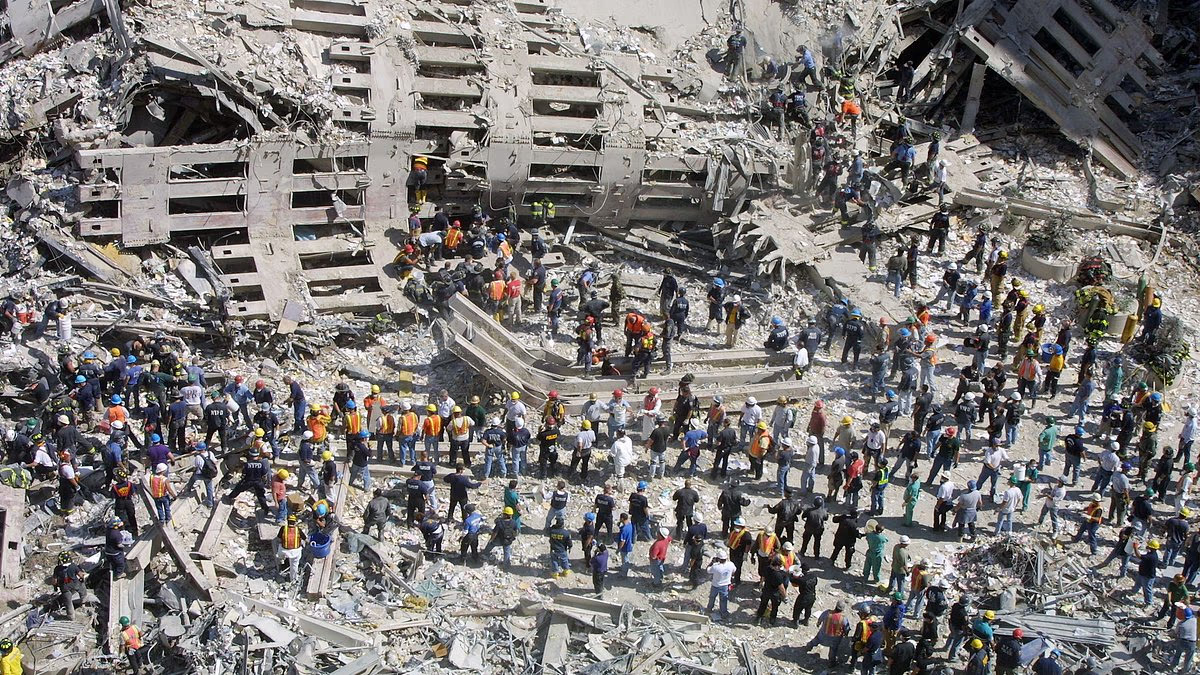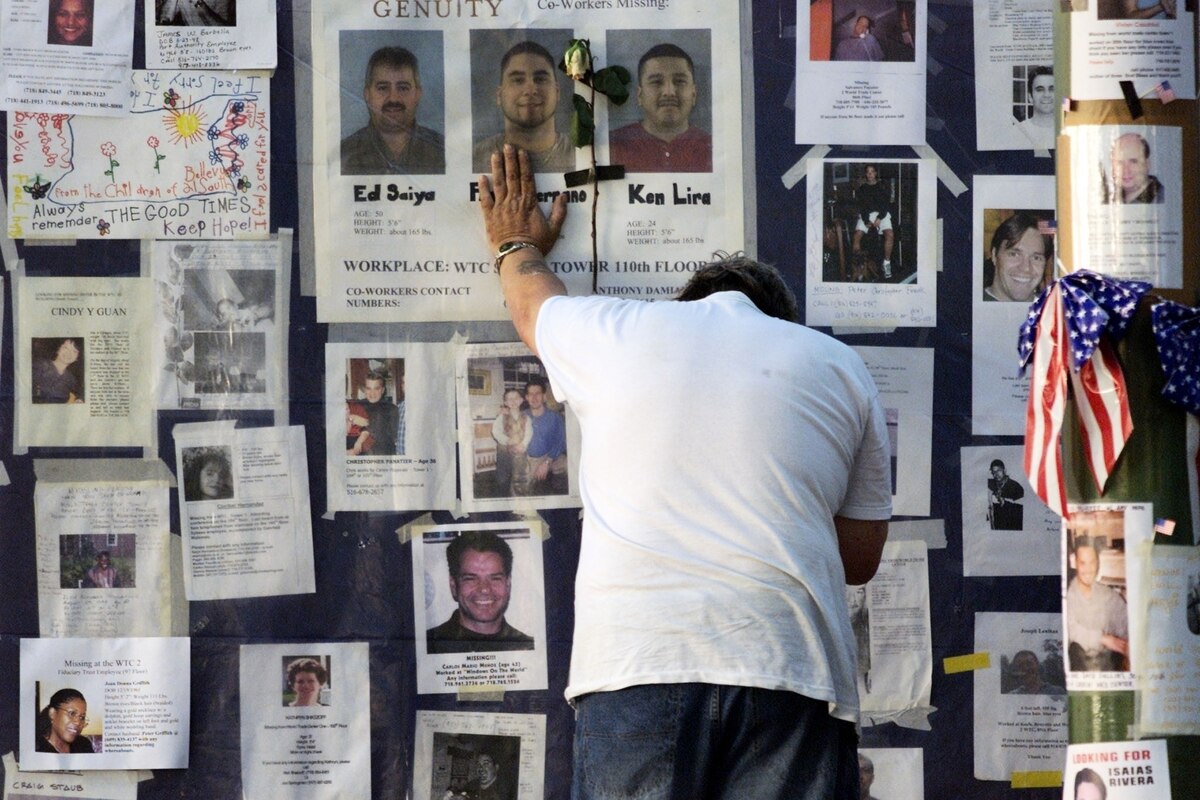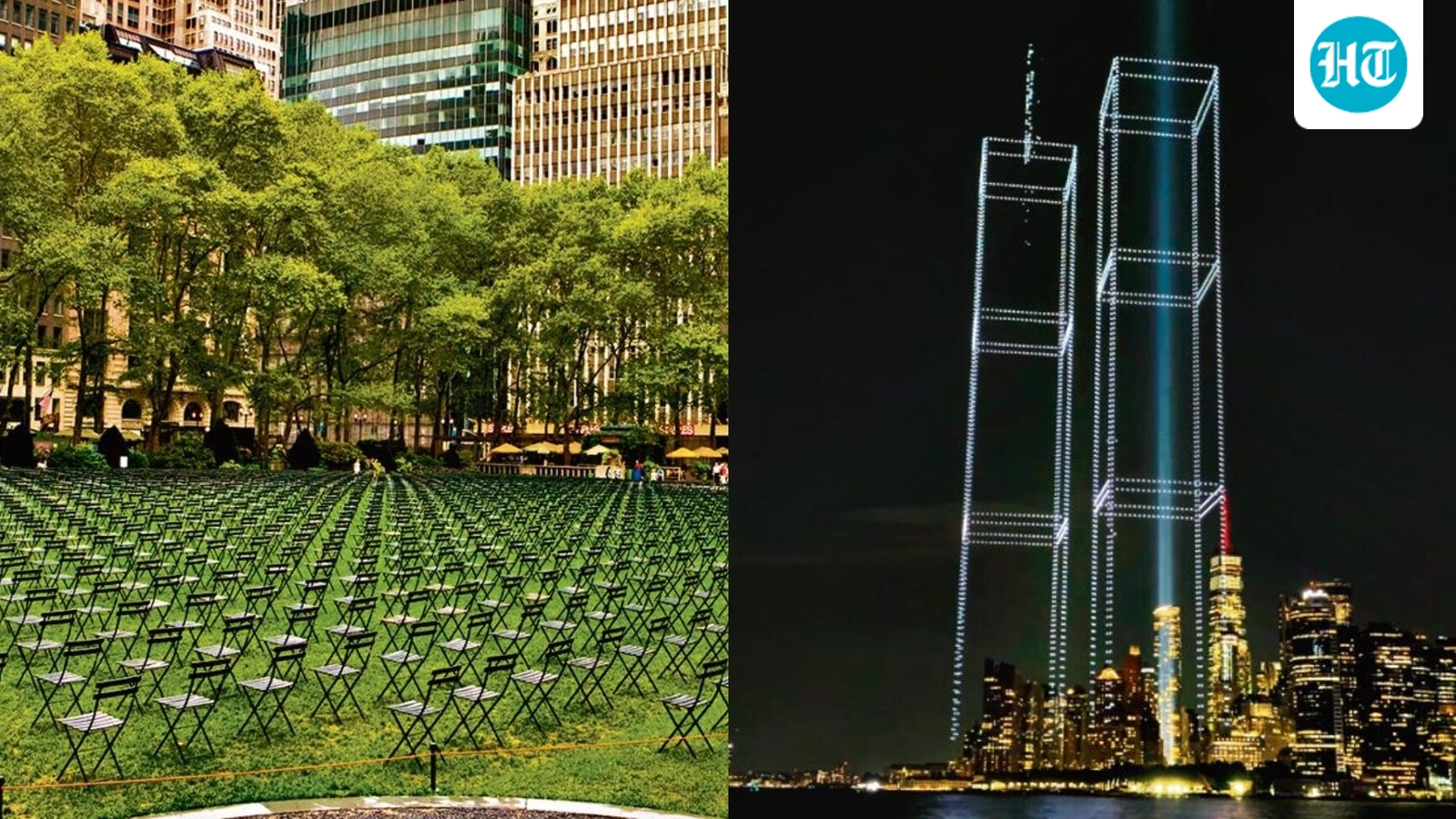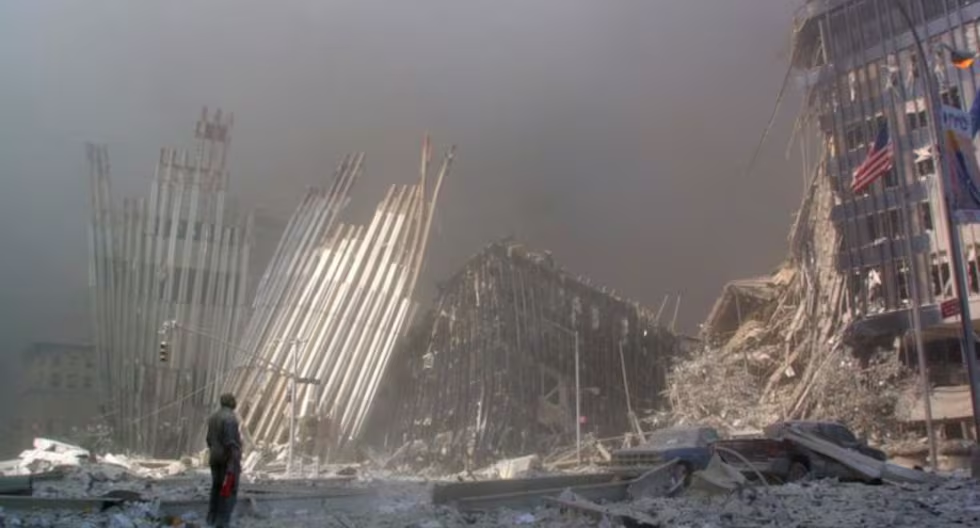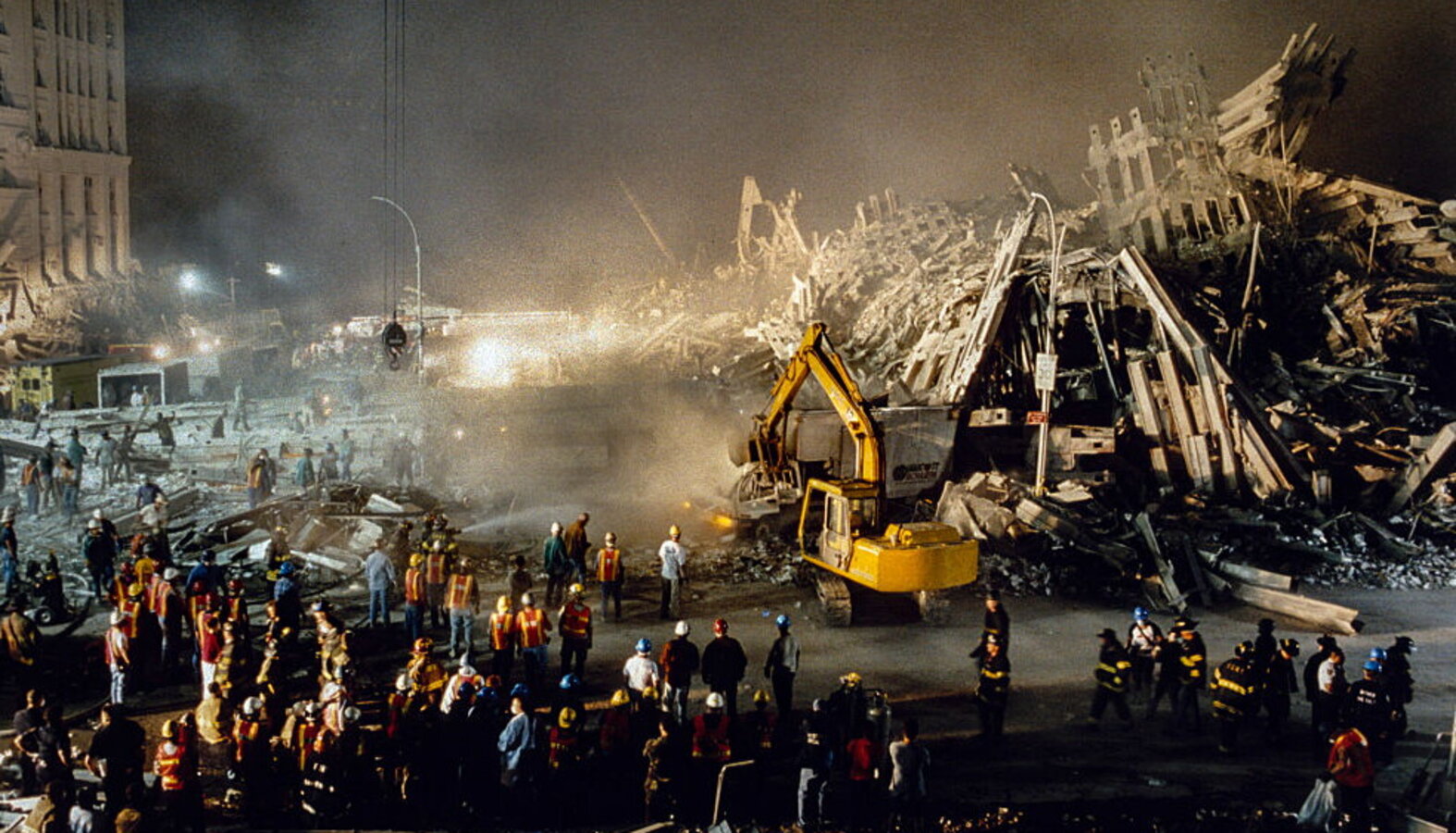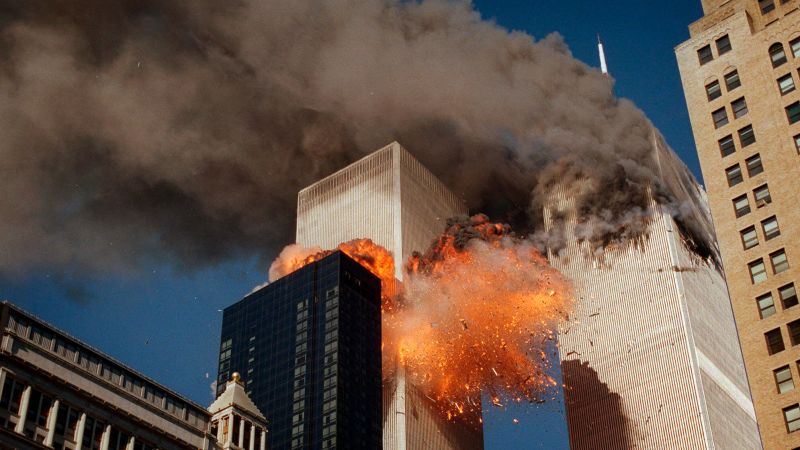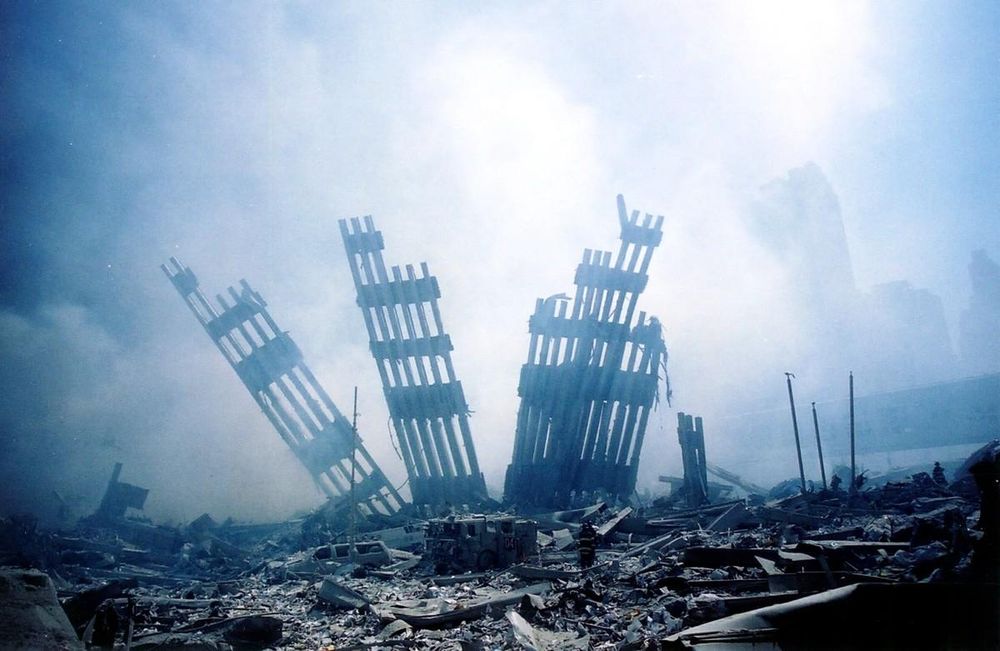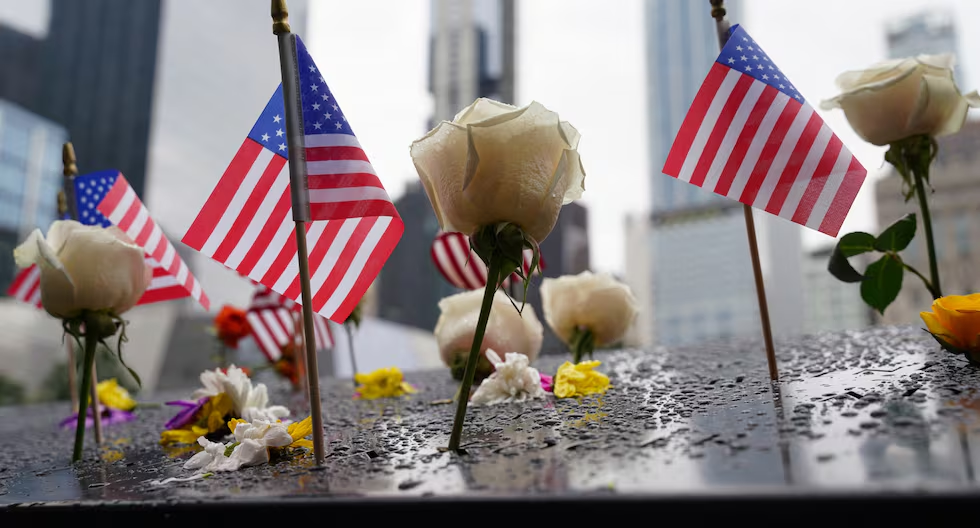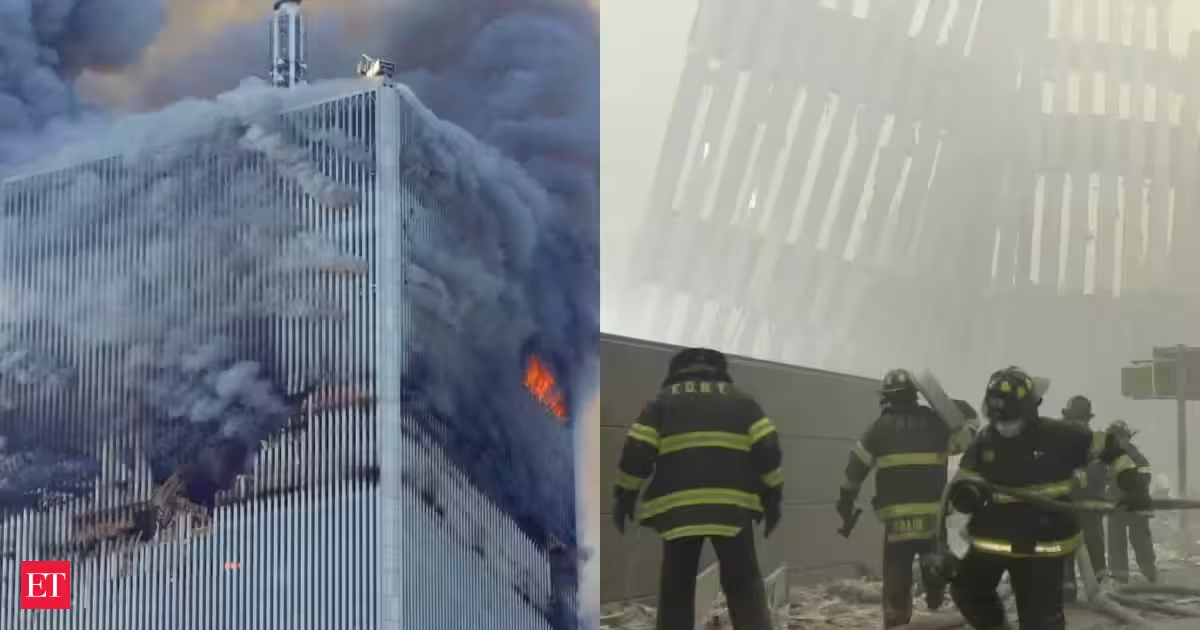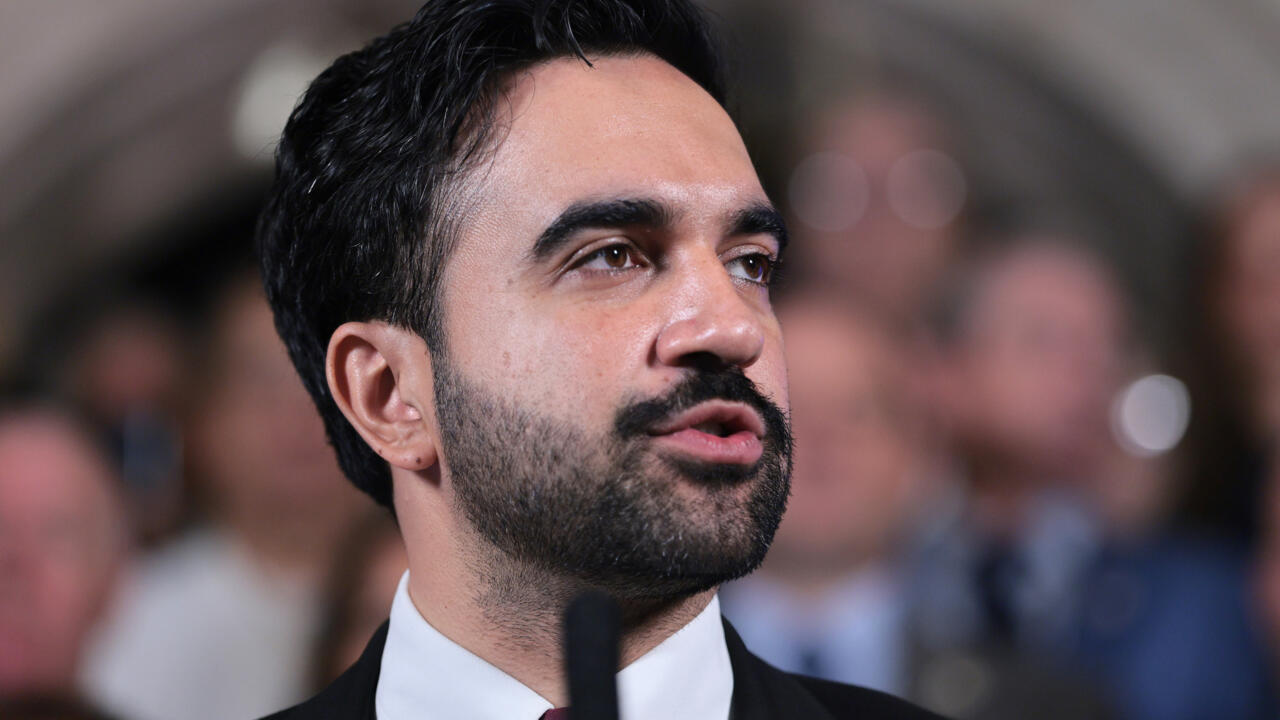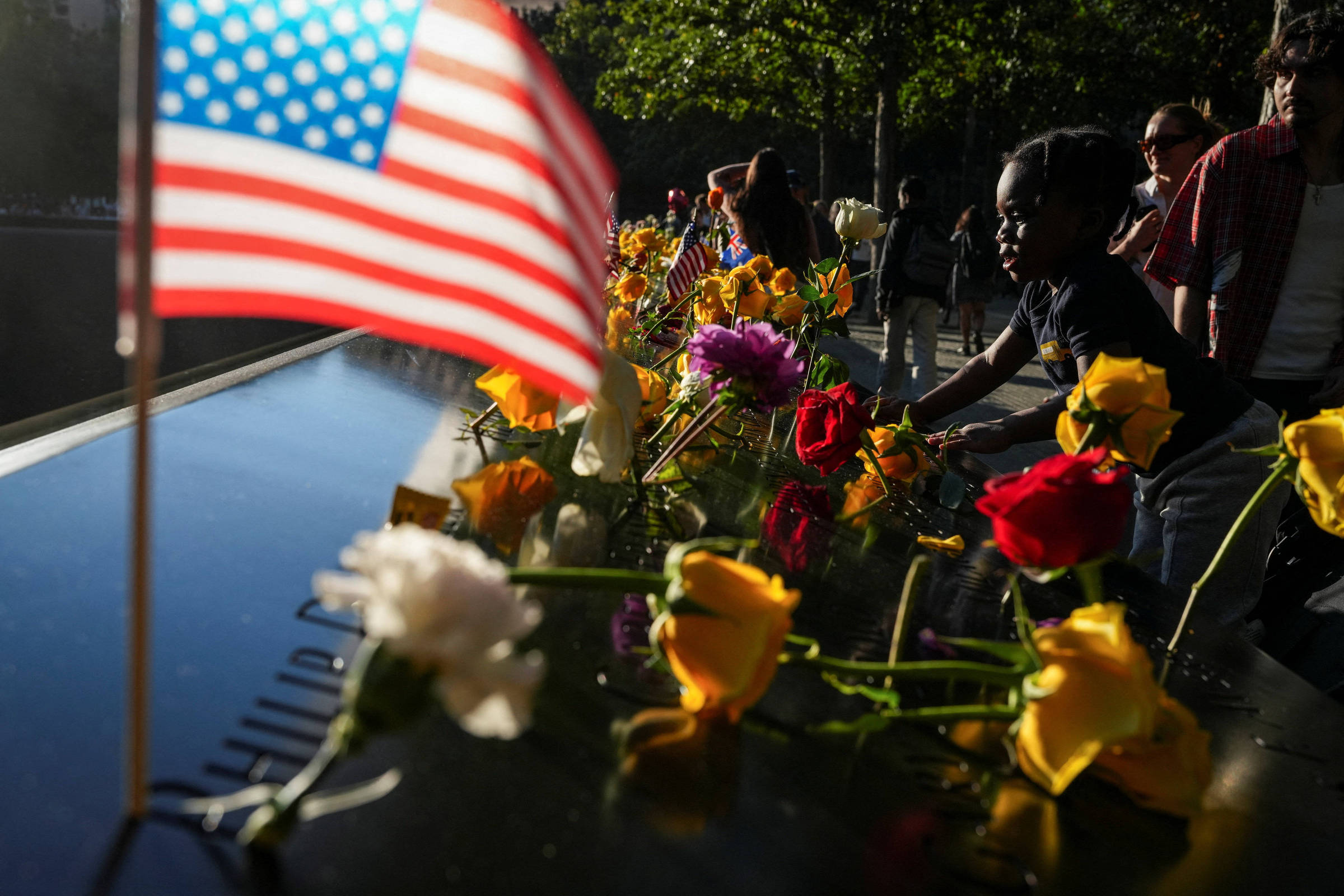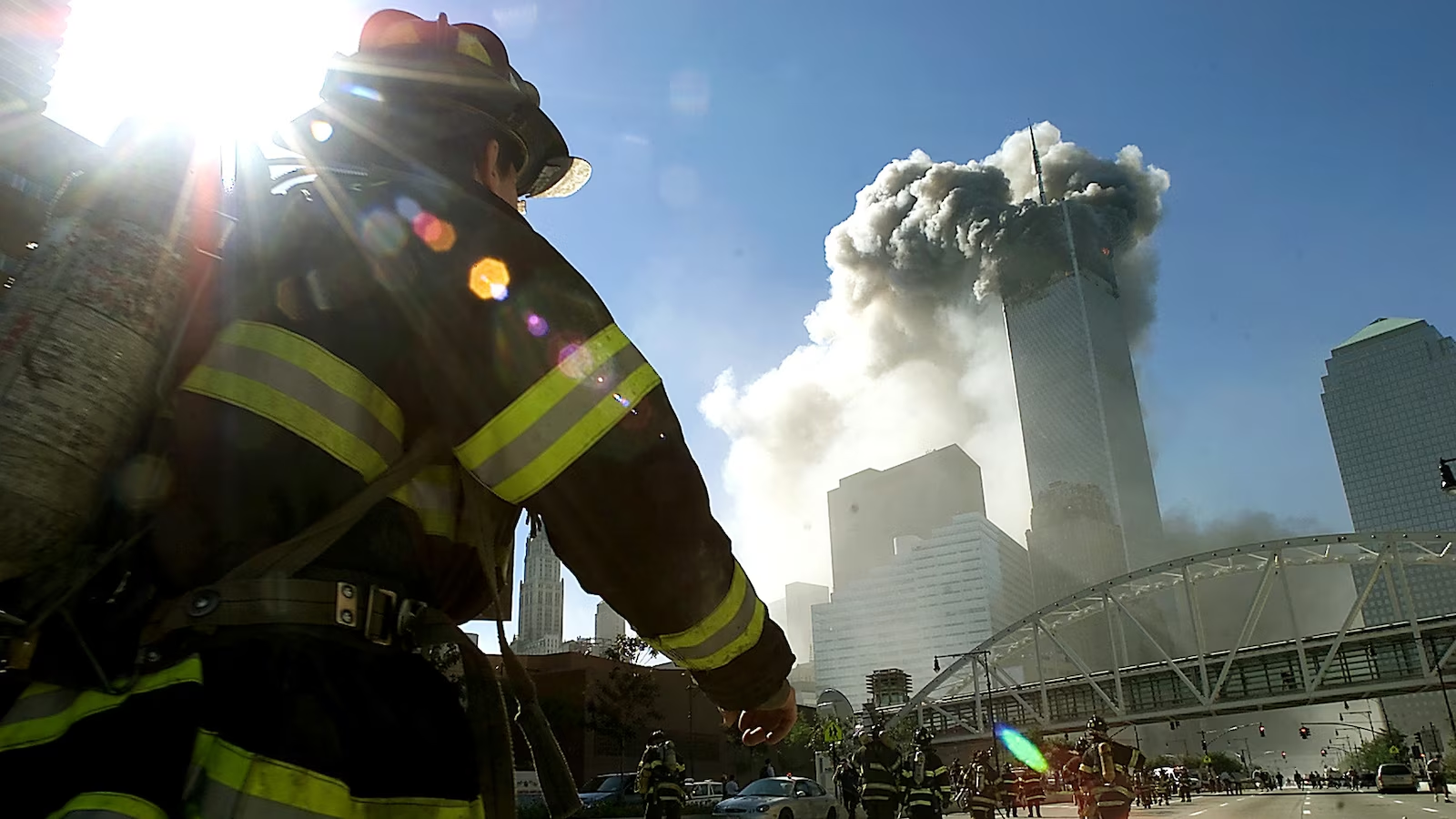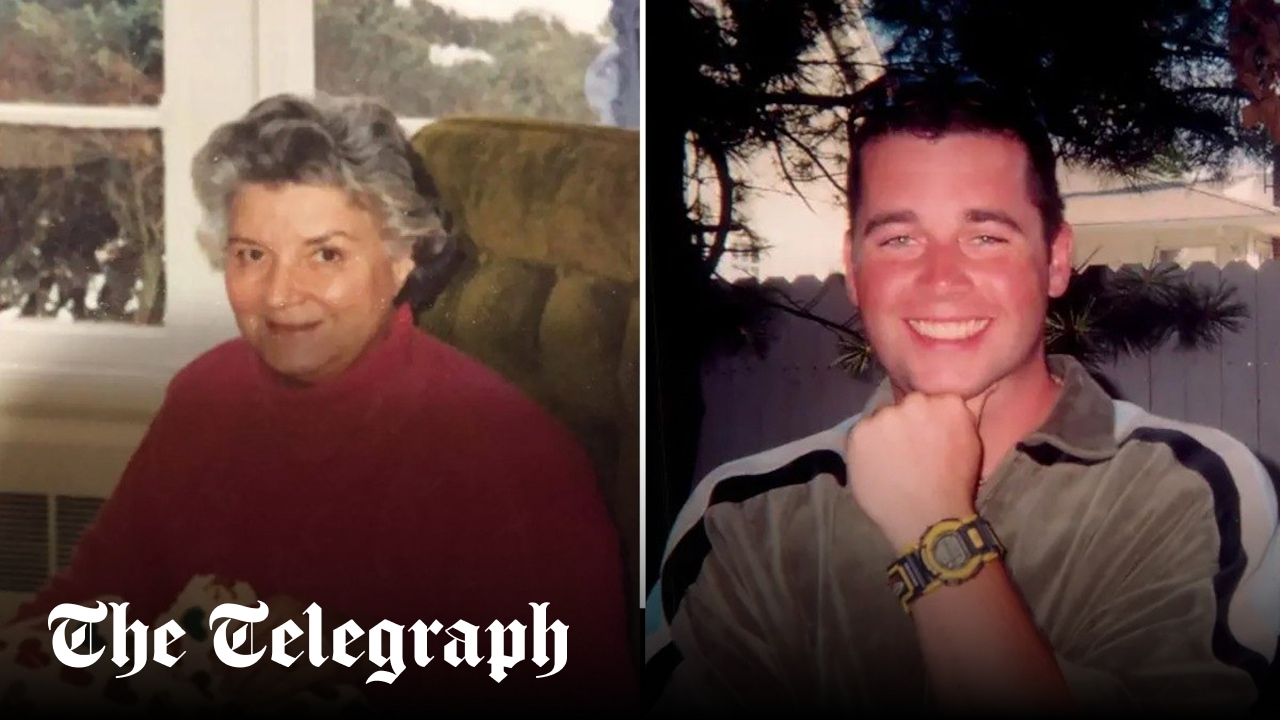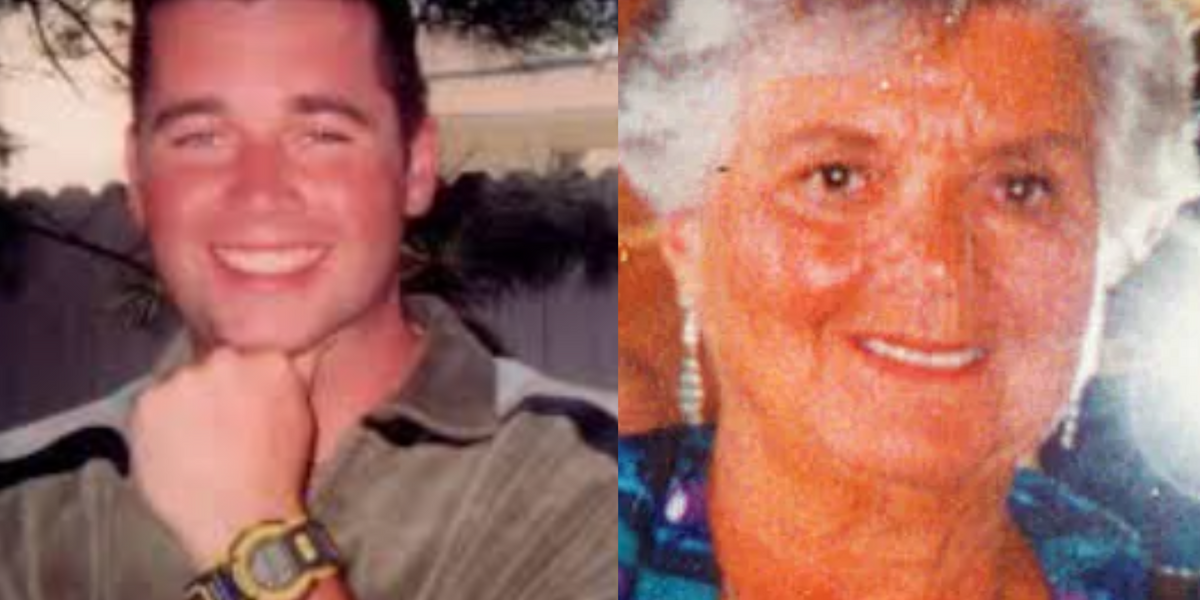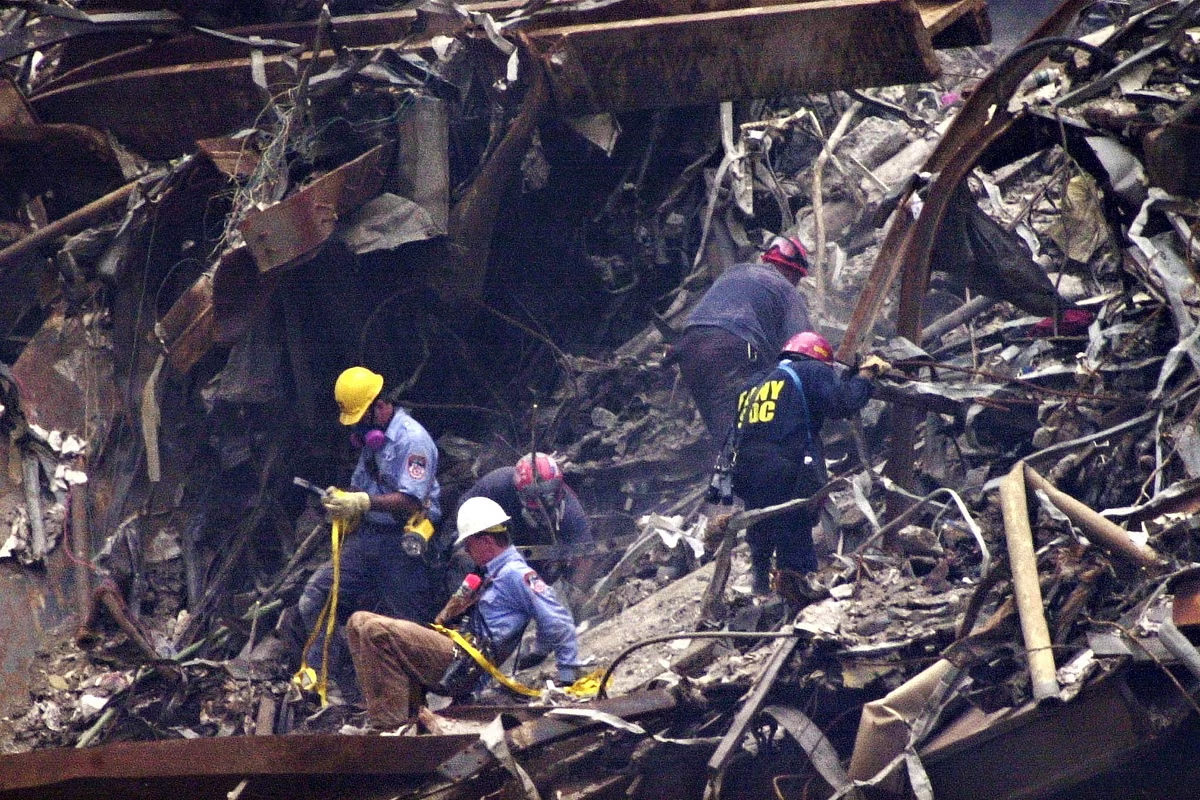
Forensic scientist Lydia de Castro recently read about a breakthrough at the largest crime scene investigation in American history and felt a sense of pride.On August 24, the 1,654th person was formally confirmed to have died in the September 11, 2001, attacks by her former colleagues at the New York Office of the Chief Medical Examiner.It came just weeks before the 25th anniversary of that dark day when terrorists hijacked passenger planes and two jets crashed into the Twin Towers of the World Trade Center.“That to me is a testament to not stopping,” de Castro said told The Independent. At the time of the attacks, she was working as a senior supervisor in the medical examiner’s forensic biology department and ended up overseeing vital lab work to identify victims.“It’s been 25 years. And there are people who don't know the effort that went into the recovery,” de Castro added. The 1,654th victim, a woman, was not publicly identified at the request of her family. But other families have shared details of the phone call - along with the flood of relief and heartbreak - when it was confirmed beyond doubt that their loved ones were dead, even years later. A man stands in the rubble, and calls out asking if anyone needs help, after the collapse of the first World Trade Center Tower 11 September, 2001, in New York. The New York City Office of the Chief Medical Examiner is still working to identify victims of the 9/11 terrorist attacks 25 years on (AFP via Getty Images)“I couldn't even talk, I had to hang up the phone,” Diane Parks, mother of 26-year-old victim Ryan Fitzgerald, said after his death was confirmed last year. The medical examiner’s office had finally been able to match a fragment of bone from Fitzgerald’s arm with a DNA cheek swab sample from his younger sister, Caroline Ryan Parks. “I couldn't believe it, that they found a piece of my son,” his mom said. Fitzgerald was one of three people identified last August using advanced DNA technology. He worked as a foreign currency trader at Fiduciary Trust International on the 97th floor of the South Tower. But even after getting that confirmation, questions remain. “I always thought he probably never made it down and now I wonder how far down he made it,” Elizabeth Parks, Fitzgerald’s sister, added.For Charles Wolf, the belief that his wife, Katherine, likely died instantly is a small source of comfort, he told The Independent. Katherine Wolf, 40, was working on the 97th floor of the North Tower when the plane struck between the 93rd and 99th floors.Charles Wolf pictured with his late wife Katherine Wolf, a British citizen, who was working on the 97th floor of the North Tower on September 11, 2001. ‘Nobody got out above the 91st floor,’ he said (Family handout)Wolf, pictured kissing his wife Katherine’s name on the bronze parapet. He considers the 9/11 Memorial Pool her final resting place, he told The Independent (Getty)“We need to thank God that they didn't have to make the decision to jump or burn to death,” Wolf recalled saying at a gathering of fellow bereaved families.September 11 claimed the lives of 2,753 victims at the World Trade Center in lower Manhattan. Another 184 people died at the Pentagon in Washington D.C., and 40 people in Shanksville, Pennsylvania. In all 2,977 victims died including passengers on the planes, first responders and civilians. Thousands more have died in the years following, from illnesses related to air quality at the scene. Medical examiner’s team on the scene as the towers fellSoon after the first plane hit the North Tower at 8:46 a.m., the NY medical examiner’s office was on the scene to set up temporary morgues. Some of the team nearly died in the process.Mark Desire, now assistant director at the ME’s office, and forensics expert Brian Gestring, raced downtown, arriving before the towers collapsed. The pair found themselves in the “kill zone,” Desire recalled during an event speaking to college students to commemorate 9/11 last week.Desire recalled walking in single file along the base of the North Tower when he was almost hit by something falling from the sky. The immediate aftermath of the attacks. Soon after the first plane hit the North Tower at 8:46 a.m., the NY medical examiner’s office was on the scene to set up temporary morgues. Some of the team nearly died in the process (Getty Images)Mark Desire, assistant director at the NY medical examiner’s office, nearly died at Ground Zero after rushing to the scene with colleagues to recover victims (ANGELA WEISS/AFP/Getty Images)“I'm looking up at this, I'm like, ‘Look, that's not debris,’” he said. It was a young man, likely in his late 20s, with dirty blonde hair and blue eyes, wearing a white button-down shirt, Desire recalled.“And I'll never know if it was the smoke and the flames, if it was the wind rushing past his face, or maybe just the fact he knew he was done,” Desire said. “He wasn't going to see his friends or his family ever again, but I could see the wetness coming back from his eyes. That's how close he was, and now he was dead at our feet.” Desire then noticed firefighters “screaming” at his team to move as people fell or jumped from the flaming buildings.When the South Tower collapsed, Gestring was hit in the back of the head by debris and knocked unconscious, and Desire was peppered with “bullet-like” fragments of rubble. Somehow they survived as the tower came crashing down.Rescue workers sift through the debris ion September 22, 2001. In total, 21,905 remains were recovered from the World Trade Center site. The medical examiner’s office has identified 14,968 of them, with 6,937 still unidentified (AFP via Getty Images)Forensic biologist Lydia de Castro, pictured in 2003, worked at the New York Office of the Chief Medical Examiner for more than 20 years. For three years, she worked solely on supporting the monumental effort to identify victims of the terrorist attacks (Lydia de Castro)In the stunned days that followed, identifications began to be made at the medical examiner’s office morgue.There were bodies but a lot of remains consisted of limbs, bone fragments and pieces of soft tissue, such as muscle and skin.“You had a few tables that had full bodies for those that had remained intact,” de Castro said. “But those again were pre-collapse of the towers. And then post-collapse you had something different.”Most victims were identified in the four years after the attacks. By April 2005, the medical examiner had identified 1,592 out of 2,753 people.In total, 21,905 remains were recovered from the World Trade Center site. The medical examiner’s office has identified 14,968 with 6,937 remaining. And I'll never know if it was the smoke and the flames, if it was the wind rushing past his face, or maybe just the fact he knew he was done. He wasn't going to see his friends or his family ever again, but I could see the wetness coming back from his eyes. That's how close he was, and now he was dead at our feet.Mark Desire, assistant director at the Medical Examiner’s officeIn the aftermath of the attacks, some remains were taken directly to the ME’s Midtown Manhattan facility. But due to the sheer scale of the cleanup operation, 1.4 million tons of material from Ground Zero, including steel girders, rubble and concrete, were transferred to Fresh Kills, a landfill site on Staten Island. Many families were deeply upset that their loved ones’ remains could have been part of the material sifted at a landfill.While 9/11 identifications have slowed, and the investigation has stop-started over the years as scientists waited for technology to catch up, a dedicated team has remained on the case full-time. What they are examining most of the time is the most minuscule of bone fragments, which can be hard to distinguish from pieces of concrete and debris.The woman who was identified in August was the first breakthrough in 12 months after a technique often implemented to solve murder cold cases was used for the first time to identify a 9/11 victim.The day of September 11, 2001Lydia de Castro, now director of forensic sciences at Westchester County’s Department of Laboratories & Research, began working at the NY medical examiner’s office in 1999 and stayed for two decades. Between 2001 and 2004, she worked solely on 9/11.Her team took tissue samples from remains and she was responsible for overseeing documentation and storage as the complex investigation progressed. At one point, she gave lab tours to grieving families to show them their work.The work was done “quietly and without fanfare” with an “unwavering determination to help families find their loved ones,” she said.It was also de Castro’s job to train new analysts. Under her supervision, the analysts would take samples from blood, skin, saliva, semen, or other tissue to create a DNA profile that could later be compared with a relative’s DNA, or other records, to find a match.Missing persons posters pictured on a wall outside Saint Vincent’s Hospital in August 2002. There are some 1,099 victims of the September 11 attacks whose families are still waiting for the phone call that they have been identified (Getty)On the day of September 11, she was on the train from her home in Westchester County to Manhattan, when she heard a news report on the radio. “I was listening to a Sony Walkman radio and I heard the announcement. And all it said was, ‘Plane crash, World Trade Center.’” By the time she arrived in Midtown, information was still limited. “Before the buildings fell, we knew that there were people who, at some point, started to jump,” de Castro recalled. “There were going to be people who were deceased.”Colleagues were already in vans and driving to the World Trade Center site, three miles downtown. “I saw the second tower collapse from our office building,” de Castro recalled.De Castro took charge of some entry-level staffers, just two days into the job. They were assigned as “runners,” taking samples from the basement morgue up to the sixth-floor lab.“So I gathered them together,” de Castro recalled. “I said, ‘All right, we're going to gown up. We're going to go downstairs, and we're going to take a look and see. And you need to tell me if this is something you can do.’”Some of them were unable to face it and were reassigned to other casework, she said. Forensics experts never stopped workingSome of the 9/11 remains had been subjected to incredibly hostile conditions which damaged the DNA. There was fire, water used to put out the flames, chemicals inside the buildings and jet fuel. At the site of the planes’ impact, temperatures reached 1,800 degrees Fahrenheit, and debris burned for three months.A lack of technology made dealing with the scale and complexity of the scene even more challenging. “Everything was manual extraction. We didn't have a barcoding system to help us with tracking thousands of samples coming from Ground Zero,” de Castro said. At one point, she made a trip to a nearby office supplies store to buy logbooks to keep notes in those first few hours. “But we realized, especially after the buildings fell, that we couldn't do all of this by hand,” she said. Behind this wall in the 9/11 Museum lie the remains of some of the unidentified victims. A woman recently became the 1,654th person formally confirmed by the New York Office of the Chief Medical Examiner to have died in the September 11, 2001, attacks, 25 years later (Getty Images)Faced with the overwhelming task, de Castro recalled what Dr. Charles Hirsch — the chief medical examiner who also rushed to the scene — had said to the team soon after the towers had been hit. “He said: ‘This was an attack on New York, and these cases are ours.’” De Castro supervised Bianca Brandon and Sheila Estacio Dennis, forensic scientists who worked night shifts. For four months after 9/11, the medical examiner’s office was receiving victims’ remains “basically 24/7,” Brandon and Dennis said at the commemorative symposium last week. There was so much to be done, some work was outsourced to private labs.“We were just in the laboratory, criminalists just doing our testing, and then when we receive remains and see these fragmented remains, we're like, ‘I don't understand how this happened or what we are seeing on a daily basis,” Brandon said.We found him, but it was so small. I gave him back a tube, and he was just so grateful to receive that tubeSheila Dennis, forensic scientist Dennis recalled the personal toll of being faced with so much loss. “I'd receive things and I'm like, ‘I don't understand how this is muscle.’ I had to really deal with my emotions.” She remembered a man who would often visit the medical examiner’s office in the hope of an update about his brother. Within two years, the scientists had matched the man’s brother with some remains.“We found him, but it was so small,” she said. “I gave him back a tube, and he was just so grateful to receive that tube.” The forensics experts also told how difficult it was to differentiate the remains, particularly bone fragments, from debris from the buildings.A casket is transferred to the ME’s repository at the 9/11 Museum in 2014. It is where unidentified and unclaimed remains lie in peace and is not open to the public (AFP via Getty Images)“If you recall that at the top of the World Trade Center, there was a restaurant [called] Windows of the World, so you had to make sure when you were looking through the remains to discern between human and non-human, and also cement, because everything had an ash color,” Dennis said.How scientists match victims with remains todayToday, investigators are mostly analyzing small bone fragments. The fragments are placed in a chamber containing liquid nitrogen to make them more fragile so they can be ground into fine powder to unlock cells containing DNA. Heat and chemicals are added to the cells before they are analyzed by a machine to link the bone fragment to a DNA profile in the database.Last month’s breakthrough came from working with the NYPD’s Investigative Genetic Genealogy Squad, a group of investigators specializing in finding potential DNA matches. “A quarter century after the day that forever changed our world, we are keeping the promise to identify those who died at the World Trade Center in 2001 and return them to their loved ones,” said chief medical examiner Dr. Jason Graham.Some loved ones of the 1,099 victims still unidentified might receive that phone call one day. Charles Wolf is likely not one of them.The ME’s office has been discovering evidence and remains years on. In April 2013, experts found a fragment of one of two airplanes that slammed into the World Trade Center (pictured) (AFP via Getty Images)His wife Katherine, an accomplished pianist from the Welsh town of Swansea, was just one week into her new job as an executive assistant of insurance firm Marsh & McLennan when the attacks happened. “I kissed her goodbye at 8:06 that morning and never heard from her again,” Wolf told The Independent during a visit to the Memorial Pools in lower Manhattan in the footprints of where the towers once stood. His late wife’s name is one of hundreds inscribed on the bronze parapet that lines the memorial. “Nobody got out above the 91st floor,” he said. “They never knew it was coming, and none of them in her office area ever knew it even happened.” For 72-year-old Wolf, a New Yorker who married Katherine in 1989, this sombre fact brings a sliver of comfort. “All I can say is, thank God I didn't hear from her again, because that way I know that if she never knew what happened, [there was] no fear and no pain.”He described the towers as “the world’s tallest funeral pyre,” and considers the 9/11 Memorial as her grave. It’s a place he described as “beautiful,” and where he goes to remember her. “They did do a lot of work, and I'm very appreciative of it,” he said.Wolf, who has devoted much of the past 20 years advocating for families of the 9/11 attacks, said he visits the site every few months. When he does, he plants a kiss on his wife’s name. “This is their final resting place,” he said. “So this is a cemetery.” All of the victims’ families also have access to the Reflection Room within the 9/11 Museum. Next door, at the bedrock of the site, lies the medical examiner’s repository of unidentified and unclaimed remains. Neither the Reflection Room nor the repository is open to the public. De Castro is one of few people who has been inside. “I find it to be very beautiful,” she said. “So knowing that even if they can't be identified, that they have a resting place that is respectful…I at least hope the families have seen it and believe it to be. I think it's fitting in the absence of being able to identify all of them at some point.”When she reflects on the significance of the medical examiner team’s work, 25 years on from the attacks, de Castro takes a long pause. “In the early days after 9/11 and all the families were looking for their loved ones, you had all of these pictures [of the] missing outside of the buildings…yet New York was moving and doing what it needed to do. I remember feeling fierce pride in who we were and what we represented,” she said. “And so from a distance, I'm so grateful that I just had the opportunity to do such important work.”
25 years after the Twin Towers fell, NYC is still identifying 9/11 remains
While many families know their loved ones were killed on 9/11, they have never received remains. The dedicated team at the New York Office of the Chief Medical Examiner is still searching, 25 years on. Rhian Lubin reports
2,962 words~13 min read