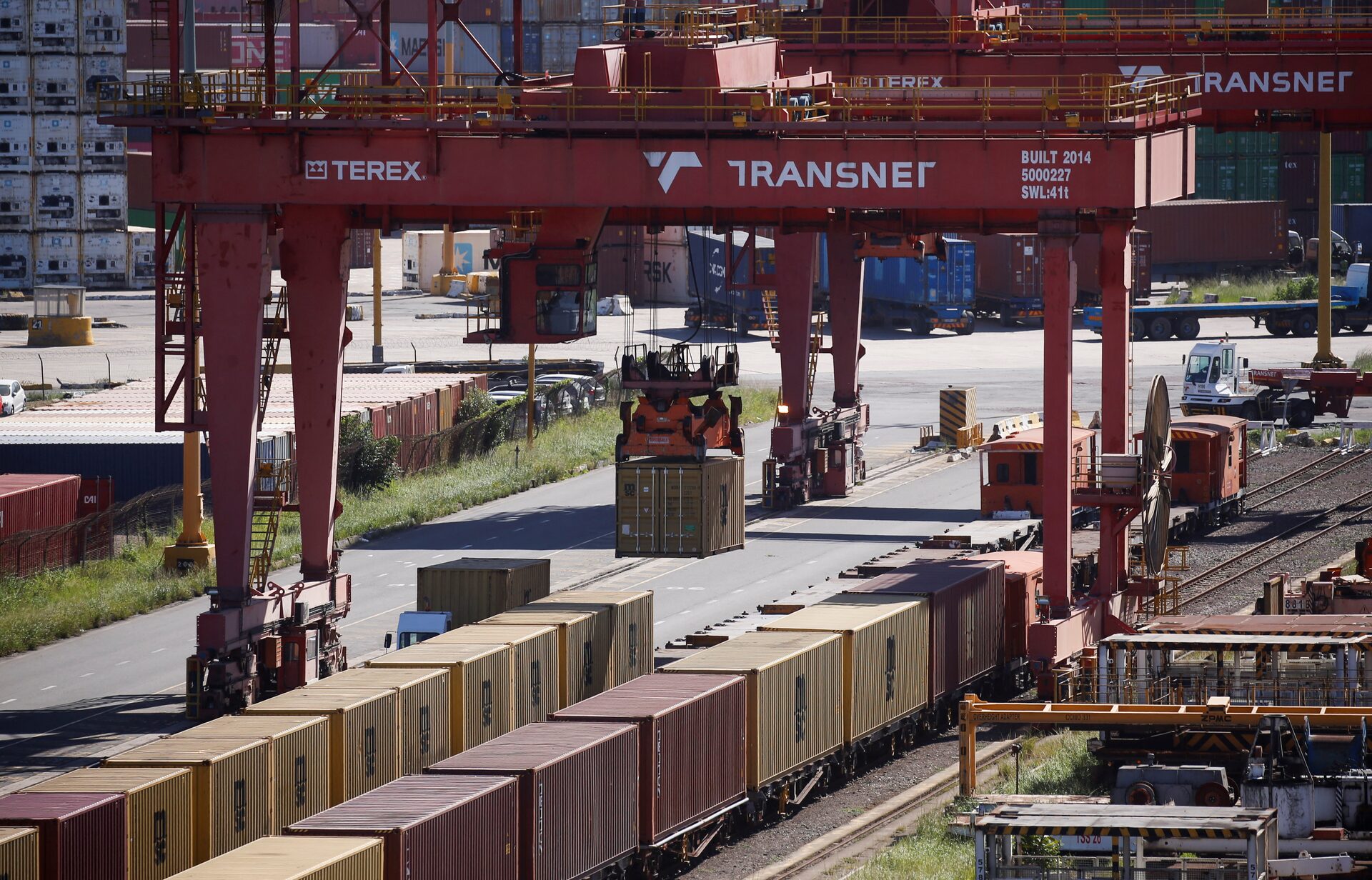
South Africa’s current account swung into a deficit in the second quarter of 2026 after six months of surplus, as surging oil and petroleum import costs eroded the country’s trade surplus, according to data from the South African Reserve Bank (SARB).
The current account deficit stood at 2.6 percent of Gross Domestic Product (GDP) in the April-June quarter, reversing a surplus of 2.3 percent of GDP in the first quarter and 0.6 percent in the fourth quarter of the previous year.
In absolute terms, the deficit reached R205.5 billion ($12.81 billion), compared with a surplus of R181.6 billion ($11.32 billion) in the previous quarter.
The sharp deterioration was driven largely by a contraction in the trade surplus, which fell to R146.4 billion ($9.13 billion) from R428.8 billion ($26.73 billion) in the first three months of the year.
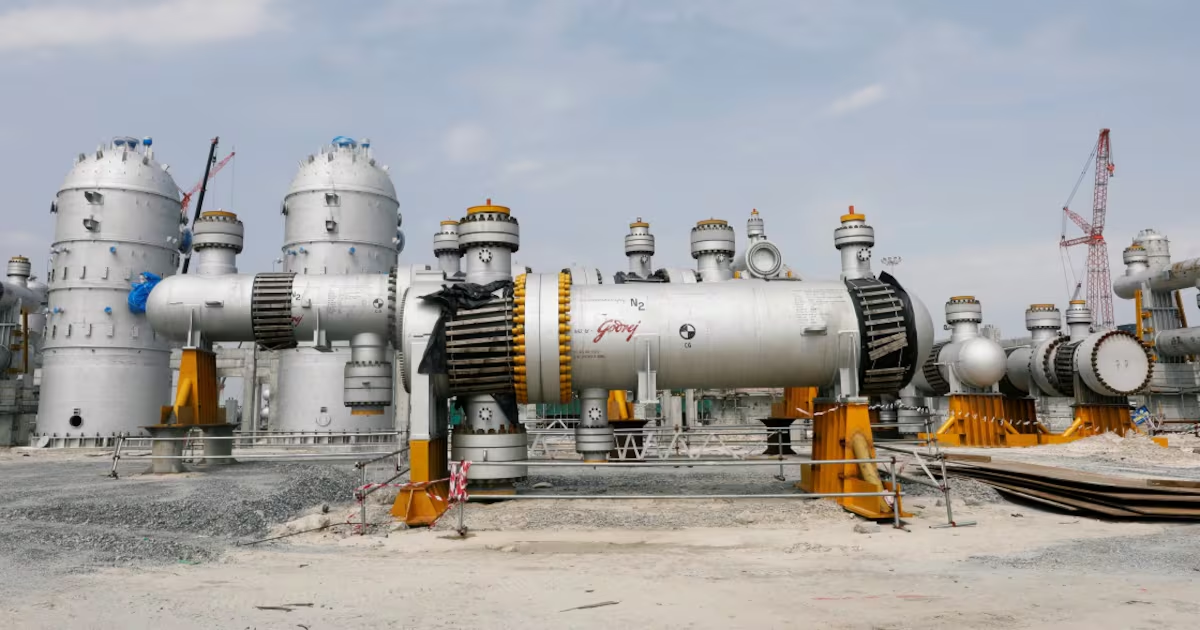
The SARB attributed much of the pressure to a sharp increase in the cost of crude oil and refined petroleum imports, citing “heightened supply concerns related to the ongoing war in the Middle East”.