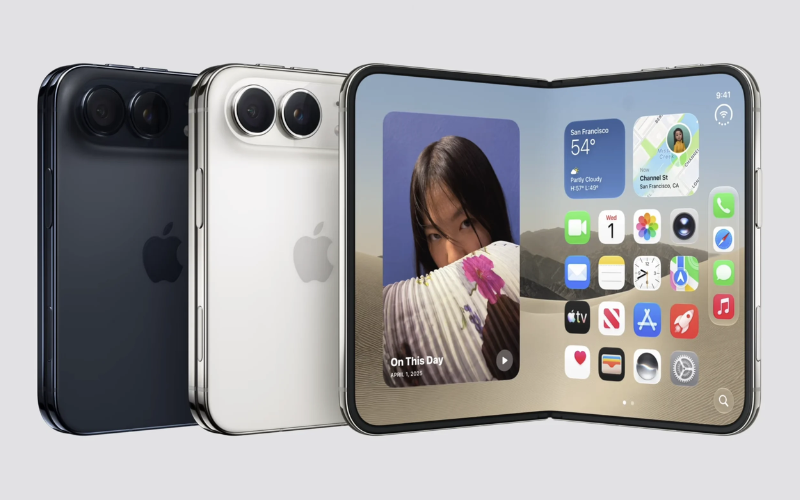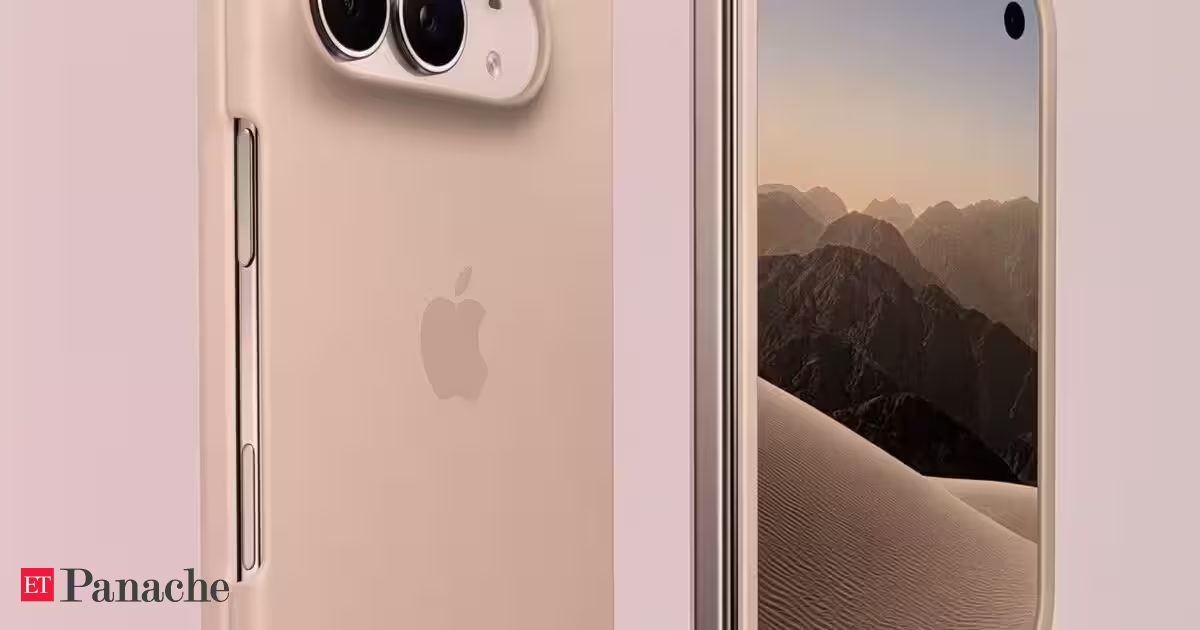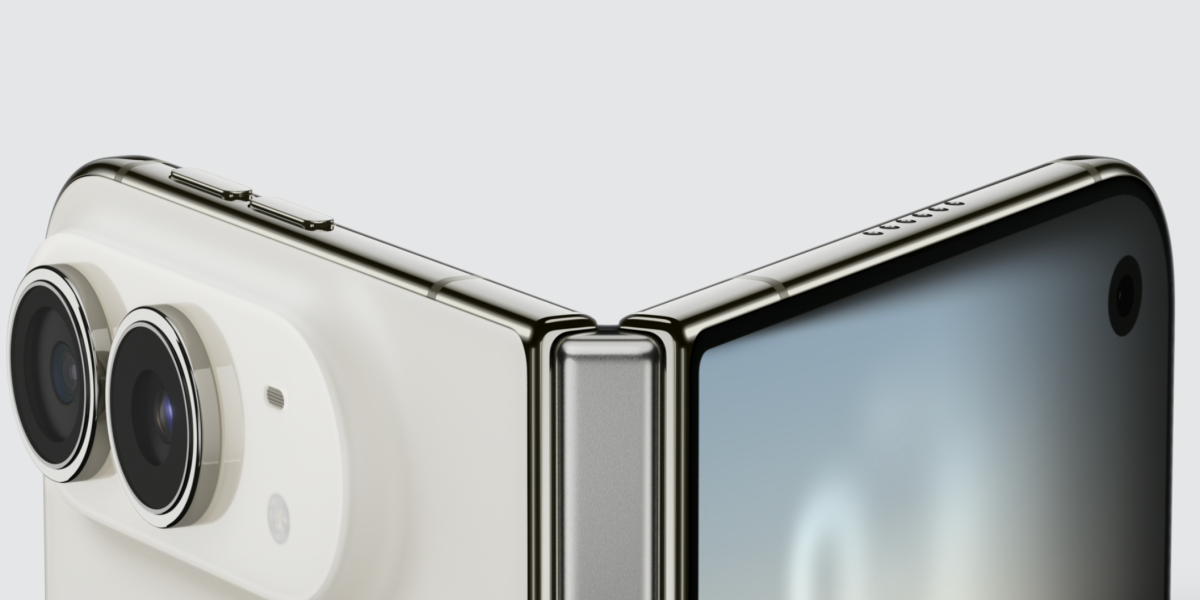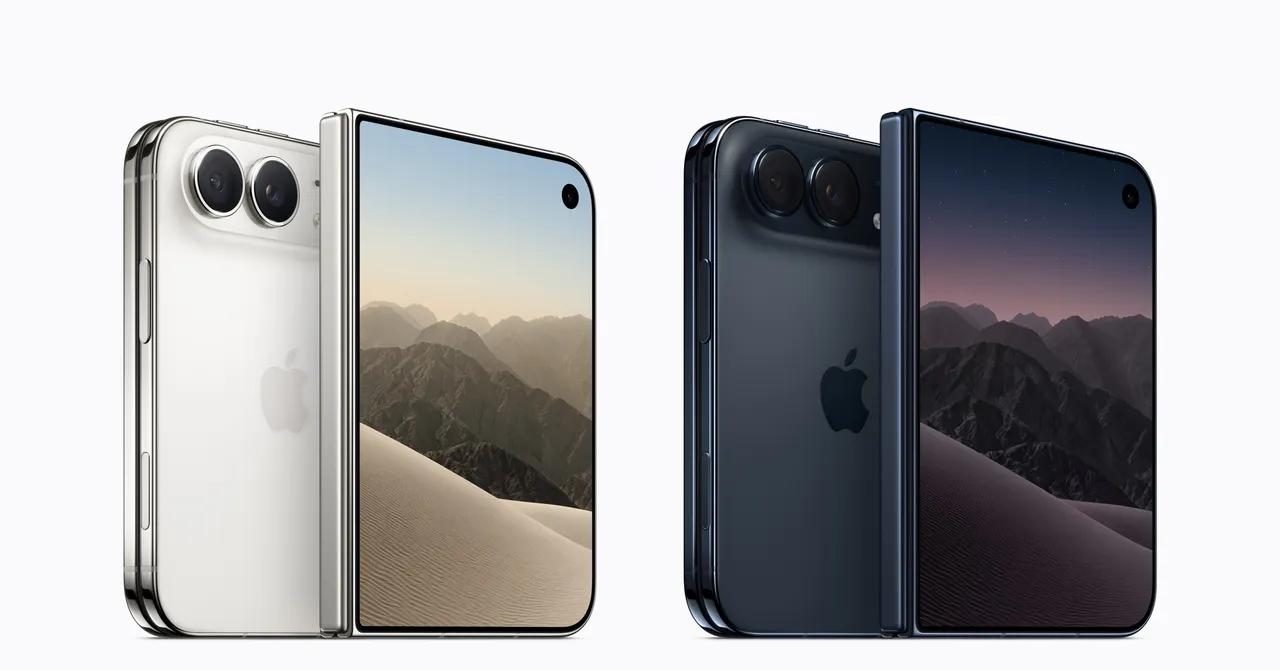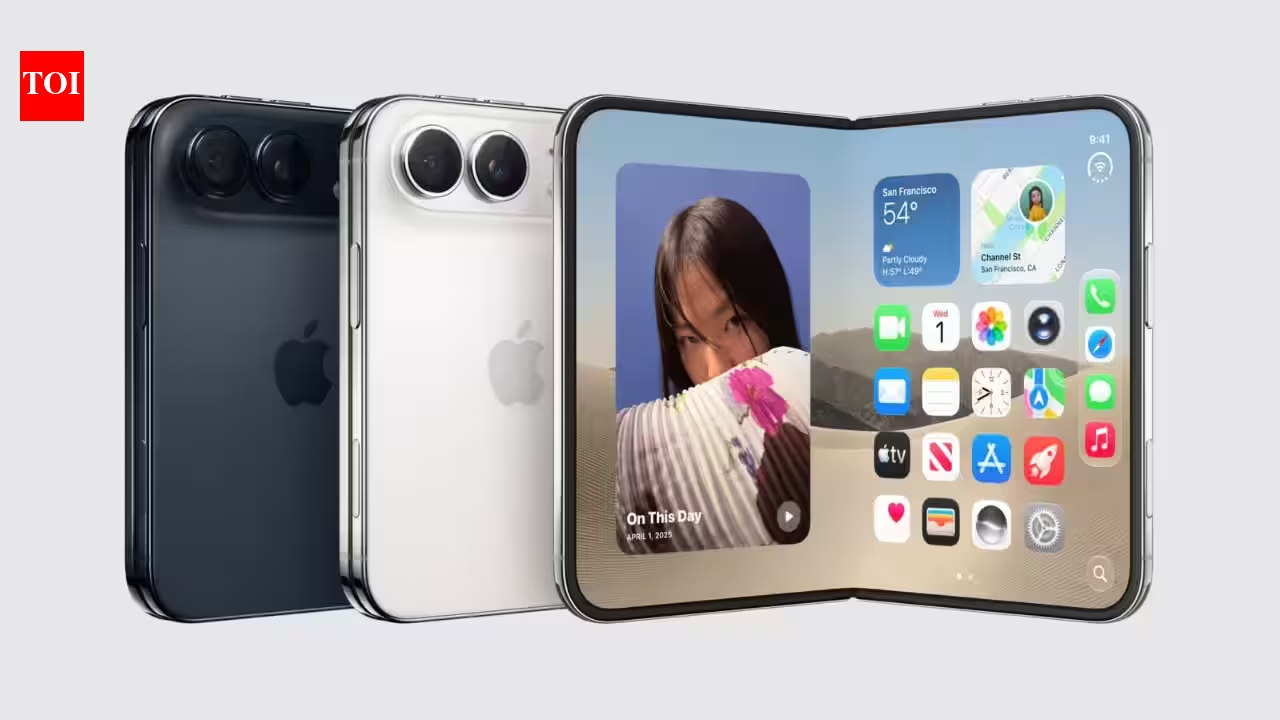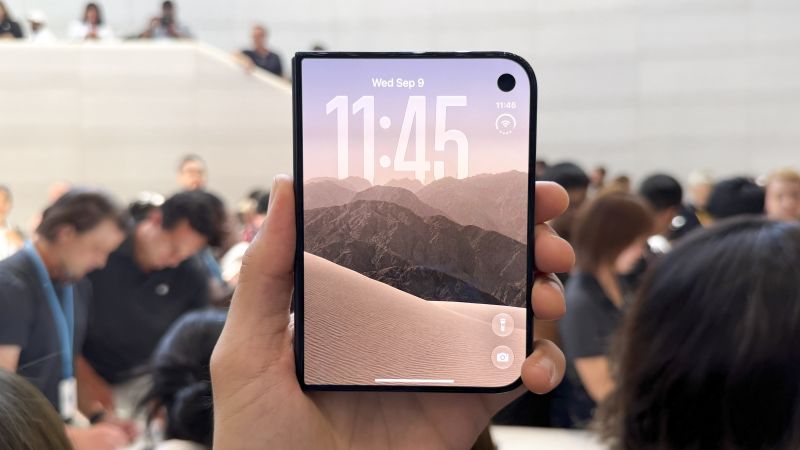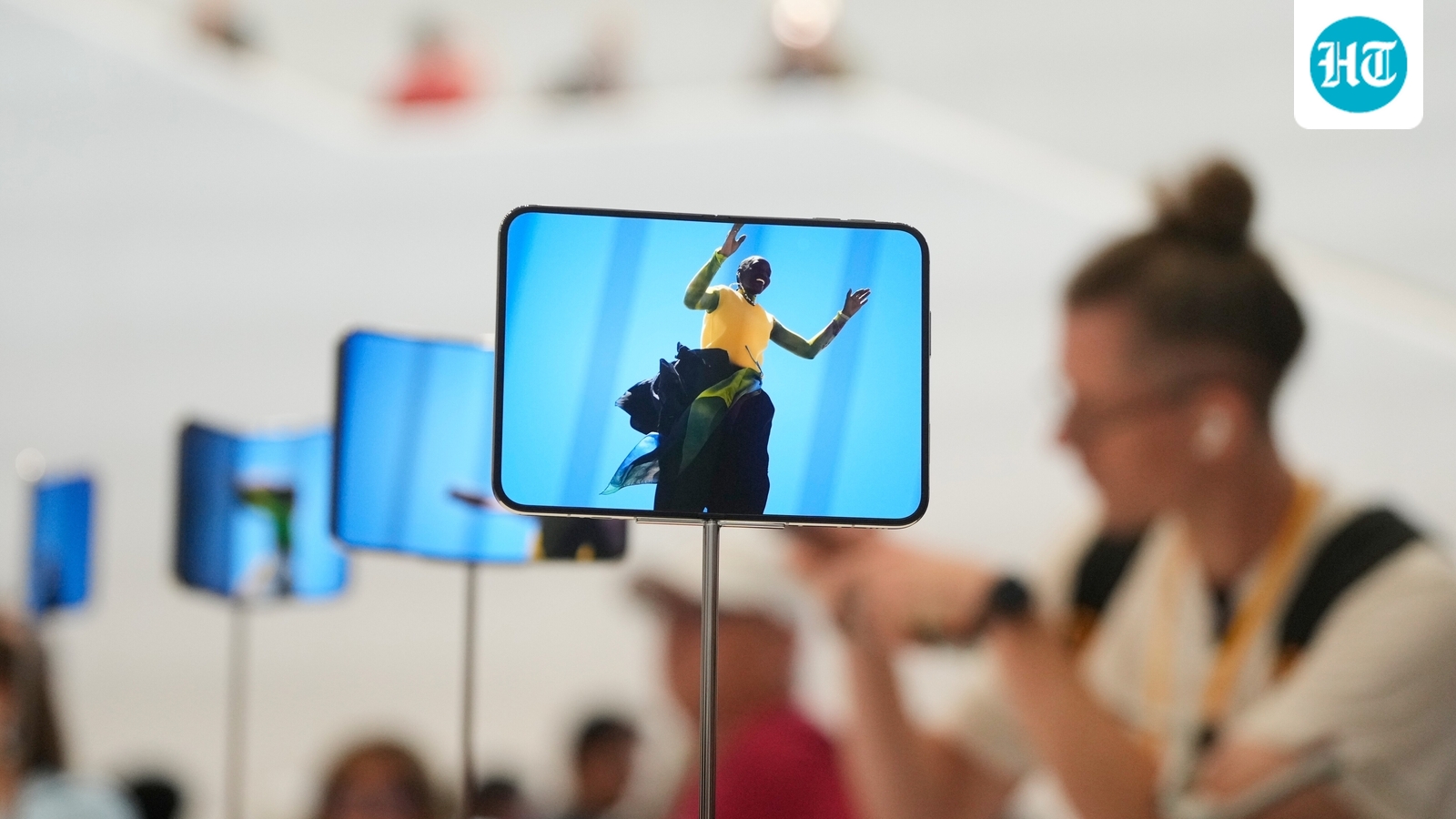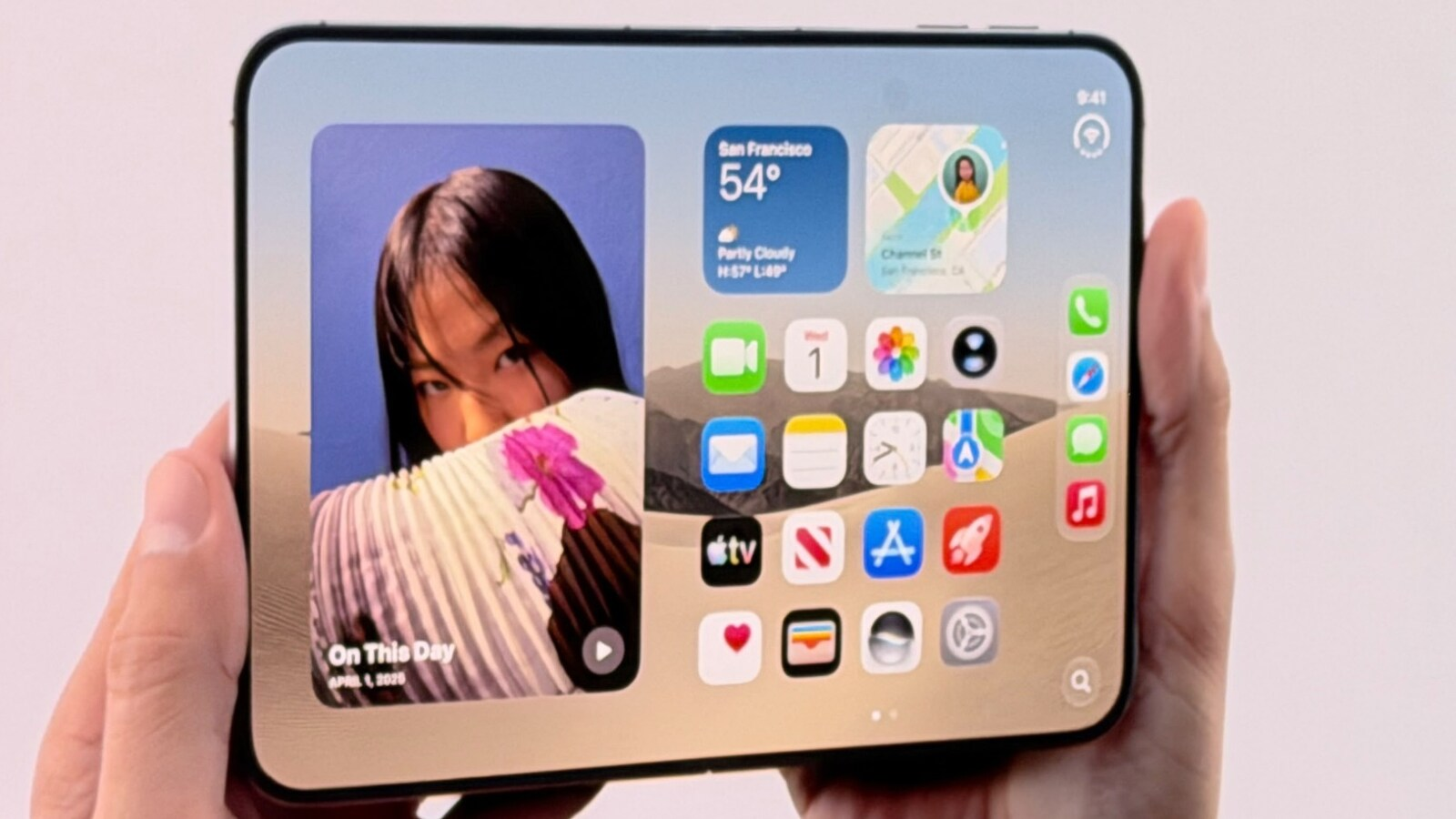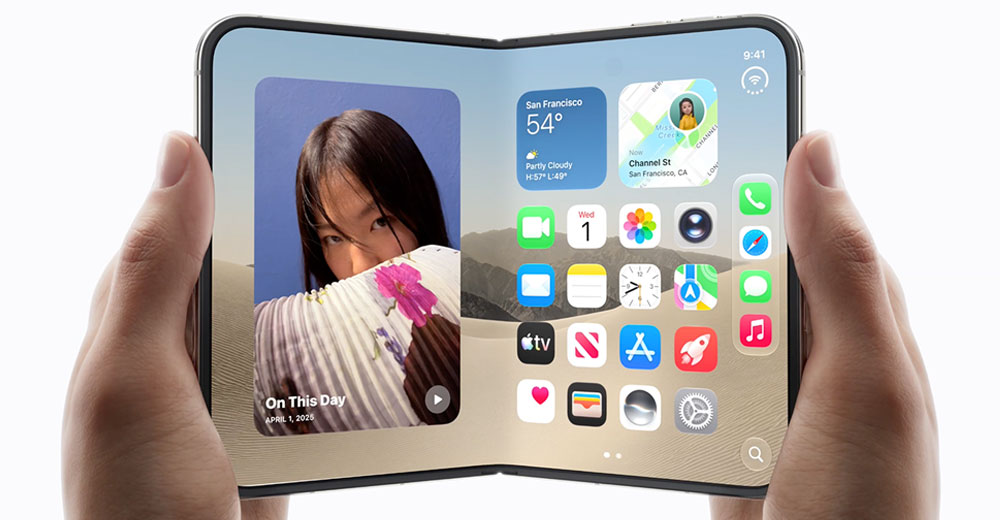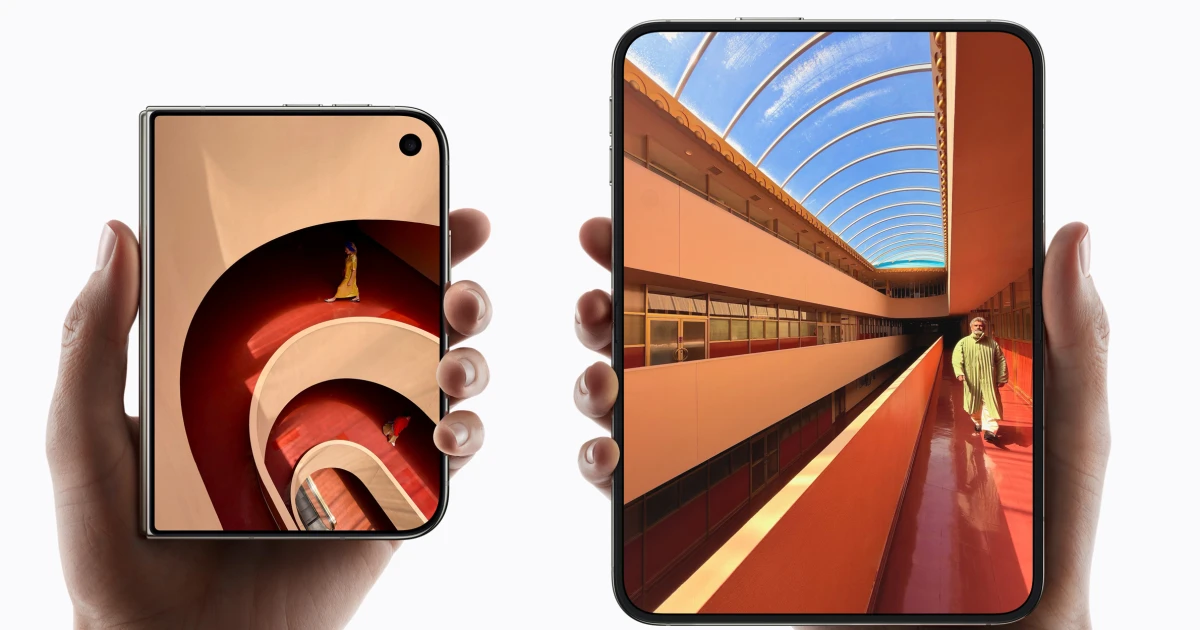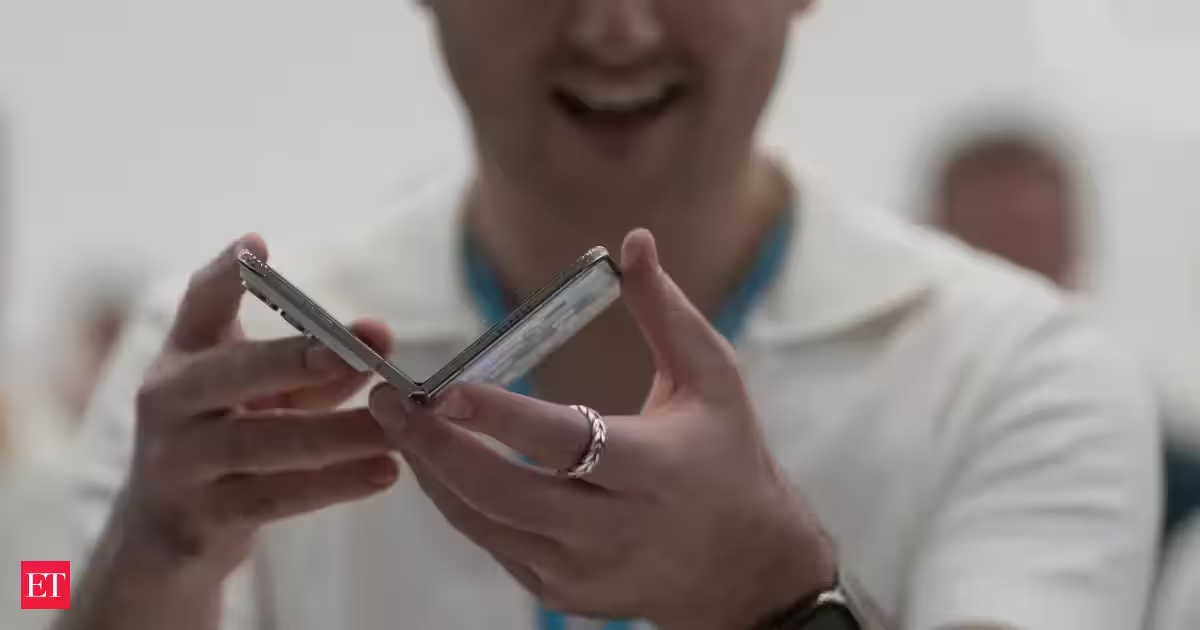
Apple has entered the foldable-phone market with the iPhone Duo, its first foldable iPhone and one of the company’s most ambitious hardware designs yet. Starting at $1,999 for the 256GB model, it is also Apple’s most expensive iPhone to date — making durability an important consideration for buyers spending that much on a phone.Apple appears to have anticipated those concerns. The company says the iPhone Duo was engineered with durability in mind, combining a titanium enclosure, strengthened internal components, protective ceramic materials and a redesigned hinge.“iPhone Duo is built to last and feels exceptionally solid with every use,” Apple says on its website.Titanium frame and a hinge built from more than 100 componentsThe iPhone Duo uses Grade 5 titanium for its enclosure, which Apple says provides high strength while allowing the phone to maintain a polished finish. The hinge cover is 3D-printed and uses a contrasting micro-blasted finish.Apple has also reinforced the internal structure. Support ribs are designed to increase stiffness, while antenna splits with ceramic-fiber inserts help reinforce the frame. The hinge itself contains more than 100 components, which are engineered to control the opening and closing movement while supporting the center portion of the display.ReutersApple iPhone Duo The outer surfaces receive additional protection. Ceramic Shield protects the rear of the device, while Ceramic Shield 2 covers the front display. Apple says the newer material offers three times better scratch resistance than the previous generation.The folding display gets its own layers of protectionThe more challenging durability problem, however, is the flexible inner display.Apple says the inner screen has a scratch-resistant coating and a nano-textured cover layer made from a custom polymer that can provide up to 40% higher stiffness than other materials used in the industry.Beneath the surface are layers of high-strength glass positioned above and below the folding display panel. Apple says custom adhesives allow these layers to move slightly against each other, similar to pages in a book, helping relieve stress created when the display bends. A titanium plate at the bottom provides another layer of structural reinforcement.Taken together, the construction suggests Apple has treated the hinge and folding screen as structural components rather than simply adapting a conventional iPhone design to a flexible form factor.The iPhone Duo is IP68-rated — but there is an important catchThe iPhone Duo is also rated IP68 for splash, water and dust resistance. Apple says the device was tested under controlled laboratory conditions and can withstand immersion to a maximum depth of 6 metres for up to 30 minutes under the IEC 60529 standard.But there is an important qualification in Apple's fine print.Apple explicitly says that splash, water and dust resistance are not permanent conditions and that resistance may decrease as a result of normal wear and tear.That caveat is particularly relevant for a foldable phone. Unlike a conventional slab-style smartphone, the iPhone Duo contains a complex moving hinge and a display that repeatedly bends. Over time, physical wear or damage could potentially affect the device's resistance to water and dust.The IP68 rating therefore describes the phone's tested level of protection rather than a guarantee that the same level of resistance will remain throughout its lifetime.Apple is not alone in warning about declining water resistanceThe disclaimer is not unique to Apple. Google has used similar language for its foldable Pixel devices, explaining that its IP68 rating applies when the device leaves the factory and that water and dust resistance can diminish through normal wear, repairs, disassembly or damage.Honor has also included comparable warnings for its foldable devices, noting that their IP68/IP69 protection is not permanently effective and may decrease with daily wear and tear.This reflects one of the broader challenges facing foldable phones: manufacturers have to balance the need for flexible, moving components with the sealing and structural requirements needed to protect electronics from the environment.How does it compare with Samsung's foldables?The iPhone Duo's IP68 rating also puts it ahead of Samsung's current foldable phones in one specific area.Samsung's latest Galaxy foldables carry an IP48 rating. While that provides protection against water, the first digit indicates a lower level of protection against solid particles than the IP6X rating used in IP68 devices such as Apple's iPhone Duo.That does not mean Samsung's foldables are inherently fragile. Rather, the ratings highlight different levels of tested resistance to dust and water.So, how durable is the iPhone Duo?On paper, Apple has taken an unusually comprehensive approach to the durability problem facing foldable phones. The titanium frame, reinforced internal structure, complex hinge, ceramic protection and multi-layer construction around the folding display are all designed to address areas that can be vulnerable in a flexible device.The IP68 rating is another significant addition, particularly because water and dust resistance has historically been a difficult engineering challenge for foldables. But buyers should not interpret IP68 as making the iPhone Duo waterproof or permanently resistant to dust and water. Apple itself says that the protection can decline with normal wear and tear.Reviewers and gadget enthusiasts are likely to put the phone’s durability to the test in the coming months. Many more details about the phone are likely to emerge over time.Ultimately, the iPhone Duo appears to be engineered to withstand the demands of everyday use, but it remains a foldable phone with moving parts and a flexible display. At $1,999, that distinction is worth keeping in mind: Apple has made durability a major part of the iPhone Duo's design, but no foldable phone is immune to the effects of long-term wear, drops or damage.
How strong is Apple’s first foldable iPhone? The $1,999 iPhone Duo has IP68 protection, but Apple says its water and dust resistance can fade over time
Apple has unveiled the cutting-edge iPhone Duo foldable phone, encased in a resilient titanium frame and equipped with an advanced hinge design. Every element is engineered for strength, featuring fortified internal parts wrapped in protective ceramic. Its foldable screen is safeguarded by a scratch-resistant coating and a specialized polymer layer.
914 words~4 min read