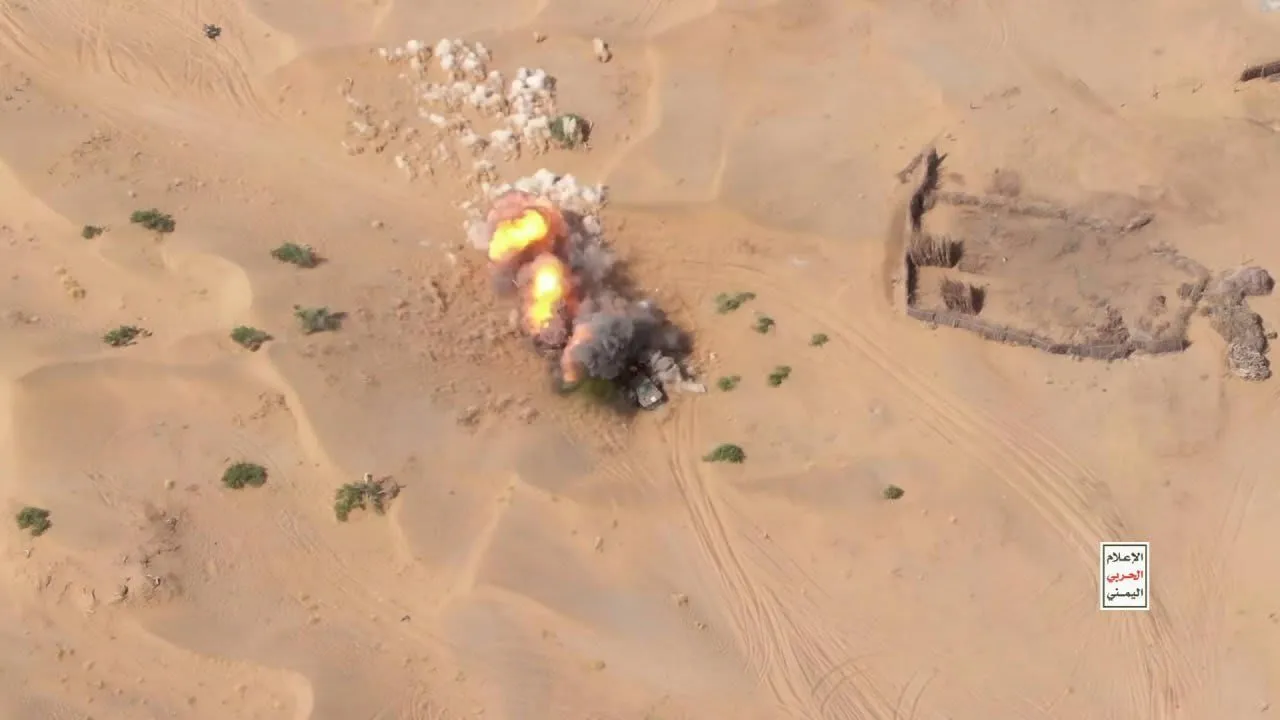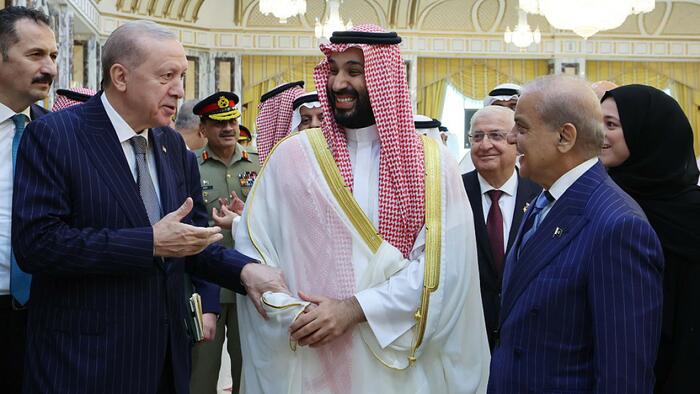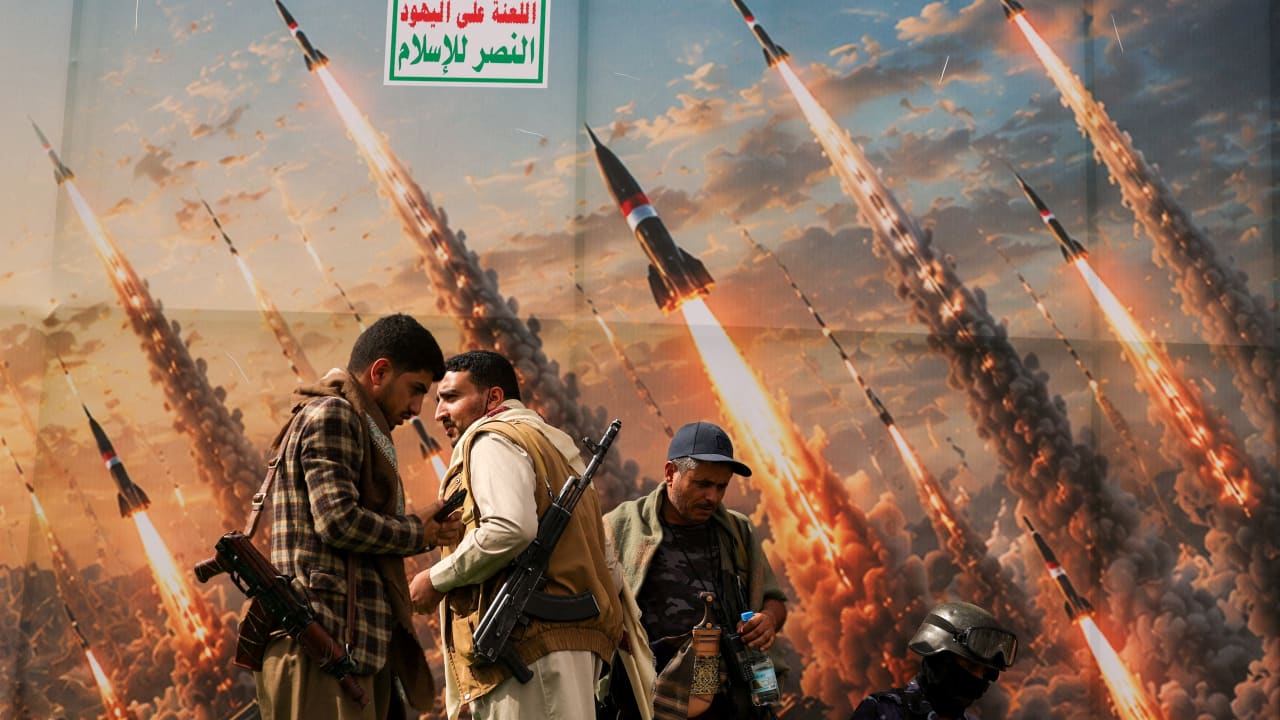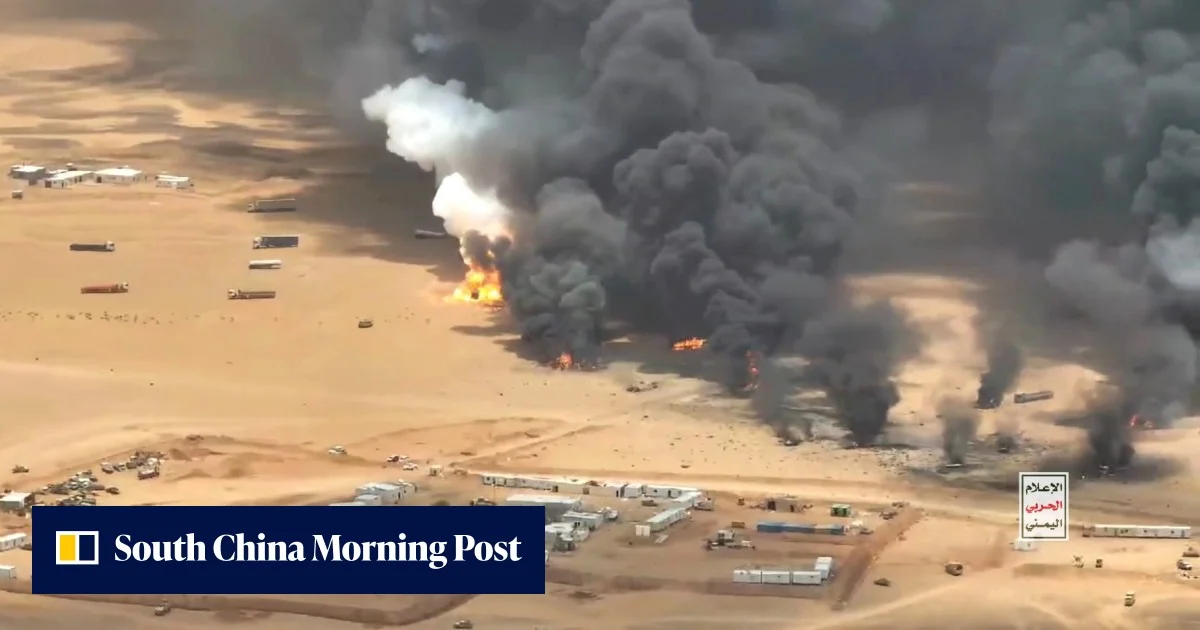
The recent Houthi attack on Saudi Arabia marks a critical test for the Mecca Defense Agreement, a strategic alliance between Saudi Arabia, Turkey, and Pakistan, often referred to as a “Muslim NATO.” This agreement is designed to bolster regional security and defense cooperation amid rising tensions in the Middle East. The attack, which targeted key Saudi infrastructure, underscores the ongoing conflict between Saudi Arabia and the Iran-aligned Houthi movement in Yemen. Markets appear to interpret this escalation as indicative of increased regional instability, particularly concerning the strategic Strait of Hormuz.
The probability of normal traffic returning to the Strait of Hormuz by December 31 has decreased, with current pricing at 16.5% YES, down from 18% a day earlier and 28% a week ago. This shift suggests a heightened perception of risk, likely driven by concerns over potential disruptions in maritime activities due to increased military presence in response to the attacks. The involvement of major regional and international actors, including Iran and the United States, adds complexity to the security dynamics in the region.
Key Takeaways
The Houthi attack on Saudi Arabia appears to have increased concerns about regional security, impacting the likelihood of normalcy in the Strait of Hormuz.