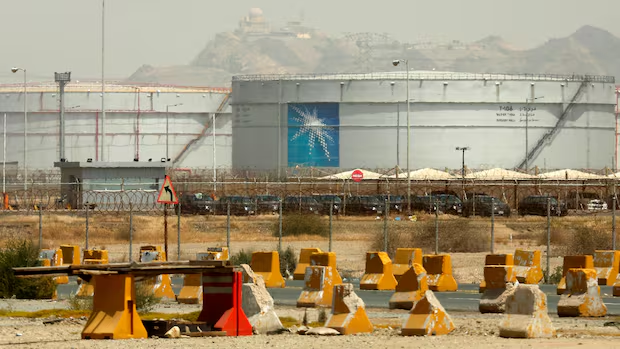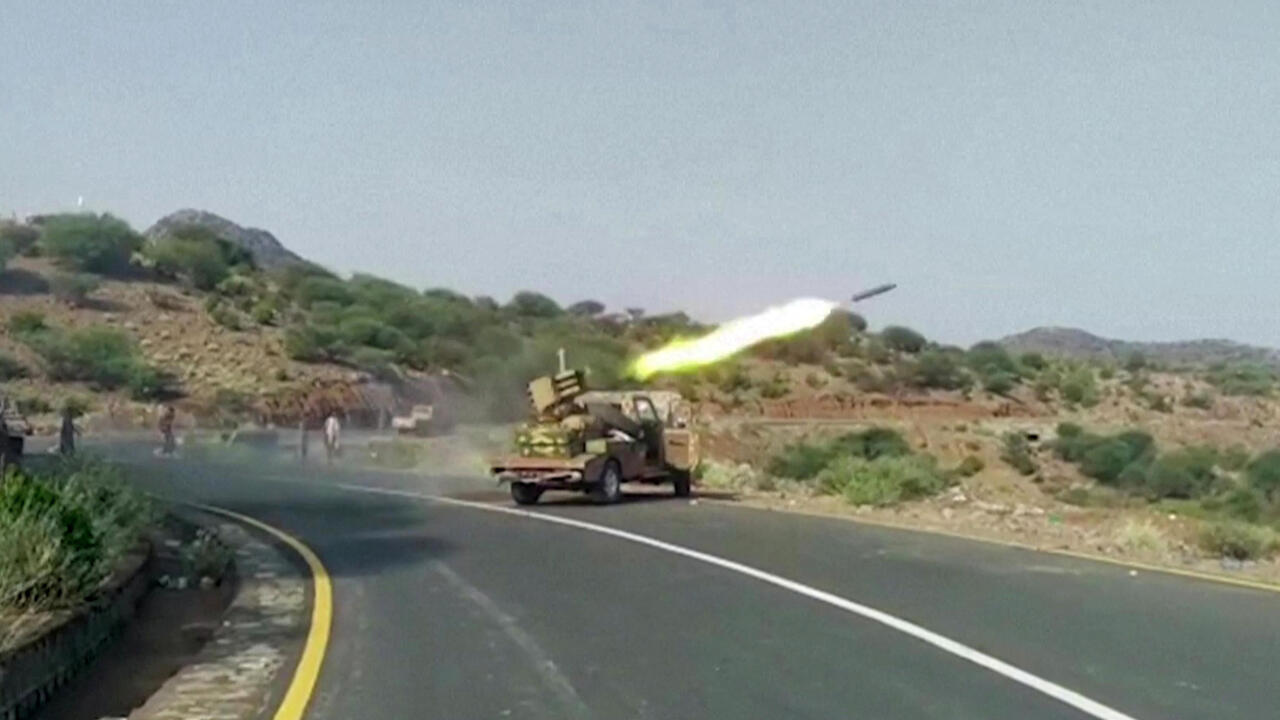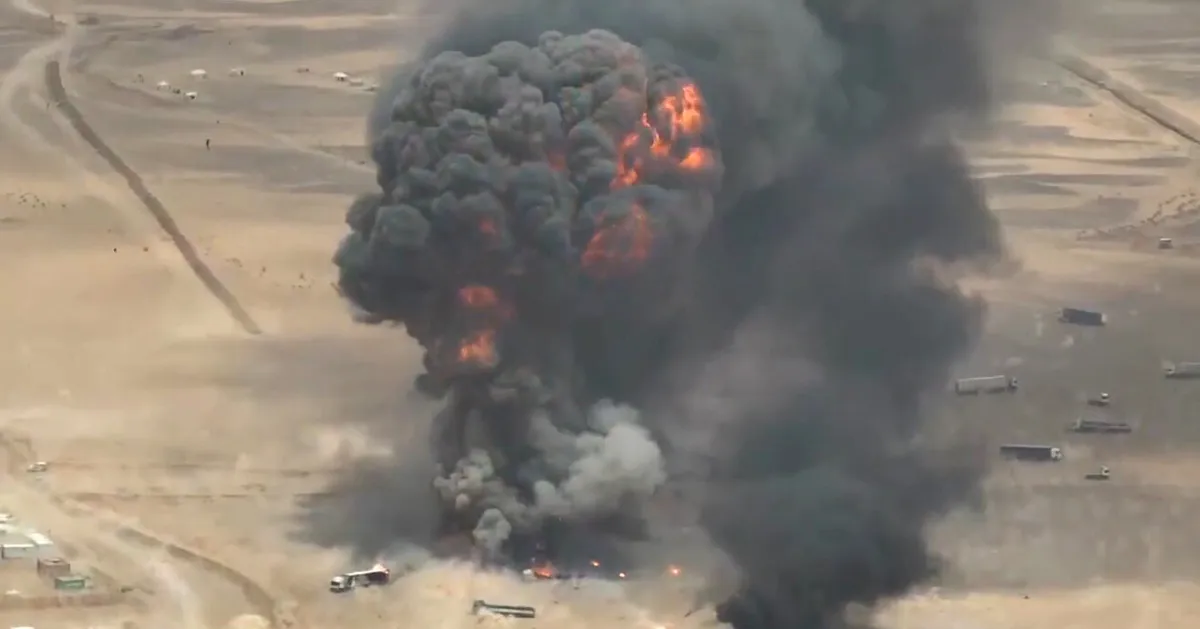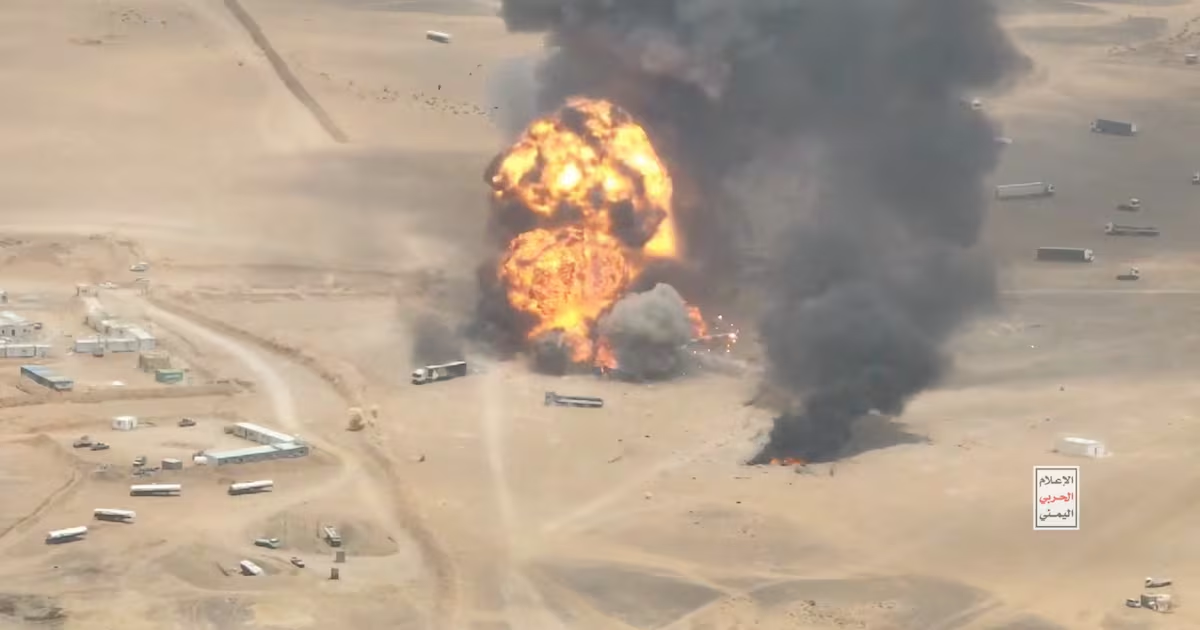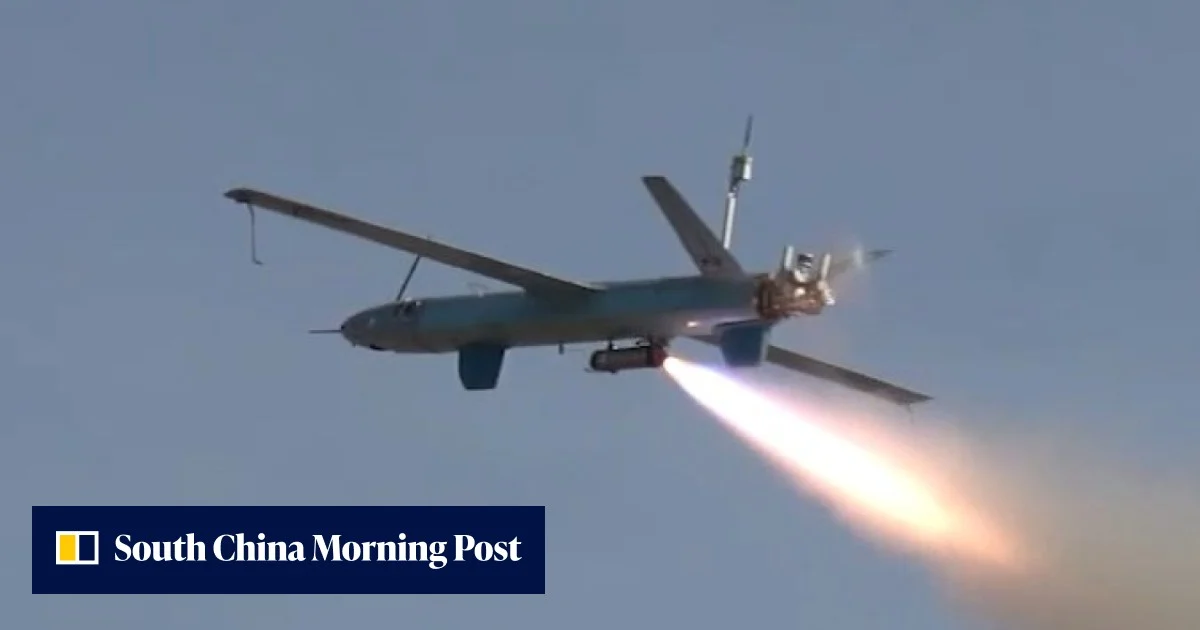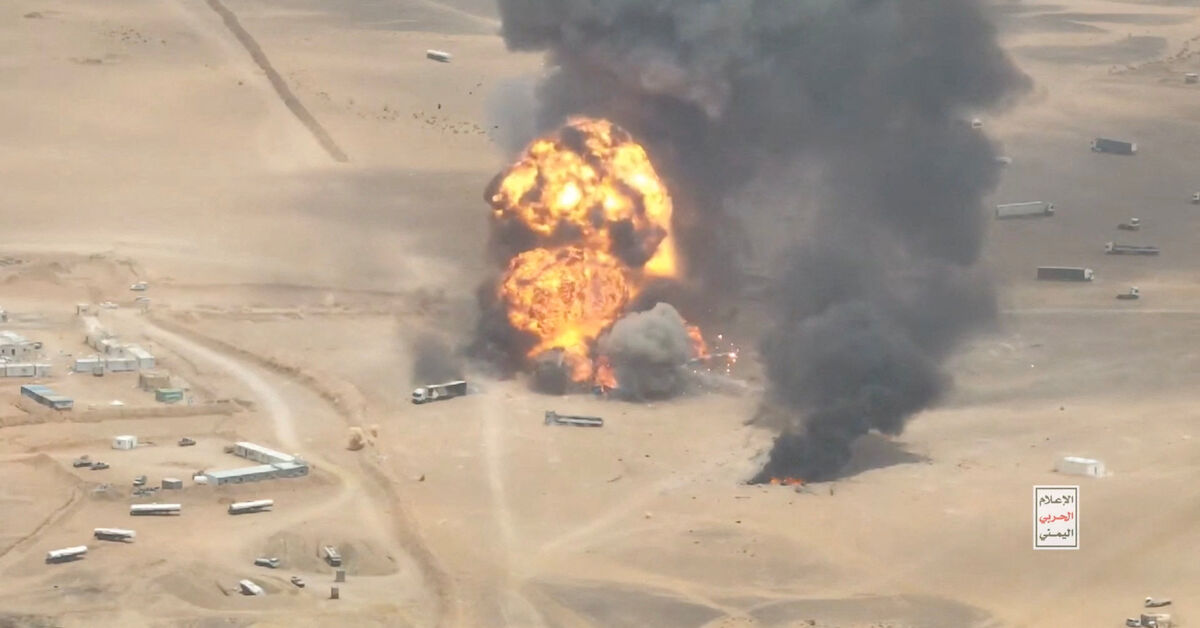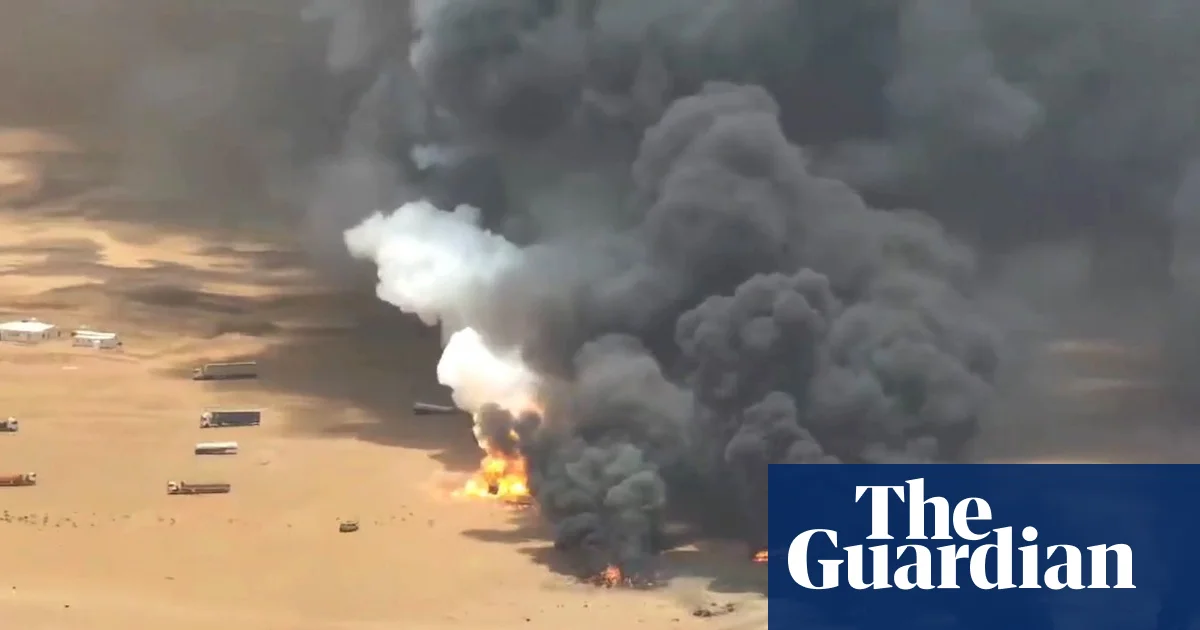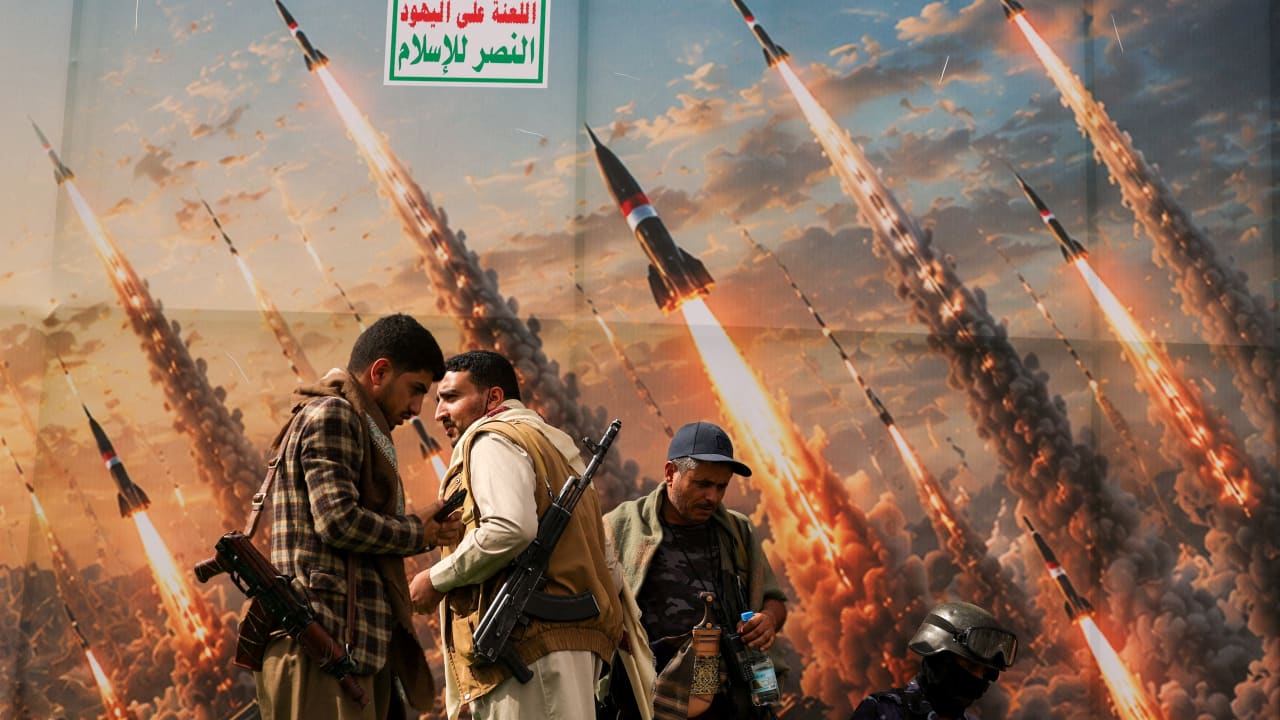
ByREUTERSSEPTEMBER 8, 2026 07:33Updated: SEPTEMBER 9, 2026 00:13Yemen's Tehran-backed Houthis attacked four cities in the south of US ally Saudi Arabia on Tuesday, wounding more than 70 people and setting oil installations ablaze in what appeared to be a major expansion of the six-month-old Middle East war.The Houthis, who control most of Yemen's populated areas including the capital, said they had launched a broad operation deep into Saudi territory. They used drones and missiles to strike a Saudi airbase in the southern city of Khamis Mushait as well as Saudi state oil company assets in the cities of Abha, Najran and Jazan.NASA satellite images showed a thick cloud of black smoke over the Jazan refinery and a column of white smoke rising from an oil distribution center in Abha.Saudi authorities described blazes at the sites and said women and children were among the 73 people hurt. The reports of such large numbers of wounded suggested the attacks were among the biggest carried out against Saudi Arabia since the United States and Israel launched their war against Iran in February.The latest escalation was "dangerous," as the Houthis attacked civilian and economic entities in the world's largest oil exporter and de-facto OPEC leader, the spokesperson of the Saudi-led coalition in Yemen said on Tuesday.Houthi strike on Saudi forces. (credit: SCREENSHOT/X)No confirmed images from the ground of the attacked Saudi cities were available, and witnesses could not be reached in a country where media is tightly controlled.Oil prices rise as conflict drags on After a month of calm in August, fighting in the Gulf has resumed, with Iran and the US exchanging fire, sending global oil prices back towards the $100 a barrel level passed at the war's peak. Brent crude LCOc1 touched $99.46 on Tuesday, the highest since July 24, and US West Texas Intermediate crude hit its highest level since June 8. Both benchmarks later eased but were still up on the day.Houthi attacks on southwestern Saudi Arabia have the potential to worsen the war's global economic impact by disrupting Middle East energy supplies beyond the blockaded Strait of Hormuz.Saudi Arabia has led an Arab coalition battling against the Houthis in Yemen for more than a decade. That war had calmed in recent years, but a ceasefire there has broken down, with the Houthis threatening shipping at the mouth of the Red Sea.In recent days, Saudi-backed Yemeni forces of a government based in the south have launched a multipronged offensive on Houthi-held areas, after the Houthis tried to advance on government-held positions. The government, which was driven by the Houthis from the capital 12 years ago, says it now aims to recapture all Houthi-held territory.>Saudi coalition vows response as Houthis threaten retaliation"The coalition will take all necessary operational measures to deter this terrorist militia and resolutely confront its hostile approach," Major General Turki al-Malki, spokesperson for the Saudi-led coalition, said in a statement on X.Houthi spokesperson Yahya Saree accused Riyadh of having escalated the war by launching airstrikes on Yemen, and said the Houthis would respond.The wider war in the Gulf has turned into a test of wills between the US and Iran, with each side hoping that economic pressure from competing blockades will force the other to yield.The US Treasury announced new aviation-related sanctions on Tuesday, it said, that were aimed at grounding Iran's airlines.Washington is trying to increase the flow of oil to world markets by guiding ships through the Strait of Hormuz, while cutting off Iran's exports with a blockade.Tehran has announced new measures to seal off the strait, saying it will soon unveil details of a "maritime exclusion zone" that will extend from the perimeter of the US blockade, through the strait and into the Gulf itself.Washington fired at Iranian tankers over the weekend in retaliation for Iranian fire at US warships, in which Iran said it had used new, more capable ballistic missiles.Turkey condemns attacksTurkey condemns in the strongest terms attacks by Yemen's Tehran-backed Houthis on Saudi Arabia, the foreign ministry said on Tuesday, adding that it called on the Houthis to "immediately halt their hostile actions.""The attacks in question also damage diplomatic efforts to end the conflict in Yemen with a lasting political solution," the ministry said in a statement, adding it supported Saudi Arabia's territorial integrity and sovereignty.Turkey signed a joint defense agreement with Saudi Arabia and Pakistan last month. The deal includes a collective defense clause similar to NATO's Article 5.Iran claims to have captured US submersibleIran's Revolutionary Guards said they had captured a US submersible near the strait. A US official told Reuters on Tuesday that an underwater military drone malfunctioned more than a day ago, adding it did not have classified sonar or radar equipment on board.Separately, Iran also said it had destroyed a US drone, a claim Washington did not immediately respond to.Despite US strikes that have degraded Iran's conventional forces and punished its economy, Iran's missiles and drones can still reach US military bases in the region and hit ships in the strait, where previously a fifth of global oil transited.The fighting has caused global shortages of crude oil and the fuels produced by refining it. Diesel fuel in the United States is now at a record average retail price, hurting the political prospects of President Donald Trump's Republicans."Oil prices will drop precipitously, like everything else is dropping (but more!), when we WIN the war with Iran. Three Dollars a gallon, but ultimately, below Two Dollars a gallon. It will all happen quickly, and Iran will never have a Nuclear Weapon," Trump said on social media.Follow us on Google
Houthi attacks in Saudi Arabia disrupt energy facilities, wound dozens | The Jerusalem Post
"The coalition will take all necessary operational measures to deter this terrorist militia and resolutely confront its hostile approach," Colonel Turki al-Malki said in a statement on X/Twitter.
930 words~4 min read