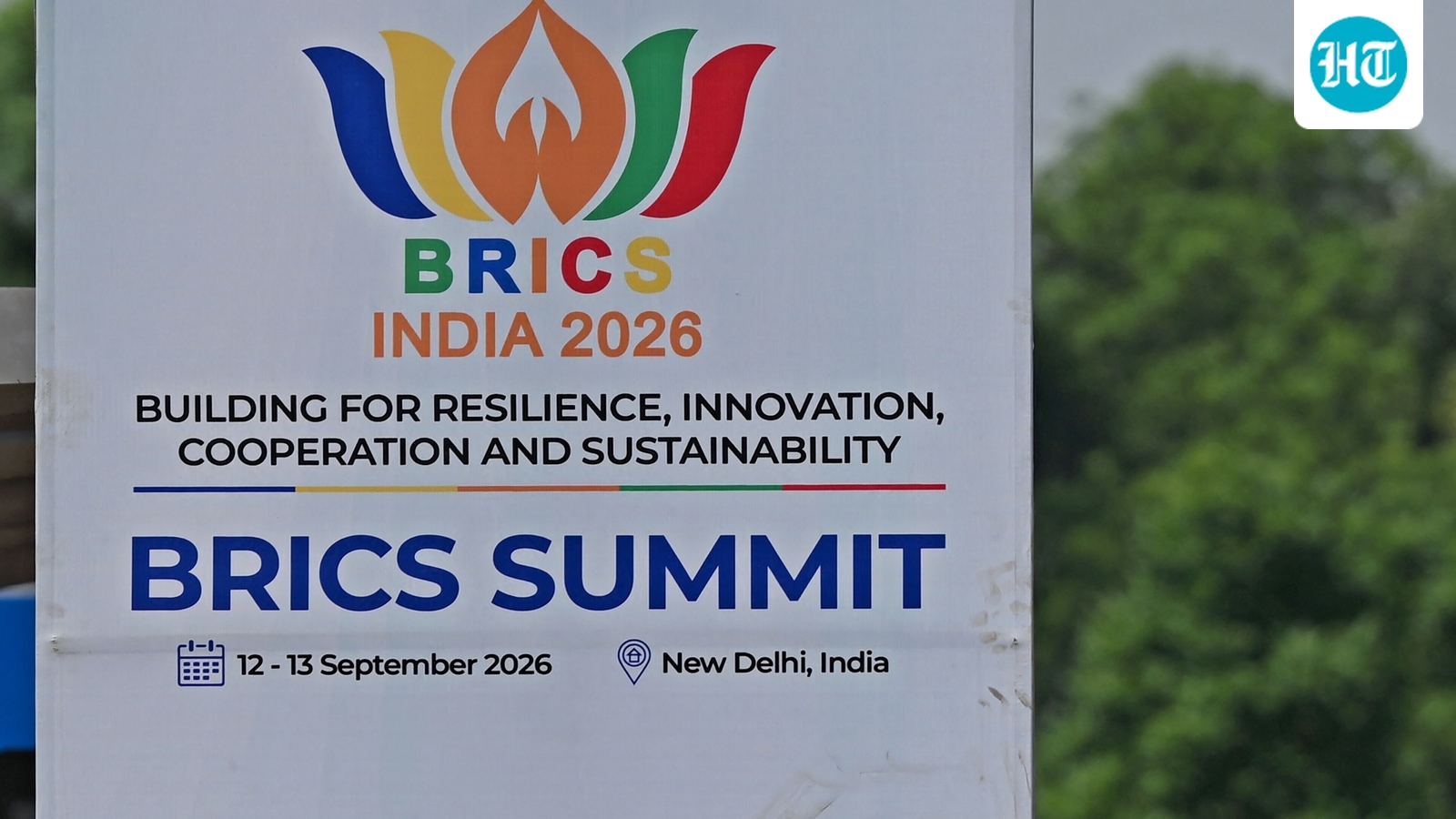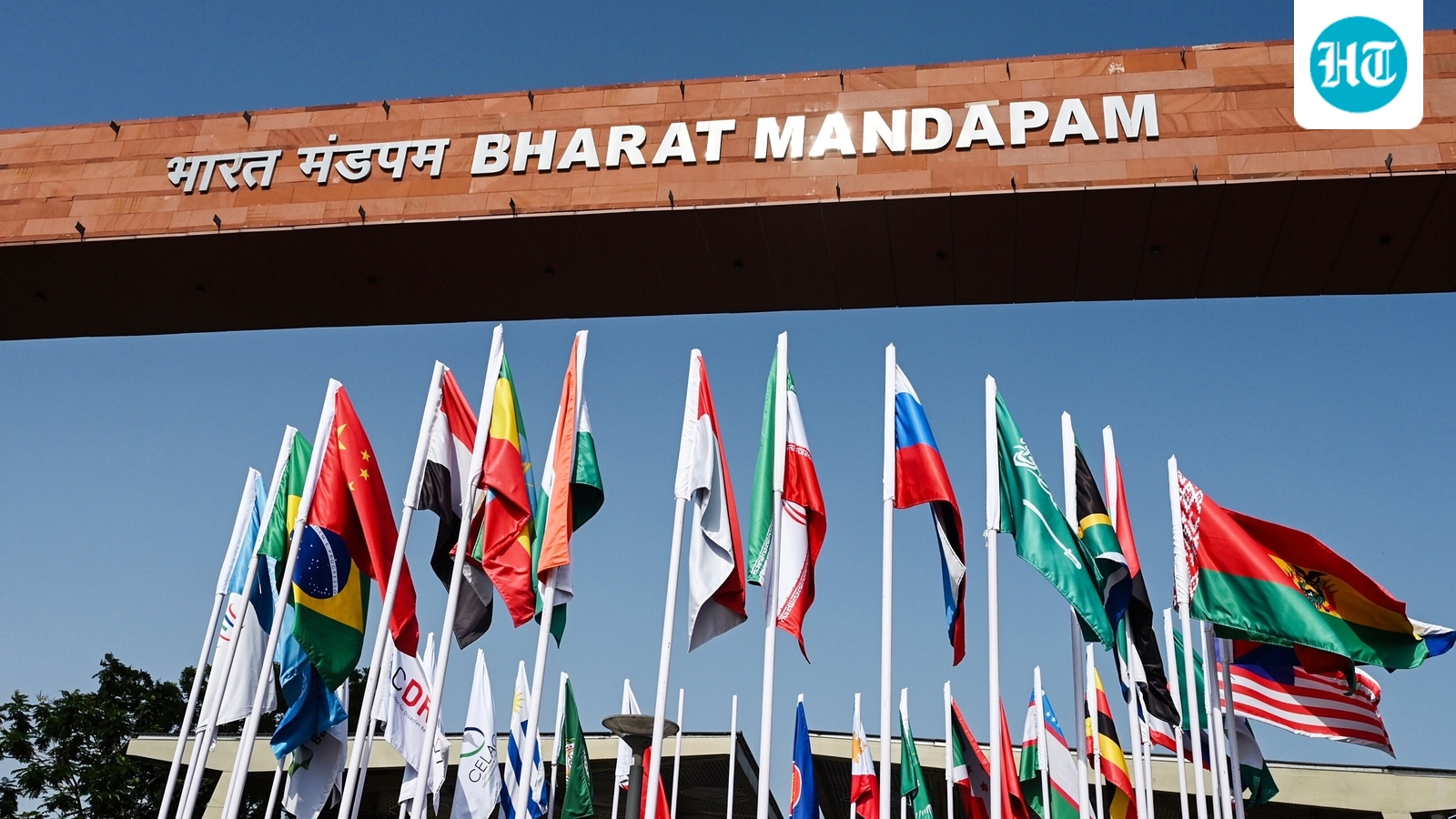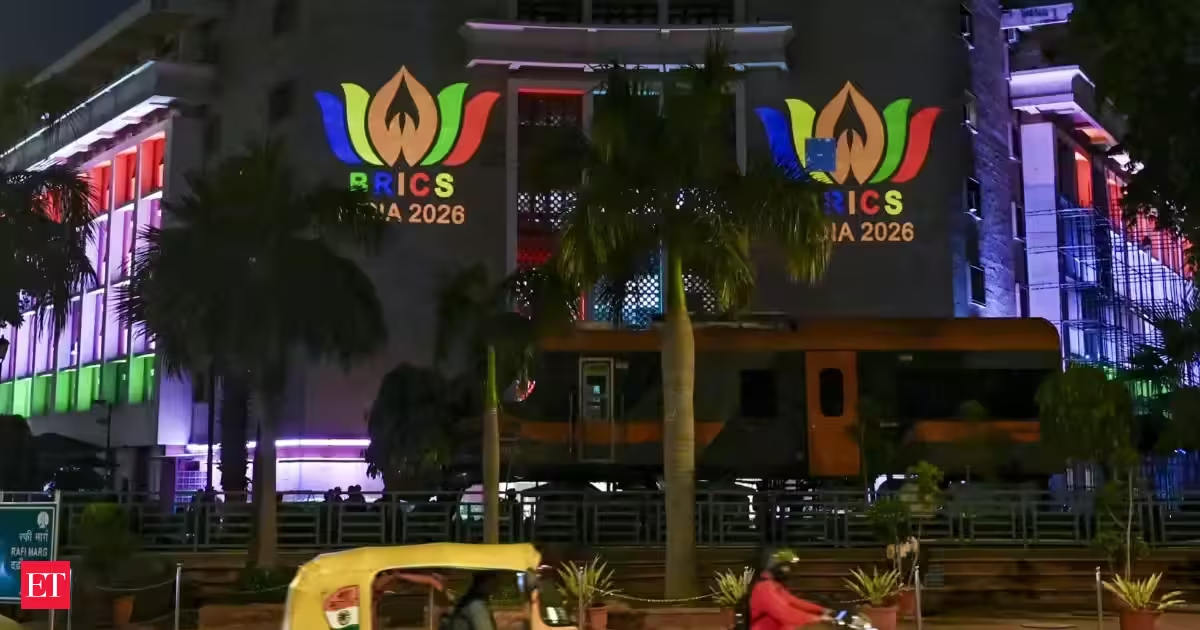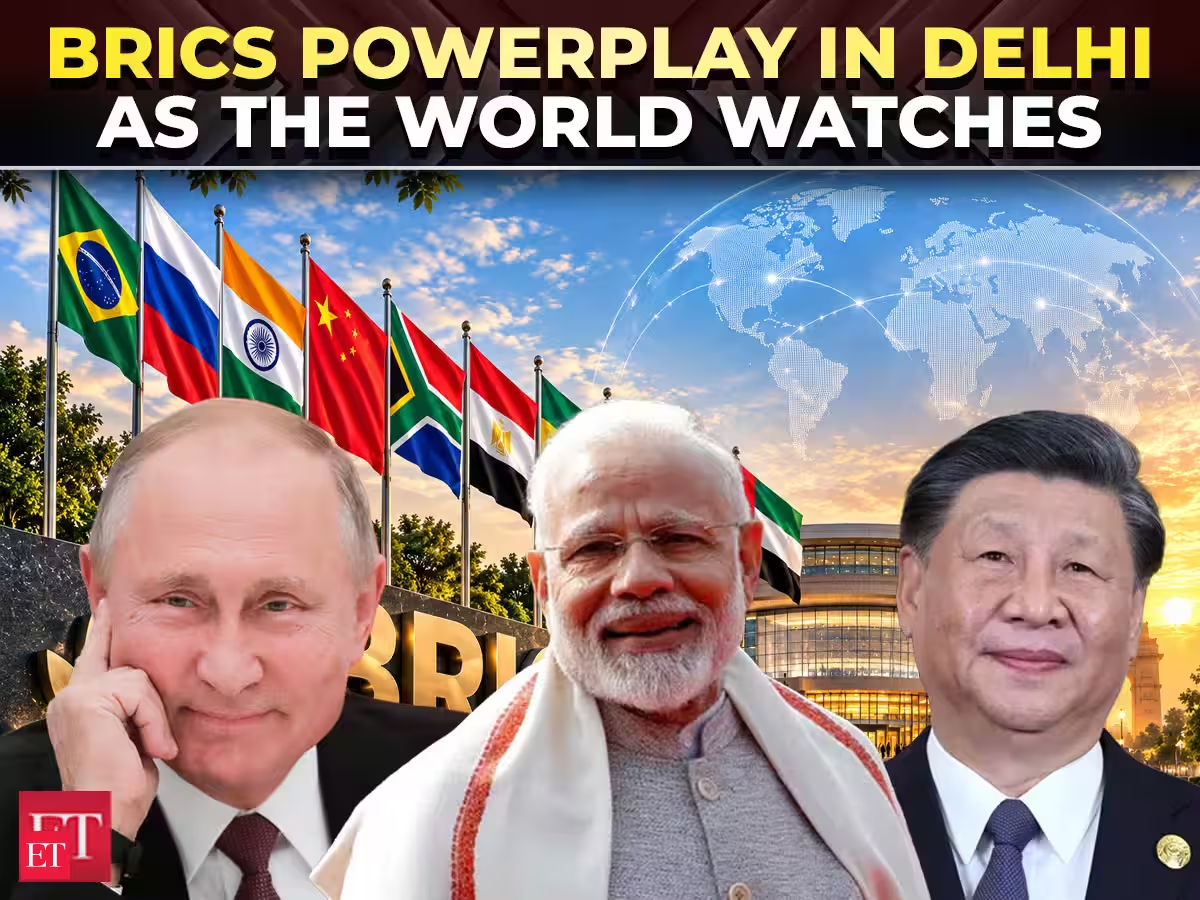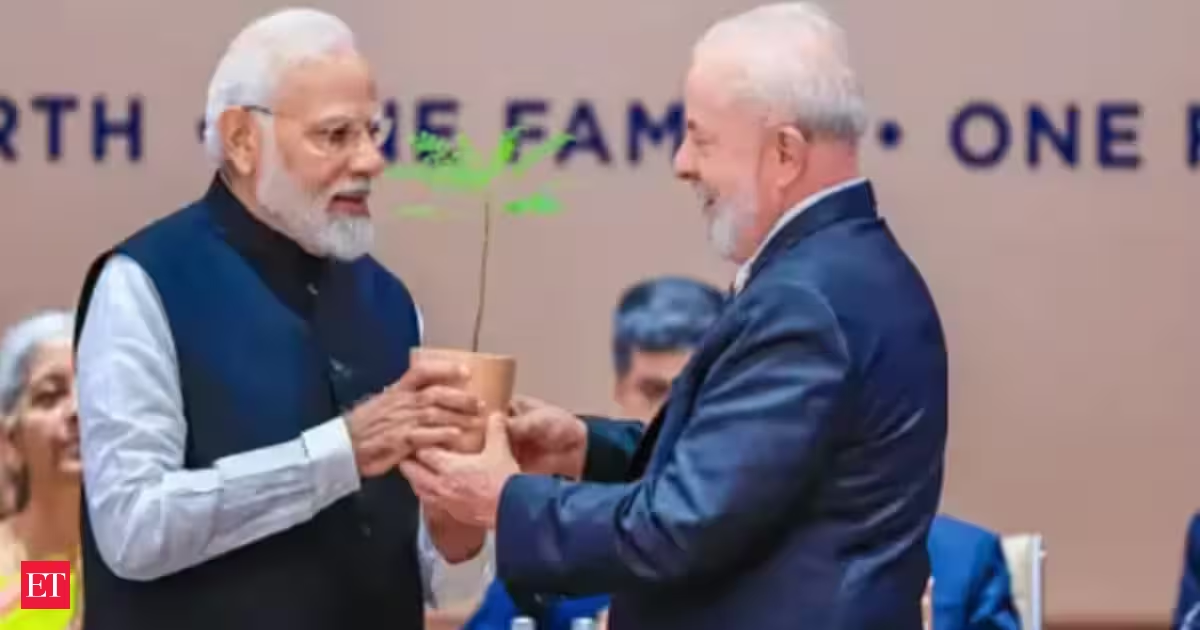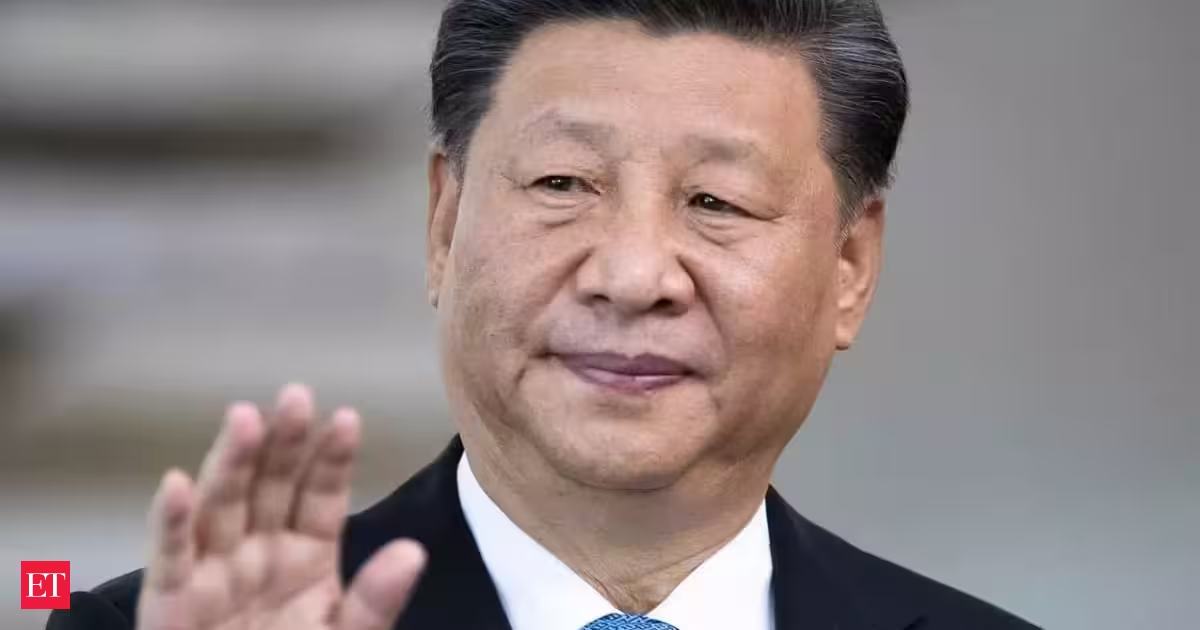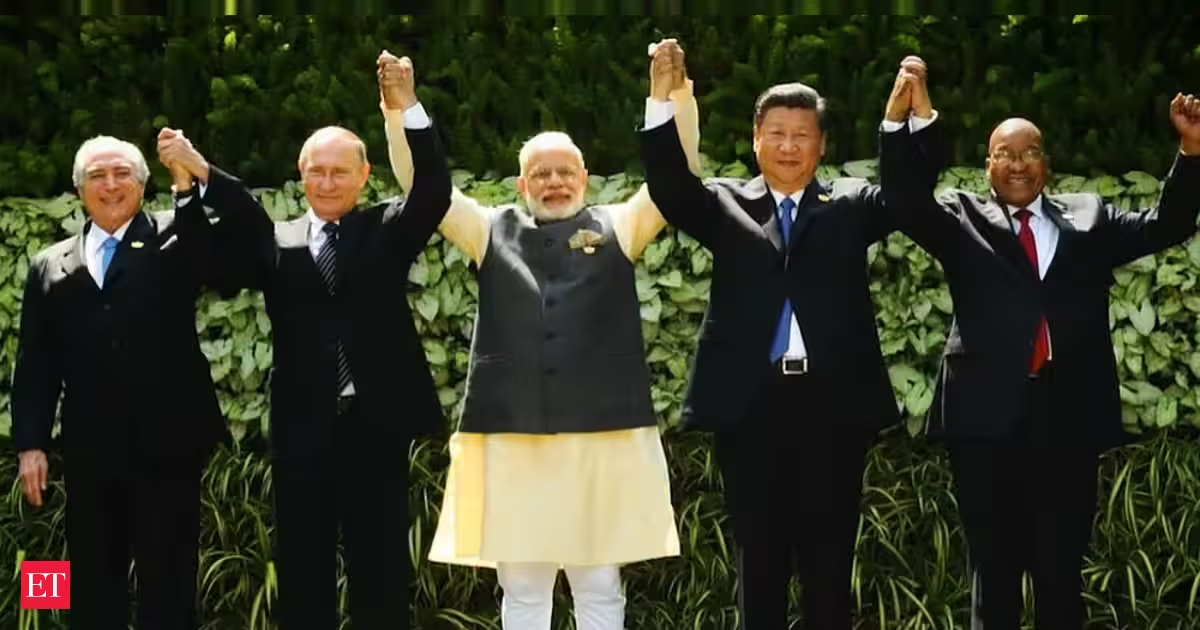
This weekend, New Delhi will become a giant diplomatic stage. Leaders will arrive, flags will go up, motorcades will sweep through the city and the world's cameras will wait for the handshakes. But the real action at a summit often happens in the spaces between the set pieces.A leader may have 20 minutes to say what months of official negotiations could not. Two others may bump into each other on the way to dinner and decide to talk. A carefully timed photograph can send a message before a single word is spoken. Even who gets a private meeting, who gets a quick pull-aside and who gets only a wave across the room can tell its own story.Also Read: BRICS Summit in New Delhi: The grand finale is India's moment to navigate a bigger, and more divided blocThis is the peculiar world of summitry, the art of diplomacy conducted at the highest political level. And when BRICS leaders gather in New Delhi on September 12 and 13, Prime Minister Narendra Modi will be at the centre of it.The 11-member BRICS grouping has become a much bigger diplomatic tent since its original five members began the process of expansion. Delhi will host leaders from countries that are strategic partners, economic competitors and sometimes geopolitical rivals. Modi will need to manage all of them, often in meetings that may last no more than a few minutes.Also Read: BRICS 2026: From bigger to better? The New Delhi summit may put trade, tech and energy in focusAlongside the public choreography will run a parallel summit that is less visible and arguably more consequential -- bilaterals, pull-asides, corridor conversations and the quiet work of sherpas trying to turn political intent into something negotiable.Russian President Vladimir Putin is confirmed to meet Modi on September 11, even before the main summit begins. A meeting between Modi and Chinese President Xi Jinping is also very much in the air, although it has not been officially announced by New Delhi as of September 10.Here is a quick guide to the art, language and choreography of summitry.From bilats to walk-and-talksA bilat, short for bilateral meeting, is the heavyweight format of summitry. Two leaders sit down, usually with a small number of advisers, and discuss issues that require political decisions. These meetings can run for an hour or more, although the actual time can be much shorter depending on the summit schedule.Modi's first confirmed major BRICS bilat is with Russian President Vladimir Putin on September 11, a day before the formal summit begins. The Kremlin has confirmed the meeting. Defence, trade and economic cooperation are expected to feature, with issues such as the Su-57, nuclear energy and broader strategic cooperation also in the conversation.The meeting with Chinese President Xi Jinping is potentially the most consequential conversation of the summit, although as of September 10 it has not been officially announced as a bilateral.Also Read: BRICS Summit 2026 schedule: What happens on September 12 and 13?Then there are pull-asides. These are shorter meetings arranged on the margins of a summit, often lasting 10 to 20 minutes. They are useful when two leaders have something important to say to each other but not enough time for a full bilateral.A brush-by is even more informal. Two leaders meet briefly while moving between events, perhaps for a handshake, a few words and a photograph. It may look spontaneous, but summit planners often know exactly where leaders will be and when they can cross paths.There are also walk-and-talks, where leaders continue a conversation while moving from one event to another. The format is useful because it feels less formal. It can also be deliberately staged to signal warmth.The summit schedule is only half the storyThe official BRICS programme gives a good idea of how tightly the leaders' time is managed. On September 12, BRICS leaders are scheduled to arrive at Bharat Mandapam from 2 pm. At 2:35 pm they move into a closed session titled "Inclusive Global Governance and Strengthening Multilateralism". The programme then has the leaders visiting the Bharat Innovates exhibition at 4:25 pm. A family photograph follows at 5:05 pm, with a tree-plantation ceremony at 5:10 pm. Modi hosts the leaders at a gala dinner at 7:30 pm.The next morning begins with partner countries and outreach invitees arriving at 9:55 am. After a group photograph, the open session starts at 10:50 am under the title "Resilience, Innovation, Cooperation and Sustainability: Shaping the Future for Inclusive Global Growth".Notice what is missing from the public schedule? Most of bilaterals.That is not an omission. Bilateral meetings are usually fitted around the formal programme and negotiated separately by the leaders' teams. The public summit schedule therefore gives only a partial picture of the diplomatic traffic.Sherpas prepare the mountainThe word summit itself comes from mountaineering. The metaphor became part of modern diplomacy in the 20th century, with Winston Churchill famously speaking of a "parley at the summit". The term took off after the 1955 Geneva meeting of the American, Soviet, British and French leaders.But leaders do not simply turn up at the summit and start negotiating. That is where the sherpas come in. In summit diplomacy, sherpas are senior officials who prepare the political ground for leaders. They negotiate difficult language, identify areas of agreement and try to prevent the principals from walking into an avoidable disagreement.Also Read: Amitabh Kant lays down three-step formula for India to move forward during BRICS SummitThe term is borrowed from mountaineering, where Sherpas help climbers reach the summit. In diplomacy, the metaphor is remarkably apt. Much of the hard climbing happens before the leaders arrive.There are also sous-sherpas, officials who work on specific parts of the agenda. Behind them sits a much larger machinery of negotiators, foreign ministry officials, technical experts and working groups.This is particularly important in BRICS because the grouping has become much larger. Brazil, Russia, India, China and South Africa have been joined by Egypt, Ethiopia, Iran, Saudi Arabia, the UAE and Indonesia. The result is a bigger diplomatic tent with more room for disagreement.Corridor workThen comes what diplomats sometimes call corridor diplomacy. A corridor encounter may last less than a minute, yet it can matter enormously. Leaders who cannot or do not want to hold a formal meeting can use an informal encounter to test the waters.A handshake between leaders who have strained relations can itself become a signal. So can the absence of one.The same applies to photographs. Who is standing next to whom? Who walks into the room together? Who gets a private conversation at dinner? Diplomats and journalists notice these things because leaders know that the images will travel much further than the room in which they were taken. At a summit, choreography is therefore part of communication.Pool sprays and photo diplomacyThere is also a language for media access. A pool spray is a very brief media opportunity, usually at the beginning of a meeting. Journalists get a few seconds to film the leaders shaking hands or exchanging opening remarks before leaving the room.The distinction between an open meeting and a closed meeting matters. If cameras are allowed only at the beginning, the substantive discussion is meant to remain private. If leaders make remarks before the cameras, those remarks can also be carefully calibrated signals.The BRICS programme itself designates several photo opportunities as official-only and says clean feeds will be made available through the BRICS and MEA YouTube channels and Doordarshan.The art of the agendaThe most important part of summitry may happen before anyone enters the room. Every leader arrives with a wish list and a list of things they do not want discussed publicly. Officials spend weeks trying to identify areas where an agreement is possible and language that everyone can live with.This is especially difficult in an expanded BRICS. India wants the grouping to produce practical cooperation while navigating disagreements among members over geopolitics, trade, energy and the future of the international financial system.The summit's broad agenda includes global governance, trade and investment, finance, technology, energy security and inclusive development. India has also pushed initiatives around digital public infrastructure, innovation and economic cooperation.The challenge is to produce a declaration that is ambitious enough to matter but not so ambitious that disagreements make consensus impossible.Personal chemistry can help -- or hurtThe attraction of summitry is obvious. Leaders can speak frankly in a way that officials sometimes cannot. They can make a political commitment on the spot and instruct their bureaucracies to work out the details later.But putting personalities at the centre of diplomacy introduces another variable -- the personalities themselves. A leader may respond badly to an unexpected remark. Cultural differences can complicate negotiations. A leader accustomed to direct communication may interpret an indirect response as evasive, while another may regard bluntness as unnecessarily confrontational.This is why experienced summit diplomats spend so much time preparing leaders for the person sitting across the table.The Xi factorThis makes the possible Modi-Xi meeting particularly interesting. If it happens, the meeting will be watched not merely for what the two leaders say but for its duration, setting, body language and the language used afterwards.India and China have begun cautiously rebuilding ties, but serious mistrust remains. The two sides have eased some restrictions and restored some connectivity while continuing to disagree over strategic and economic issues. Reuters reported this week that business ties remain constrained by security concerns and regulatory suspicion despite the broader diplomatic thaw.That is classic summitry territory. The meeting itself may not resolve the relationship. It can, however, establish whether the relationship is moving in one direction or another.Summitry is always more than the summitThe real measure of a summit is therefore not the number of handshakes or photographs. Academic research on summit diplomacy suggests that leader meetings are often better understood as part of a much larger process rather than as isolated events. The visible summit sits on top of a huge amount of work by sherpas and officials.Delhi BRICS Summit will offer plenty of visible diplomacy. There will be bilats, pull-asides, photographs, dinners and carefully choreographed encounters. But the more interesting story may emerge afterwards.Did the leaders unblock something? Did a difficult relationship move forward? Did an informal conversation produce a formal negotiation? Did the declaration survive the differences inside the expanded BRICS? That is where the art of summitry finally gets tested.
Bilats, brush-bys, pull-asides: The secret art of summitry at BRICS
The BRICS Summit 2026 in New Delhi will showcase the art of summit diplomacy, from Indian Prime Minister Narendra Modis key bilaterals with Vladimir Putin and a possible Xi Jinping meeting to pull-asides, walk-and-talks and corridor conversations. With BRICS expanding to 11 members, India must balance geopolitics, trade, energy and global governance while using summit choreography, personal chemistry and diplomatic signalling to build consensus.
1,717 words~8 min read