India is taking a relatively subdued approach to the BRICS Leaders’ Summit in New Delhi, balancing the bloc’s growing importance with strained US ties and tensions with China.
| Photo Credit:
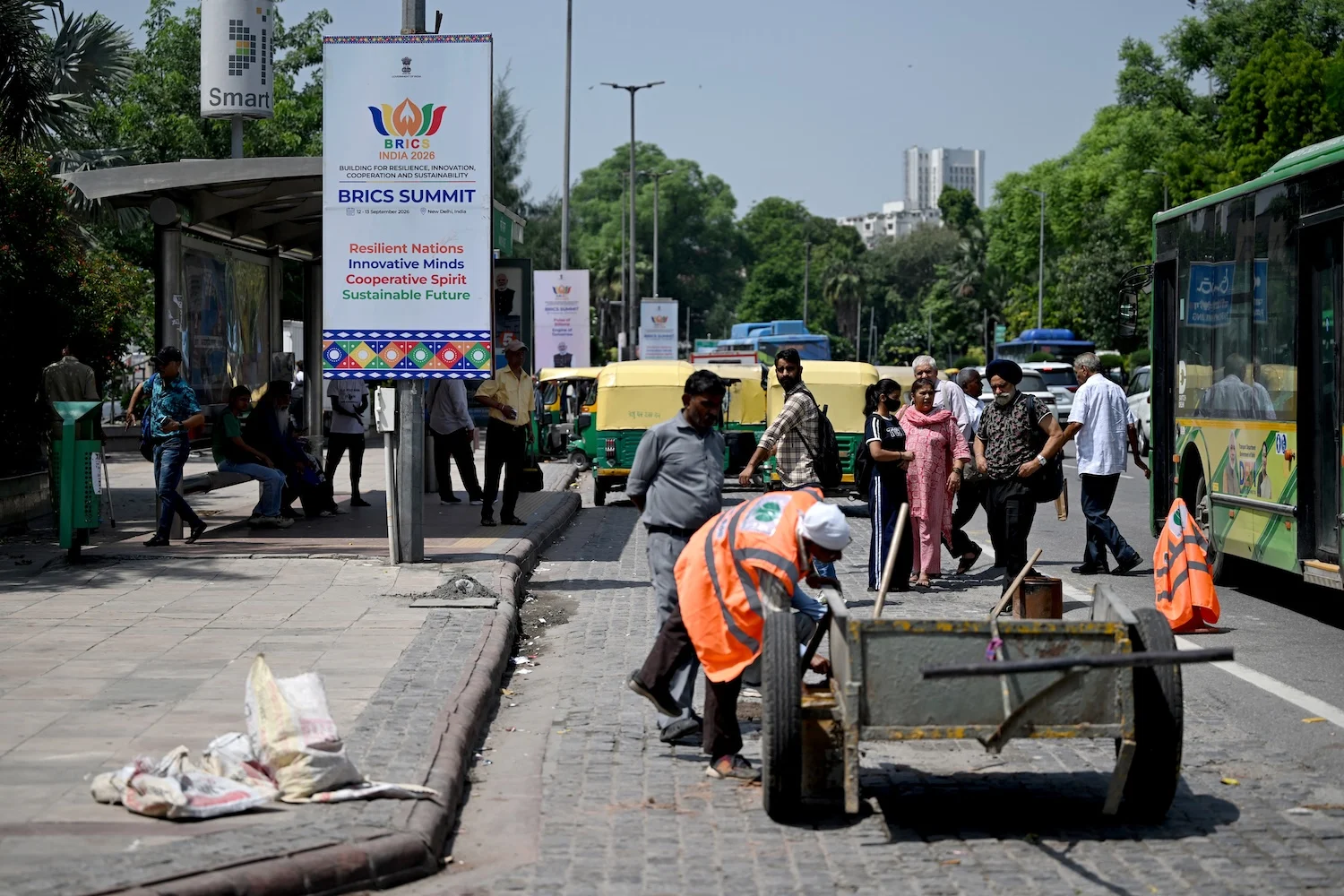
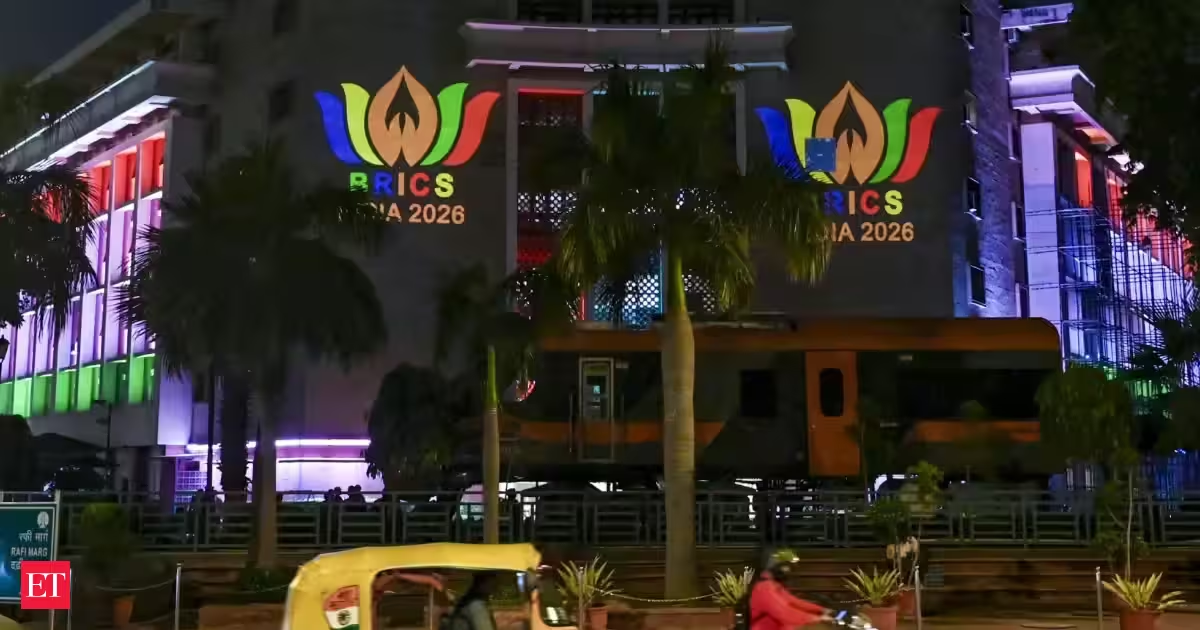
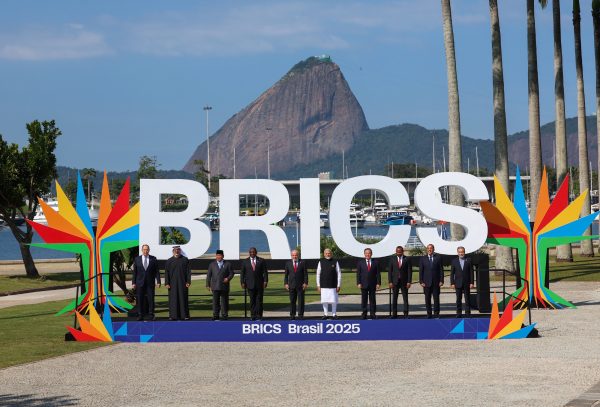
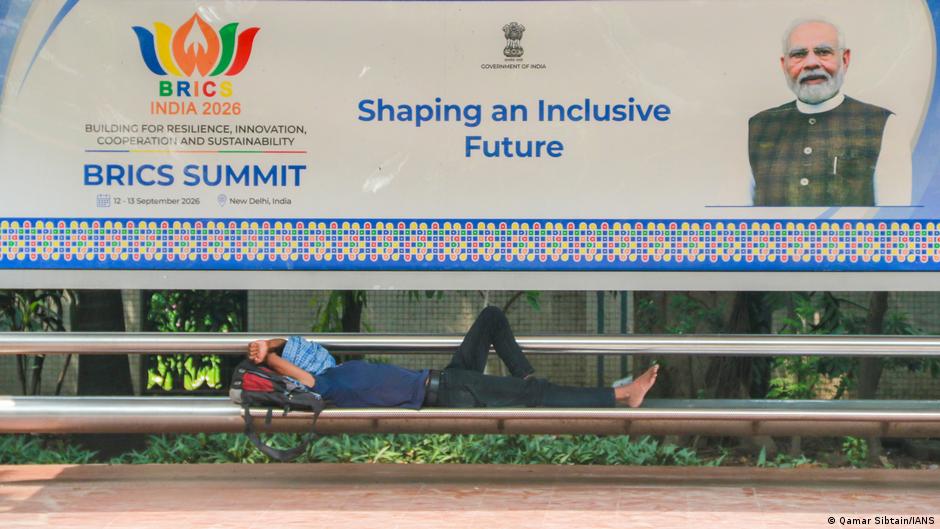
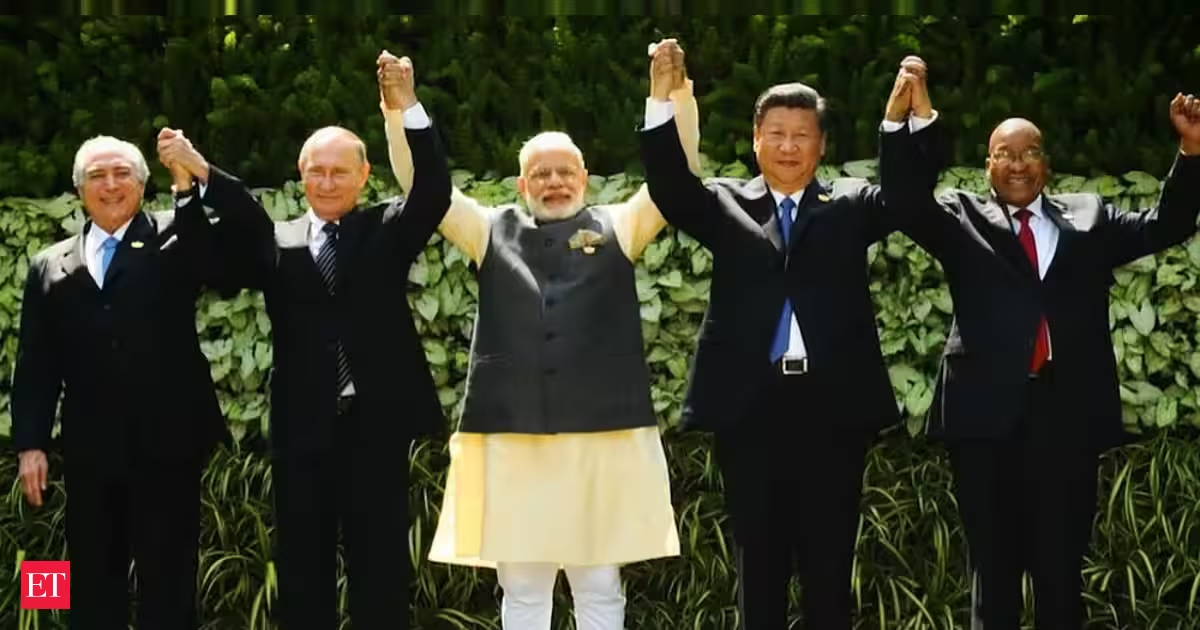
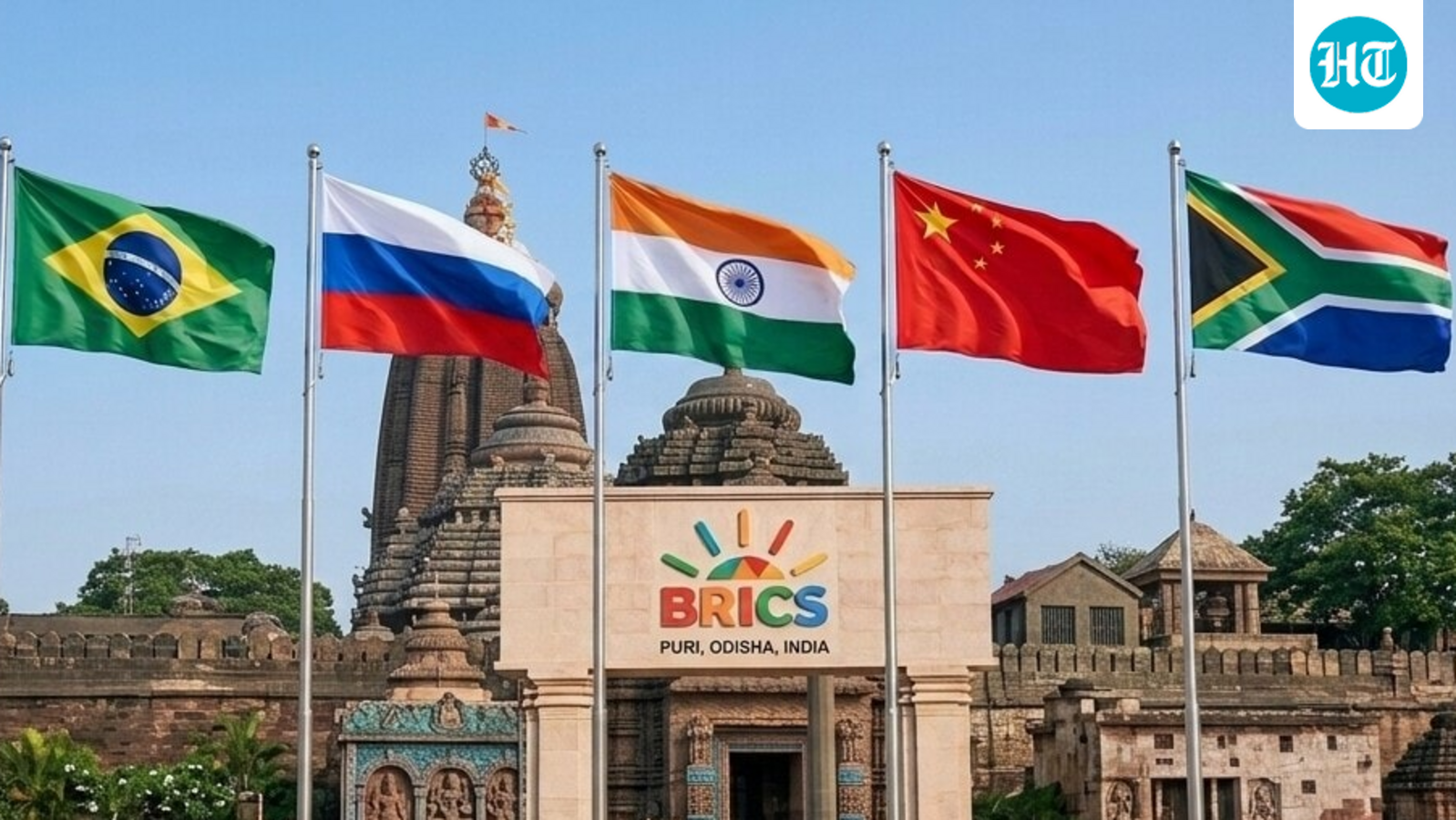
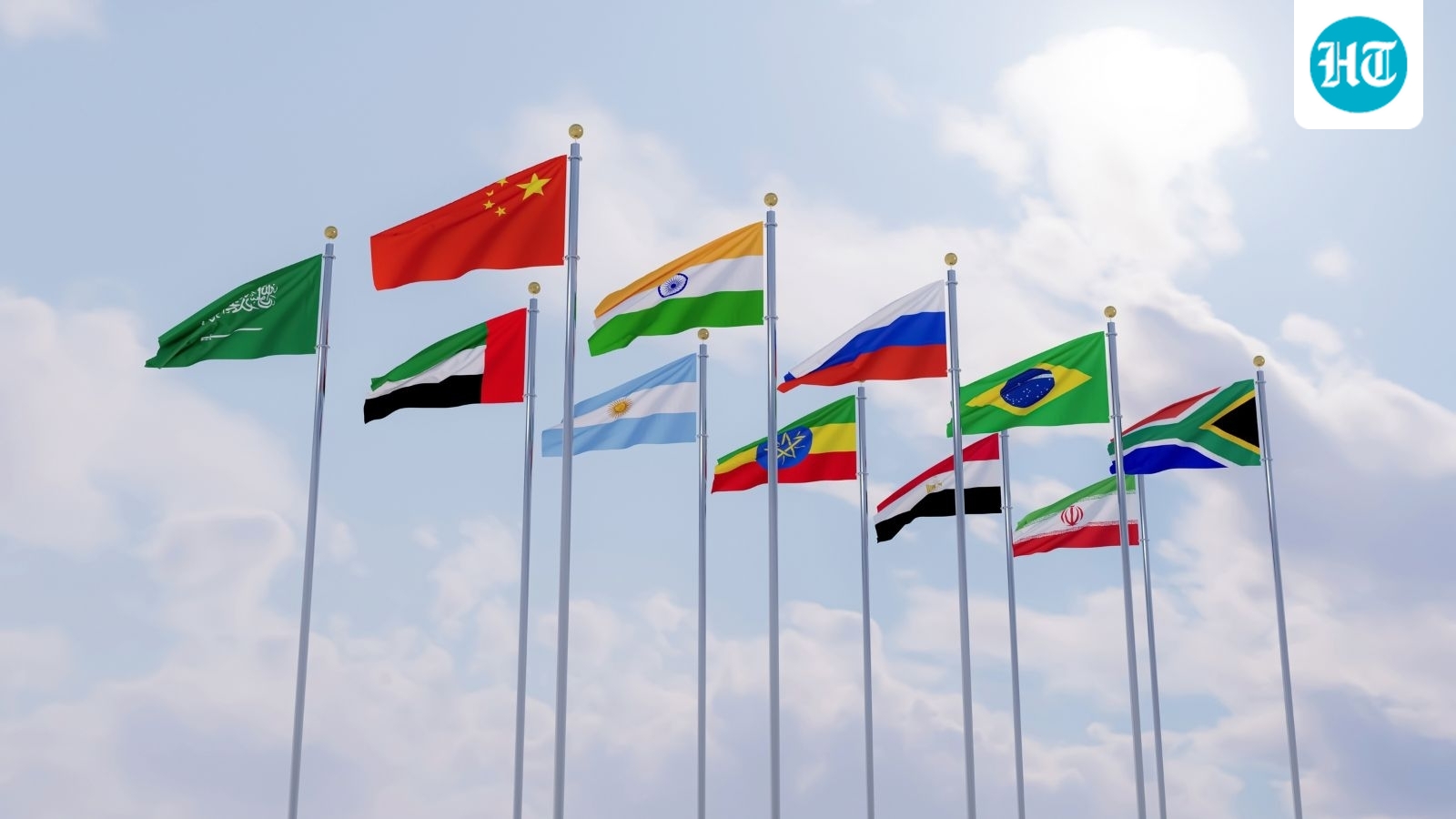
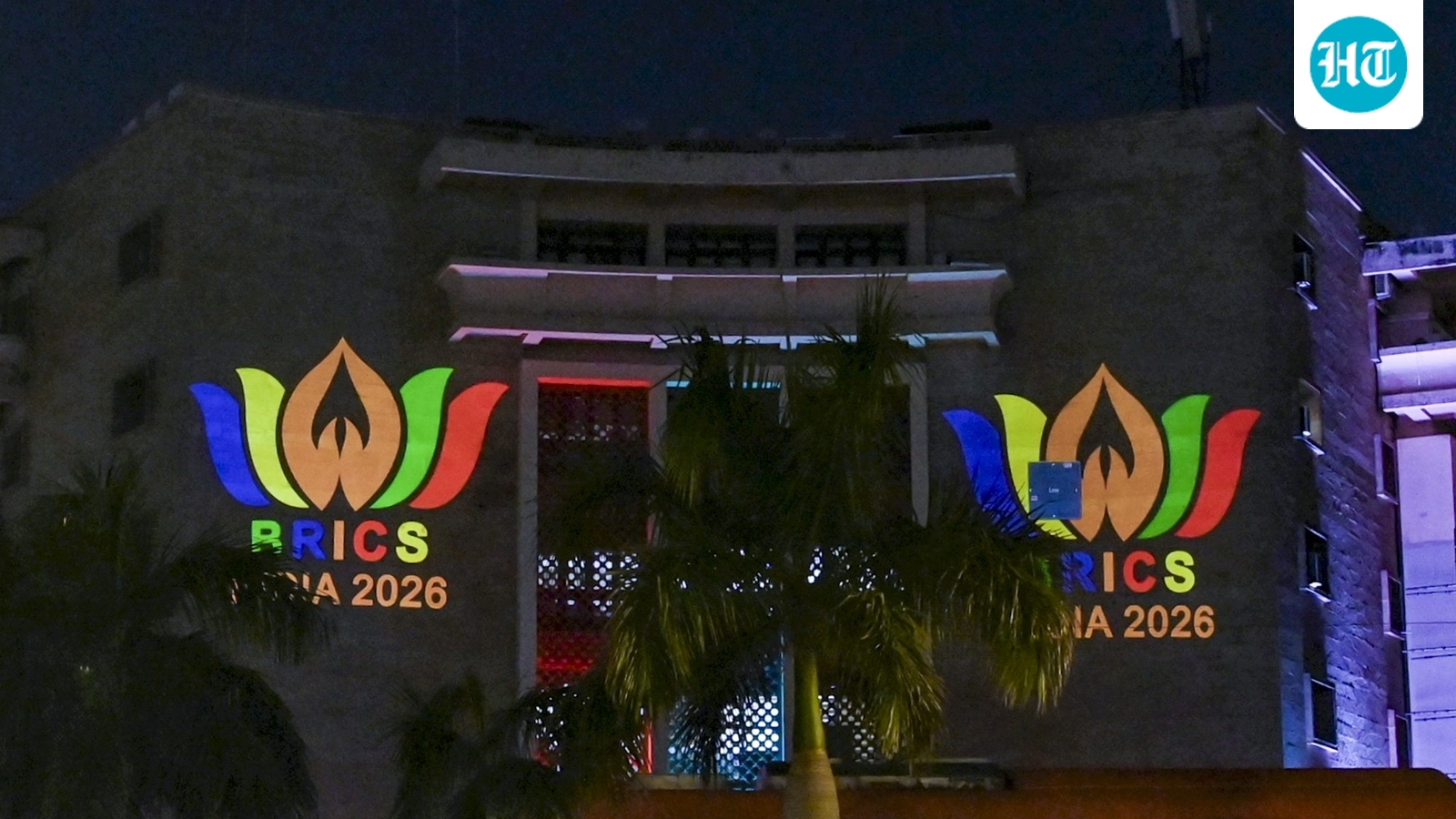
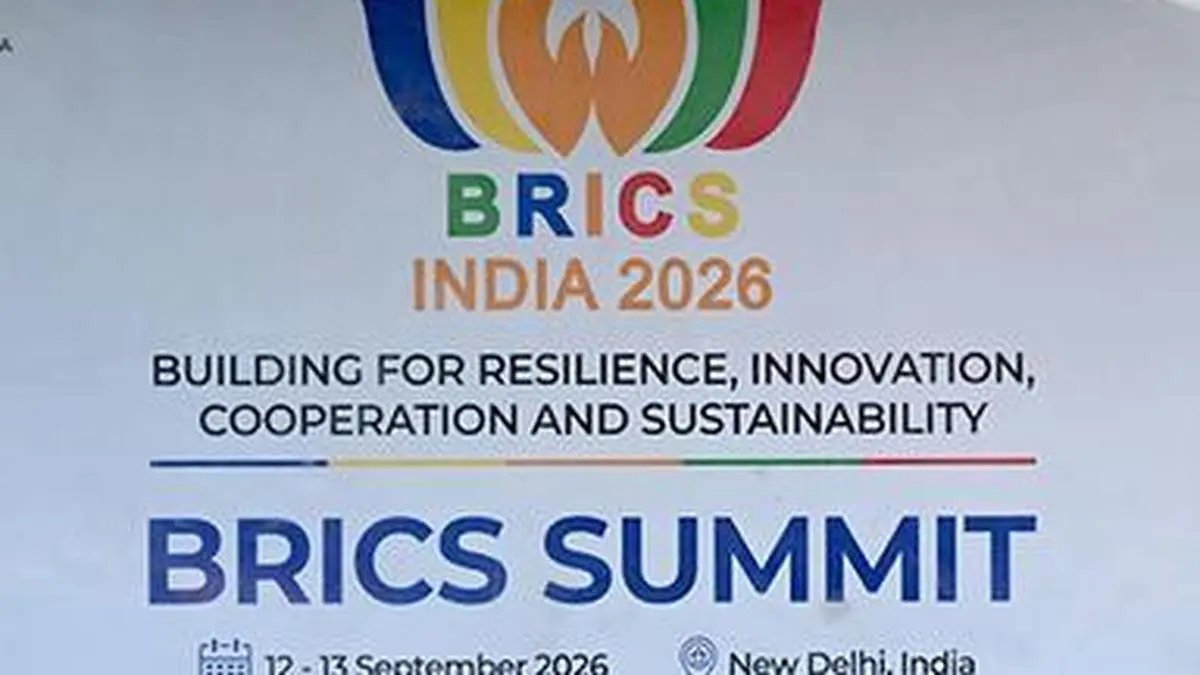
Three years ago, New Delhi put on a spectacle when world leaders descended on India’s capital for the Group of 20 summit. Colorful murals of Indian mythology adorned the city alongside elaborate statues, floral arrangements and welcome billboards featuring Prime Minister Narendra Modi.In the weeks before Russia’s Vladimir Putin and other expected leaders like China’s Xi Jinping arrive in India for the BRICS Leaders’ Summit on Sept. 12-13, the mood in New Delhi has been relatively subdued. The occasional BRICS logo and welcome banners have only just started cropping up in the streets of the capital and around New Delhi’s main convention center, where the conference will take place.Government officials in New Delhi have hardly mentioned the summit in their speeches, and the Ministry of External Affairs has published just 11 press releases with the BRICS tag between March 1 and Sept. 8, compared with 149 over the same period of time ahead of the G20 summit.A muted BRICS build-upPart of the reason for New Delhi’s muted approach is the diplomatic challenge it faces with US President Donald Trump, a vocal critic of BRICS. Trump sees the group — which expanded over the years from five to 10 full members now — as a threat to US geopolitical and economic influence. At the same time, the US is India’s biggest export market, and New Delhi is trying to keep relations with Trump on an even keel after a turbulent time last year marred by high tariffs.“Turning BRICS into a show or spectacle would send a signal that India doesn’t want to send now,” said Karthik Nachiappan, non-resident senior fellow at the Institute of South Asian Studies in Singapore. “The low-key approach is to find a balance without overdoing things: host it competently, extract some value from the margins,” but don’t let BRICS become “an optic of India’s foreign policy.”India’s Ministry of External Affairs didn’t respond to an emailed request for comment.Balancing BRICS and global tiesIndia has traditionally viewed BRICS as a platform to amplify the voice of “emerging economies” and promote a more multi-polar global order. That balancing act has become harder as tensions among members deepen and Beijing’s economic and political weight gives it growing sway over the bloc.Compared with India’s last BRICS in-person summit in 2016, this year’s gathering is notably subdued. Then, India held BRICS events across different states and planned more than 50 meetings between leaders both within and outside of government. New Delhi also organized business, academic, youth and cultural programs. By the end of the presidency a decade ago, India said it had held 115 BRICS-themed events.In January this year, India unveiled marketing and a website for its BRICS presidency under the theme of “building for resilience, innovation, cooperation and sustainability.” Subsequent publicity has focused on the event’s technical aspects — meetings covering areas like energy, trade, technology and youth — rather than a broader national campaign promoting the gathering.At the G20 summit, which is much bigger in scale, India put on an impressive show: New Delhi was festooned with elaborate murals, brightly lit fountains and ubiquitous G20 banners. Life-sized cut-outs of fang-baring langur monkeys adorned the city, a bid by officials to ward off New Delhi’s notorious macaques, in advance of arrivals by US President Joe Biden and leaders from Europe and Japan.Many of the G20 posters, including those featuring a grinning Modi, still adorn the occasional New Delhi bus stop or public restroom today.“The less fanfare around BRICS summit compared to the earlier G20 is likely due to the challenging geopolitical situation,” said Praveen Donthi, a senior analyst at the International Crisis Group. “The strained relations with the US, the war in the Middle East and the continued border dispute with China, which is the most dominant member of BRICS, likely contributed to the approach.”Officials in New Delhi say the G20 and BRICS aren’t directly comparable. India has hosted BRICS summits before, whereas its G20 presidency in 2023 was a first. Since assuming the BRICS rotating presidency on Jan. 1, India has organized 350 lower-level meetings, including of foreign ministers, national security advisers and business leaders, according to the officials, who asked not to be identified because the discussions are private.“BRICS is certainly a platform where there have been too many challenges this year,” said Harsh Pant, vice president at the Observer Research Foundation, a New Delhi-based policy research group. “I don’t think New Delhi would particularly want to hype it up.”More stories like this are available on bloomberg.comPublished on September 9, 2026