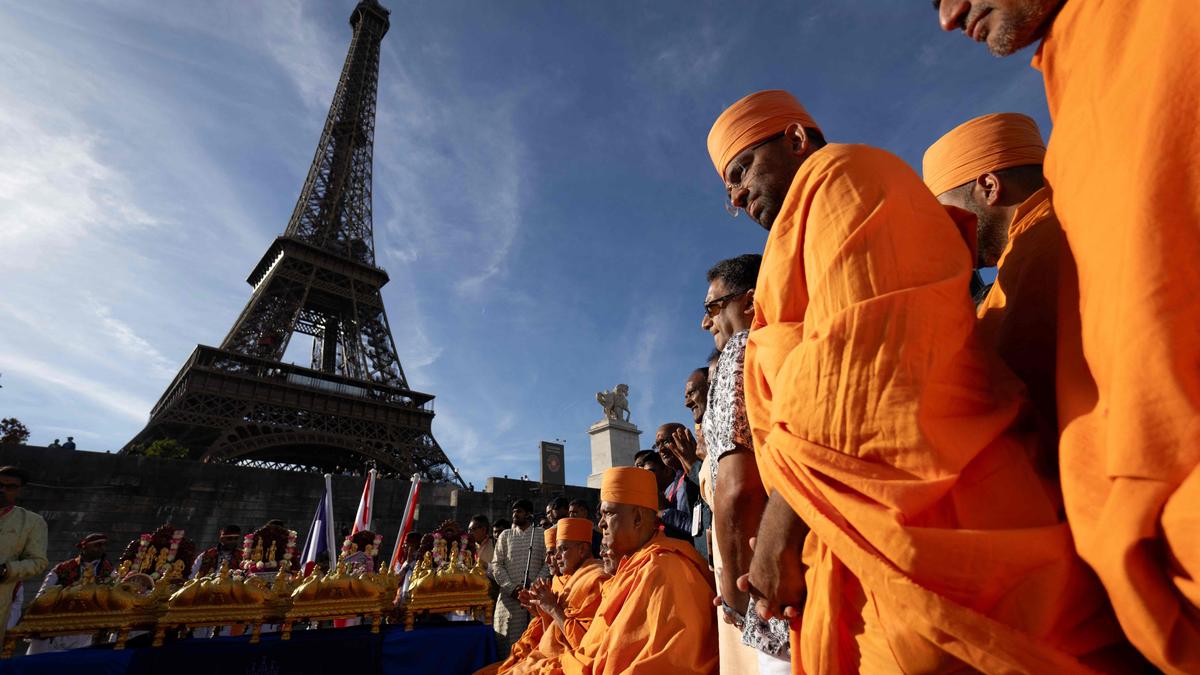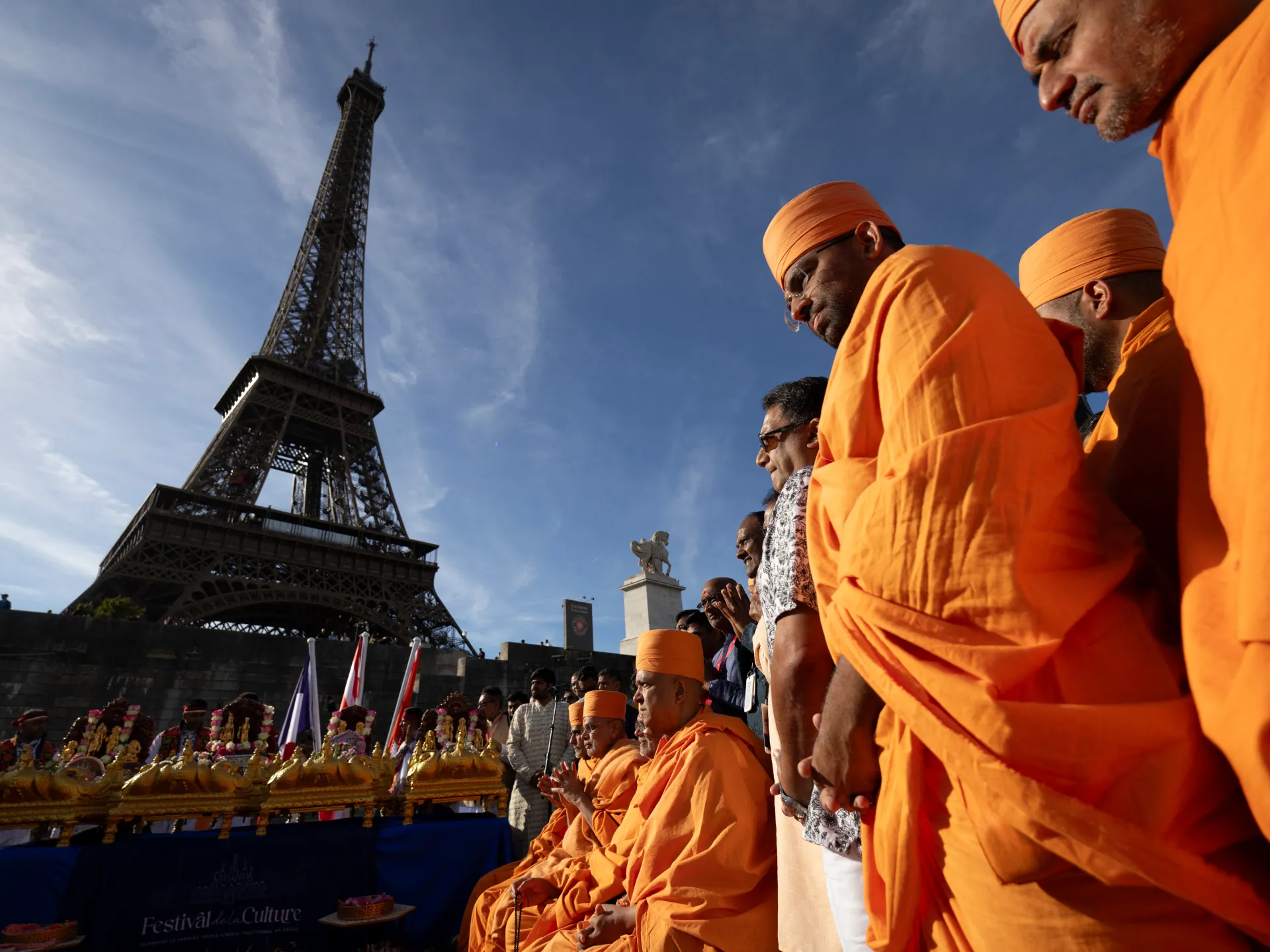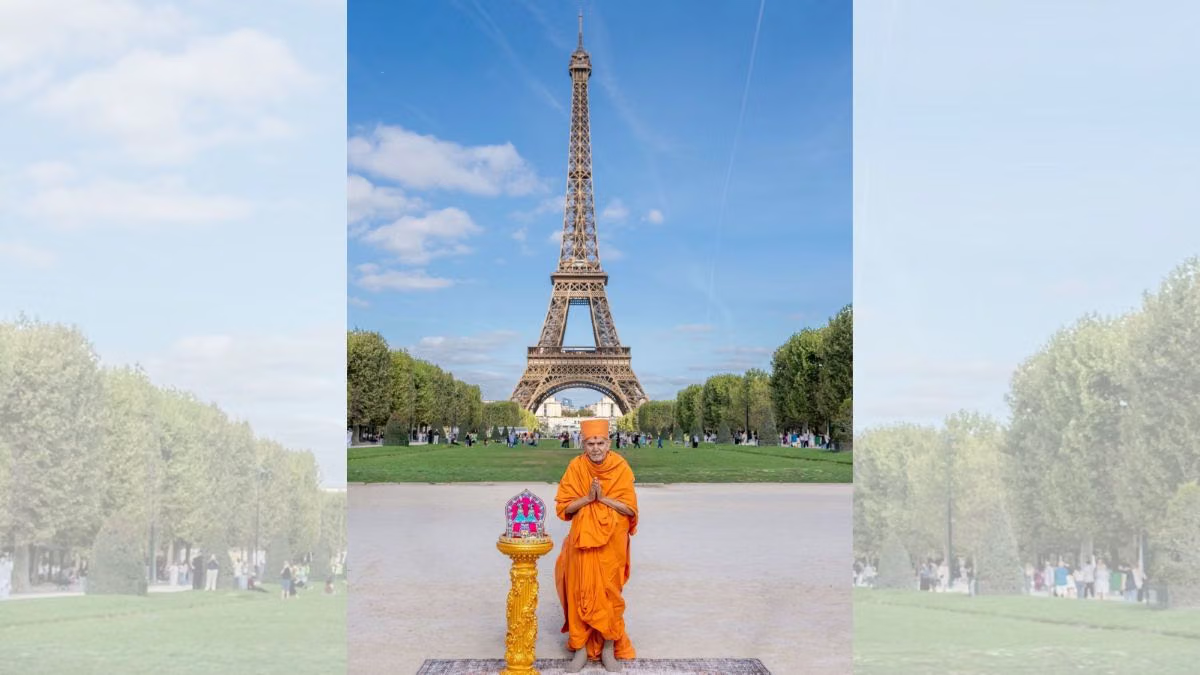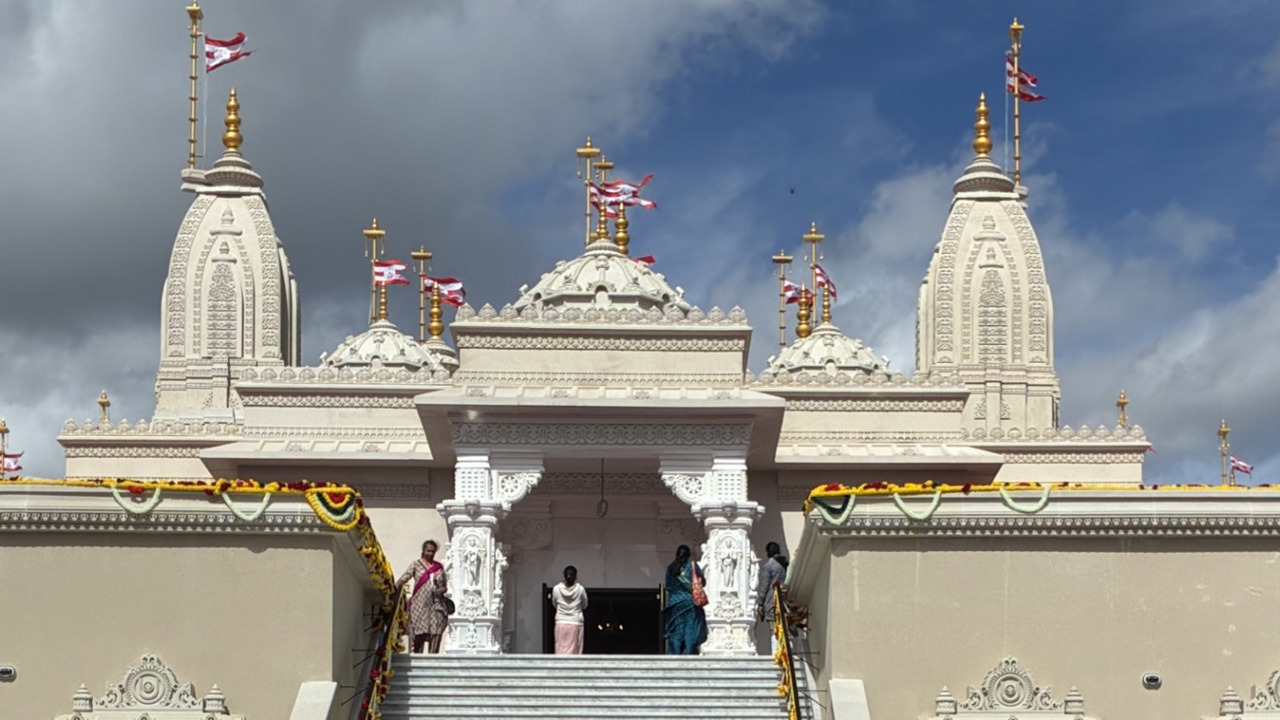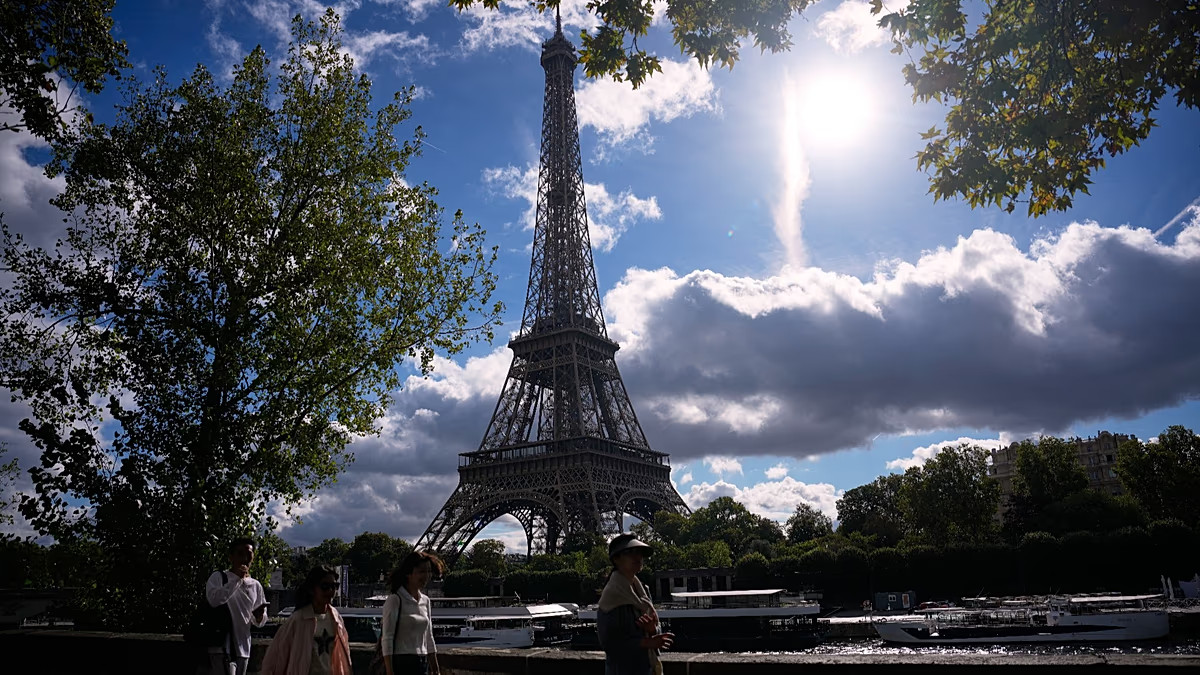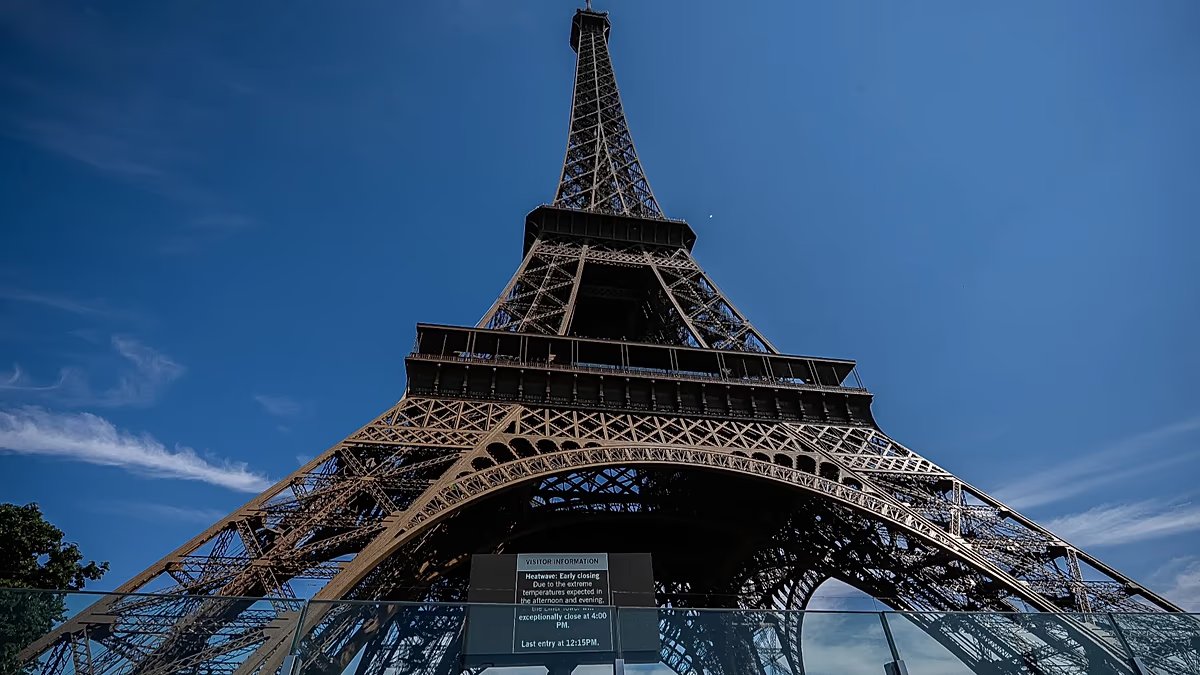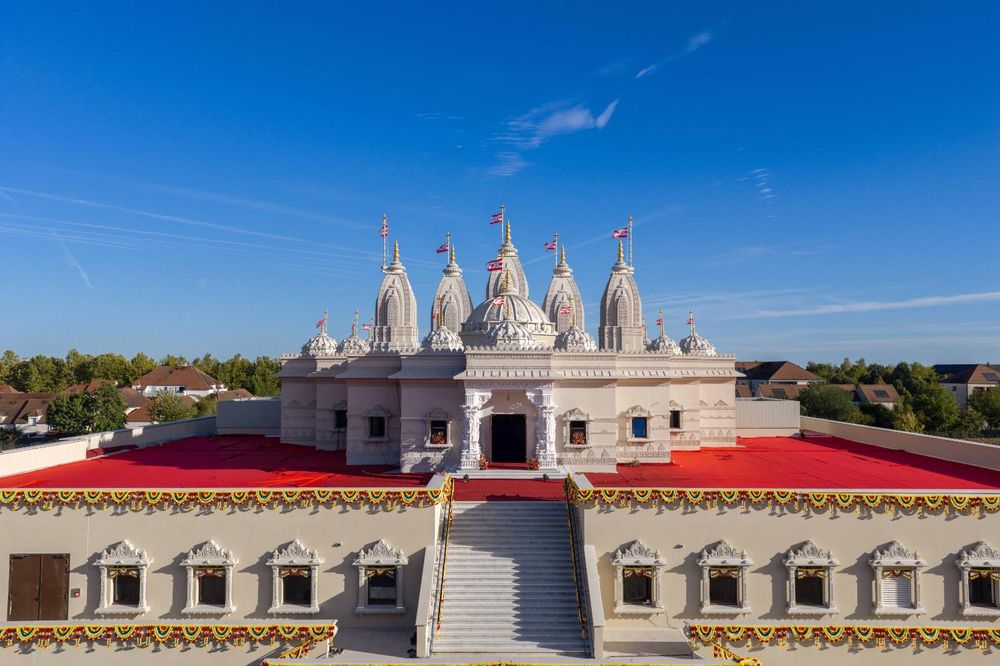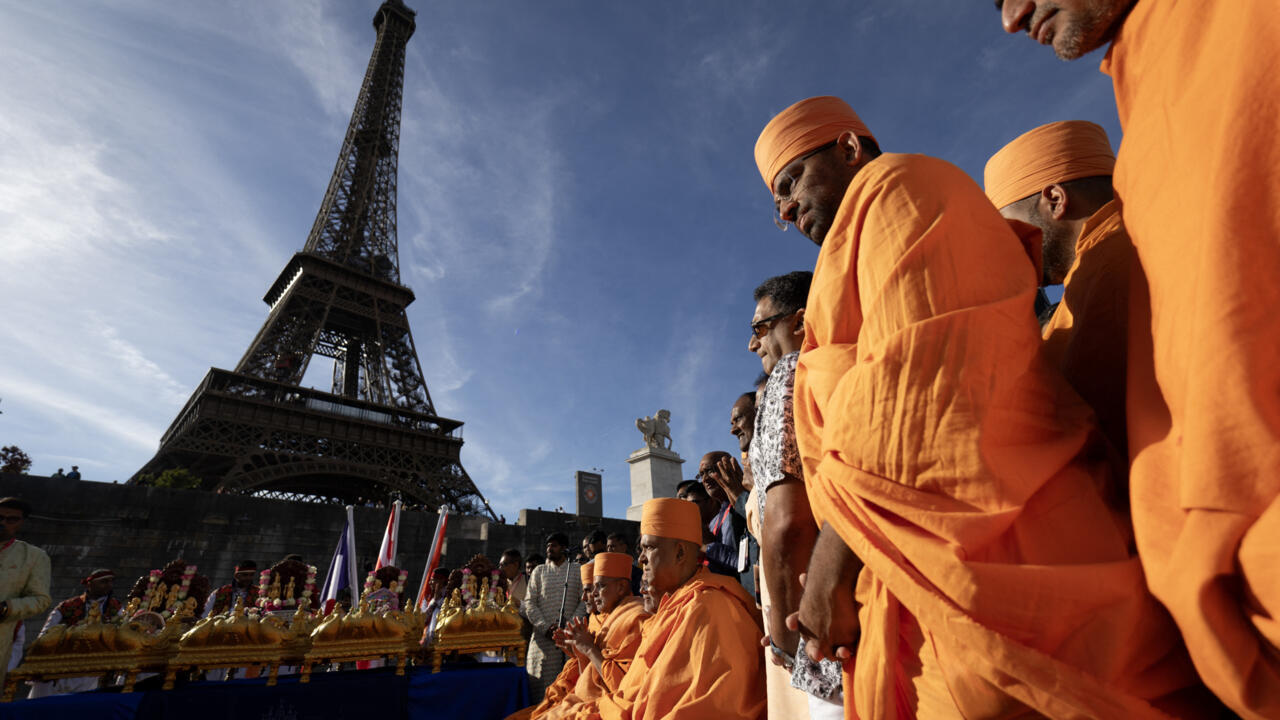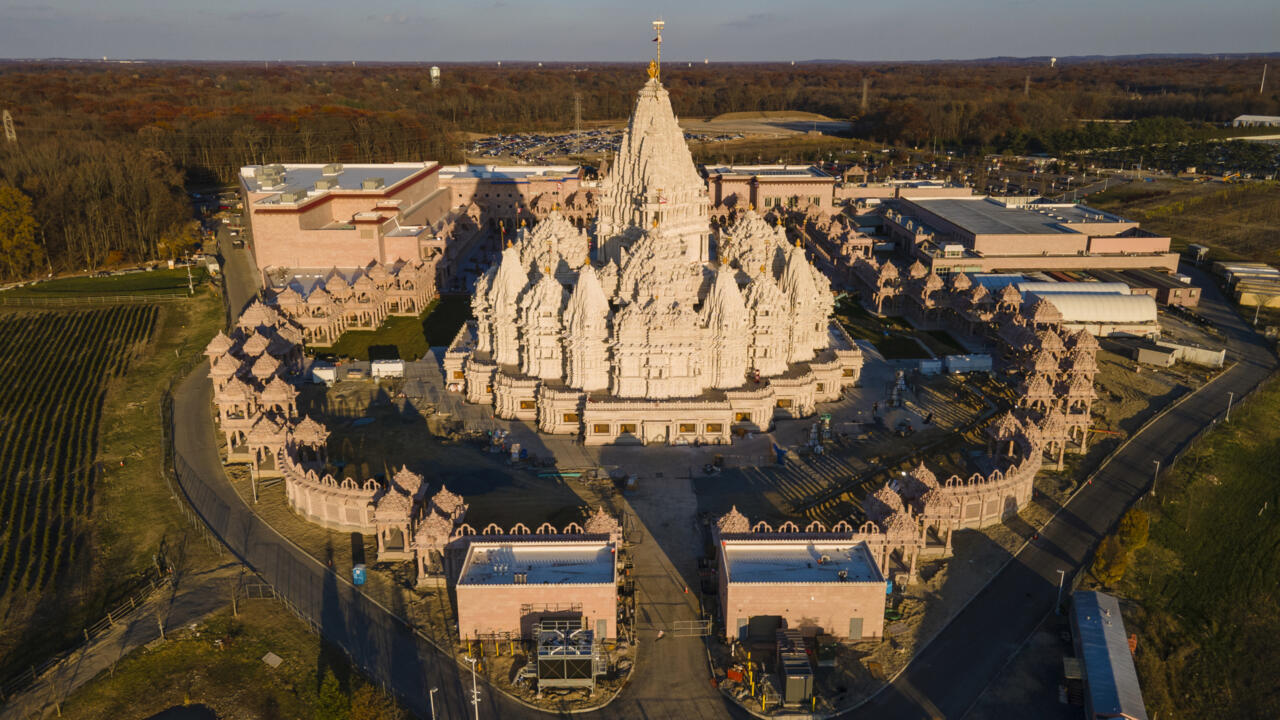
More than eight years ago, when Rajeev Y.* first heard about a job in the US from a local contractor in the western Indian state of Rajasthan, the stone carver was thrilled. “When we heard about the work opportunity, we thought it would be great – a good job outside India, a better life. It sounded like a dream,” said the stone worker who asked for his name to be changed for fear of retaliation and to protect his family in India. But Rajeev’s American dream soon turned into a nightmare. He was one of many Indian workers, mostly Dalits from the lowest rungs in India’s social hierarchy, who would go on to file a class action lawsuit in a US court against the Bochasanwasi Akshar Purushottam Swaminarayan Sanstha (BAPS). The Hindu sect made headlines in France this week when Eiffel Tower staff went on strike to protest the removal of female employees from the Paris landmark during a private visit by BAPS religious leaders and members. Back in 2018, when Rajeev landed in the US, little was known in the West about the conservative Hindu sect whose fortunes – and opulent temples – have flourished since Indian Prime Minister Narendra Modi came to power. Read moreEiffel Tower row over Hindu temple unites French politicians – but divides Indian diaspora By 2021, American audiences would be better informed as US media detailed allegations of forced labour, abuse, trafficking and violations of immigration laws against BAPS. The Hindu sect has consistently and strenuously denied the charges. While public awareness has now increased, Rajeev is still seeking justice. Since he arrived in the US eight years ago, the 35-year-old father of three has not been able to hold or play with his children in India. For his kids, “Dad” has turned into a virtual figure on video calls, the one who is working hard abroad, and often against the odds, to provide them with a better life. ‘Just stones, stones, stones’ Rajeev’s American nightmare began shortly after he arrived at a massive BAPS temple construction site in Robbinsville, New Jersey. “First, they took our passports. Then they told us that if we ever try to go out of the compound, and if we get in trouble, without our passports the police will take us away and put us in prison,” he said in Hindi during a phone interview from the US. The temple site, though, was a “central prison” for the workers, said Rajeev, using the term in English. “The life in America looked very nice. But not for us. Our work was within the temple, no going out, no talking to people. We had no freedom – only do the stonework, just stones, stones, stones.” The state of Rajasthan is renowned for its skilled stone carvers. Its sandstone hills in varying shades of ochre ranging from salmon pink to deep red provide colour and grace to some of India’s most iconic landmarks. The capital, Jaipur, also called “the Pink City”, is a walled city on the UNESCO World Heritage List with spectacular structures such as the Hawa Mahal, or “Palace of Winds”. For centuries, Rajasthan’s stone carvers have excelled at jali, or latticework, that gives stone the appearance of the finest lace. The carving expertise and skills are passed on within families through the generations, making Rajasthan a hiring ground for temple constructors. It’s a skillset in high demand for BAPS, a religious institution renowned for its mega temples across the world built in the traditional style. The BAPS temple in a Paris suburb, which was inaugurated over the weekend, is just one of more than 1,300 temples and more than 5,025 centres managed by the Hindu sect across India, North America, Europe, West Asia, Africa and Australia.
How a former BAPS temple worker in the US got his freedom, but still seeks justice
The Bochasanwasi Akshar Purushottam Swaminarayan Sanstha (BAPS) Hindu sect at the heart of the Eiffel Tower strike made headlines in France during the inauguration of its latest temple near Paris. In…
1,963 words~9 min read