A row over the treatment of female staff at the Eiffel Tower has put a Hindu movement at the centre of a controversy in France. An India specialist told RFI that BAPS, which has close ties to Indian Prime Minister Narendra Modi, has become an important vehicle for his soft-power diplomacy abroad.
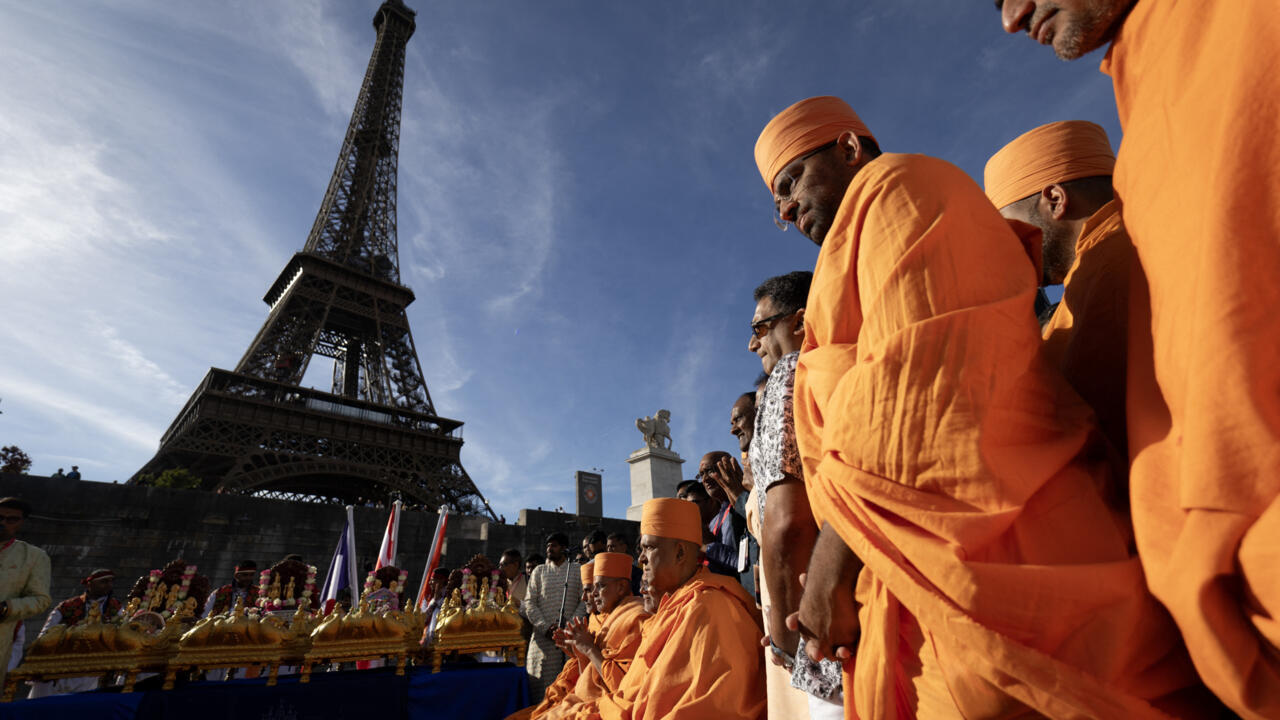
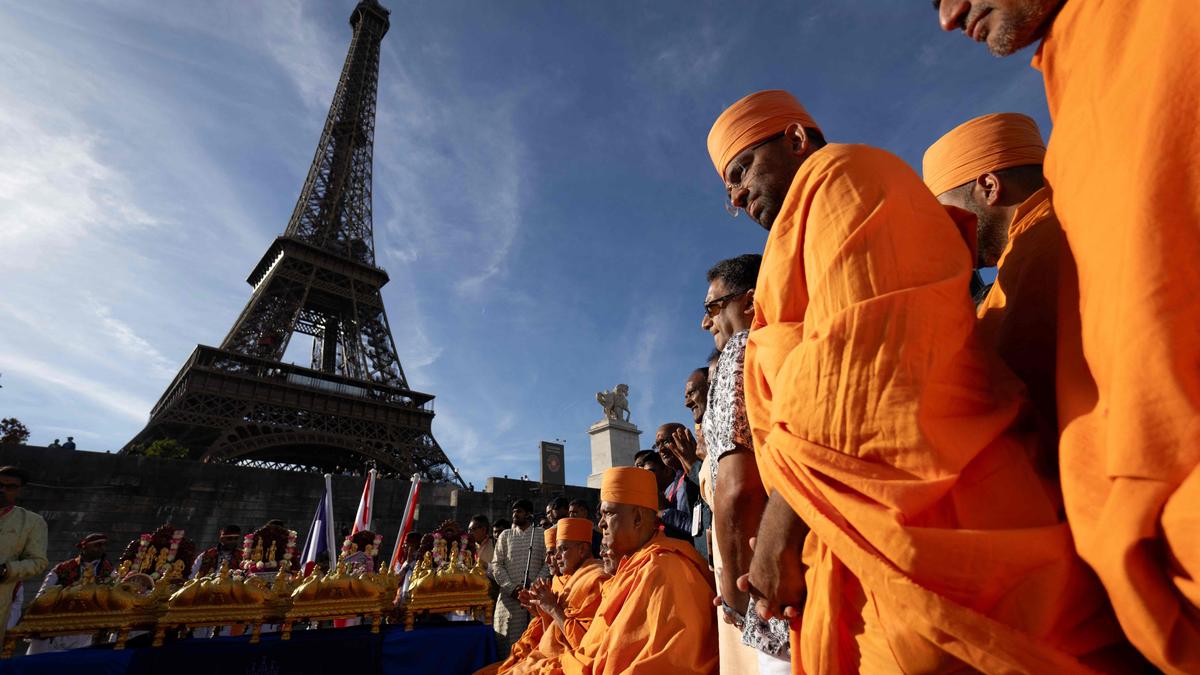
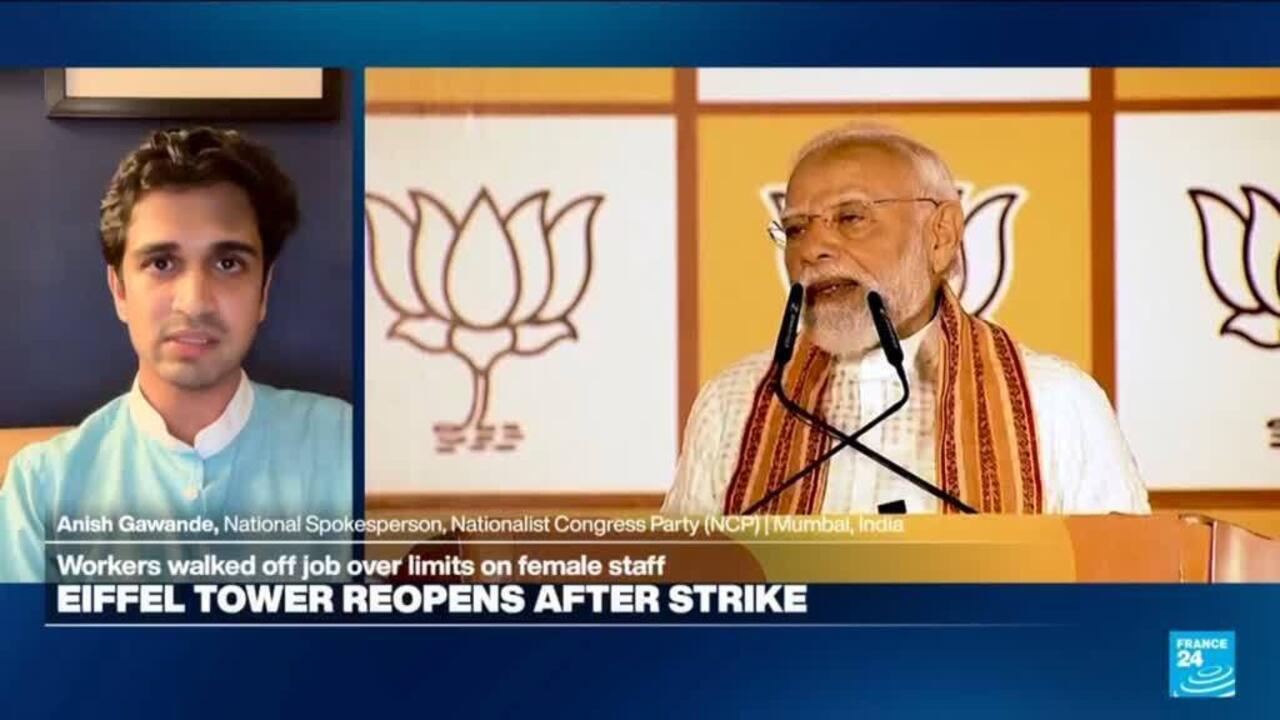
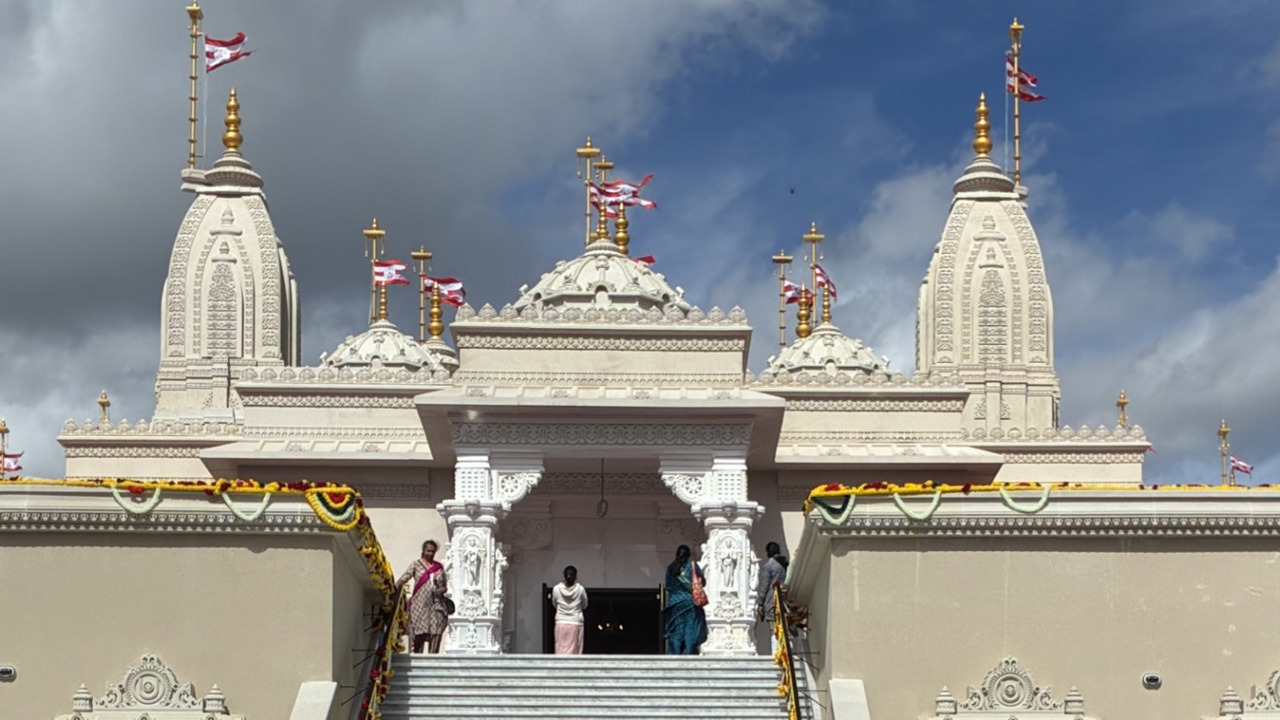
The controversy began after around 100 people linked to BAPS – the Bochasanwasi Akshar Purushottam Swaminarayan Sanstha – made a private visit to the Eiffel Tower on Saturday. Female employees were asked to leave their workstations as the delegation passed so that men could take their places, a staff representative said. Employees protested on Monday, temporarily closing the monument. Paris mayor Emmanuel Grégoire announced an investigation, and the Eiffel Tower reopened on Tuesday. BAPS denied making a gender-based request and apologised for any hurt or inconvenience caused. The visit came a day before BAPS inaugurated a large new temple in Bussy-Saint-Georges, east of Paris. Modi joined the inauguration by video link. The movement has a relatively small following within Hinduism but a large international network, particularly among the Gujarati diaspora – people from the western Indian state of Gujarat. From memes to political movement, India's 'Cockroach' party leads youth revolt India specialist Christophe Jaffrelot, a research director at the French National Centre for Scientific Research (CNRS), told RFI about BAPS's growing role in Modi's push to project Indian influence abroad. RFI: BAPS is accused of promoting an ultra-conservative vision of society. Where does the movement come from and what does it represent today? Christophe Jaffrelot: It is first and foremost an organisation from Gujarat, where it was founded in the early 20th century and which remains its stronghold. In India, there are very few BAPS temples outside Gujarat. There is one in New Delhi, the capital, which serves somewhat as a showcase, but that's about it. However, Gujaratis have spread around the world and make up the largest Indian diaspora, so there are BAPS temples everywhere – from southern Africa to Canada, as well as the United States, the United Kingdom and Australia. That is where you find the major BAPS temples. In terms of numbers, BAPS represents relatively few people. The vast majority of Hindus do not follow the movement. But its closeness to India's political elite makes all the difference today. Its followers may not be very numerous, but they are highly influential. RFI: Does BAPS's conservative vision of society align with Modi's Hindu nationalism? CJ: Modi, who comes from Gujarat, has had close relations with BAPS for 40 years. BAPS priests endorsed and legitimised him when he came to power in 2014. Modi subsequently defended and protected them. When the 2001 earthquake destroyed hundreds of thousands of homes in Gujarat, he became the state's chief minister and relied on the movement for reconstruction. BAPS is very wealthy and rebuilt in its own way, putting its temples at the centre of villages and ensuring that Dalits, formerly known as “untouchables”, and Muslims were excluded. It is a mutually beneficial relationship. Modi receives religious blessing and legitimacy, while these religious figures strengthen their position in Gujarati society thanks to his support. Modi has used this movement as a representative of Hinduism for his soft-power policy. BAPS is the spearhead of that policy, which is why he personally inaugurates BAPS temples around the world. Modi travelled to Abu Dhabi to do so in 2024. For the French temple, he participated by video link, but he still took part.