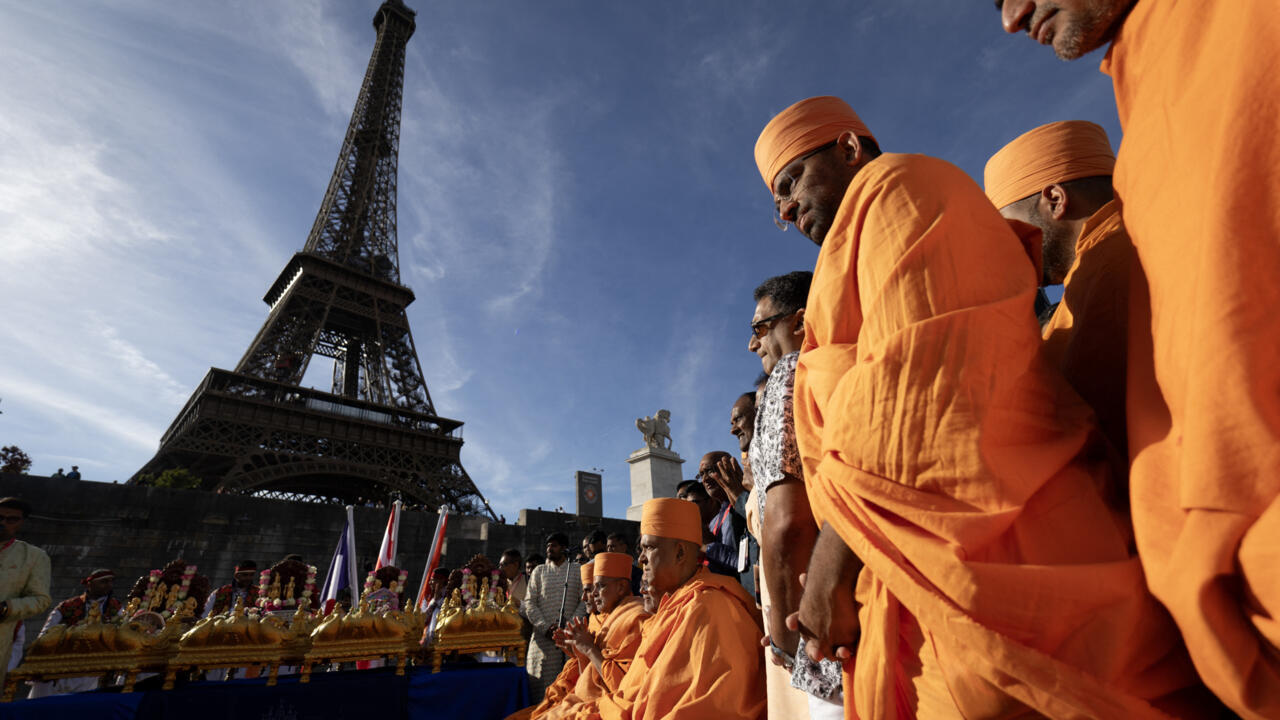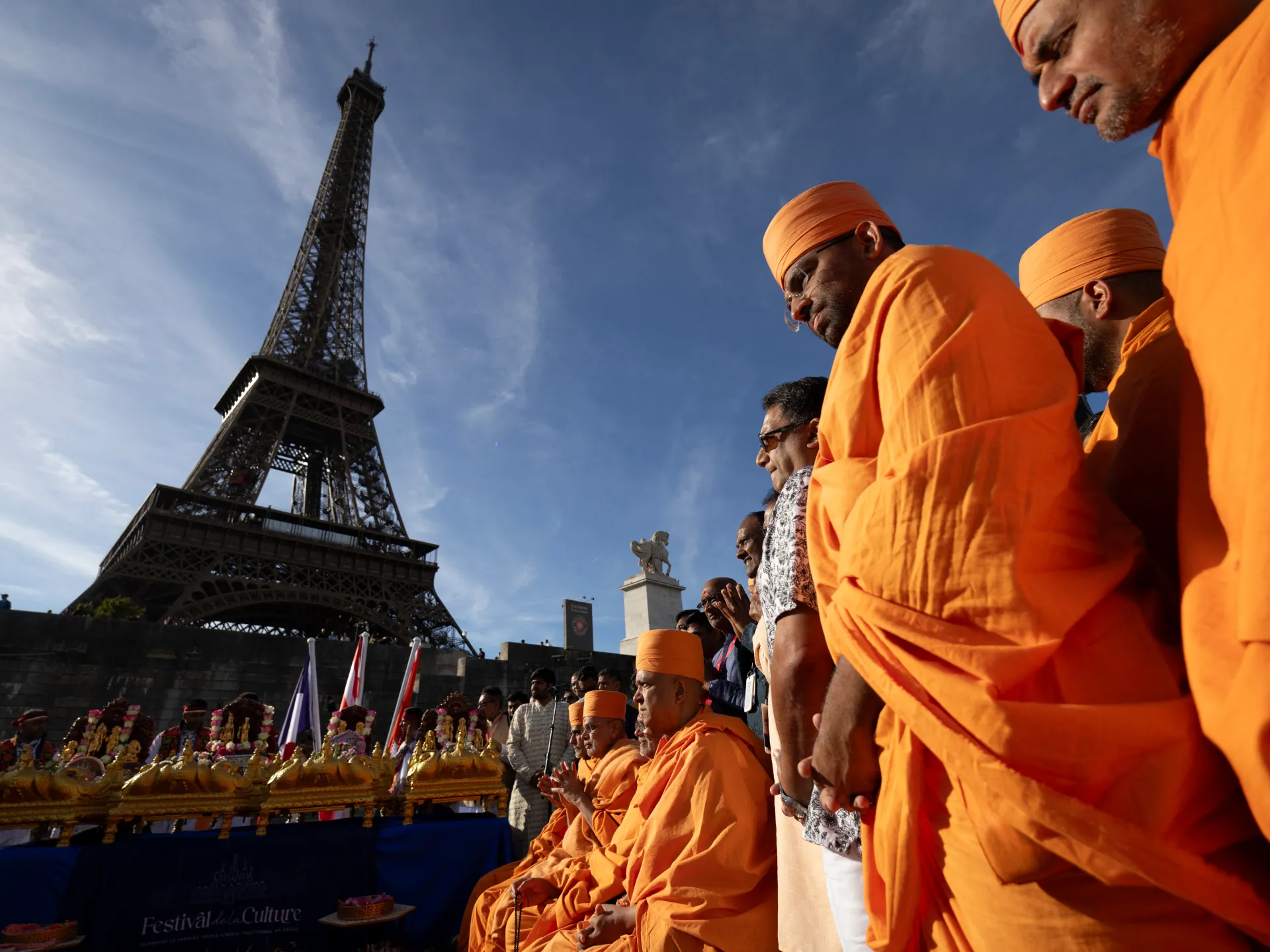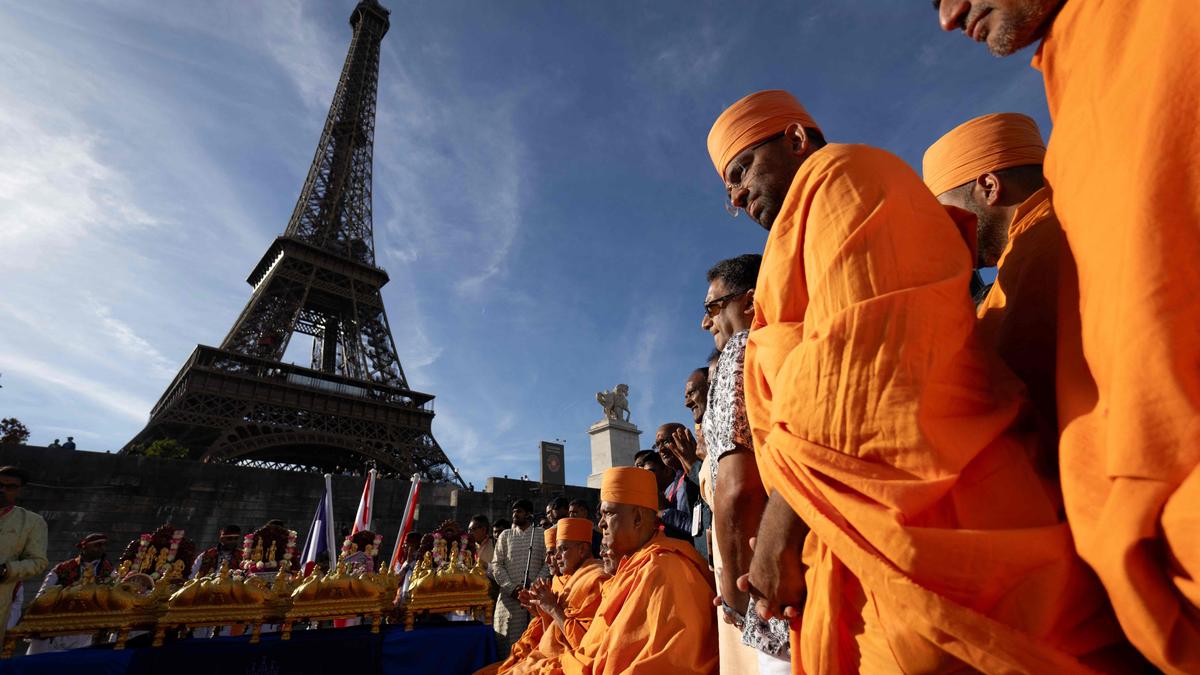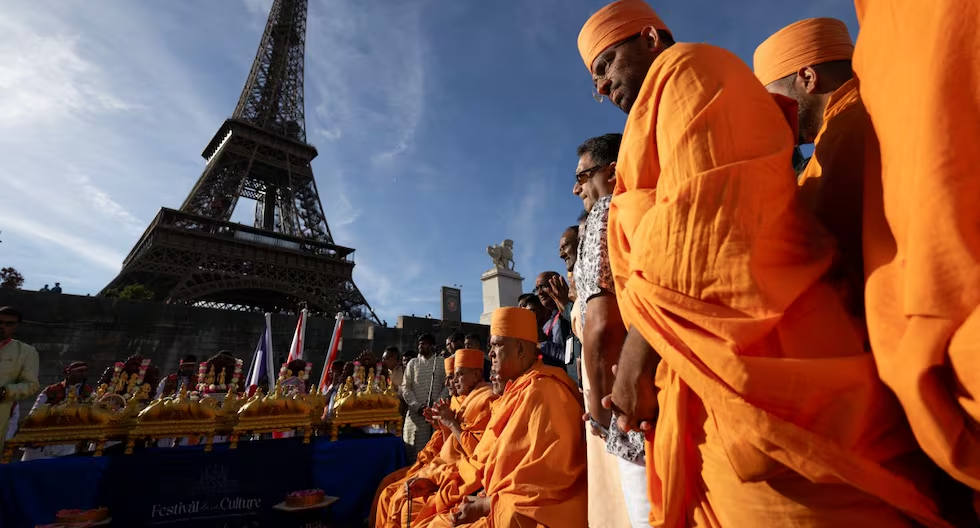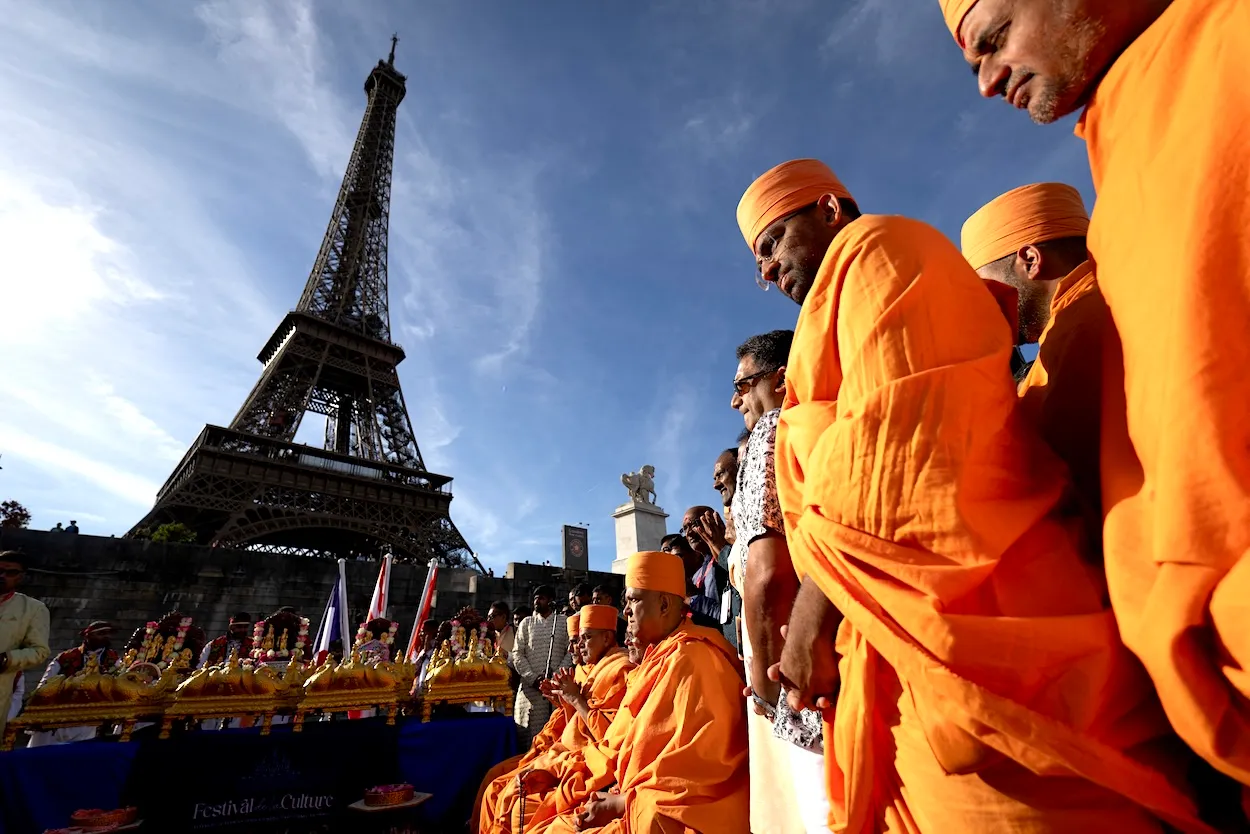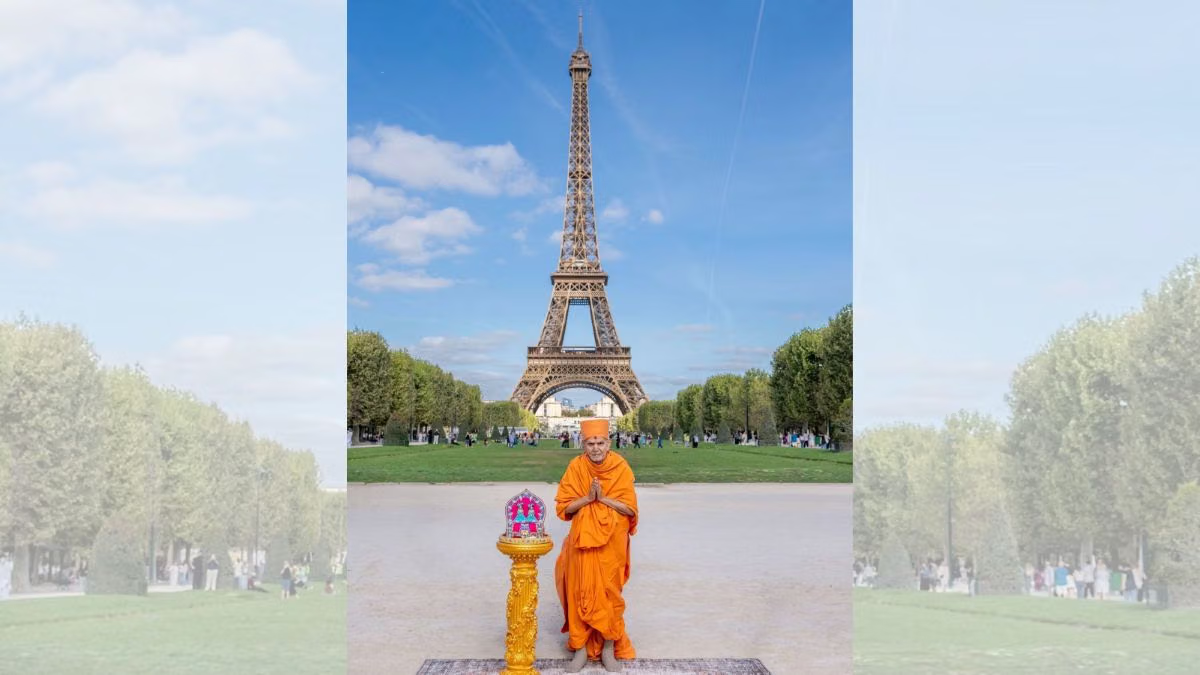
The recent uproar over barring female staff at the Eiffel Tower during a visit by monks of BAPS, the most powerful branch of the Swaminarayan sect, has spotlighted not only the sect’s controversial practice of separating monks from women by restricting women’s presence but also their influence far beyond India.
From its inception, the Swaminarayan sect enforced strict separation from women. Founded by Ghanshyam Pande of Uttar Pradesh, who later took monastic vows as Swami Sahajanand, the sect claimed to serve the so-called lower castes (though not Dalits) and quickly drew a mass following.The sect and its founder soon faced fierce criticism from Swami Dayanand Saraswati, founder of a Hindu reform movement, Arya Samaj. Swami Dayanand accused Sahajanand of deceiving the masses and openly denounced sects such as Swaminarayan, Vallabh, and Ramanuja.
In one fiery discourse near Surat, his attack provoked such outrage that the gathering pelted bricks at him.Like many flourishing sects, the Swaminarayan tradition splintered into rival factions, each claiming its own gadi (seat of authority). One such rupture occurred between the Vadtal temple and one of its saints, Shashtri Yagnapurushdas, who founded a new branch in the nearby village of Bochasan, hence the name Bochasanvasi Akshar Purushottam Sansthan (BAPS).Many Patels of Charotar, a fertile region in central Gujarat, were among the earliest devotees, at a time when Patels were ranked as Shudras and denied parity with higher castes. Sardar Patel’s father, Jhaverbhai, was a devoted follower of Shashtri Yagnapurushdas.When the feud escalated to the courts and a warrant was issued against Shashtri Yagnapurushdas, Jhaverbhai turned to his lawyer son for help. Sardar obliged, but not without his trademark bluntness:“A warrant against Maharaj? He is the incarnation of God Purushottam, powerful enough to free us from worldly bonds. How dare anyone think of arresting him? … You ought to give up these sadhus. Those who intrigue, quarrel, and rush to the courts will not help us in this world, and even less in the next.”, according to an excerpt from Patel’s biography, Rajmohan Gandhi’s Patel: A Life.The question of exclusion