KATHMANDU/BEIJING: More than six decades ago, Nepal's King Mahendra defied concerns about opening his Himalayan kingdom to communist China and backed the construction of a highway from Kathmandu to the Tibetan frontier.It was both a road and a statement of intent: landlocked Nepal, overwhelmingly dependent on India for access to the outside world, wanted another way north.Amid fears that the highway could become a conduit for Chinese influence, Mahendra famously said that “communism does not travel by taxi”.Since then, Nepal has sought greater connectivity with China partly as an economic counterweight to its overwhelming dependence on India, the country’s largest trading partner and the source of about 60 per cent of all its imported goods.
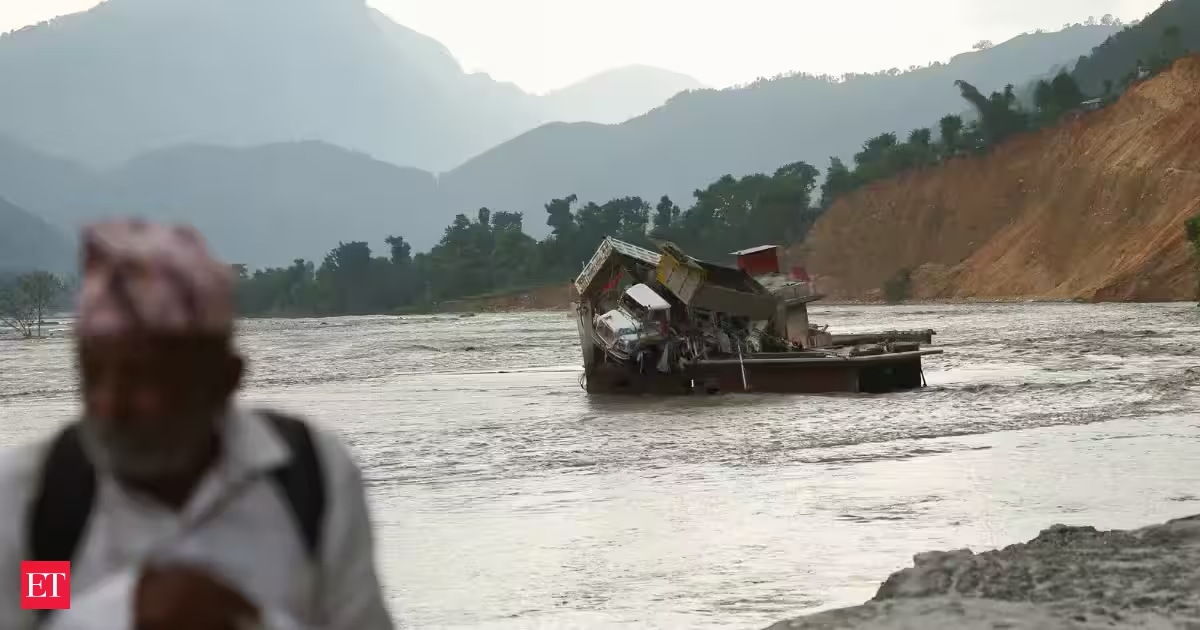
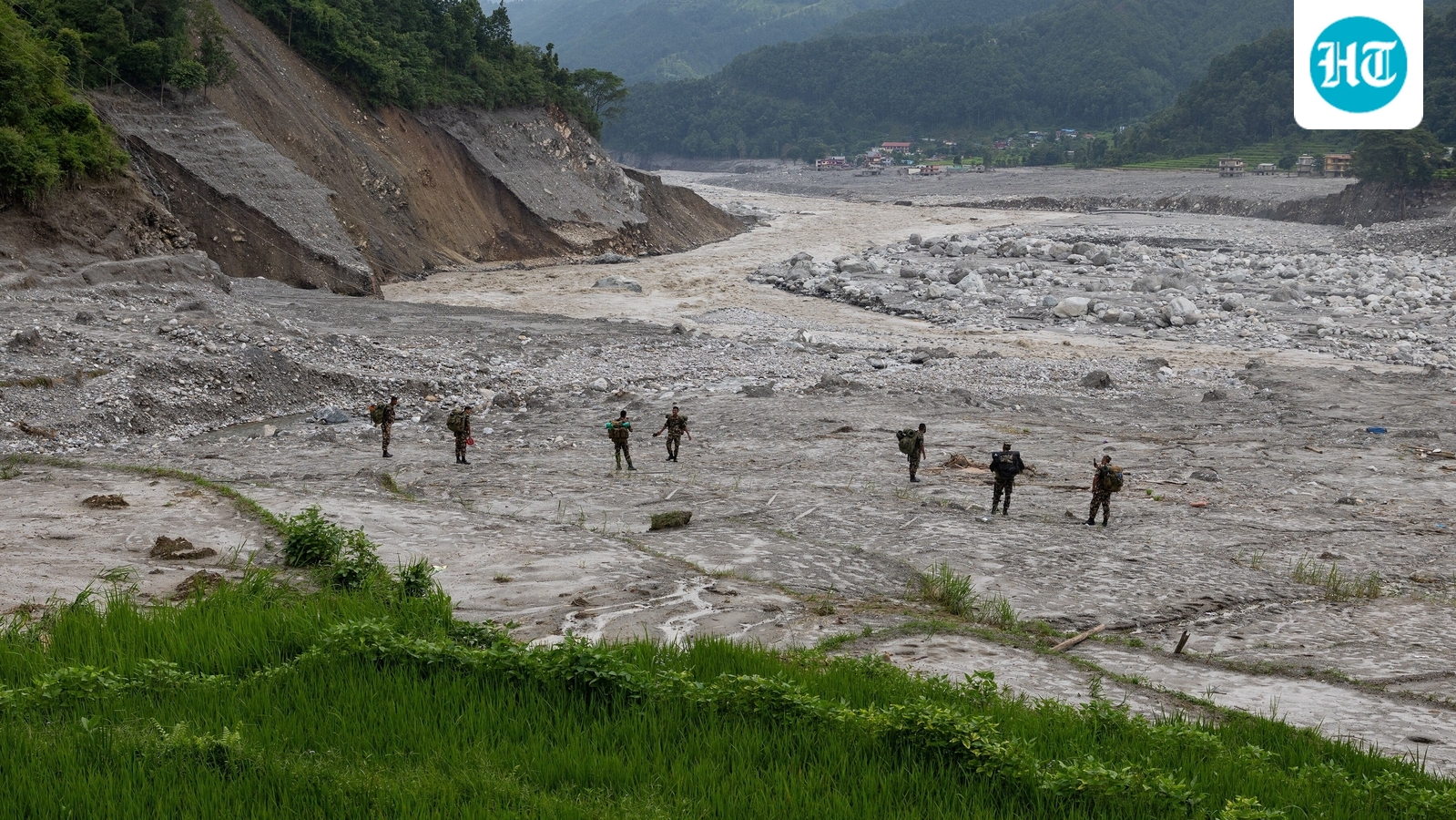
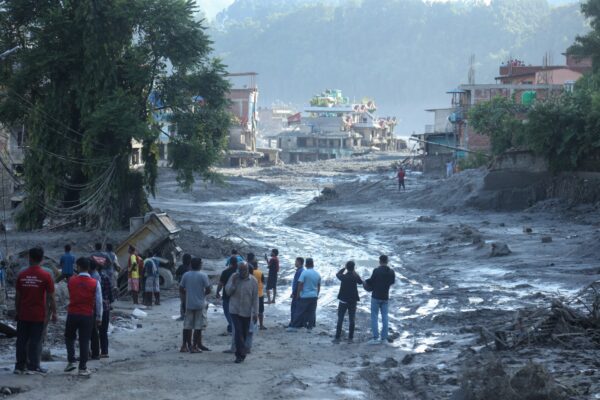
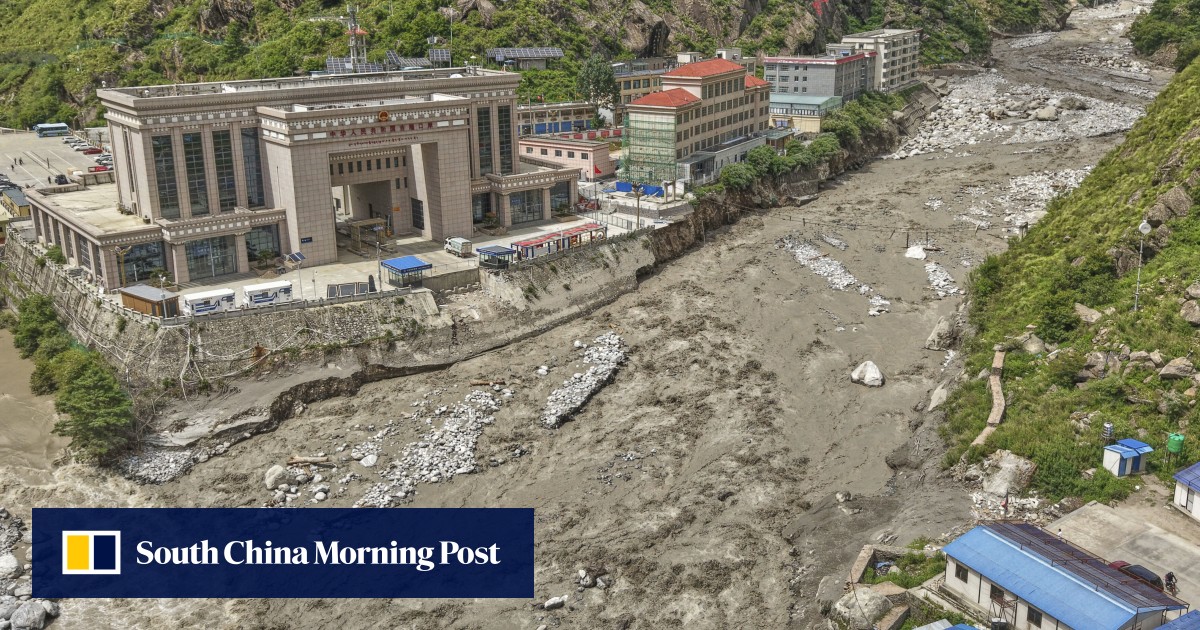
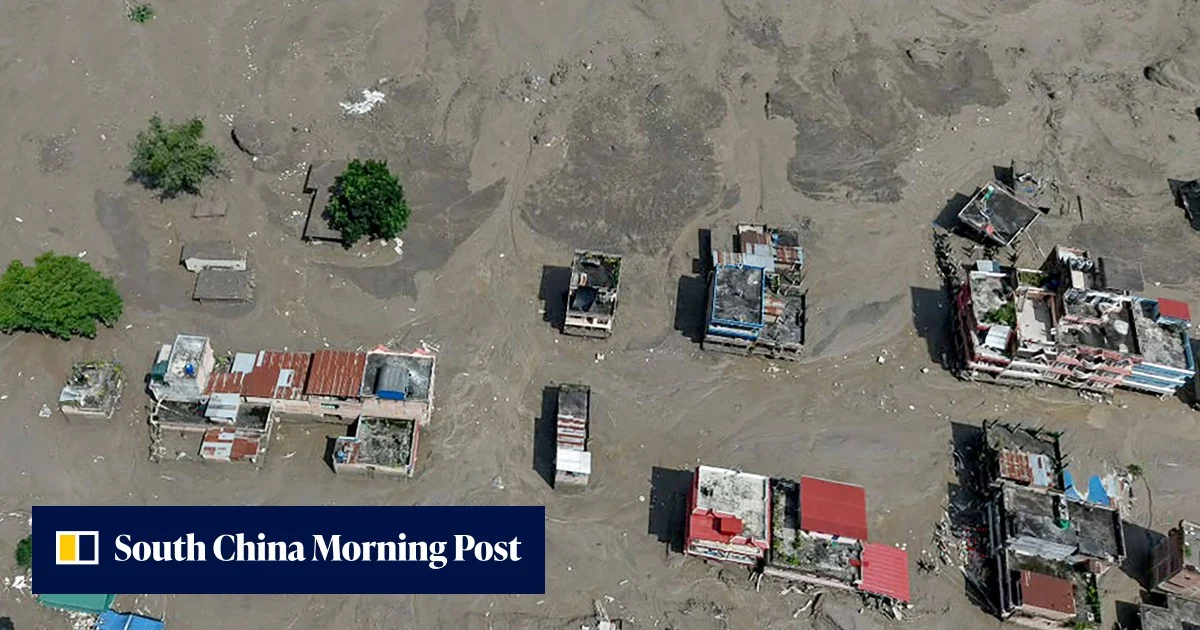
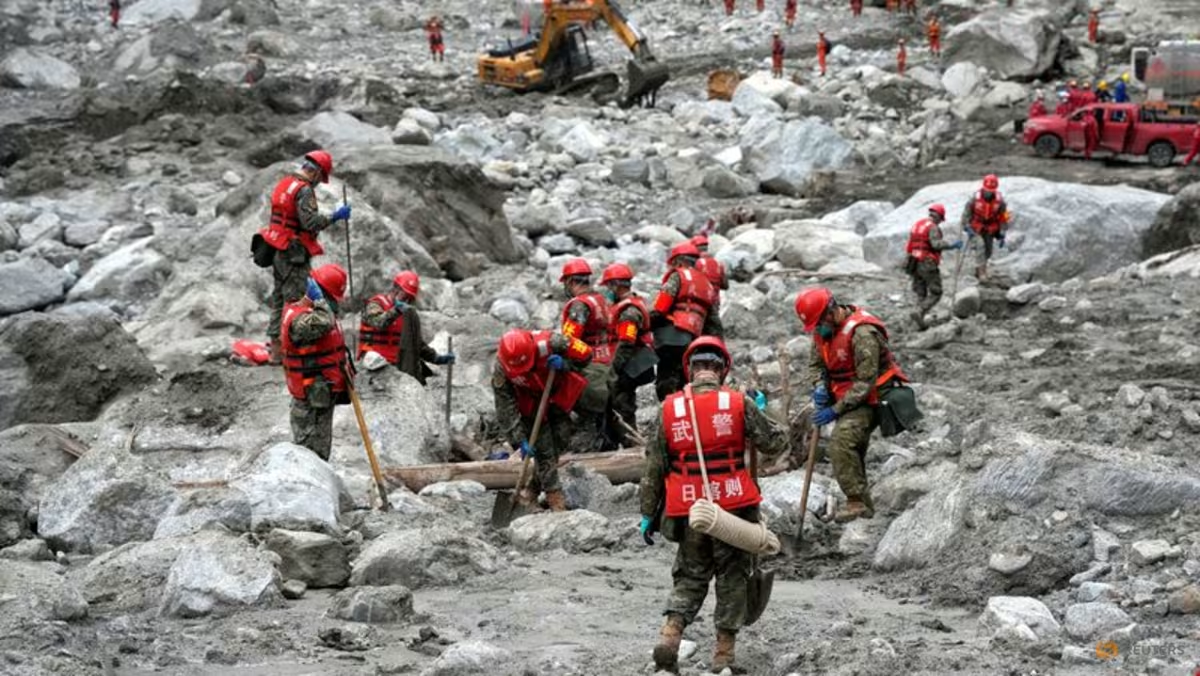
The latest deadly floods, which wiped out Nepal’s principal trading route with China, have exposed the physical vulnerabilities of that strategy just as trade, investment and geopolitical importance have grown with its northern neighbour, experts told CNA.On Aug 26, the collapse of part of a glacier and underlying bedrock triggered a devastating flood through the Bhote Koshi-Trishuli river system in north-central Nepal.The death toll from the flood stands at 1,357 as of Sep 9, with more than 5,300 people still missing. It also destroyed critical infrastructure along a trade corridor used heavily for Chinese garments, footwear, consumer electronics and, increasingly, electric vehicles (EVs).At least 55km of road needs to be rebuilt, while more than 100 bridges were damaged or destroyed in Nepal, according to the country’s disaster authority.Critically among the ruined infrastructure was the Rasuwagadhi-Gyirong border crossing with Tibet, which handles close to 11 per cent of Nepal’s imports from China and nearly half of its relatively small exports in the other direction.“Because of the disaster, we are in an unimaginable situation right now. We lost all the trucks that were in the process of bringing goods from across the border,” said Bhagwan Thapa, an importer for Musa Logistics, a company that specialises in cross-border trade with China.“All the goods that had arrived for the festival season have been carried away. Half of the cargo vehicles are no more,” he told CNA.