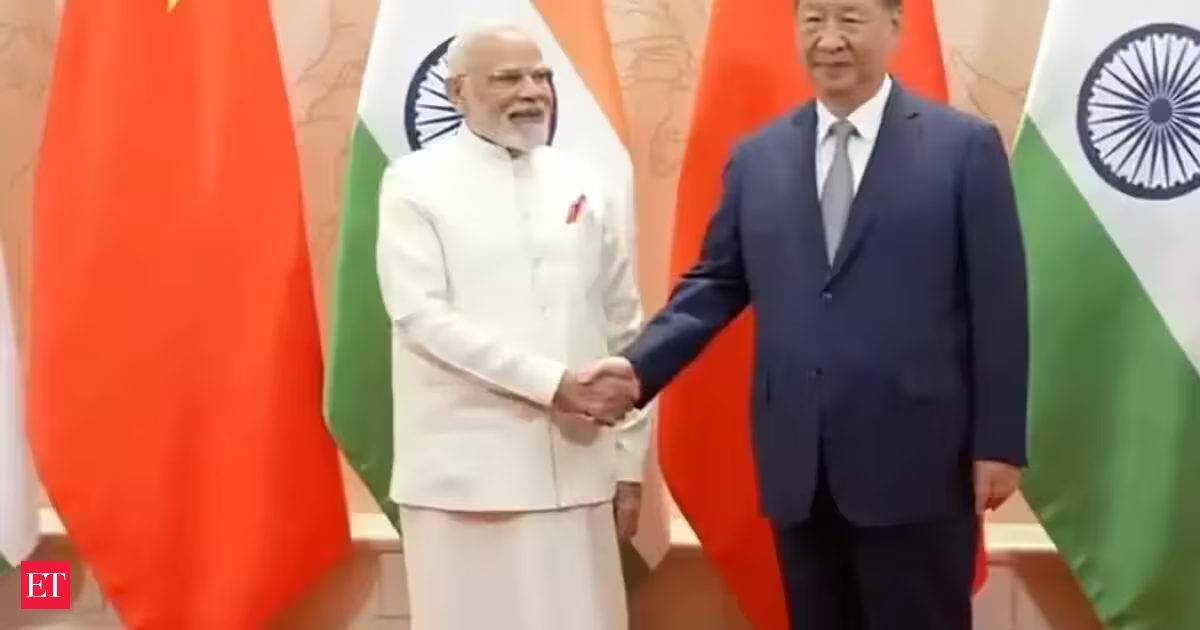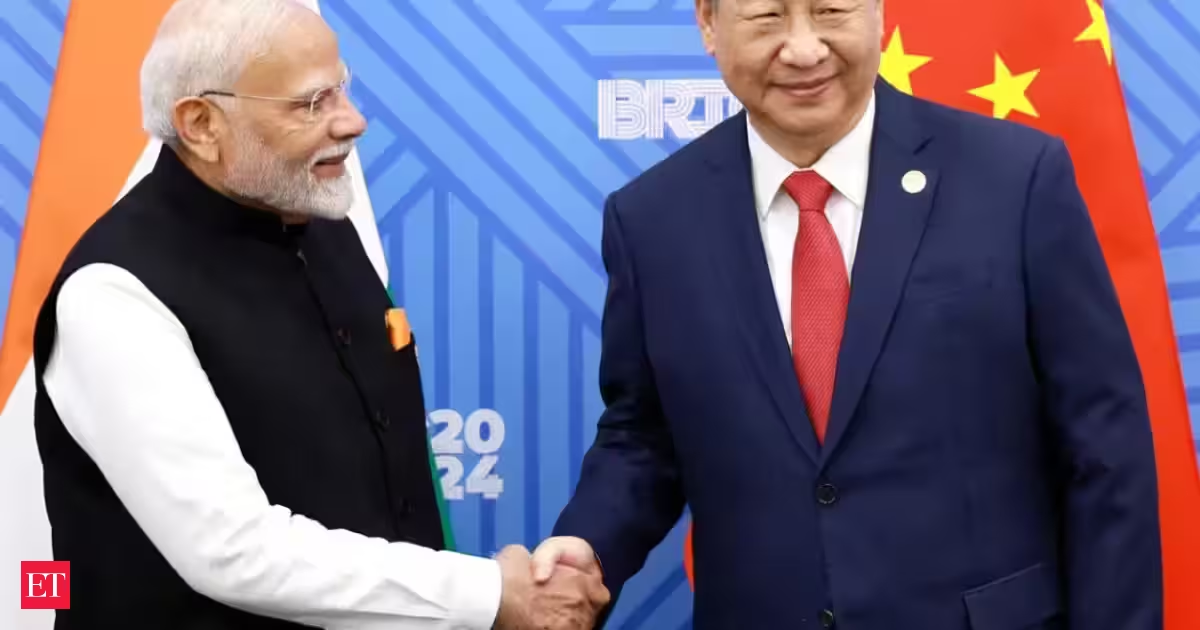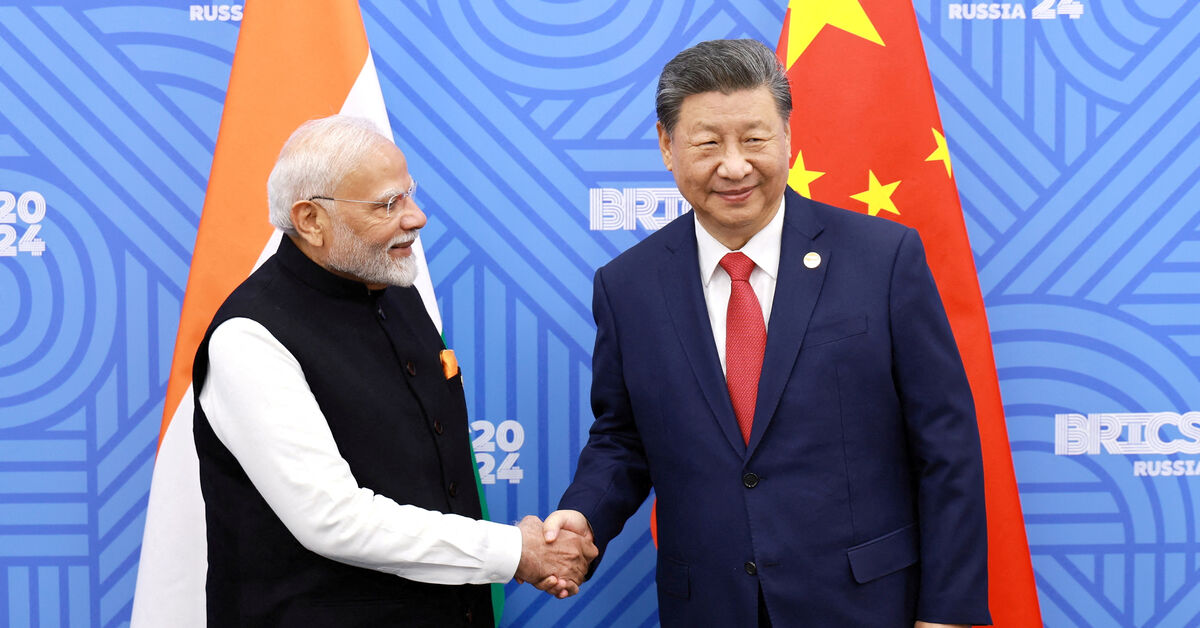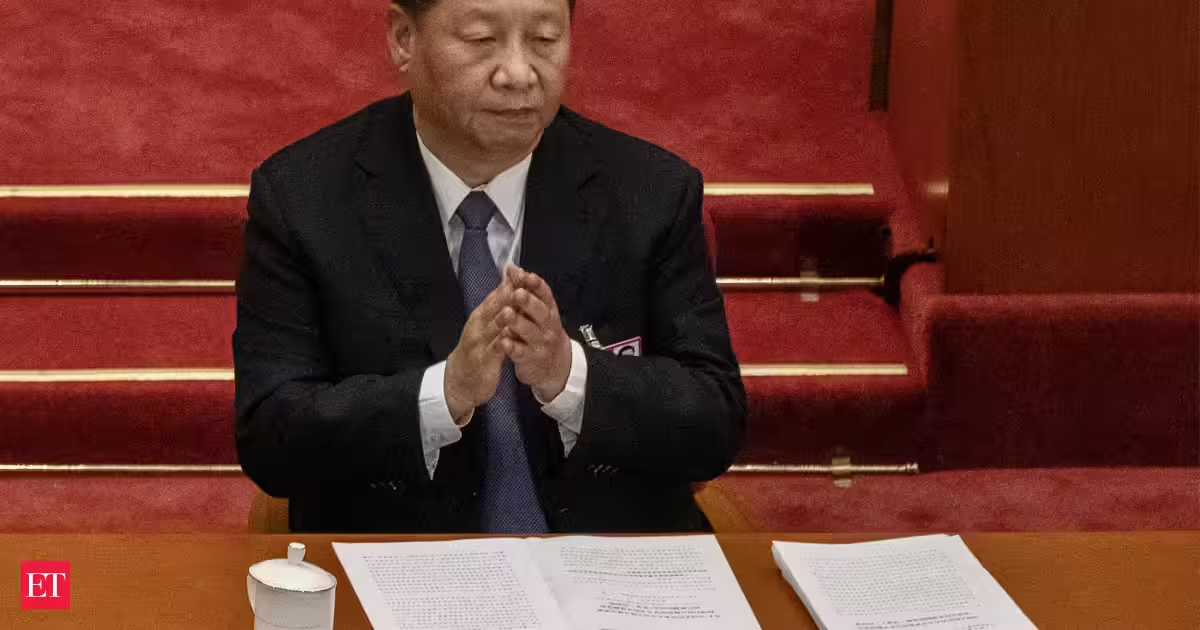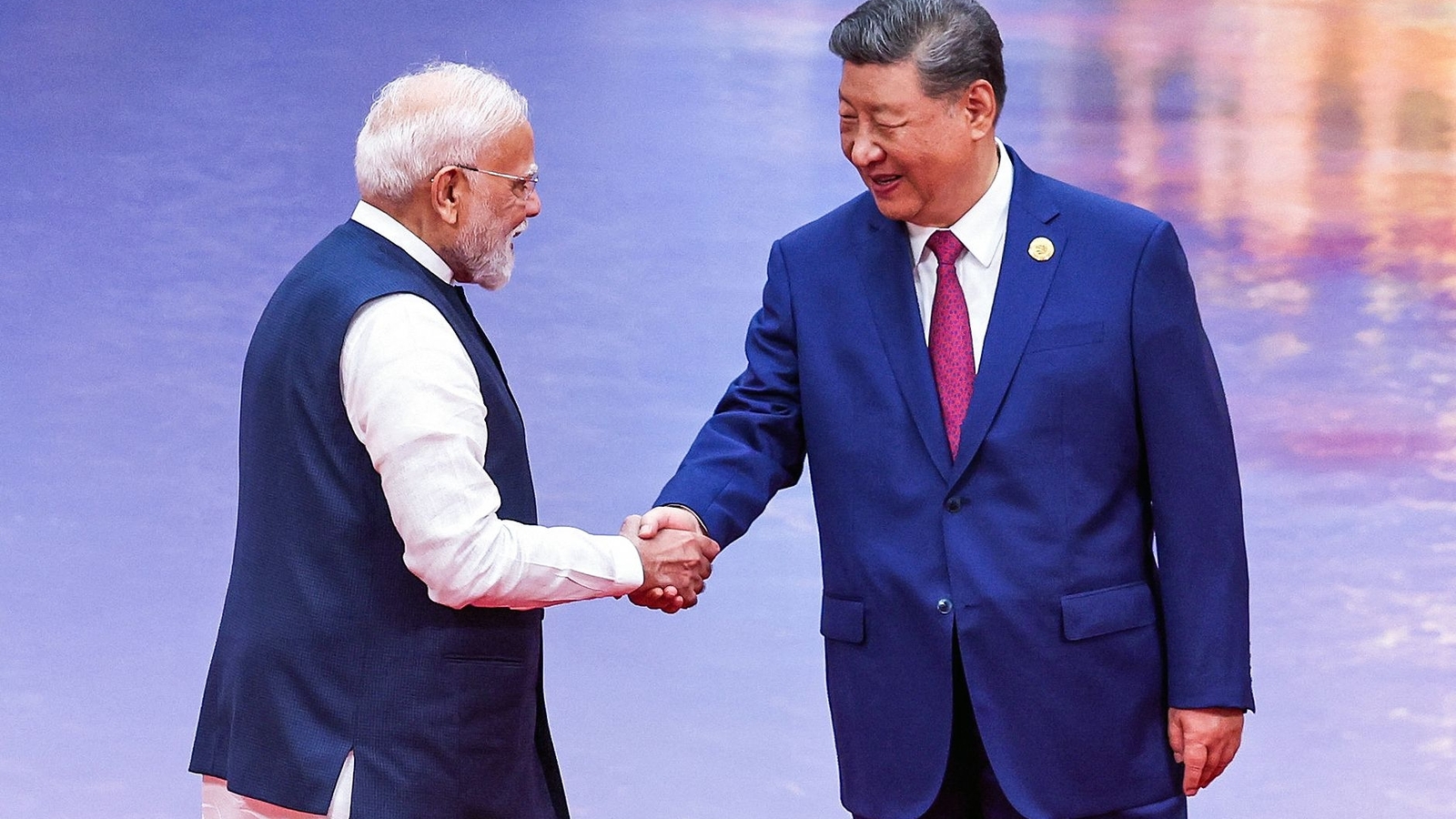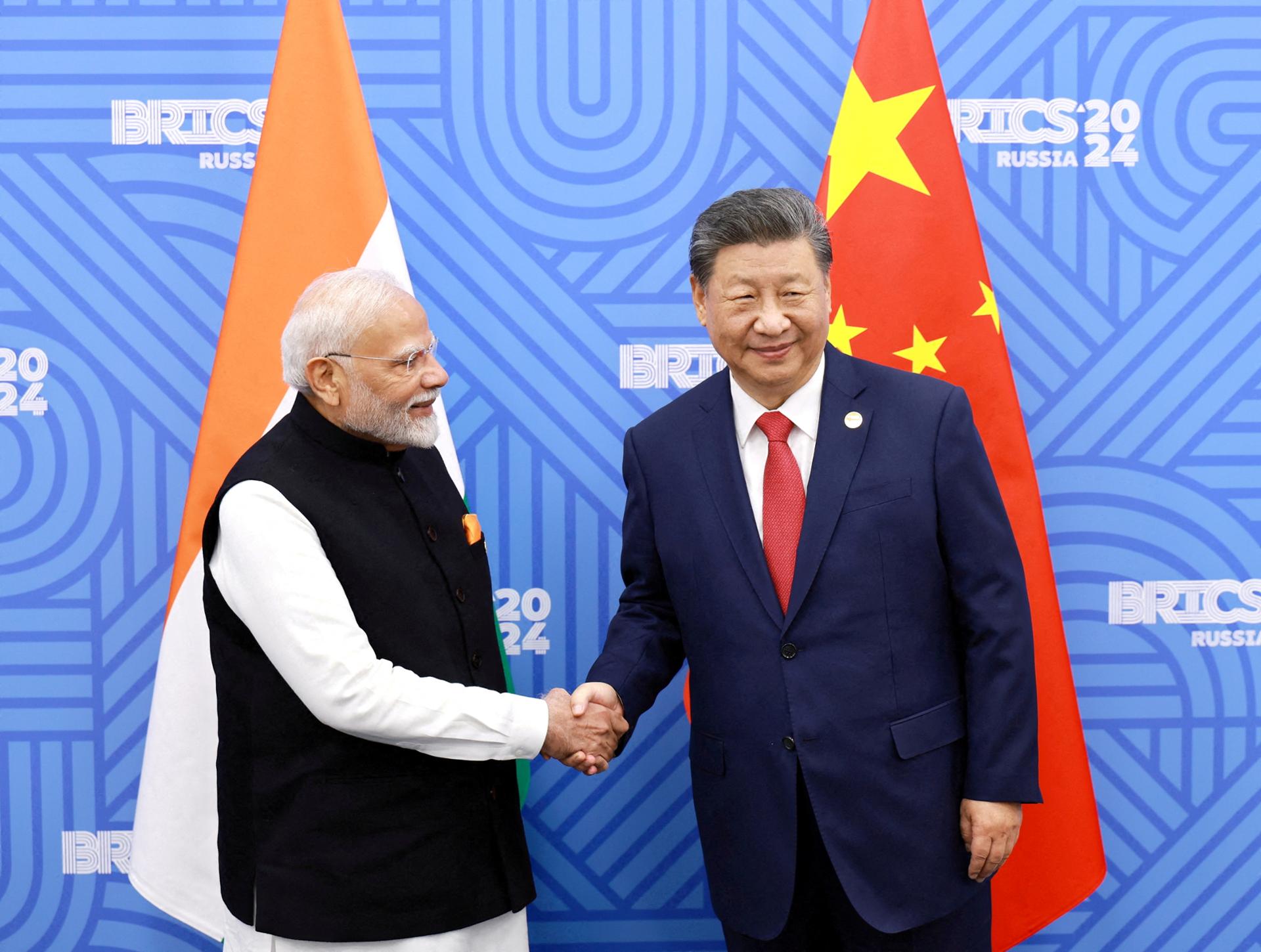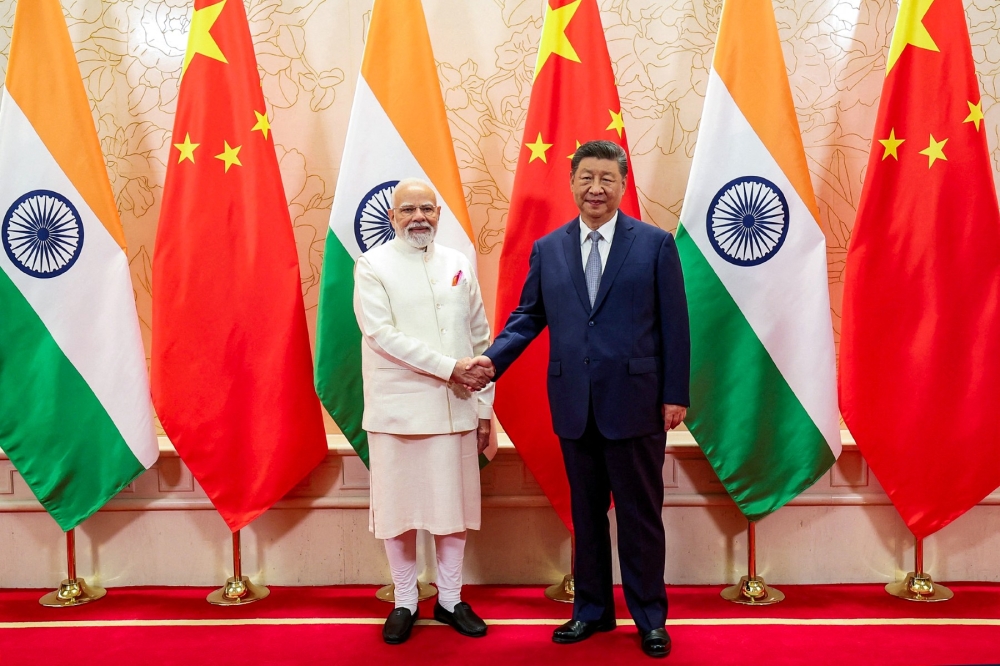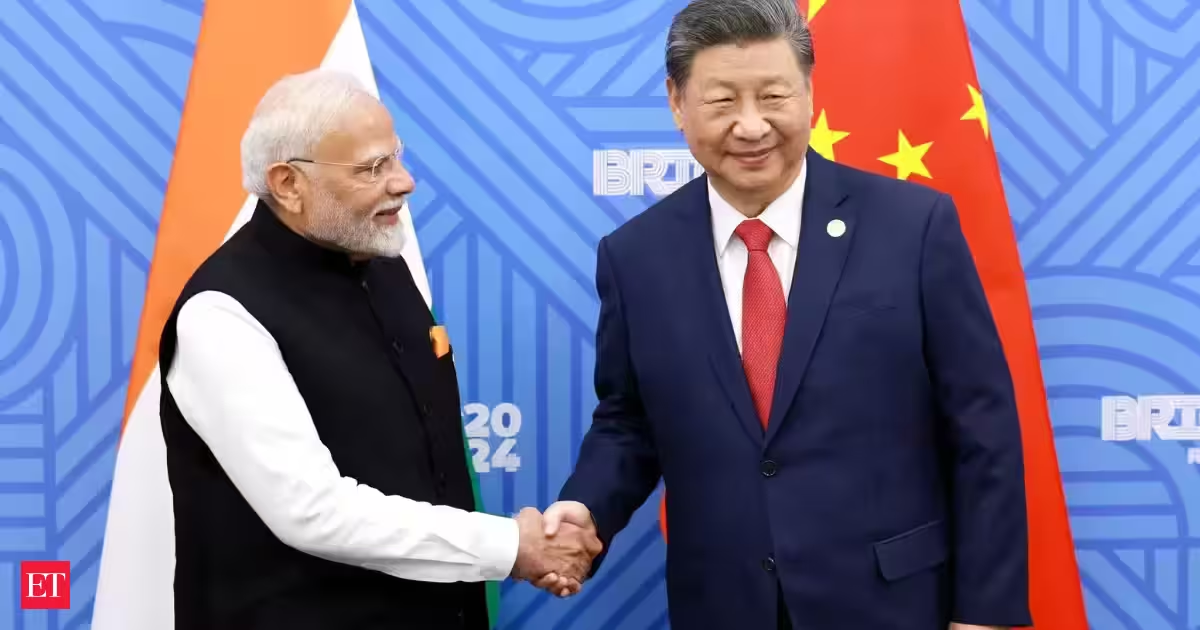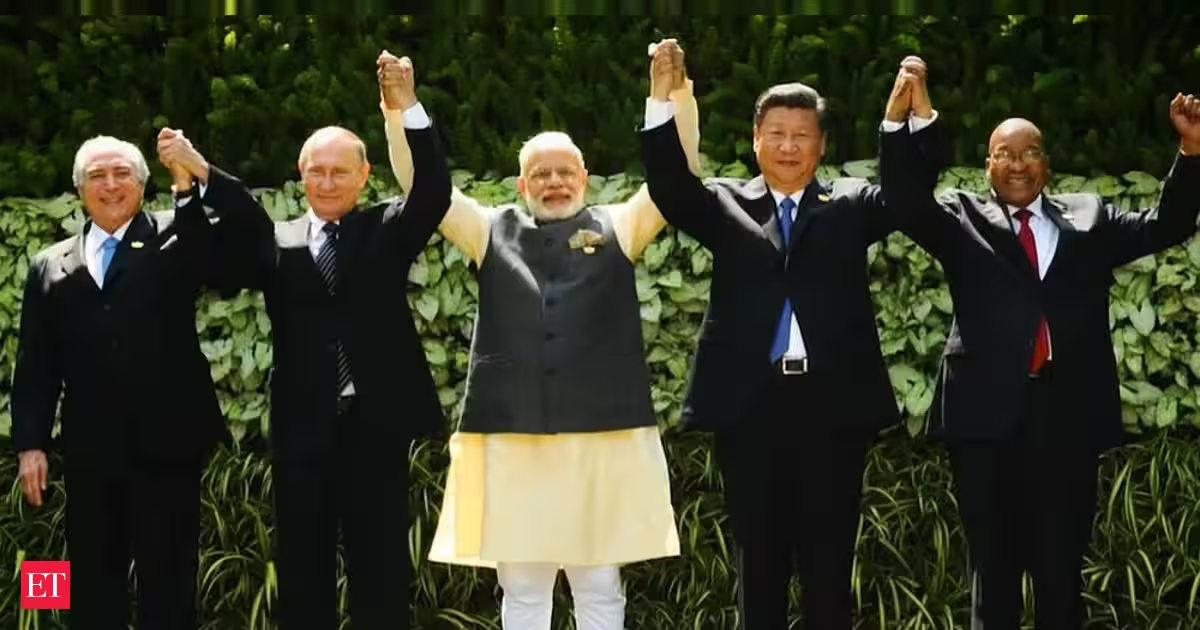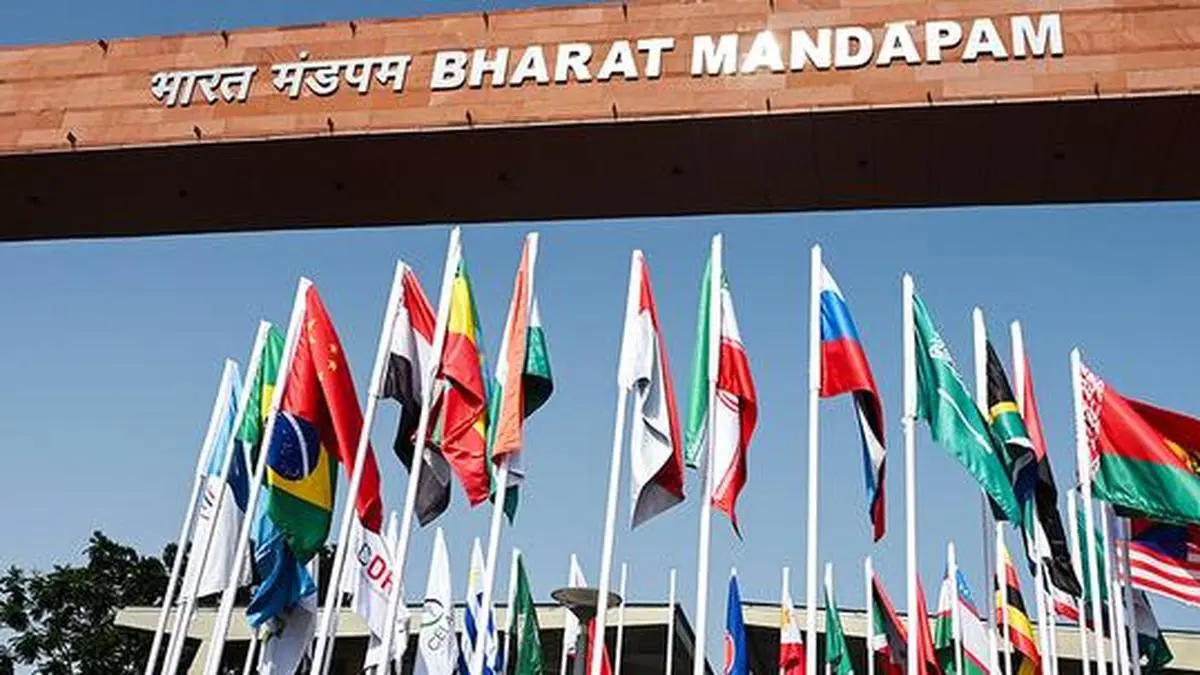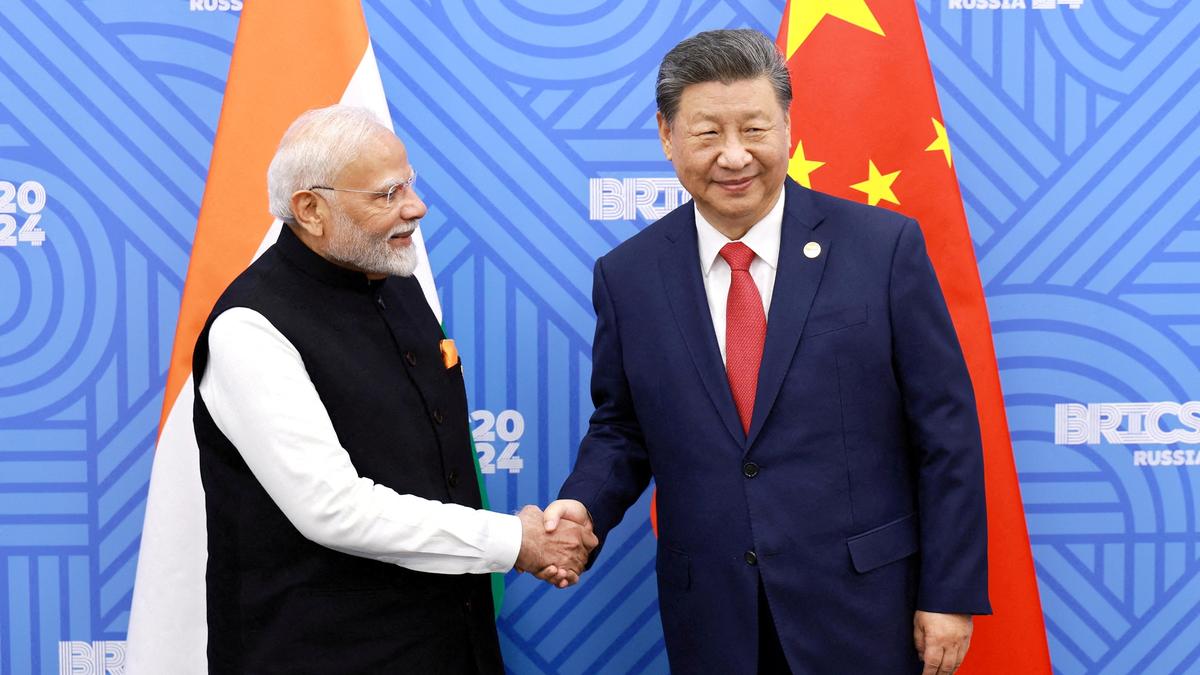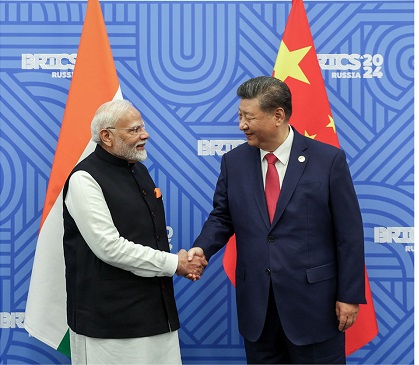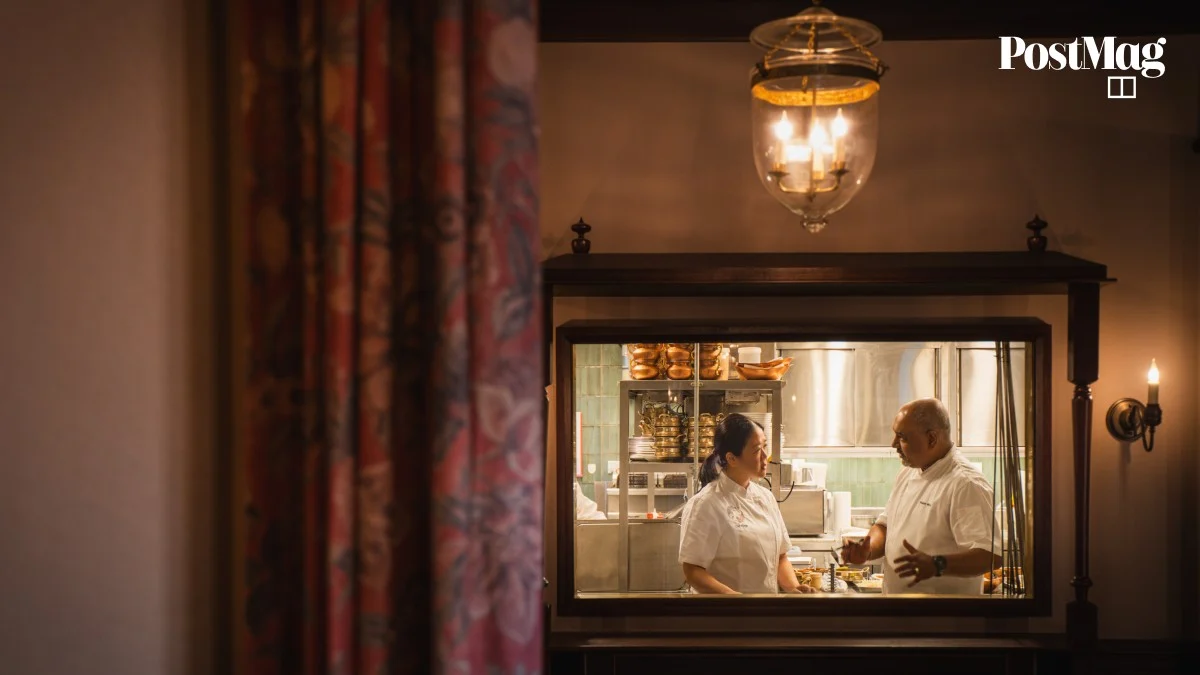
On September 12 and 13, world leaders and ambassadors are due to gather in New Delhi for the 18th Brics Summit, with President Xi Jinping expected to be among them – his first visit to India since 2019. It is a moment of cautious optimism in a relationship that has see-sawed between tension and thaw for the better part of a decade, marked by such events as the 2017 Doklam (Donglang) stand-off and the 2020 clashes in the Galwan valley.But as politicians cook up deals and diplomacy, two chefs in Hong Kong would rather let the food do the talking. In July, chef Palash Mitra of Prince and the Peacock and chef Theign Phan of Grand Majestic Sichuan fired up their tandoors and woks, trading notes on the almost 2,000-year-old conversation their cuisines have been engaged in, long before anyone put it on an agenda.Growing up in Kolkata, the capital of West Bengal state in eastern India, Mitra never thought of Chinese food as a separate cuisine. It was simply stitched into the city’s culinary fabric.Mitra makes chilli paneer skewers in the Prince and the Peacock kitchen. Photo: Alexander MakHe remembers the Chinese food carts his family would visit on special occasions, and “Shubhon”, the man behind the wok, whose real name was Chen Shiobin. By day, Shubhon worked at a rifle factory; by night, he sold street bites, peddling in fluent Bengali, bargaining at the market in Bengali, laughing in Bengali.“He was as much a part of Kolkata as the tram lines and the Durga Puja pandals. He was simply one of us,” says Mitra.It’s easy to think of Indian and Chinese gastronomies as detached empires. But beneath the surface, a dialogue has been under way for more than a millennium. On ancient maps, the two are interwoven through the maritime lanes of the spice trade and the mountain passes of the Silk Road. It is believed that India initiated the exchange, sending black pepper to China during the first two centuries AD. Later, the favour was returned: China dispatched cassia bark and star anise along the same routes. By the time Hakka and Cantonese settlers arrived in Kolkata – then named Calcutta – more than 200 years ago, and adapted their woks to local ingredients to give birth to a composite cuisine now beloved across the subcontinent, Chinese and Indian communities had been using food as the language of negotiation for generations.“Indo-Chinese is not a hybrid that belongs nowhere,” Mitra asserts. “It belongs specifically to Kolkata, a city that has always absorbed the world and made it its own.”
From Delhi diplomacy to Hong Kong kitchens, food unites India and China
At a moment when diplomats are talking about rebuilding trust between India and China, two chefs in Hong Kong are already finding common ground in spice, smoke and fire.
431 words~2 min read