Commentary
Rather than trying to shield children completely from disturbing events, adults can help them process what they’ve seen in honest, reassuring and age-appropriate ways, says this professor.
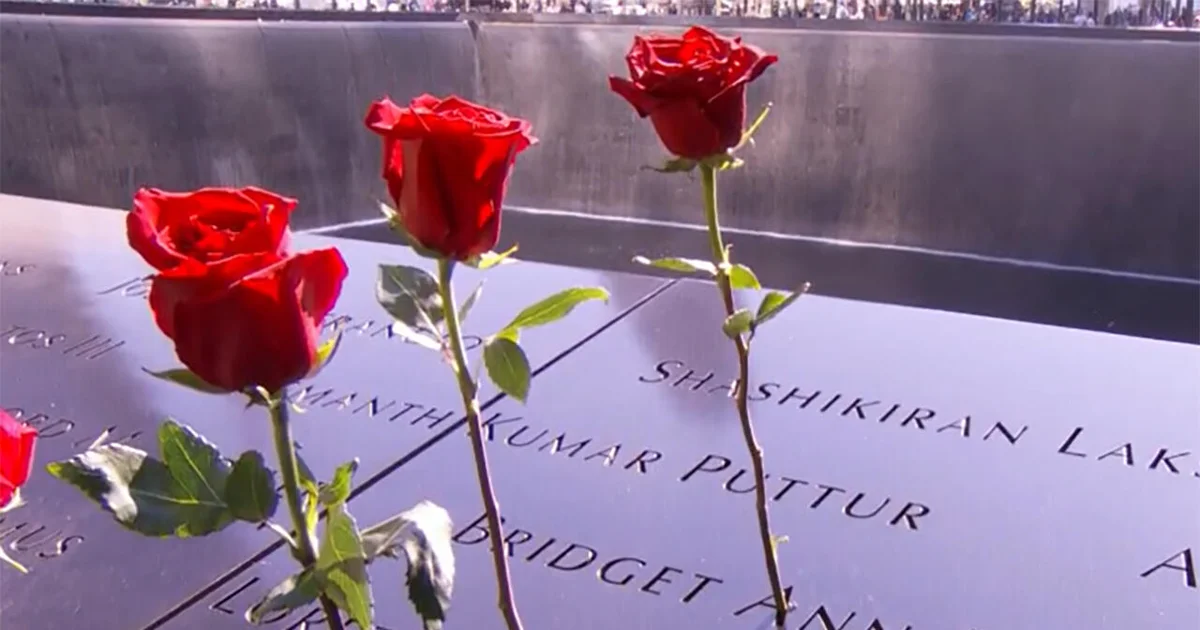
Flowers amongst the names on the North Pool at the 9/11 Memorial & Museum ahead of the 25th anniversary of the September 11, 2001 attacks on the World Trade Center in New York, U.S., August 31, 2026. REUTERS/Brendan McDermid
10 Sep 2026 05:58AM
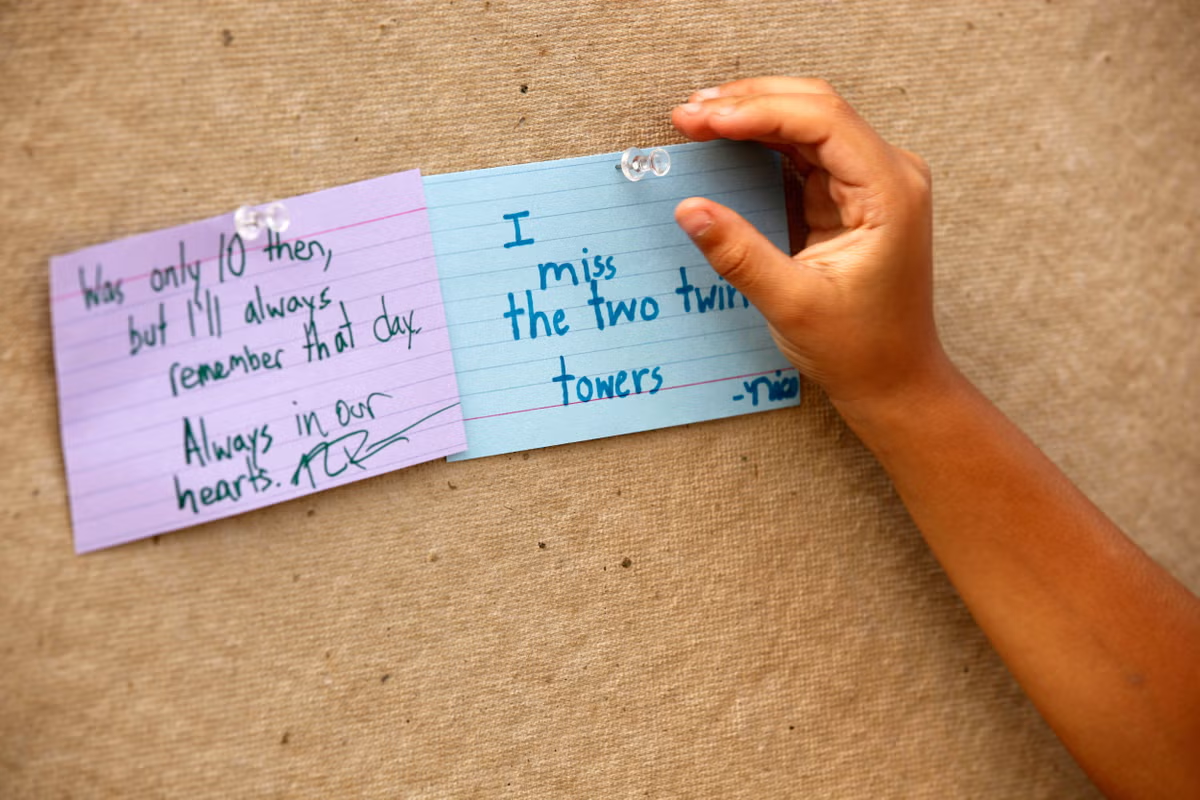
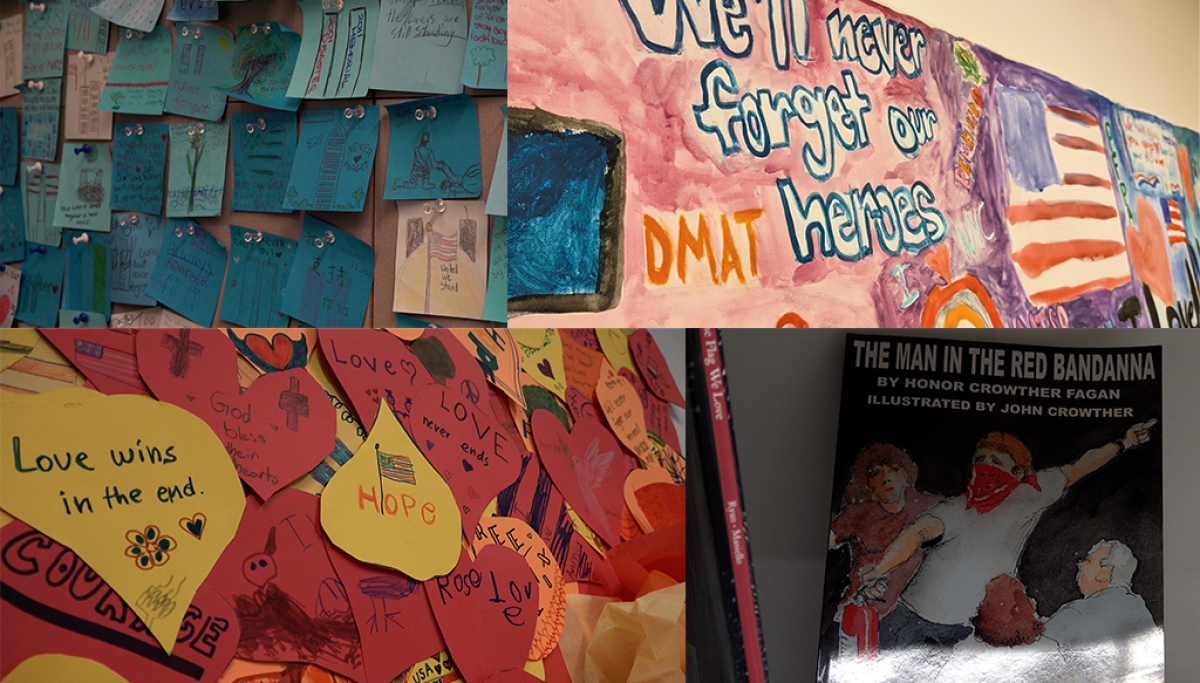
MEDFORD, Massachusetts: On back-to-school night in 2005, I eagerly entered my youngest child’s first-grade classroom. The walls were festooned with brightly colored responses to the prompt: “Draw something you remember.”I scanned for my son’s picture and was shocked when I encountered his drawing: an airplane flying into New York’s World Trade Center.“I saw the picture you drew up on the bulletin board,” I said to him later that night. “Do you really remember seeing planes flying into the twin towers?” He looked me in the eyes and replied: “No, Mummy. But I do remember you crying.”