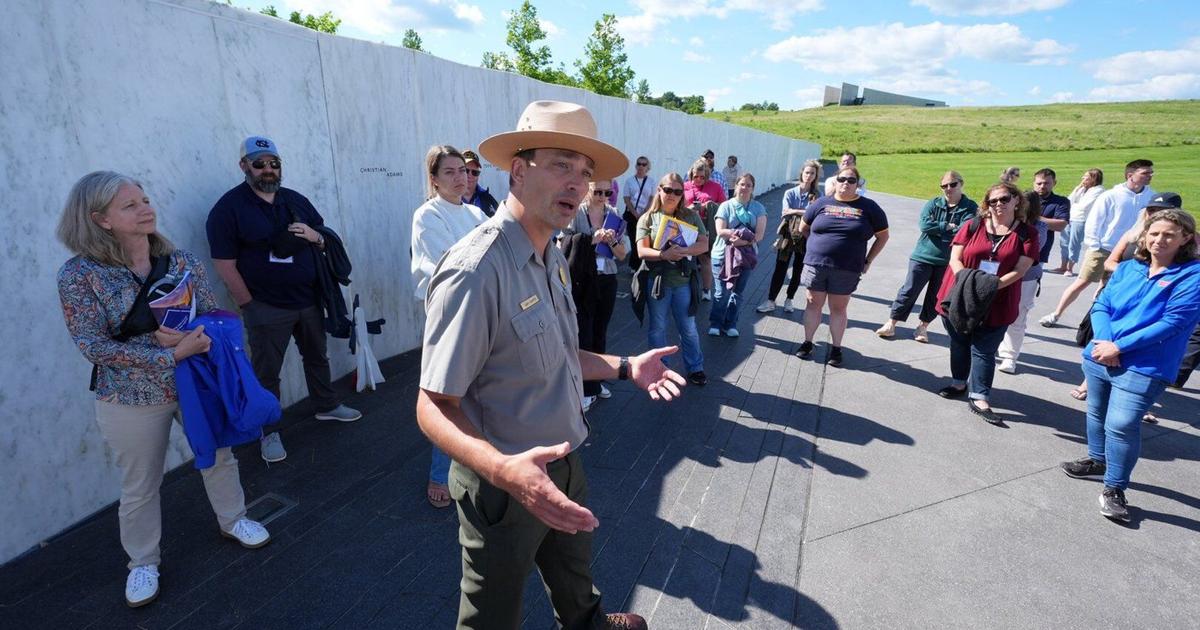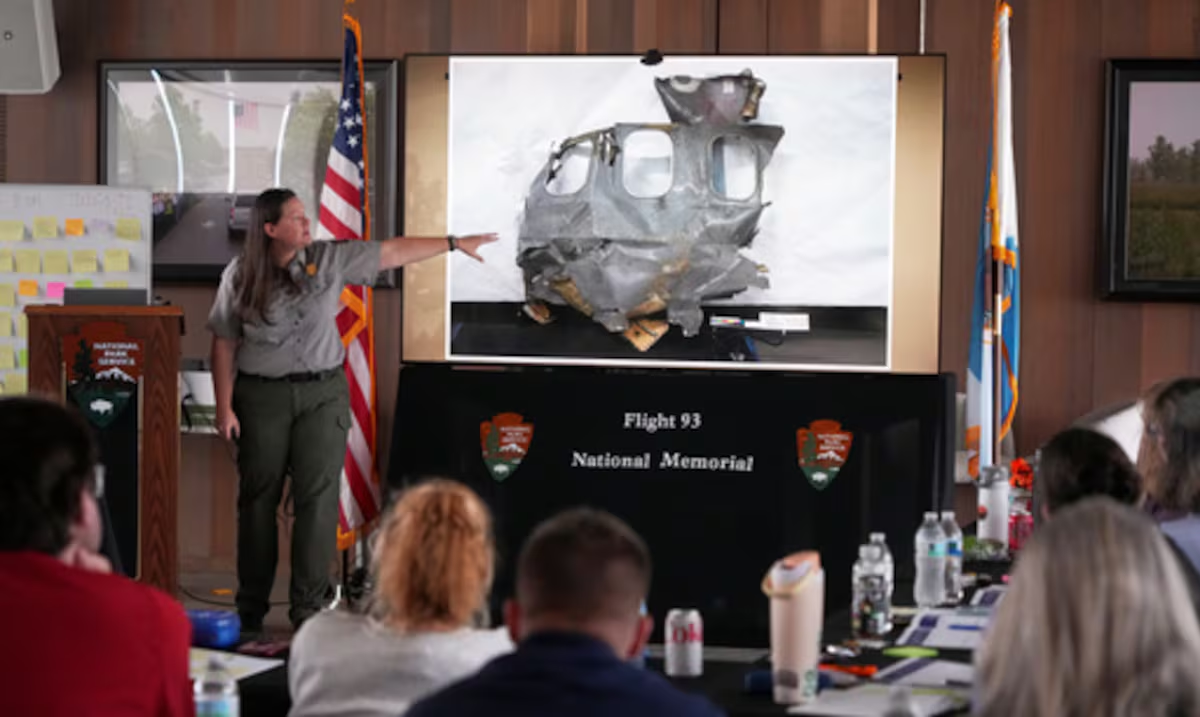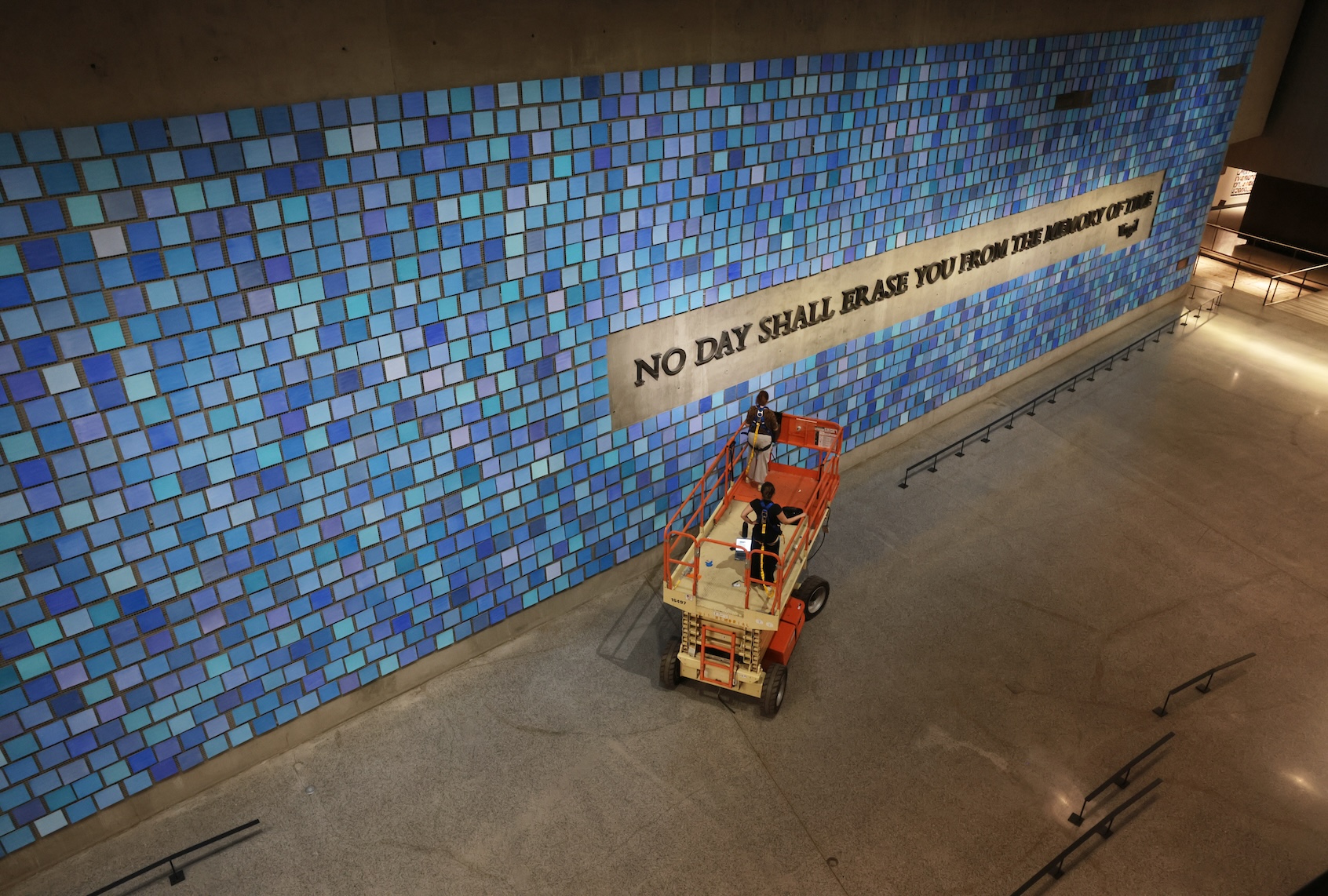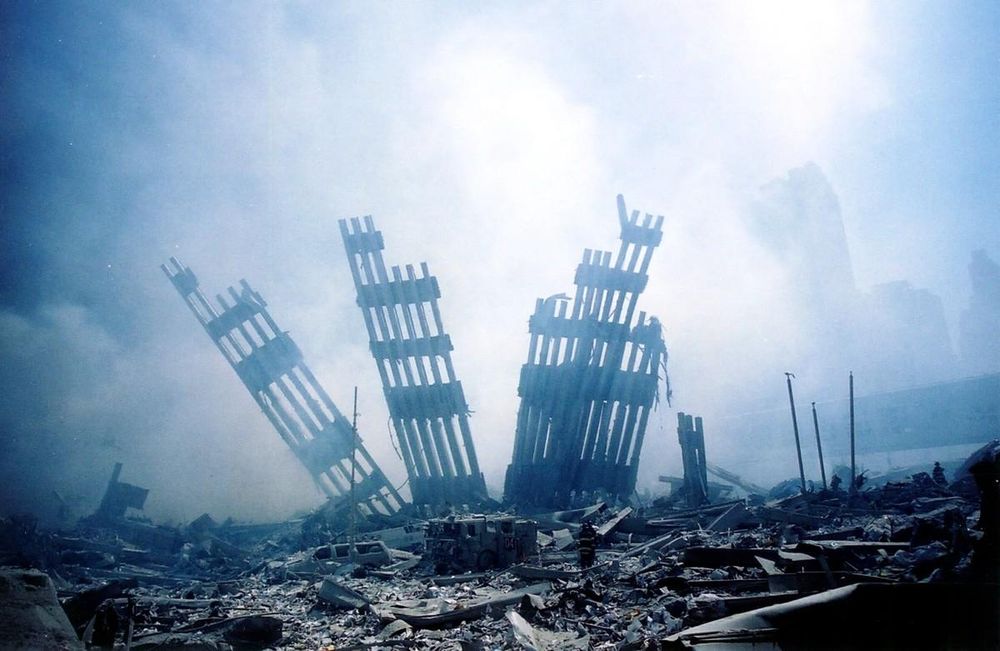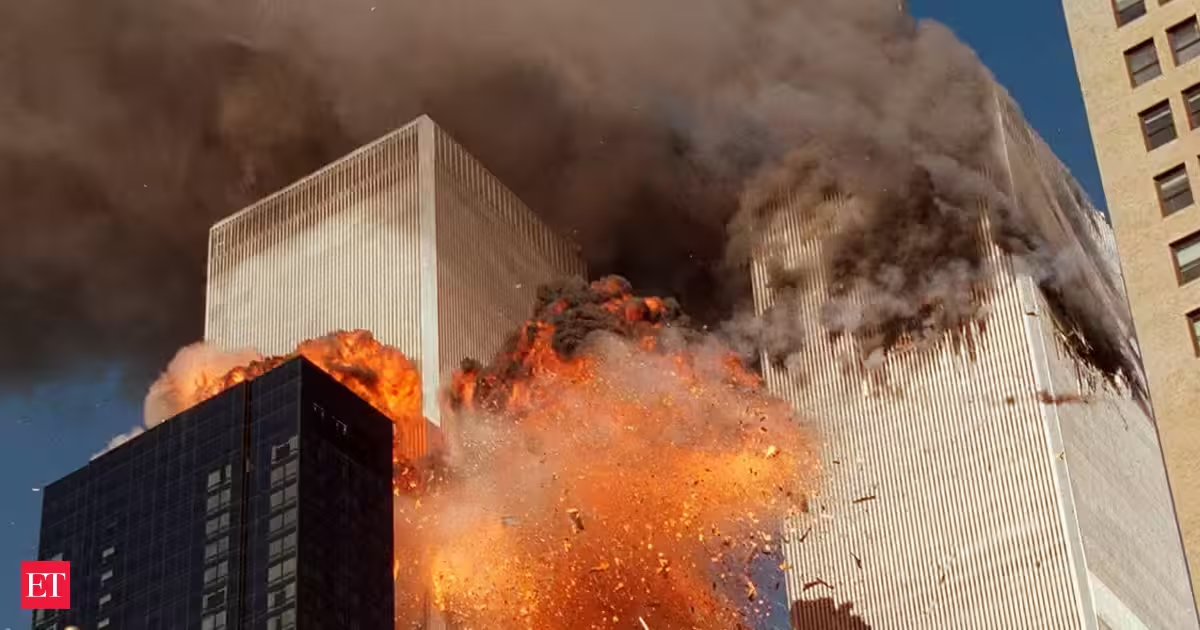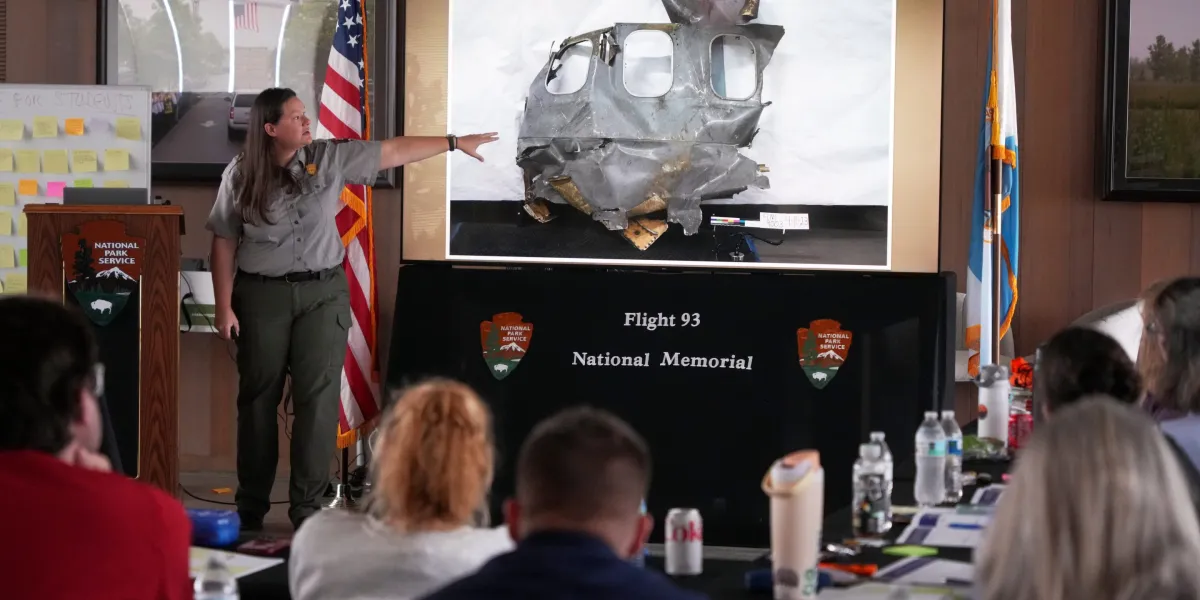
For three days this summer, teachers converged at the Flight 93 National Memorial in remote western Pennsylvania to talk about 9/11.
How best to educate a new generation about the attacks 25 years ago? Which details are appropriate for young kids? What do victims’ families want students to be told about the dead?
“Even worse than getting started wrong or using inappropriate language is the total omission of telling the story,” Gordon Felt, whose brother Edward Felt died on United Airlines Flight 93 on Sept. 11, told teachers in one session. “That’s our biggest fear.”
Teaching about 9/11 in schools is more important than ever now that about one-third of Americans were born after al-Qaida hijackers crashed planes and killed nearly 3,000 people in New York, the Pentagon and rural Shanksville, Pennsylvania. A growing majority of states — at least 40 — expect or suggest that public schools address 9/11 in some way, but the provisions vary widely in scope, specificity and framing, The Associated Press has found.
State education standards range from detailed course content to broad concepts. As a result, some don’t specify what to teach about Sept. 11.