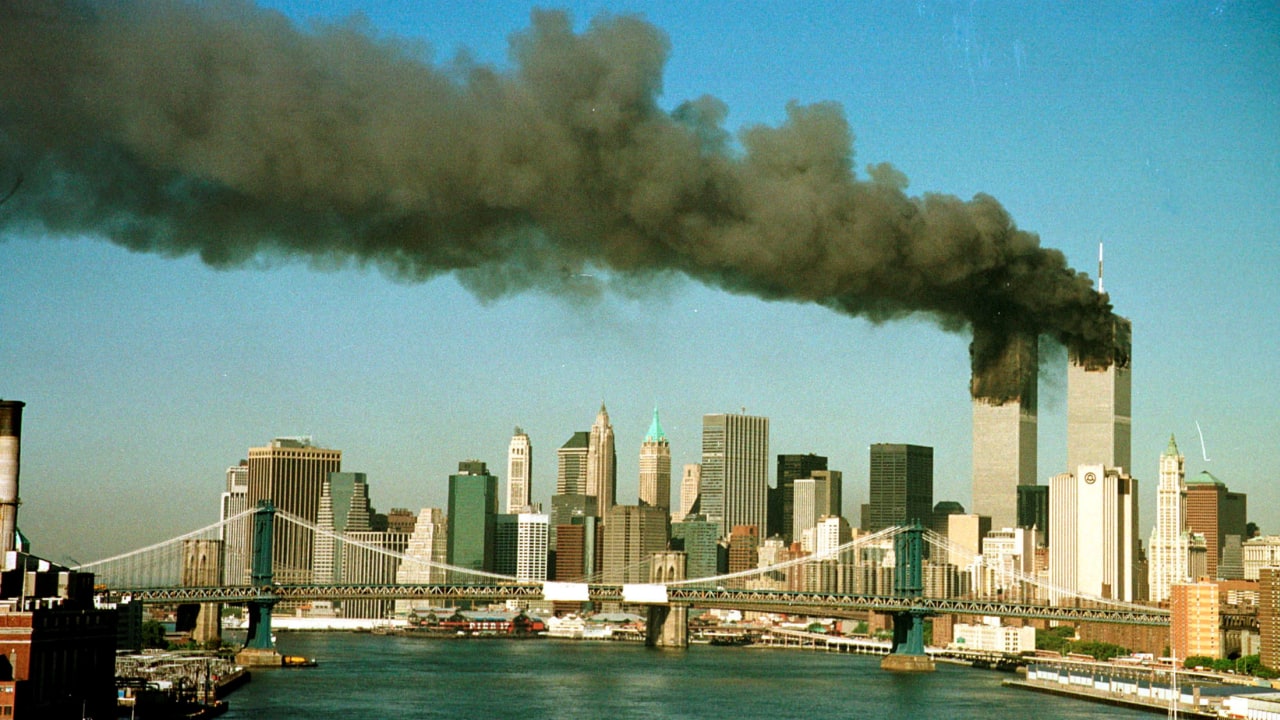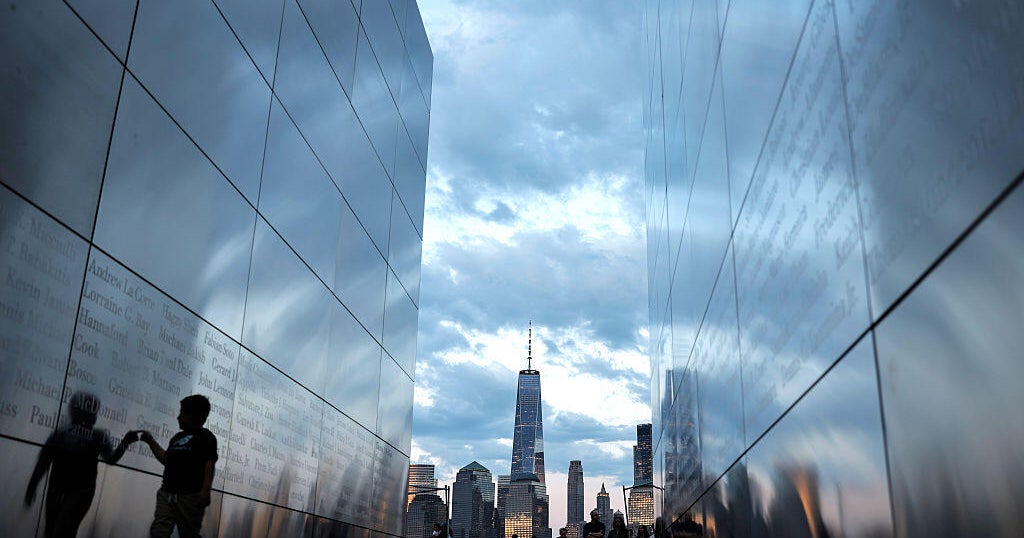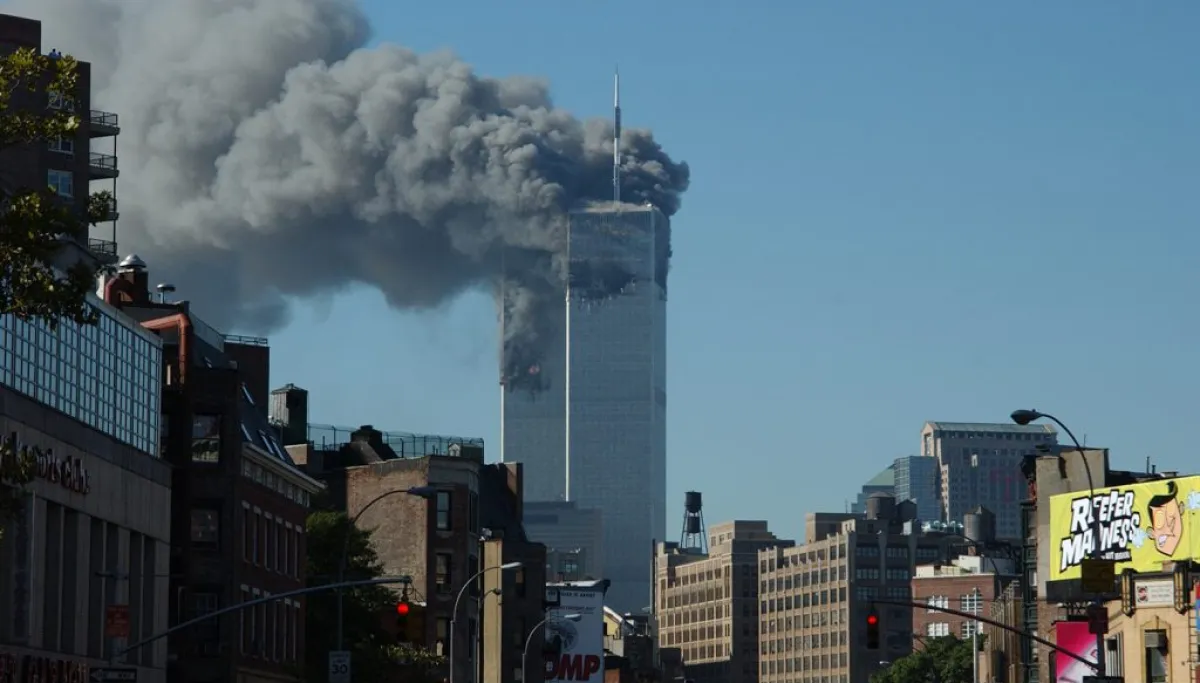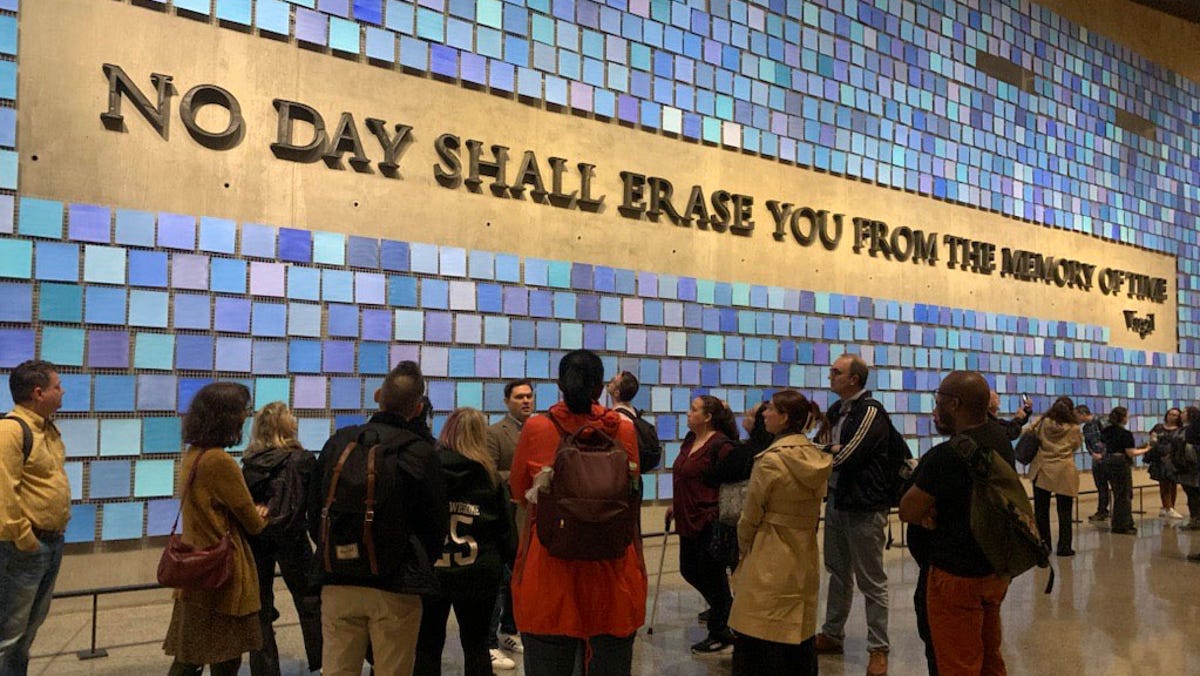
Megan Jones, vice president of education programs at the 9/11 Memorial and Museum, has taken on the task of teaching the next generation about Sept. 11 before they encounter distorted versions of history online.“One of the best ways to challenge what is out there on social media, I think first of all, it starts with the factual foundation of what happened that day,” Jones told the Washington Examiner. “It’s our responsibility to pass on the stories of what happened here in this place to this generation, so that they can carry on the legacy and become the stewards of this history.”
Jones and the museum have developed educational resources to help students understand the people behind the tragedy.
Megan Jones, vice president of education programs at the 9/11 Memorial and Museum, speaks with Washington Examiner. (Amy DeLaura/Washington Examiner)
Creating empathy for those who lost their lives
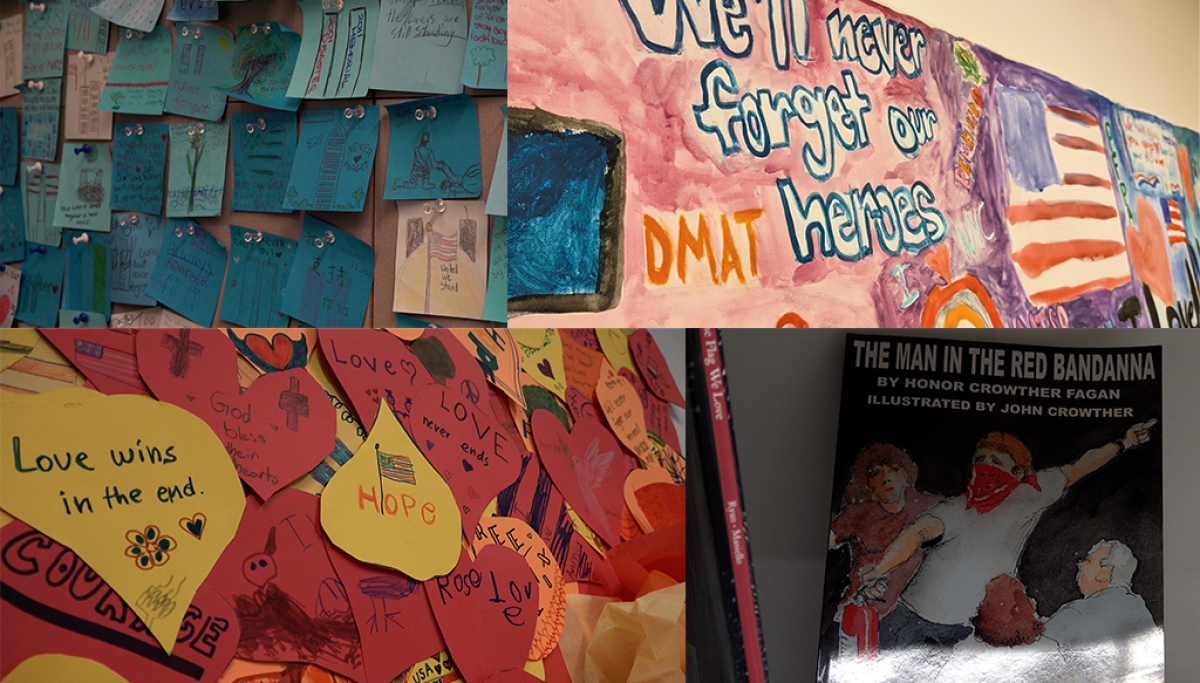
As the country approaches the 25th anniversary, Jones said more than 100 million people now have no lived memory of 9/11, creating a growing divide between those who remember the attacks and those who know them only as history.“The heart of everything we do here in our education programs is storytelling,” Jones said. “Tell them the stories of people who were there… first responders, survivors, family members.”One of the stories the museum uses to help students make that connection is Welles Crowther, a 24-year-old who worked in the South Tower and used the volunteer firefighter training he received as a teenager to help others after the attacks.Crowther is known to have helped save as many as 12 people before he was killed when the tower collapsed.“I think when students can see themselves in the story and also people who are different from them, that builds empathy,” Jones said. “Then once you have that empathy, it becomes much harder to sort of succumb to some of these things that swirl around.”