Semiconductor supply chains are hard, but Samsung offers OpenAI relief in many forms spanning compute and memory
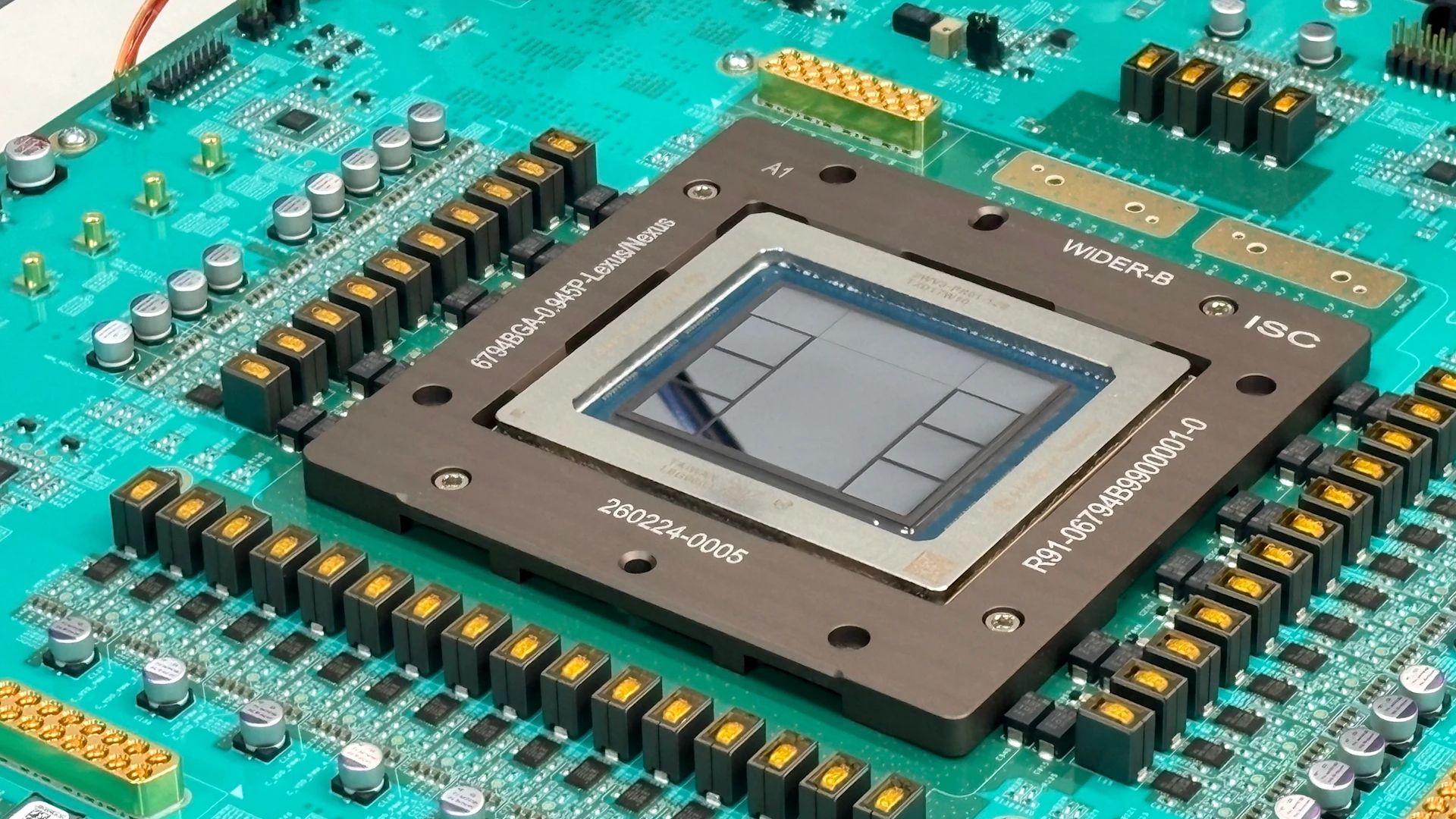
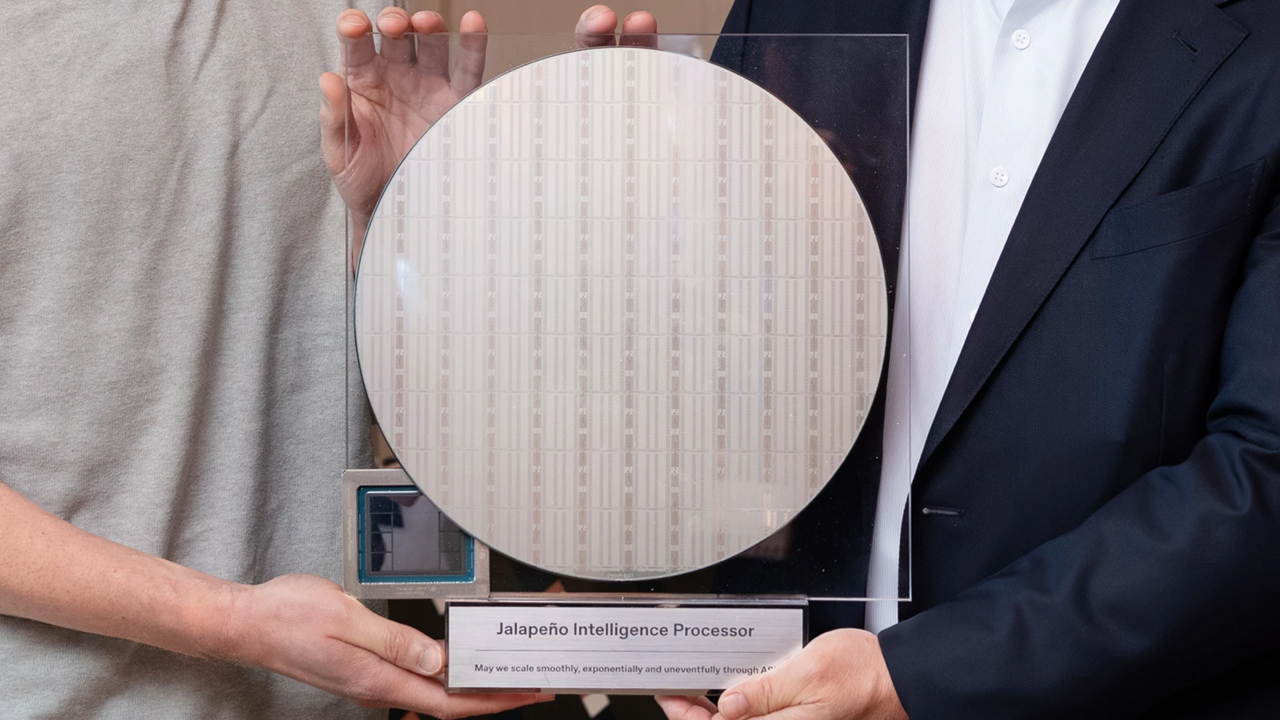
OpenAI will design its next-generation AI accelerators with the help of South Korean foundry giant Samsung Electronics. This move could help the ChatGPT maker with memory, process tech, or other key things it needs to succeed.The announcement, made by OpenAI Korea general manager Harrison Kim in a press conference Wednesday, comes just weeks after the company showed its first-generation “Jalapeño” accelerators besting Nvidia’s Blackwell GPUs across a slew of inference workloads."One of the areas where we have made the most progress and gained the most recognition with Samsung Electronics is our joint production and research on the next-generation chips we are developing," he said, according to Reuters.
But now that the hype has died down and Wall Street has convinced themselves that the rise of AI ASICs isn’t the threat to Nvidia’s dominance they feared, OpenAI still has to contend with the realities of being a fabless chip designer.
The vast majority of leading edge silicon made today comes from a single company: TSMC. That means securing meaningful capacity requires competing with AMD, Nvidia, and practically every other chip biz and hyperscaler designing their own chips.But TSMC isn’t the only leading edge wafer fab out there. They’re just the biggest. Smaller, less popular options include Samsung Electronics and Intel Foundry.The supply of high-bandwidth memory (HBM), which OpenAI’s (and Broadcom if we’re being honest here) designs make extensive use of, is similarly constrained with just three major manufacturers capable of producing it in volume: SK Hynix, Micron, and you guessed it, Samsung Electronics.This puts OpenAI in a tough spot of having to compete with larger, higher volume chip designers for both logic and memory silicon. As such, OpenAI’s tie-up with Samsung could go two ways.The most obvious, but also the least interesting, is that Samsung will supply all or at least some of the HBM used in the model dev’s next-gen chips, which we’ll call Habanero for lack of an official code name.Detailed at Hot Chips last month, OpenAI’s Jalapeño AI inference chip uses HBM4, the same tech used by AMD and Nvidia’s latest GPUs. That tells us that there's a pretty good chance Habanero will likely use the faster HBM4E. And given the ongoing memory shortage, if OpenAI wants to secure ample supply, it’s going to need to forge these relationships early.Besides supply chain, timing is important because there’s a good chance OpenAI’s next chip will take advantage of custom base dies to move things like memory controllers or even some logic from the compute silicon to the HBM stack itself. If you recall Nvidia’s disclosures around NVHBM a few weeks back, it’s the same idea.However, these custom base dies require some coordination with the HBM supplier, so fostering a close relationship with Samsung now would benefit OpenAI, even if the compute chiplets themselves end up being manufactured by TSMC.