Amid an escalating Russian sabotage campaign against Europe, Germany’s measured response to one recent attack is ringing alarm bells for many. But with rising populism at home and fears of escalation, it may be the best the country can offer.
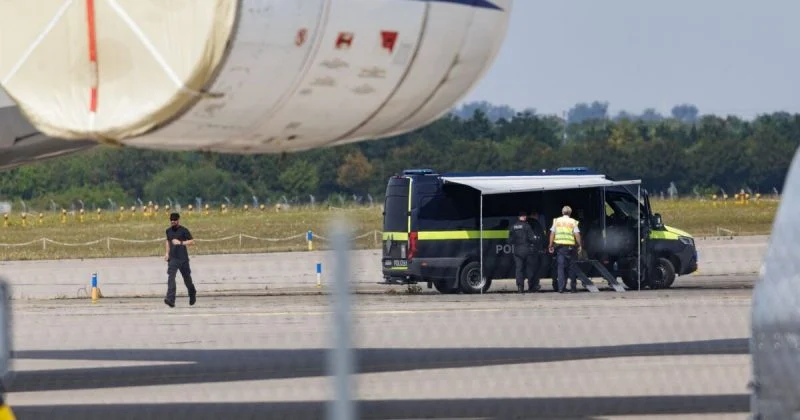
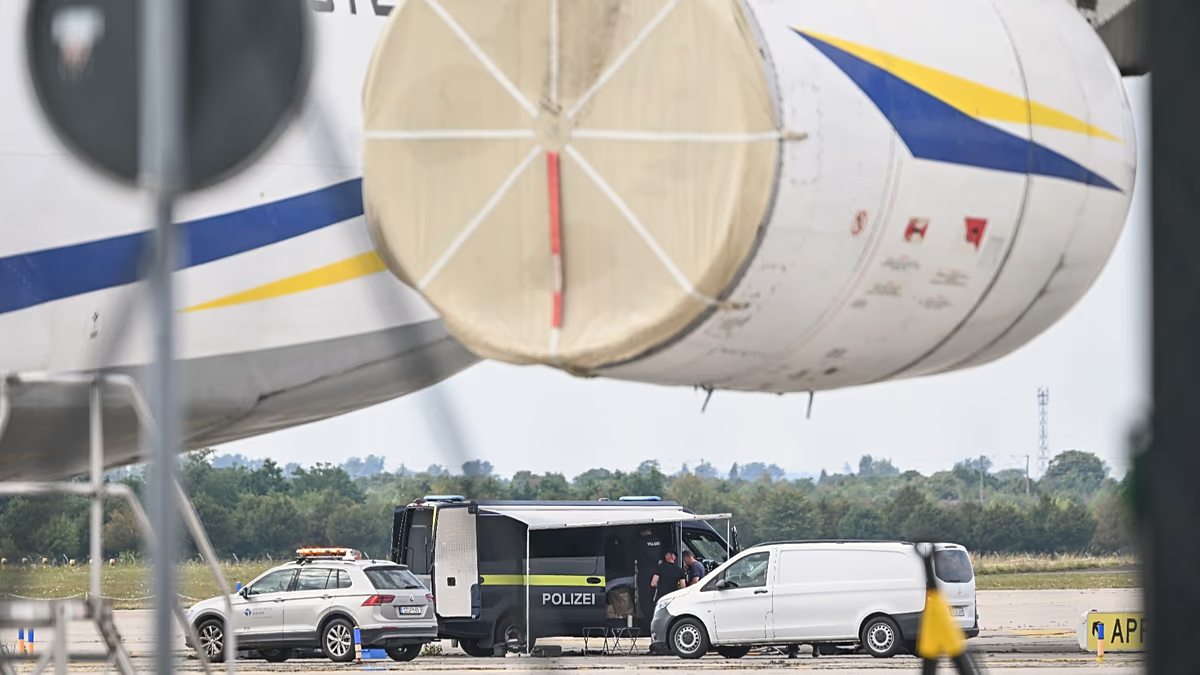
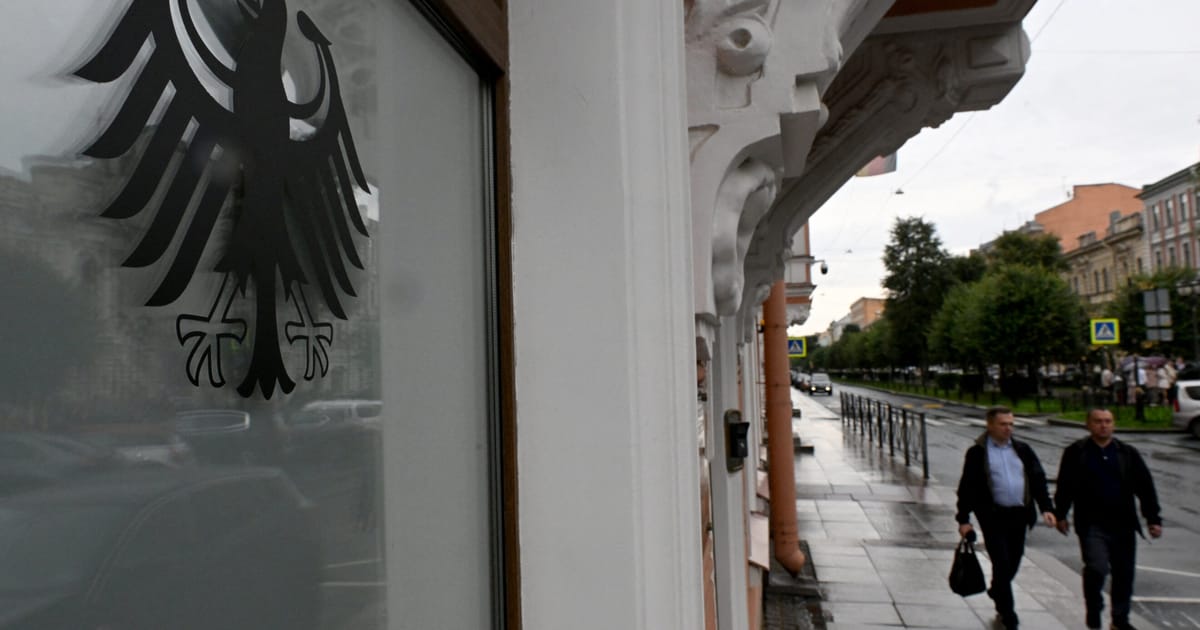
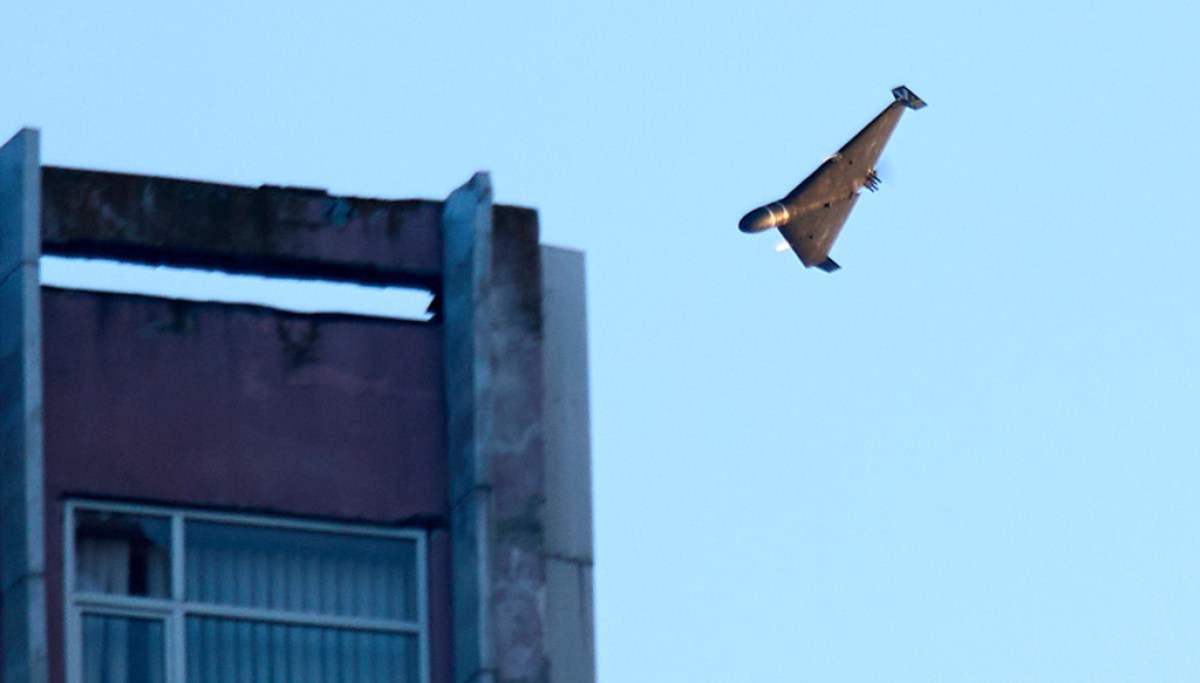
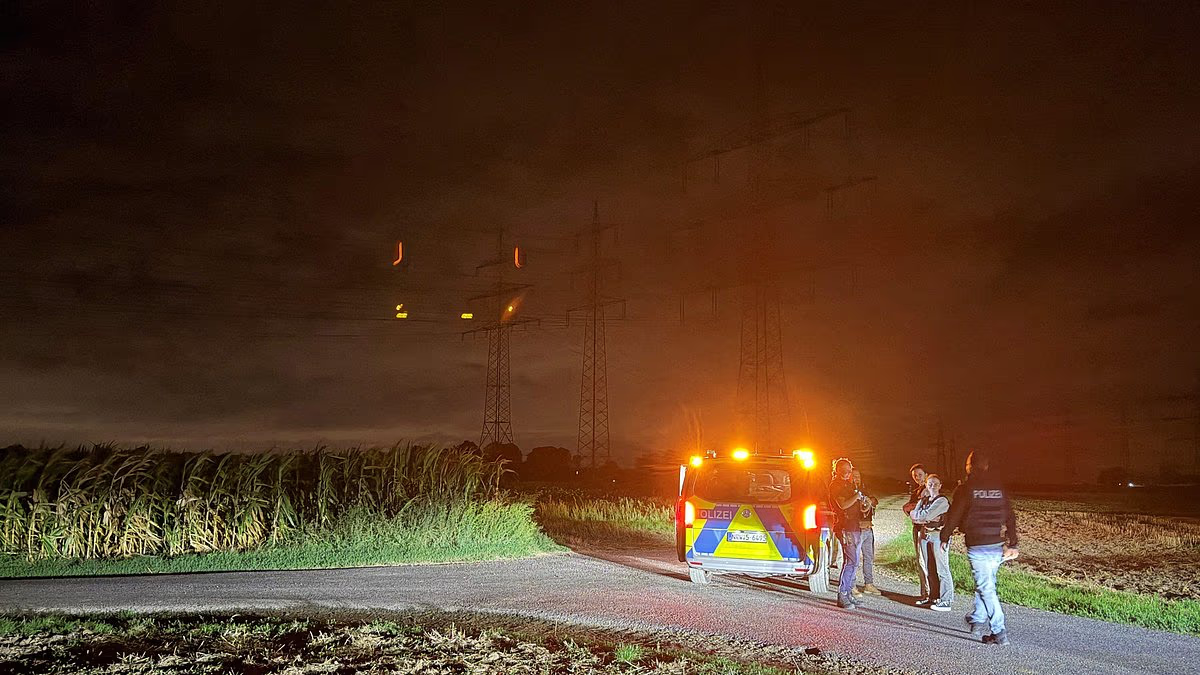
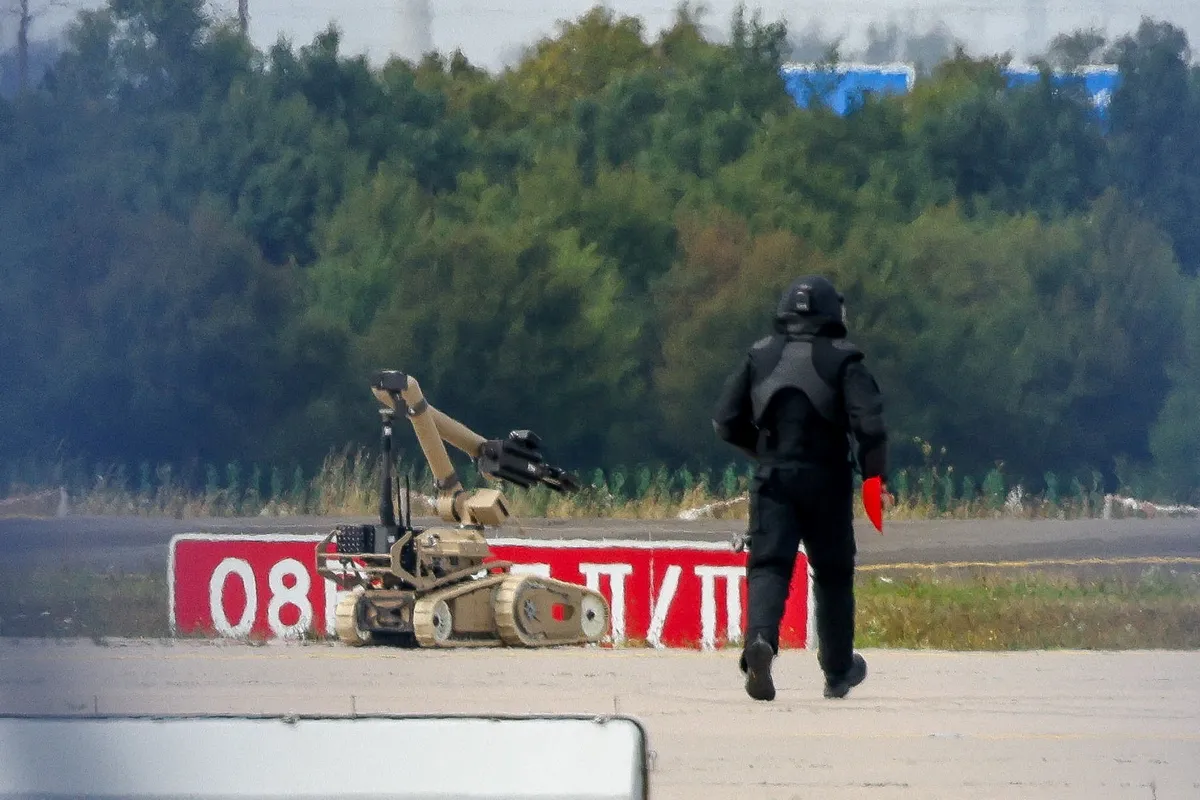
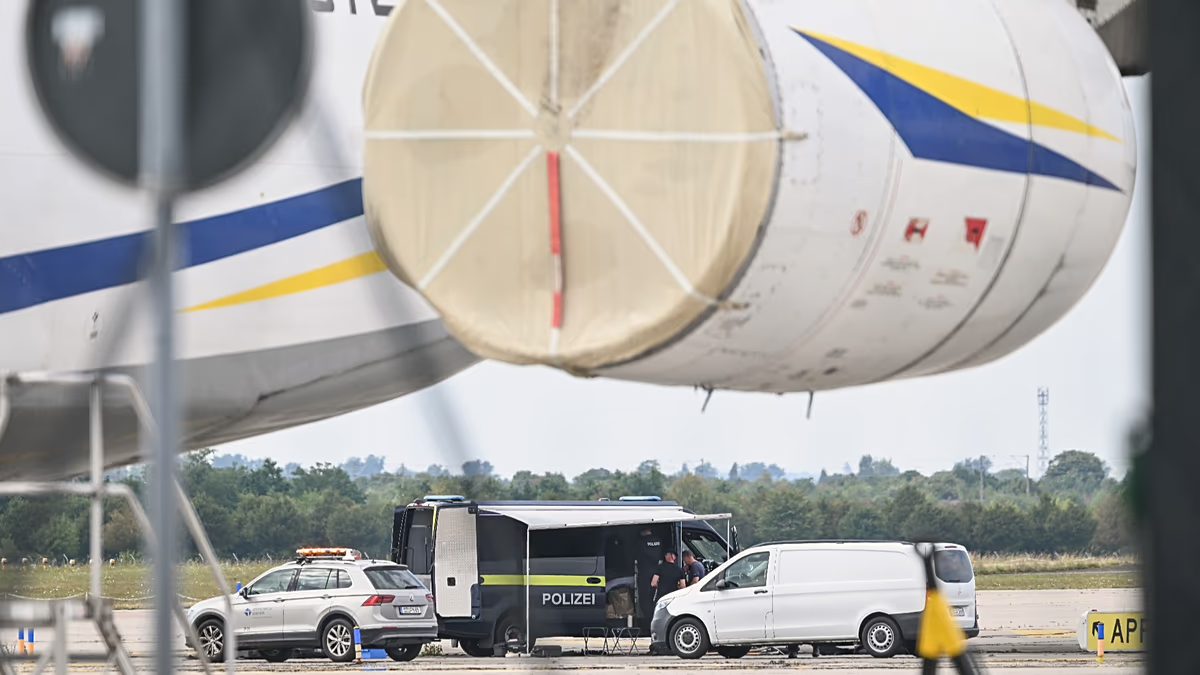
In early August, Germany discovered an explosive-laden drone near a Ukrainian cargo plane at Leipzig Airport. Last week, Germany formally accused Russia of being behind the attempted attack, and in turn shuttered a Russian diplomatic mission, ramped up travel restrictions for Russian nationals, closed a Russian cultural center, and urged the EU to slap additional sanctions on Russia.
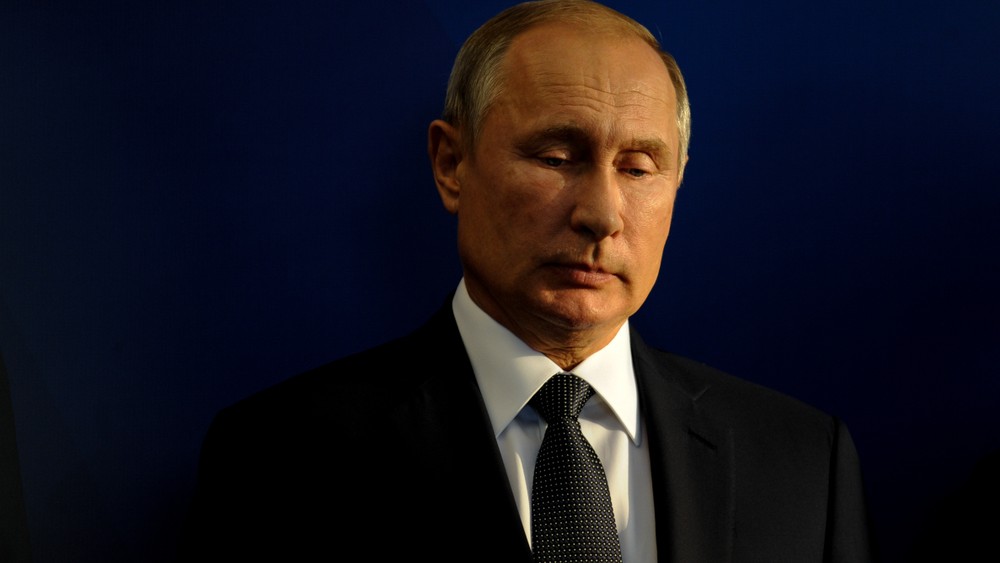
Russian President Vladimir Putin has denied involvement, accusing Berlin of planting evidence against Moscow. But Western officials have said the alleged attack is tied to a “broader pattern” of nefarious behavior from Moscow across Europe—involving drones, sabotage, cyberattacks, and disinformation campaigns—that is meant to sow discord and confusion among Ukraine’s allies.
“This was an attack using military-grade material, carried out by Russian operatives on EU soil. And we will not tolerate it. We stand in full solidarity with Germany,” European Commission President Ursula von der Leyen said Monday. “Leipzig marks a new escalation on European soil, directly attributed to Russia. But it is part of a broader pattern of increasingly dangerous incidents.”