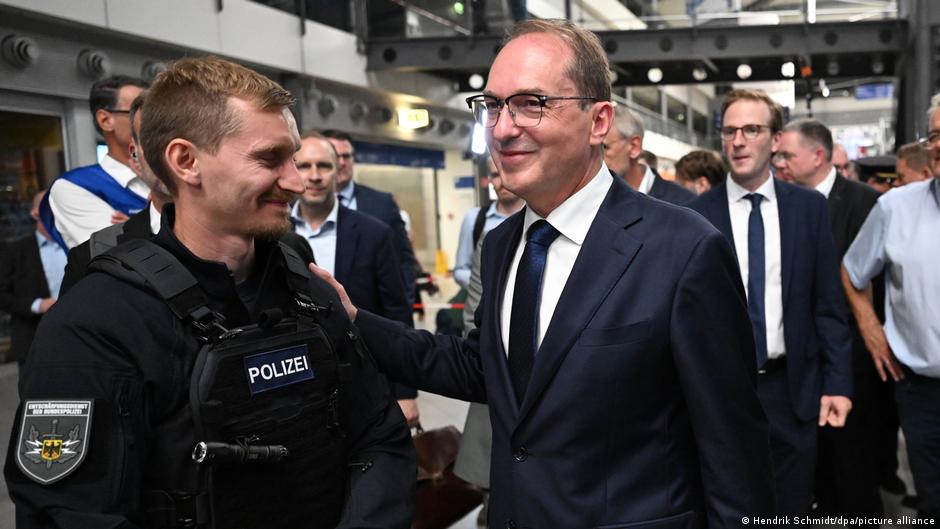
Germany's Chancellor Friedrich Merz and several ministers have already stressed that, while Germany is not at war with Russia, it is nevertheless facing hybrid attacks from Moscow.
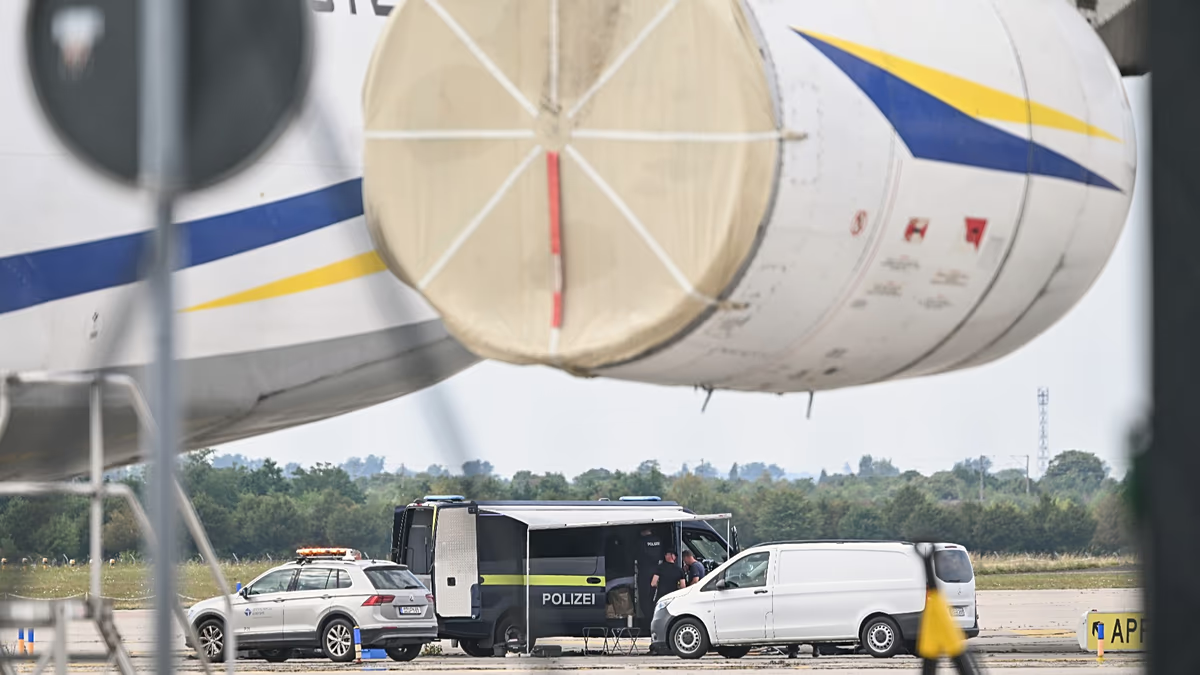
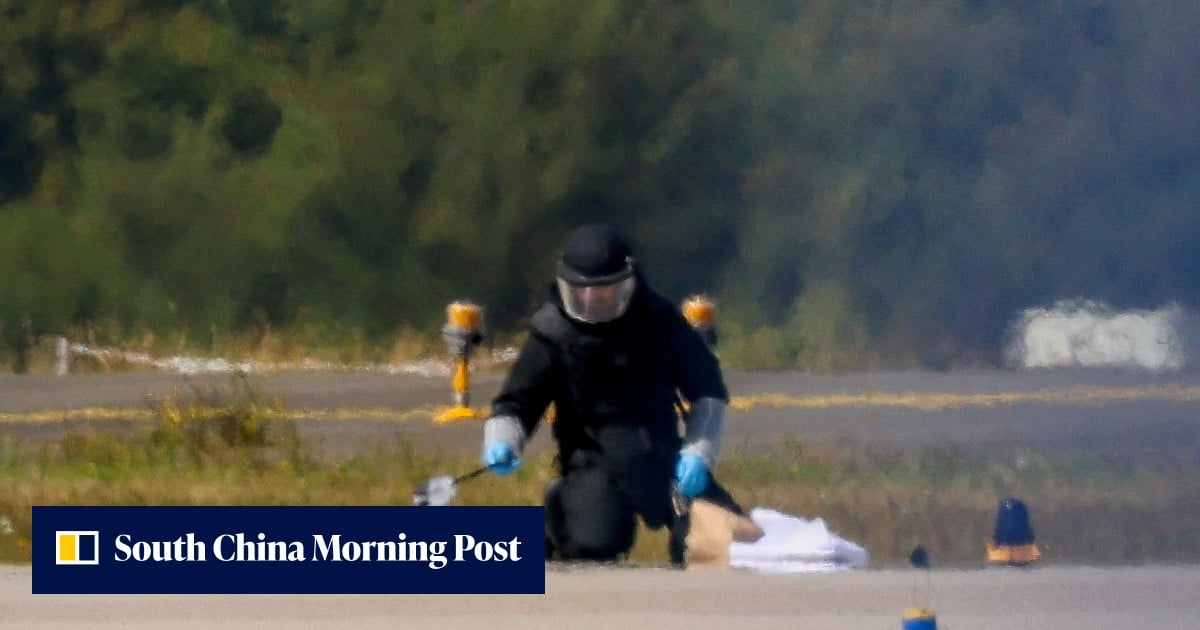
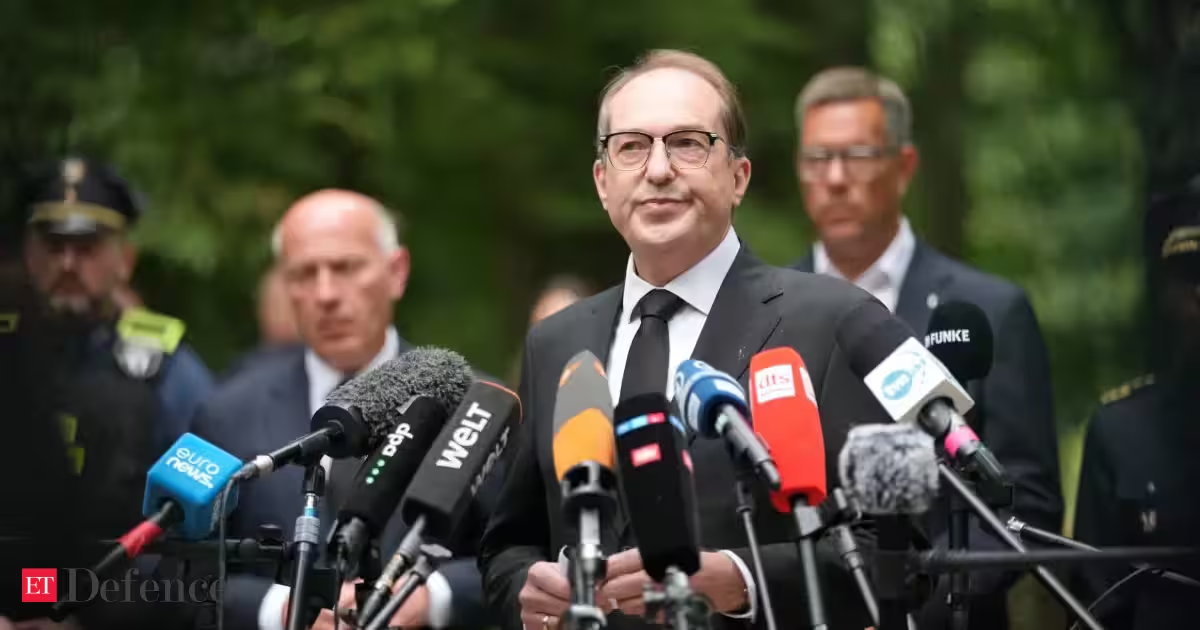
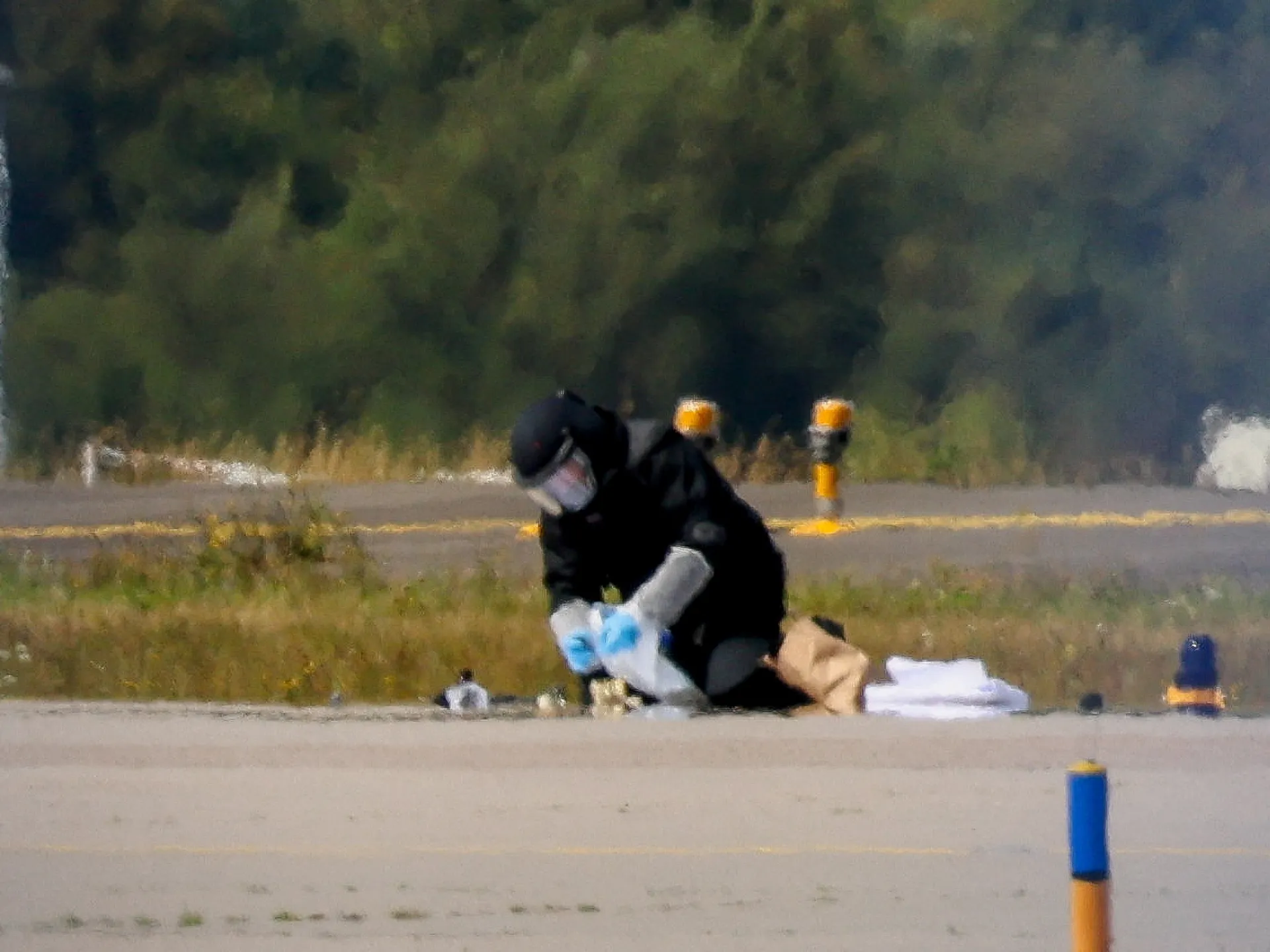
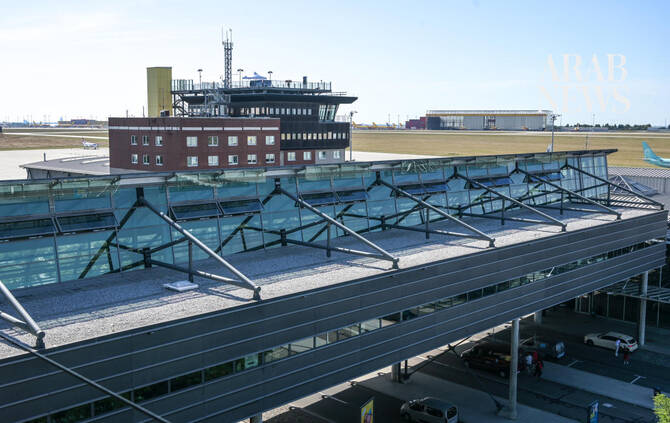
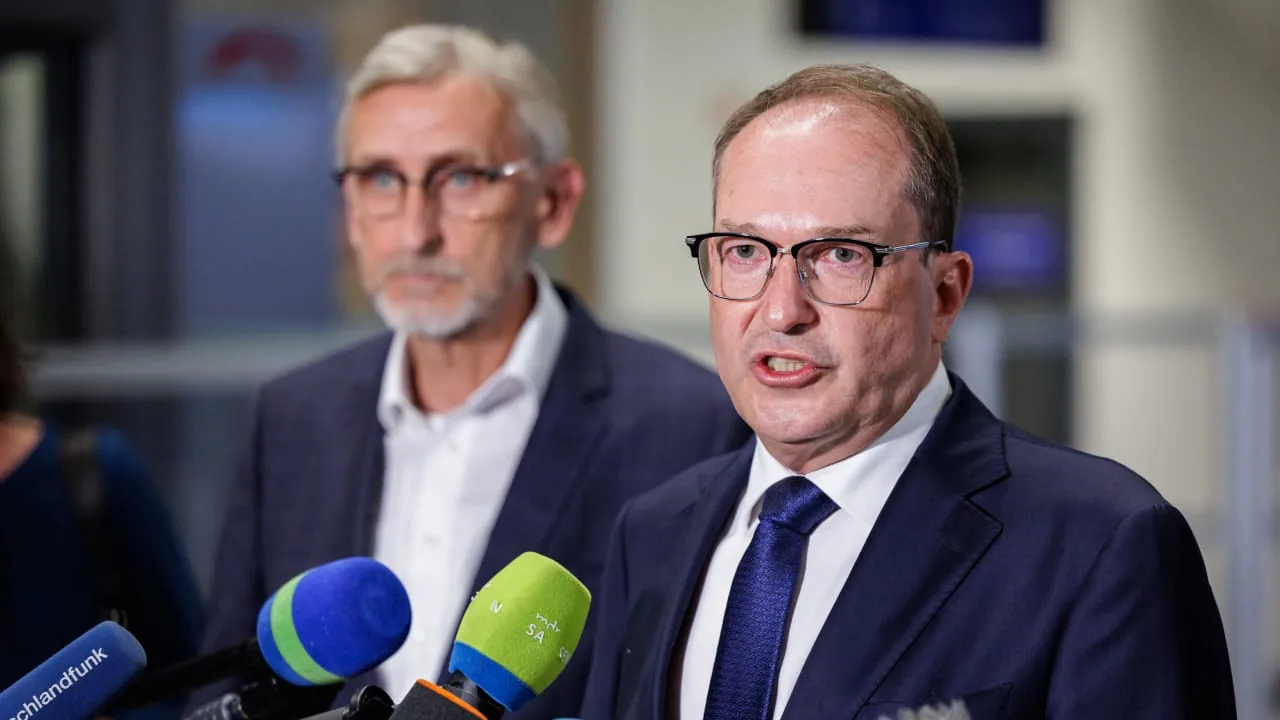
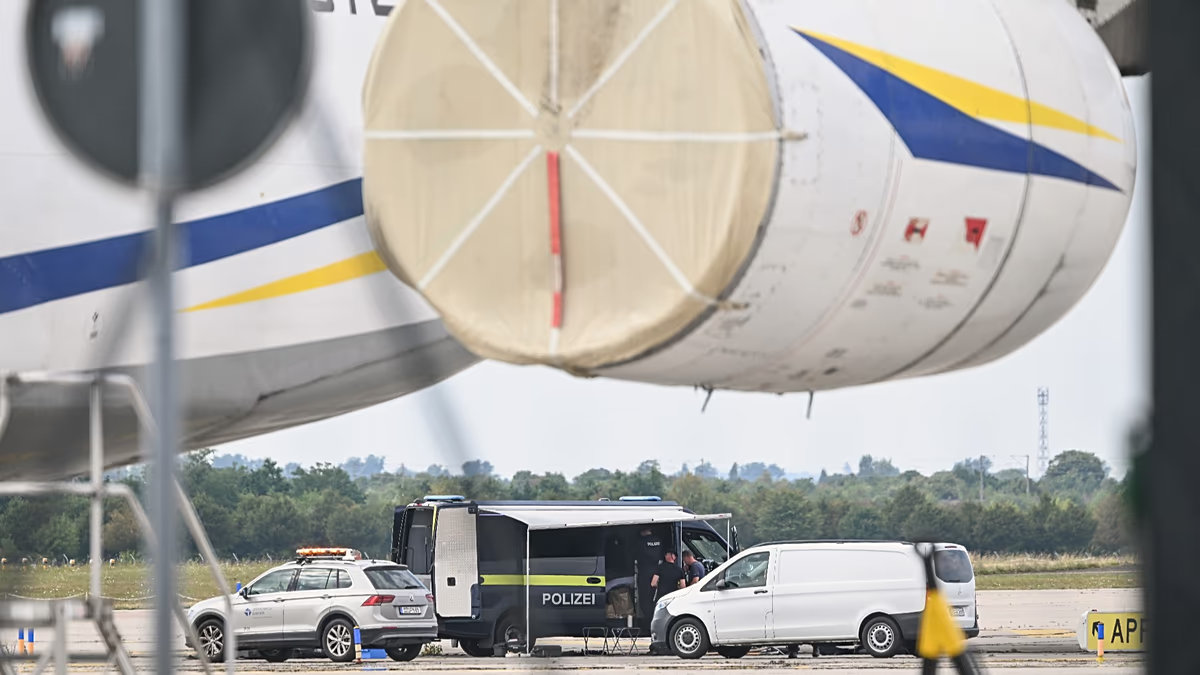
These include drone overflights, sabotage and disinformation, as well as a willingness "to act with growing ruthlessness, accepting serious damage to property and even injuries and deaths," as Merz said at a press conference following the attempted drone attack on Leipzig/Halle Airport.
It was the first time the German government had explicitly blamed Russia for an attempted attack. Since Russia launched its full-scale invasion of Ukraine, there has been frequent discussion of hybrid warfare against countries supporting Kyiv, with Germany seen as particularly exposed.
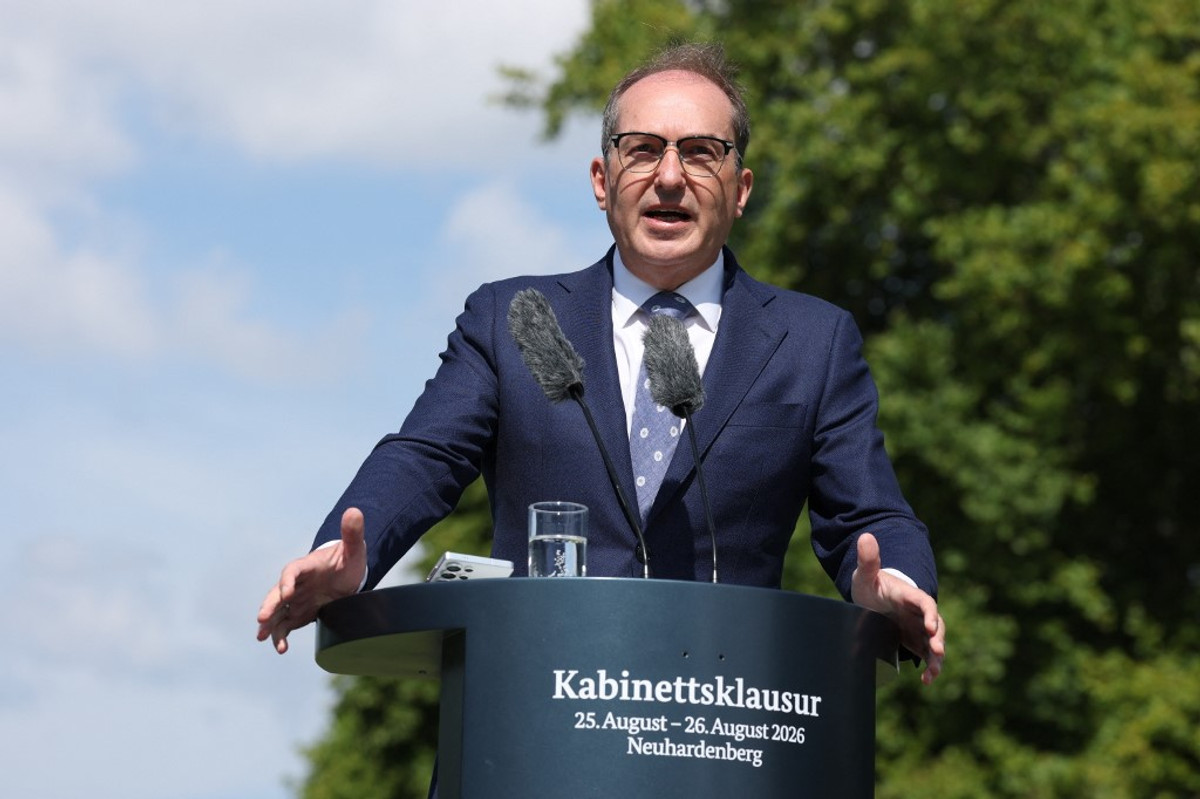
German Interior Minister Alexander Dobrindt has therefore raised the current threat level from "abstract" to "high". Hybrid attacks are considered difficult to detect because it is often unclear who is behind them and whether individual incidents are even connected.
There is growing concern about Russian hybrid activities targeting Germany, but Moscow is not the only country using such methods. According to the Federal Office of Civil Protection and Disaster Assistance (BBK), China, Iran and North Korea are also targeting Germany with hybrid measures.