6 min
read
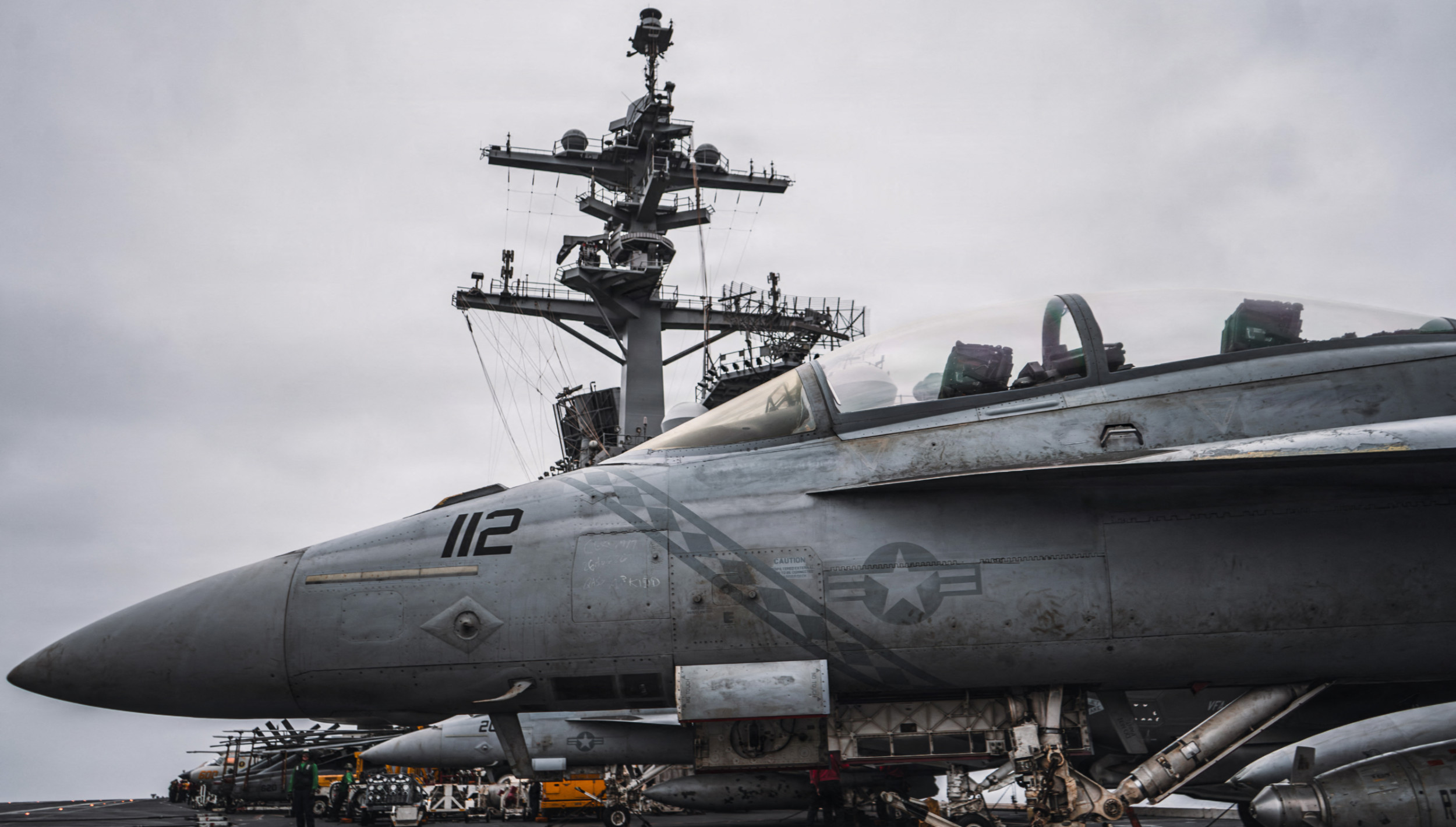
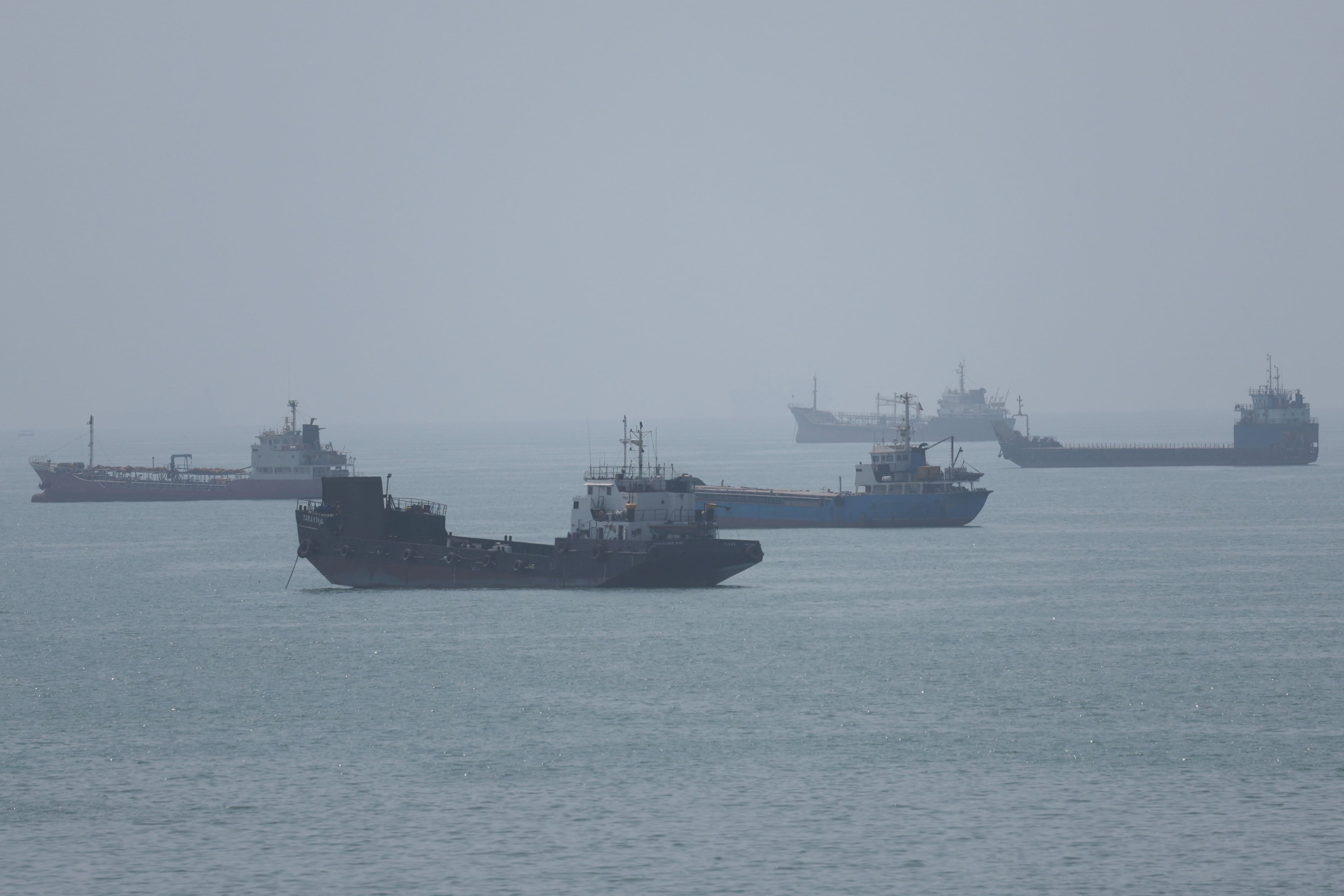
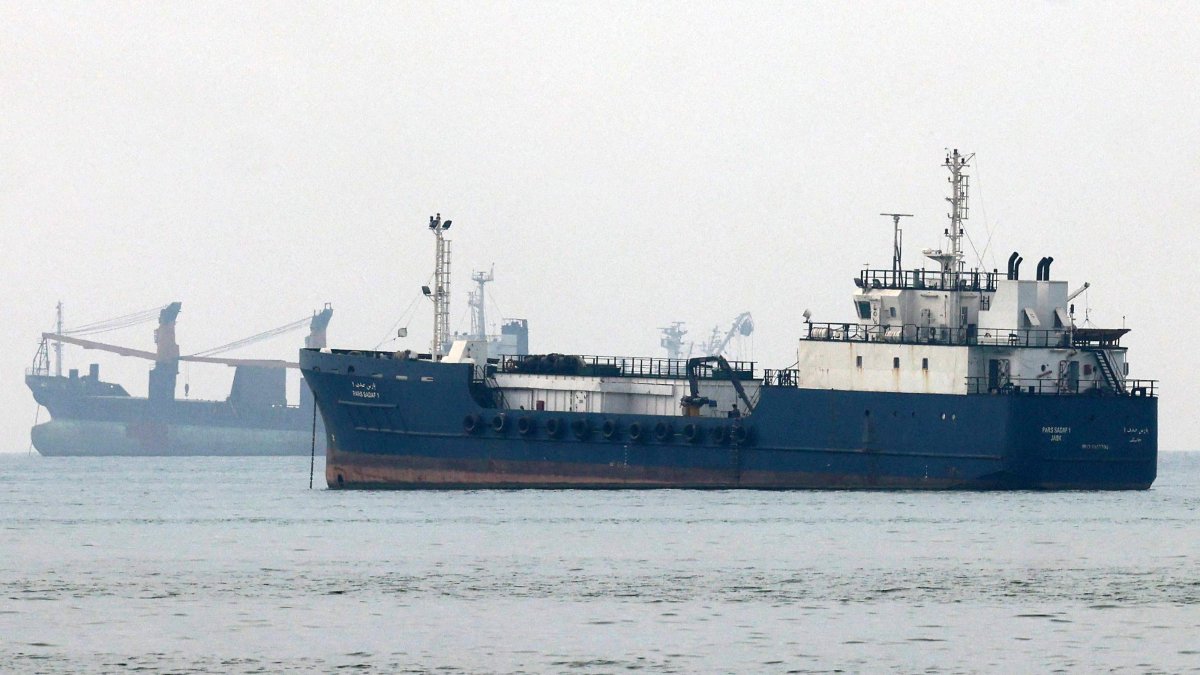
To understand where this more-than-six-month-old conflict is headed, it is essential to examine the strategies both the United States and Iran are pursuing today. What began as a sharp military confrontation has settled into a contest of endurance, leverage, and domestic political will. The outcome will likely turn less on dramatic battlefield breakthroughs than on which side first feels unbearable pressure at home.When the conflict erupted, American strategy leaned heavily on military force. Over time, as developments have made clear, that approach has broadened. The US strategy is no longer purely military or purely economic; it has become both. Washington now combines sustained economic pressure with calibrated, limited military action – a dual strategy designed to raise the costs of resistance for Tehran while avoiding the risks of full-scale war.The economic component aims to make it extremely difficult for the Iranian government to function, fund its priorities, or sell oil. It includes a naval blockade of Iranian ports, secondary sanctions that punish third parties dealing with Iran, and measures that further isolate the country’s financial system. Recent actions have targeted entities and networks facilitating Iranian trade, tightening the noose around remaining revenue streams. The Iranian currency has felt the strain acutely. On the free market it has traded near record lows, around 2.2 million to 2.3 million rials to the dollar, reflecting deep economic distress and the cumulative effect of blocked oil exports and financial isolation. These pressures are working in the sense that they are visibly eroding the regime’s resources and raising the price of continued defiance.Alongside the economic campaign runs a restrained but persistent military effort. It is not a full-scale invasion or occupation. Instead, it consists of targeted strikes on Iranian launchers, military infrastructure near the Strait of Hormuz, and, more recently, Iranian oil tankers linked to revenue networks. The purpose is to degrade Iran’s ability to threaten shipping while signaling that the costs of holding the strait closed – or of charging fees for passage – will keep rising. The strategic goal is to bring Tehran to the point where it calculates that compromise is preferable: reopening the Strait of Hormuz without fees, accepting arrangements that restore free navigation, and reaching an understanding on the nuclear issue. In short, the dual strategy seeks to make the status quo of restricted trade and intermittent strikes more painful for Iran than a negotiated settlement would be.