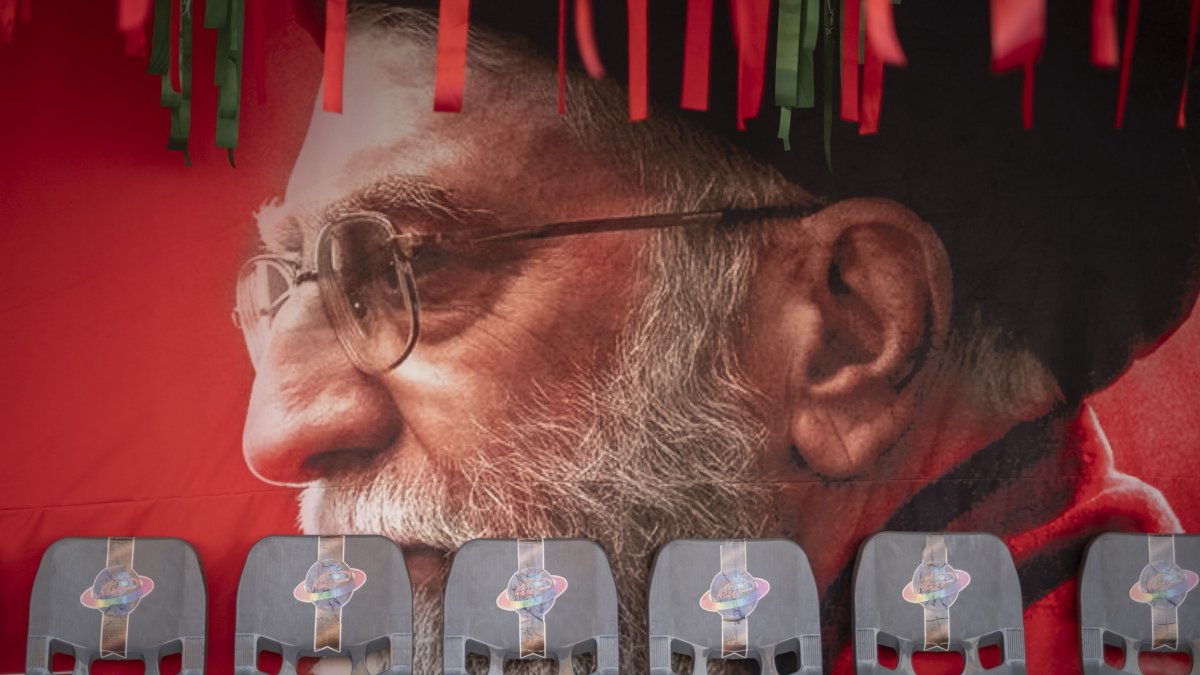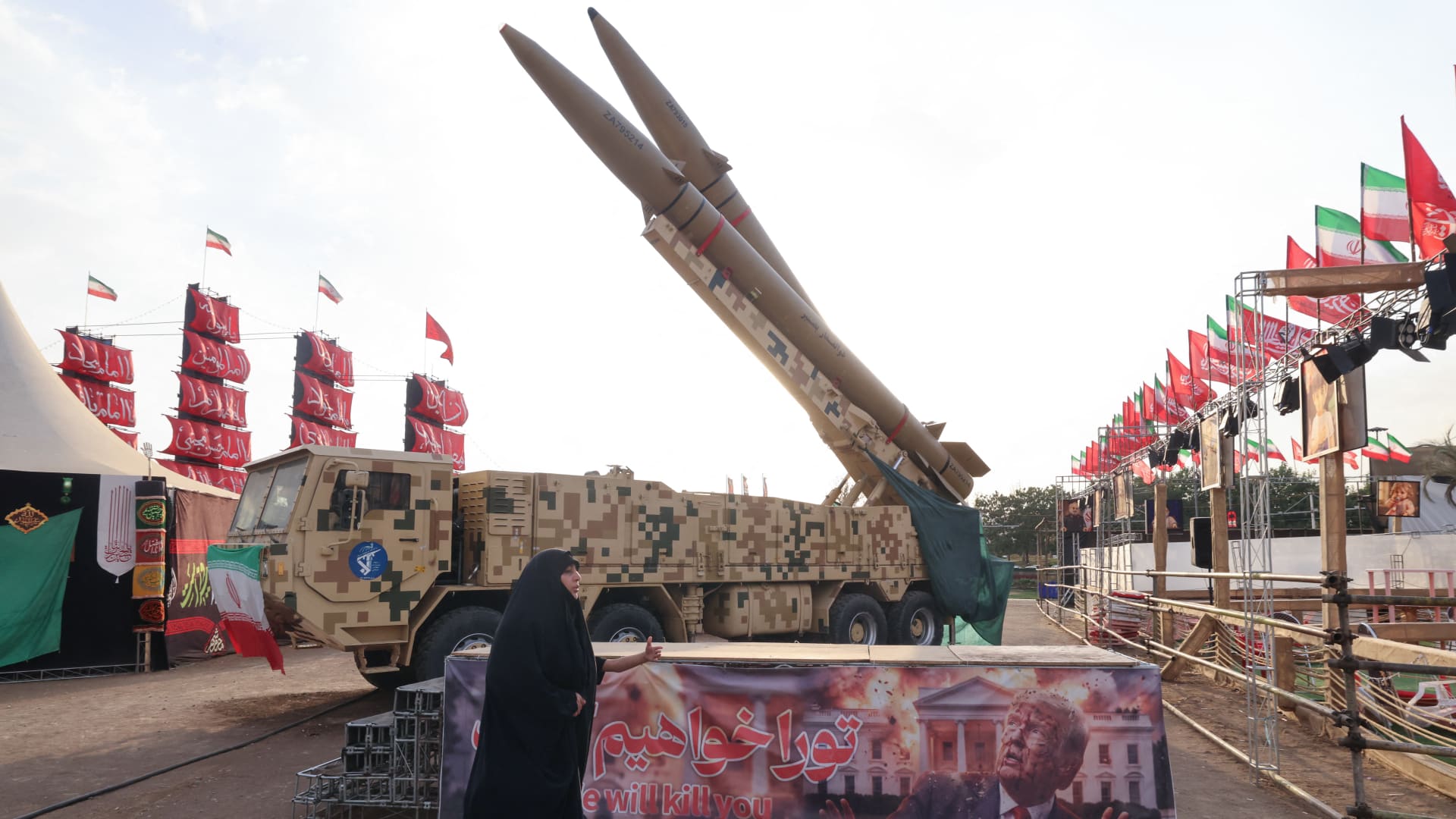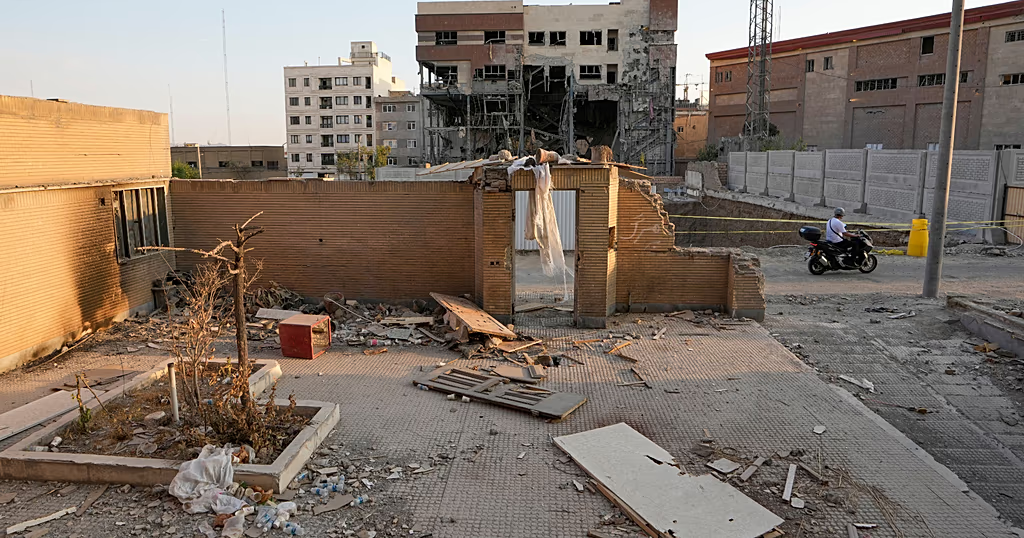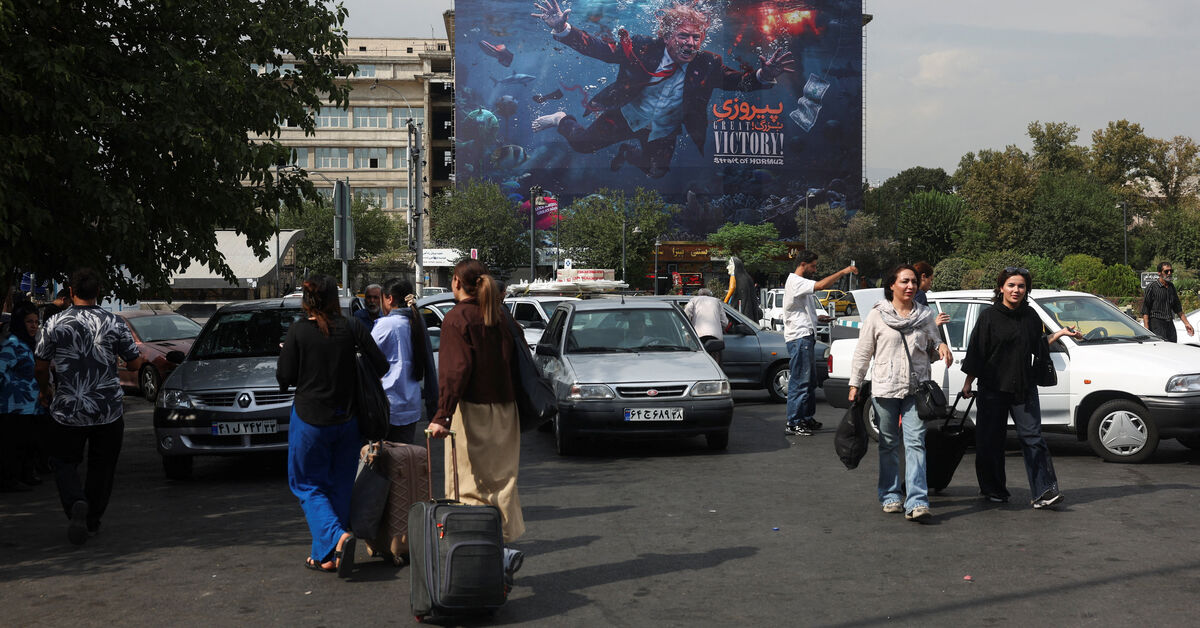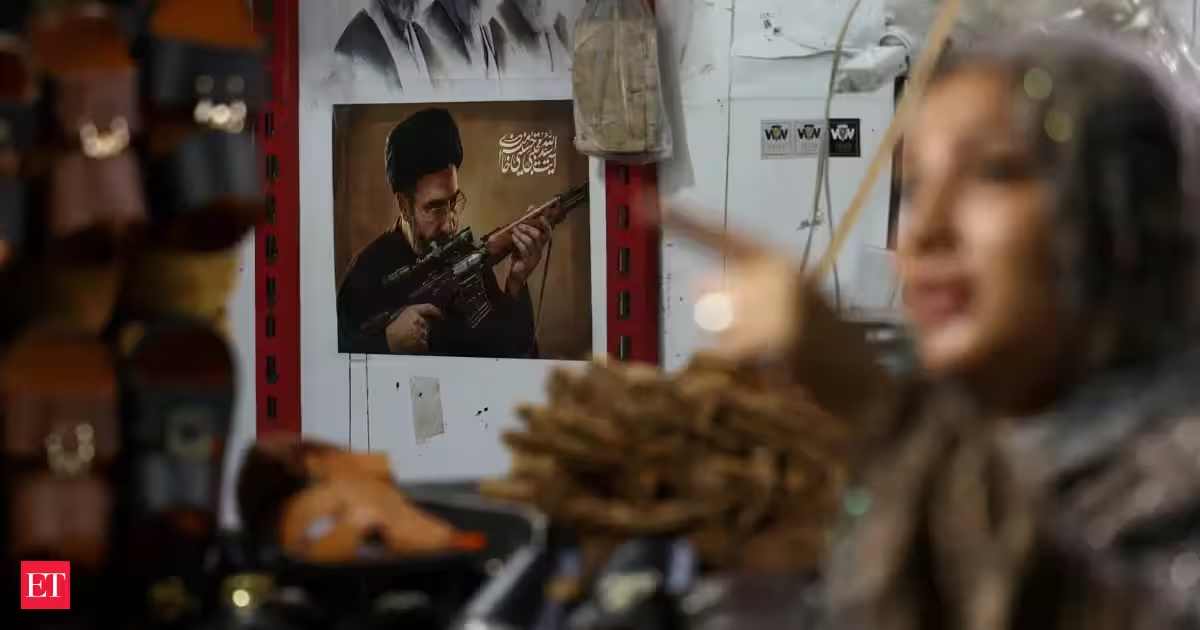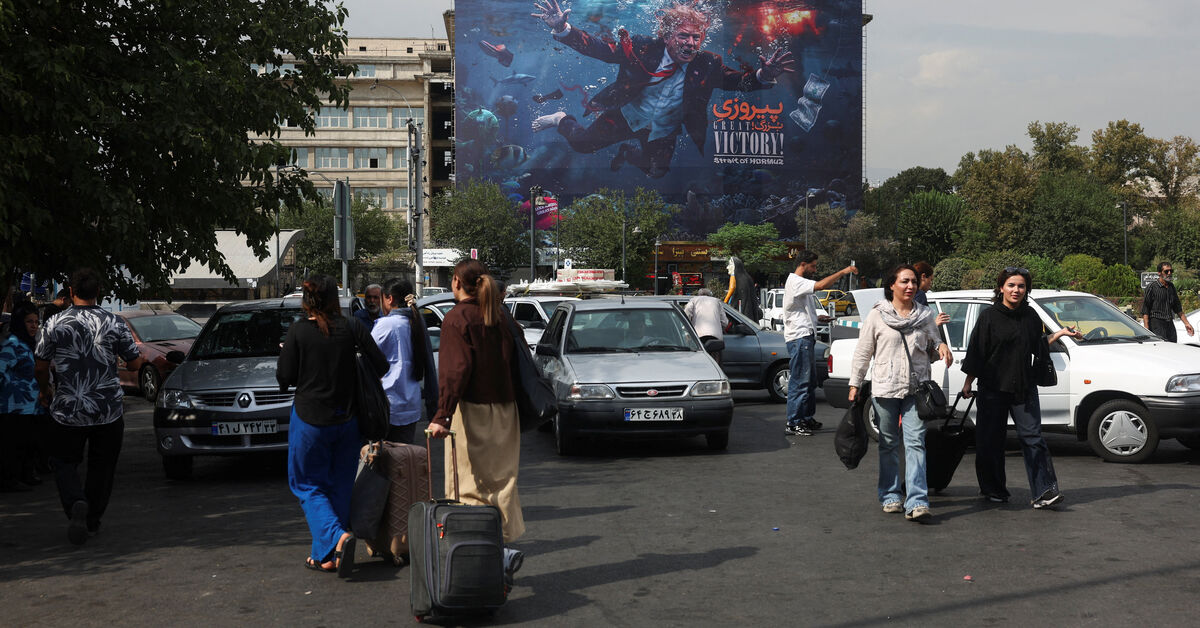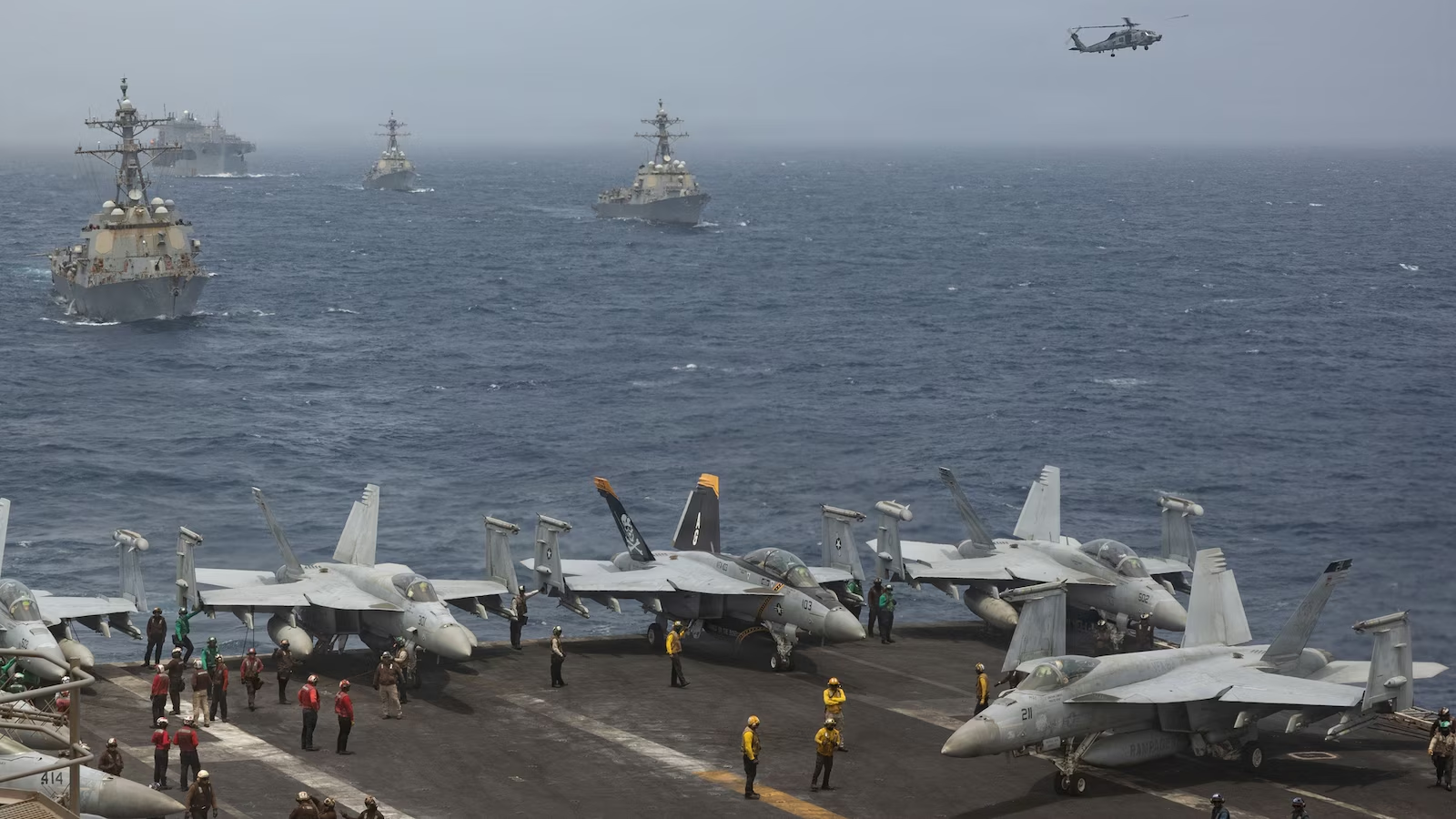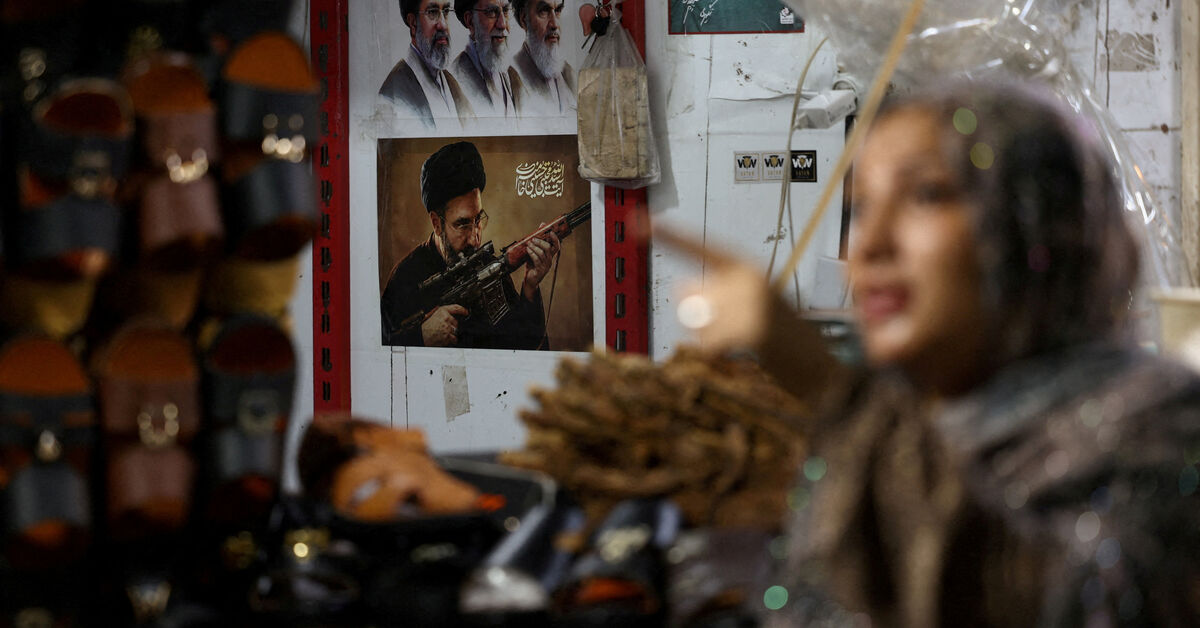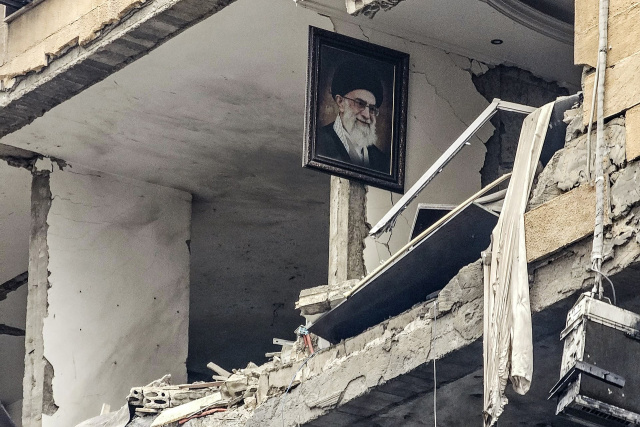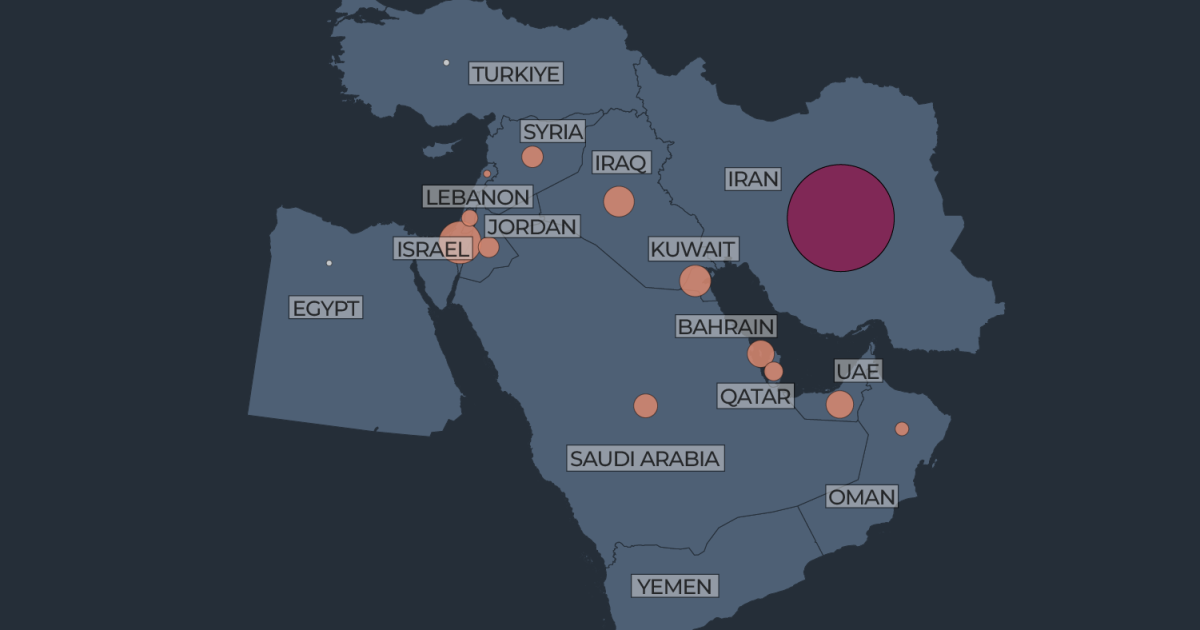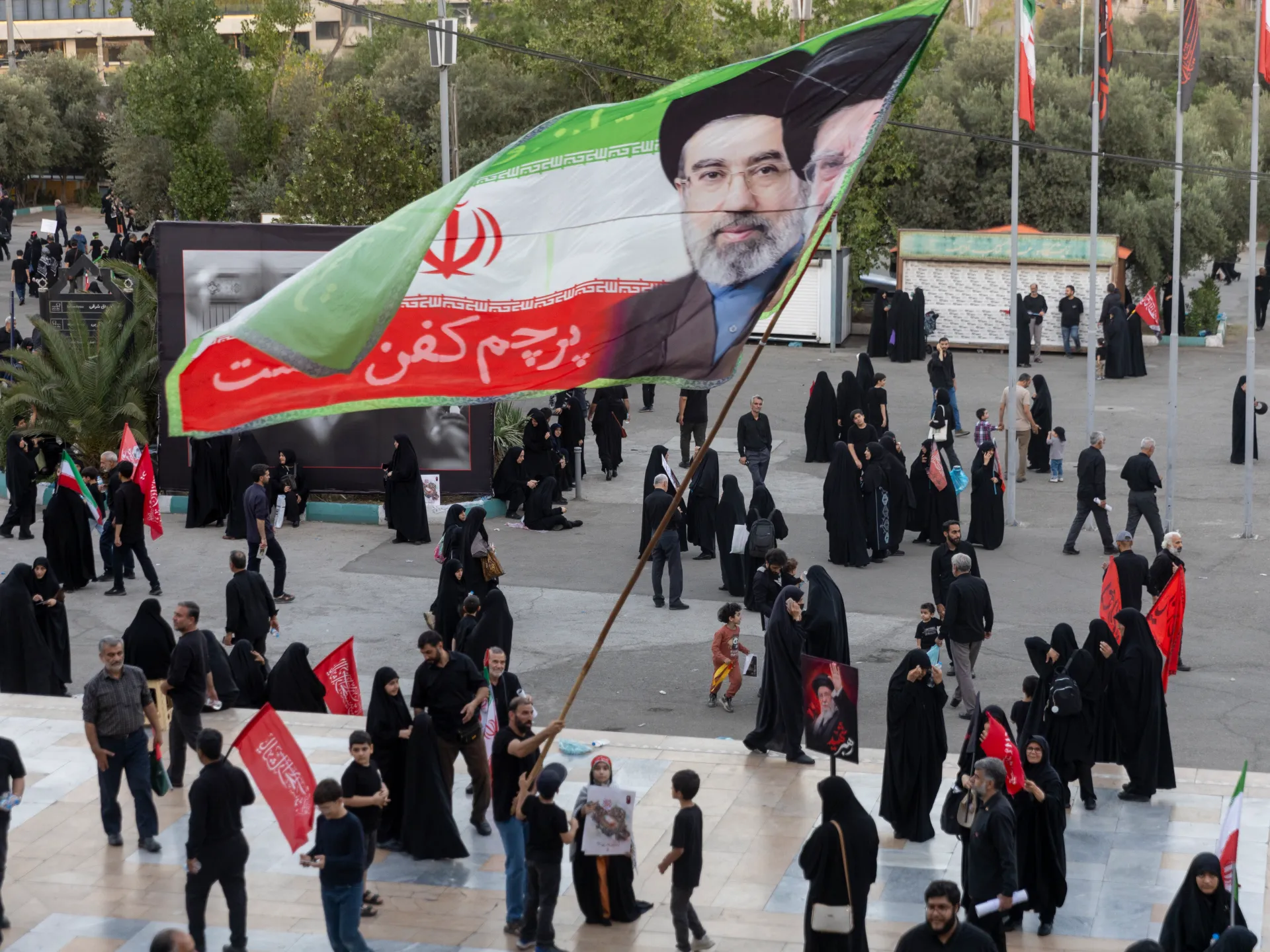
It has been six months since the United States and Israel launched their coordinated military campaign against Iran on February 28. The war is easily cast as the latest turn in the long antagonism between Washington and Tehran, but that frame misses its immediate context. Its real context is the aftermath of October 7, 2023: Israel’s genocidal war on Gaza that followed spread across the region, wore down Iran’s network of allies, and pulled Israel and Iran into increasing confrontation, culminating in the 12-day war of June 2025 and the US-Israel campaign launched this February. The bilateral track only sharpened this trajectory. Nearly eight years before the current war, Trump’s first administration launched “maximum pressure” aimed at driving Iran’s oil exports to zero. When it failed to force political change, economic coercion eventually gave way to military force. Six months on, the campaign has come full circle, back to economic pressure applied with greater force. Economics, then war, then economics again.At the 100-day mark, Tehran could plausibly present the outcome as a victory of survival: Its adversaries had failed to topple the system, and by its own measure that was what mattered. Six months on, that claim is harder to sustain because the pressure has shifted to the terrain on which Iran has always been weakest. The question is no longer whether Iran can survive military attack, but whether it can withstand an economic siege with no sign of lifting.A leadership hollowed out at the topThe most visible change is at the summit. After the assassination of Supreme Leader Ali Khamenei in the opening strike, his son Mojtaba was appointed just more than a week later, a succession Tehran presented as proof of continuity and cohesion. But six months on, he has yet to make a verified public appearance. His portrait is carried through city squares and at mourning ceremonies, and decrees are issued in his name, while rumours about his condition persist. A leadership that once drew its authority from the visible presence of a single figure now rests, in part, on an absence.The state has also had to rebuild its command structure in the middle of the war. The opening strike killed IRGC commander Mohammad Pakpour and armed forces chief of staff Abdolrahim Mousavi, while other senior commanders were slain in the weeks that followed. On August 10, decrees issued in Mojtaba’s name formalised a new military leadership, including Ahmad Vahidi as IRGC chief and Ali Abdollahi as chief of staff. The appointments appear to favour loyalty and continuity over change and were widely read as a signal that Tehran did not intend to soften its posture. The deeper significance is simpler: A state still rebuilding its high command in the sixth month of a war is not doing so from a position of strength.From maximum pressure to ‘Economic Outcast’The clearest sign that the war has returned to its economic origins is the campaign Washington has intensified since suspending strikes in early August. US officials had already branded the broader effort “Economic Fury”; on August 24, the Treasury launched Operation Economic Outcast, an expanded campaign aimed at severing Iran’s remaining financial links with the outside world. Its instruments are familiar from the pre-war “maximum pressure” era but are being applied more aggressively: Secondary sanctions on those moving Iranian oil, measures against its “shadow fleet” and financial networks, and greater enforcement of international sanctions. Iran’s oil exports, near 1.8 million barrels a day before the war, have fallen below half a million; inflation is approaching 90 percent, with food prices more than double what they were a year ago.Yet the siege lands on an economy whose troubles were never solely the work of sanctions. Iran had long failed to insulate itself from an architecture built over decades, from US sanctions dating to the 1980s to United Nations Security Council resolutions since 2006. Neither the 25-year, $400bn partnership with China nor the strategic treaty signed with Russia in early 2025 delivered the stability Tehran sought. Before the war, Ali Khamenei and Pezeshkian had acknowledged that sanctions alone could not account for the depth of the crisis and that governance bore its share. The economic weapon works in part because the state it targets was already structurally exposed.That pressure is now enforced at sea. Iran closed the Strait of Hormuz in retaliation on February 28 and, six months on, it has not reopened; the naval blockade that followed has fused with the closure into a single chokehold on Iran’s trade.Diverging narratives in TehranThat structural exposure is forcing a longstanding divergence into the open. For years, Iran’s leadership has explained its crises through two competing narratives: One, advanced by the political leadership, acknowledging failures of economic governance; the other, promoted by the security establishment, attributing unrest to external enemies. Under the pressure of the siege, that divergence has sharpened into a disagreement over the war itself. President Pezeshkian, who signed the June memorandum with Washington, has spoken with growing candour about an economy giving way, saying this month that Iran’s difficulties have “multiplied several times over” as revenue has fallen. On August 21, he argued that it would be “better to end [the war] today, while we are in a position of strength”, even as his government prepared Iranians for painful increases in fuel prices.Parliament speaker and chief negotiator Mohammad Bagher Ghalibaf has put the danger more bluntly: “No matter how much military power we have, if the people are hungry and there is no financial circulation, economic growth, or national production, we will not endure.” Yet he remains tied to the security establishment’s logic, insisting diplomacy carries weight only when backed by readiness for war and casting Washington’s economic turn as an admission of military failure. That Iran’s two most senior civilian figures now say publicly that hunger, not bombardment, is the greatest threat marks a shift from the confident rhetoric of the war’s first months. It has not settled the argument over who is responsible, only raised its stakes.Six months on, Iran’s leadership still measures the war by the standard it set at the outset: The system has not fallen, and everything else it considers recoverable. By that measure, survival remains a form of victory. But the pressure now falls on the household and the market, where it is harder to answer with the language of resistance. The divide between a president urging an end to the war and a security establishment determined to outlast it is no longer concealed.The war has also produced the terms of its own possible end. The closed strait and the blockade have become the centre of gravity for diplomacy. Reopening the strait and lifting the blockade are the levers each side holds over the other and the most plausible opening for negotiations that could bring the conflict to a close.This leaves Iran with a difficult choice. To negotiate a settlement on terms Washington would accept risks provoking the internal fracture the hardliners fear; to hold out risks a bleeding economy and a winter that will test the state’s capacity to provide. The war has also reinforced, within parts of the leadership, the conviction that only a nuclear capability could have deterred the initial attack, making any lasting settlement harder to reach.Beneath these immediate pressures lies a more enduring pattern. The confrontation between Washington and Tehran has always been, at its core, a contest shaped by what the political elites of the two countries believe about each other and about the risks of dealing with each other. On the Iranian side, US hostility has repeatedly deepened divisions within the political elite rather than compelling agreement, reinforcing its reluctance to make bold decisions about negotiating with the US. Pressure intended to force Tehran’s hand has instead hardened the hesitation it sought to break, compounding Iran’s political and economic strains. Six months into this war, that pattern is again on display: the campaign has come full circle to the economic weapon it began with, the Iranian elite is more divided, and the bold decision a settlement would require remains as distant as ever. There is little sign that this cycle will end soon.The views expressed in this article are the author’s own and do not necessarily reflect Al Jazeera’s editorial stance
Six months on, Iran is still standing, but survival is becoming more costly
Economic pressure is testing Iran where it is weakest and sharpening divisions within its leadership.
1,374 words~6 min read