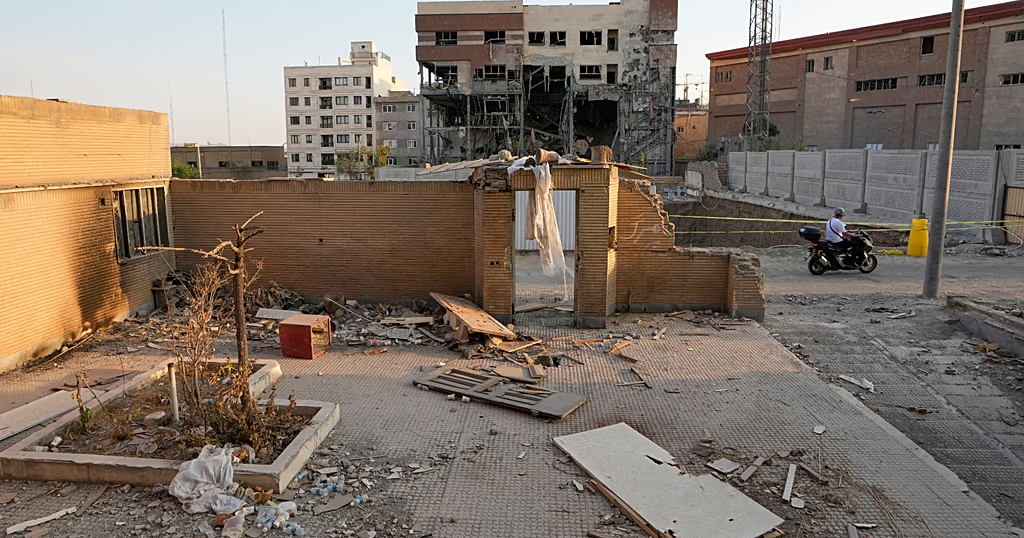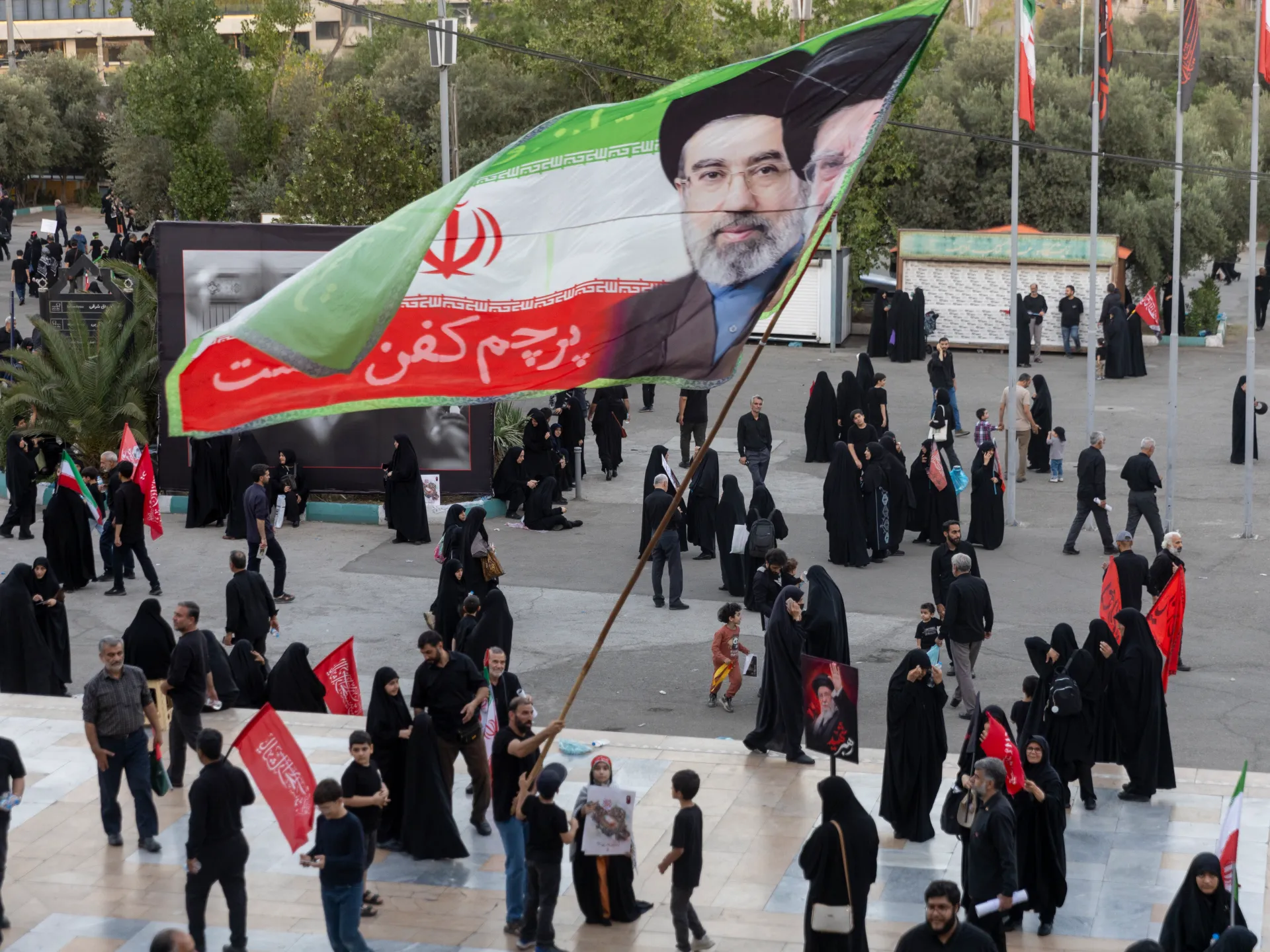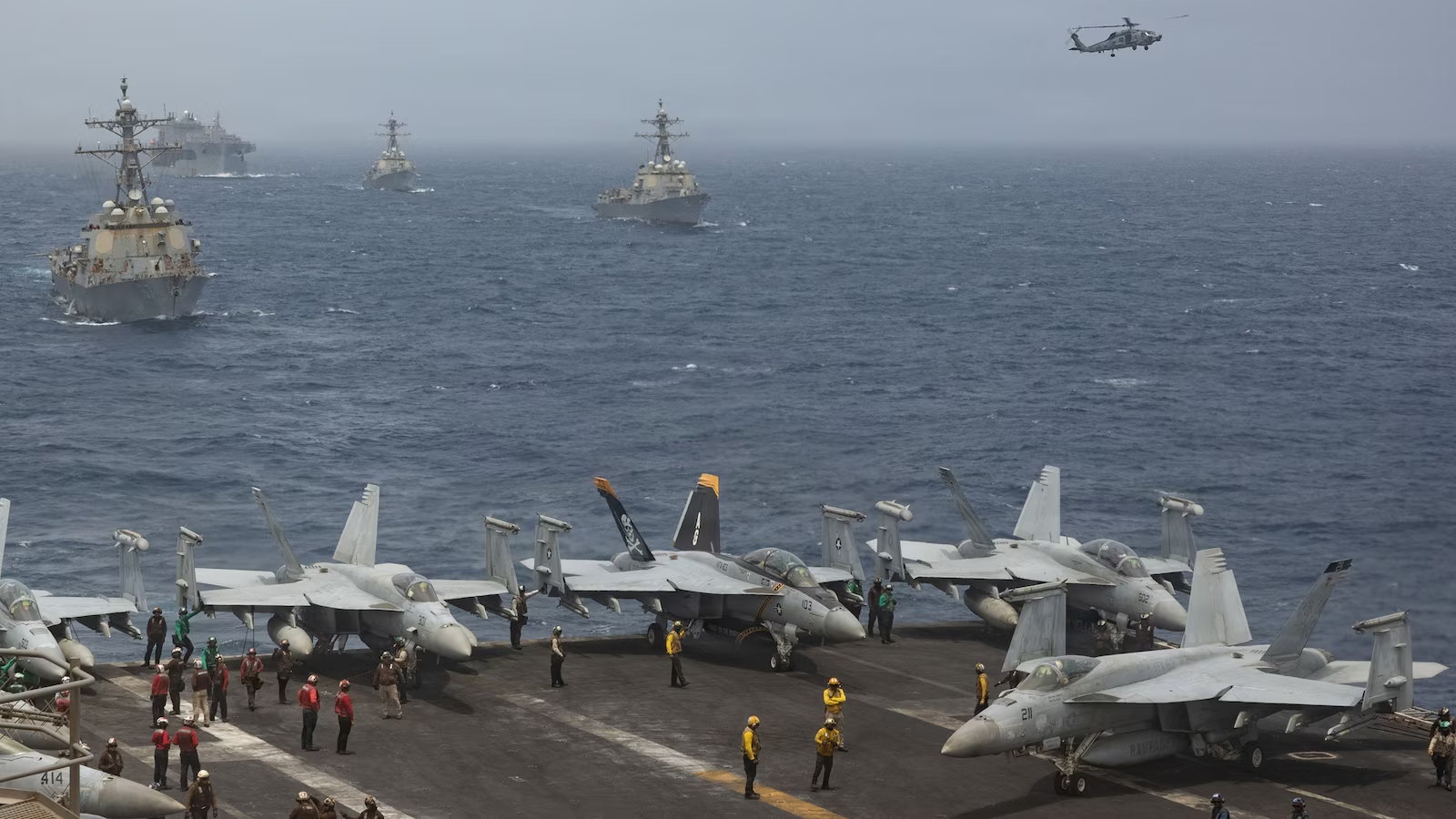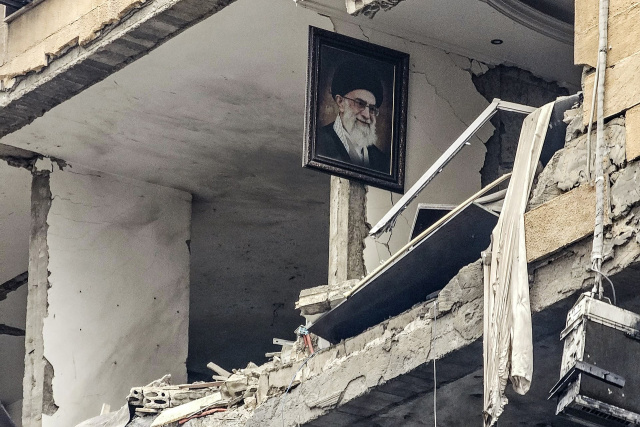
Six months into the war between the United States and Iran, Arab states are facing a difficult new reality as the conflict shows no clear sign of producing either regime change in Tehran or a decisive victory for Washington.
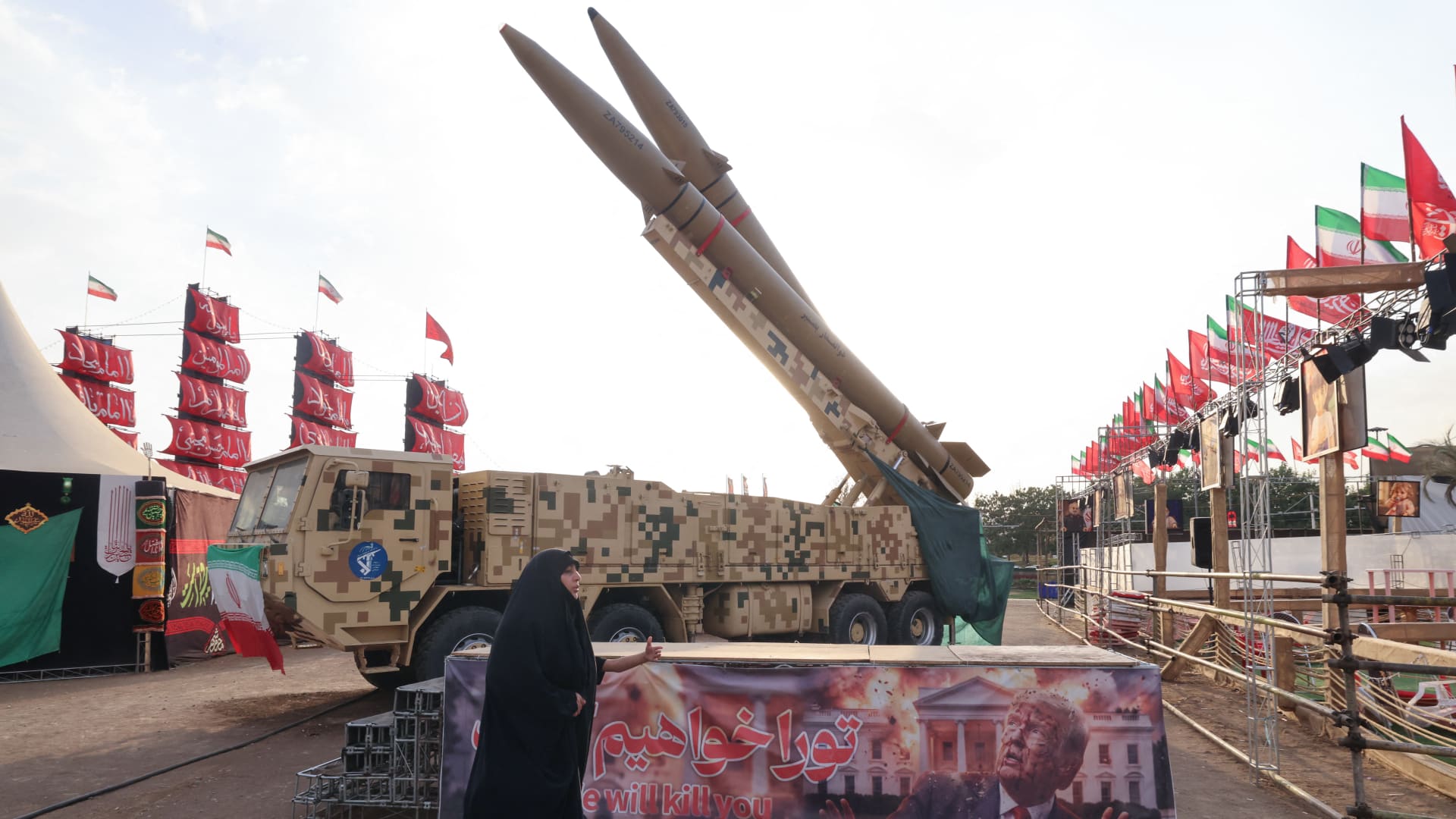
Analysts broadly expect the conflict to become a prolonged period of stagnation and attrition rather than end with a clear winner. The war began with surprise Israeli and US attacks on Iran on February 28, with Washington initially hoping that mounting economic and military pressure would force a fundamental change in Tehran. Six months later, that outcome appears increasingly unlikely, leaving governments across the region preparing for a drawn-out conflict and its consequences.
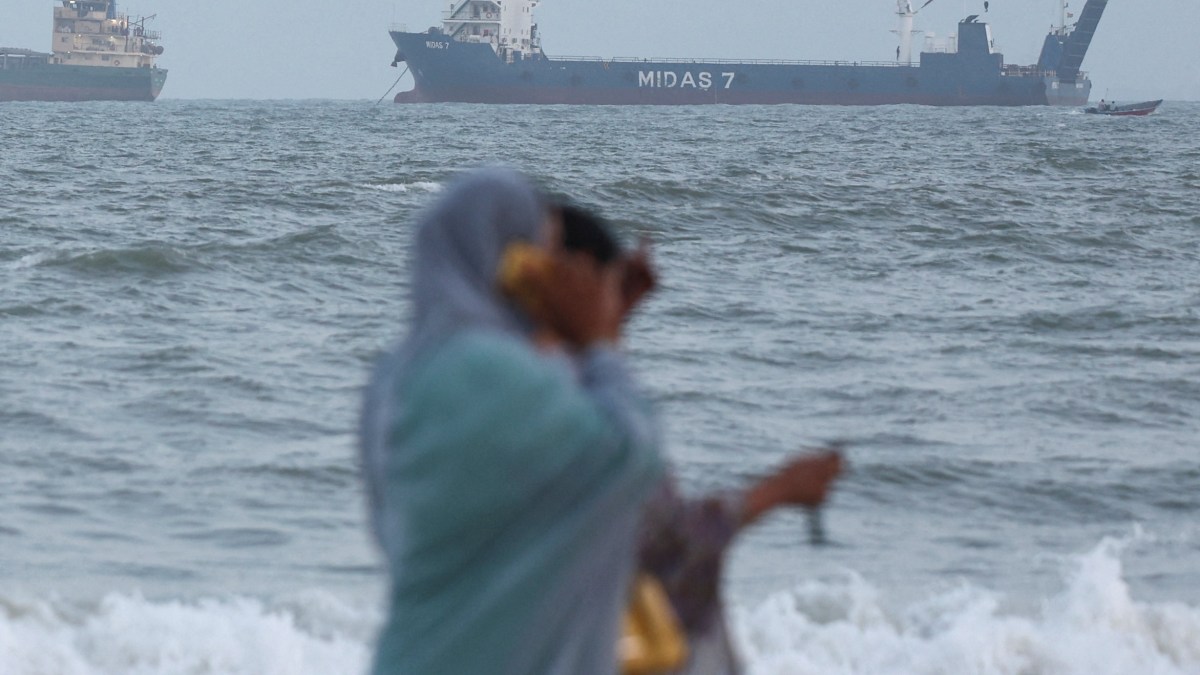
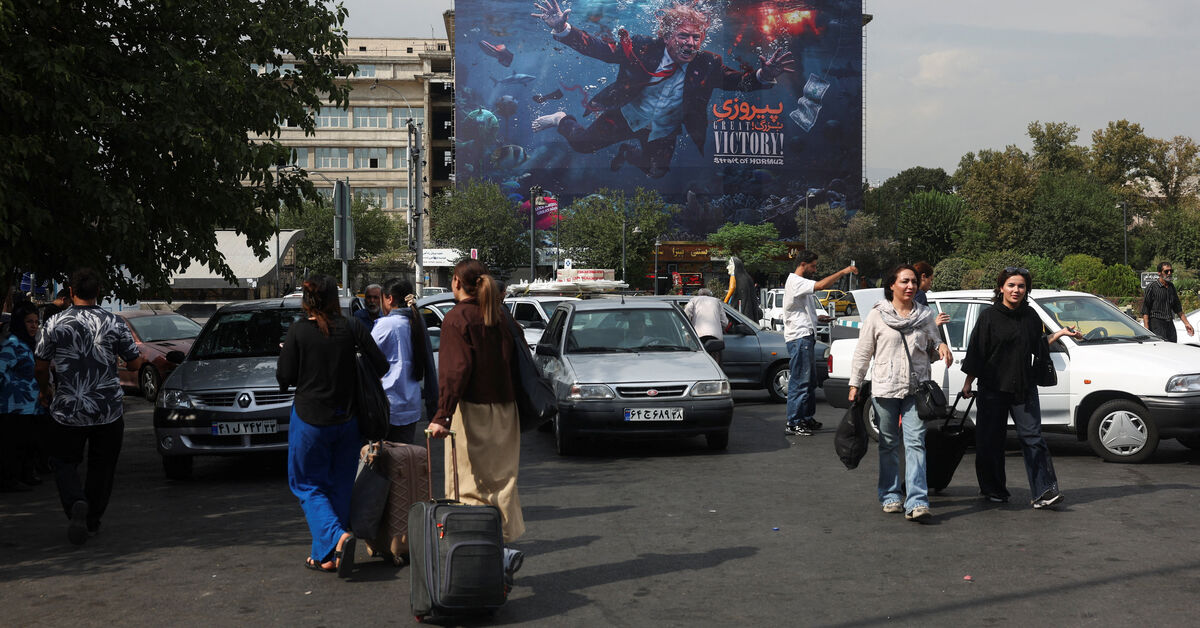
Oil-dependent economies have been particularly exposed. Traffic through the Strait of Hormuz has fallen sharply after Iranian attacks on shipping and a US blockade of Iranian ports, disrupting oil, refined products and liquefied natural gas shipments. Although the intensity of fighting has declined since Washington and Tehran signed a memorandum of understanding in June, the conflict has not ended and uncertainty continues to weigh on the region.
The prolonged war is also reinforcing existing regional tensions. The confrontation involving Houthi rebels and Saudi Arabia in Yemen could intensify, while China and India continue expanding their influence in the Middle East and North Africa. China’s Belt and Road Initiative is already deeply established across the region, and Arab states increasingly recognize that formal security relationships with outside powers do not necessarily guarantee protection.