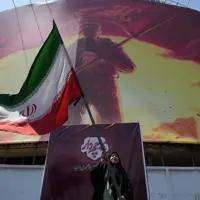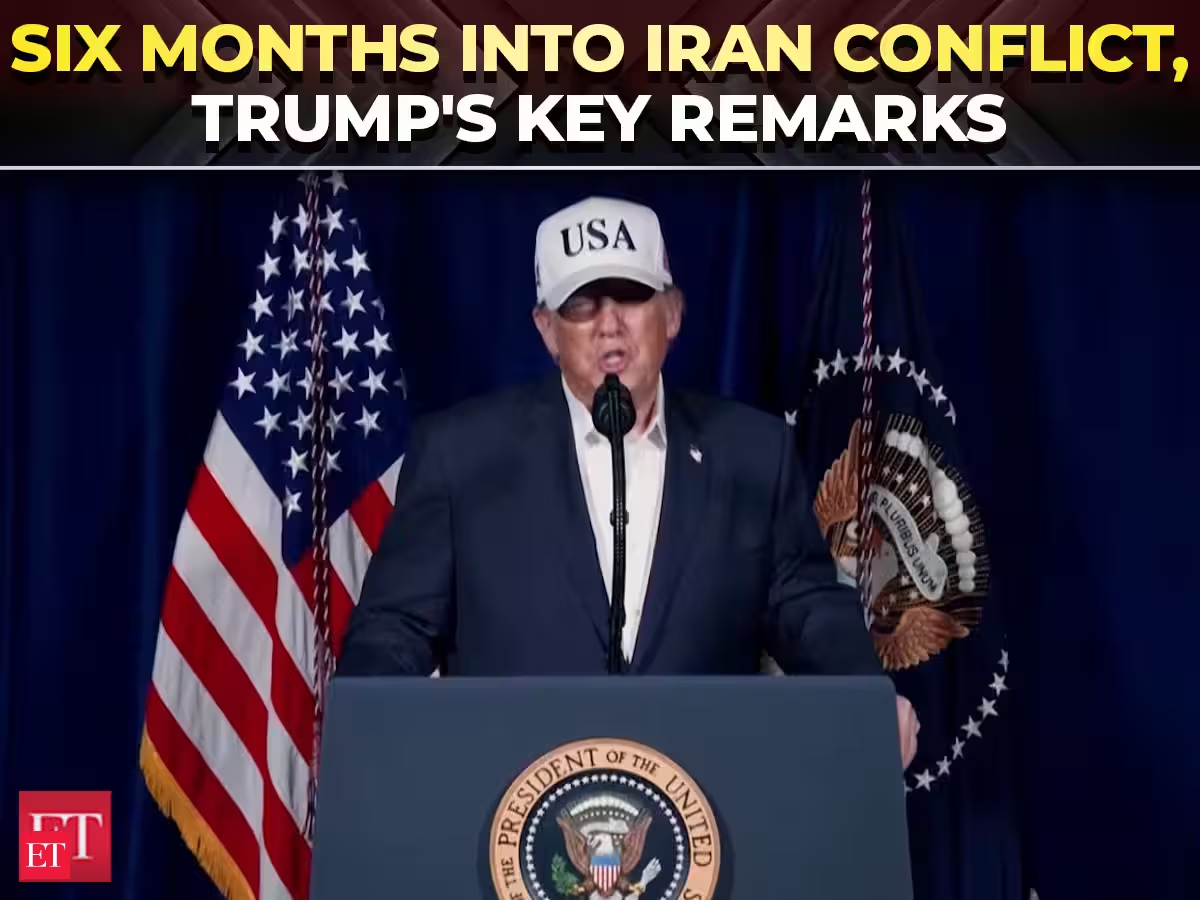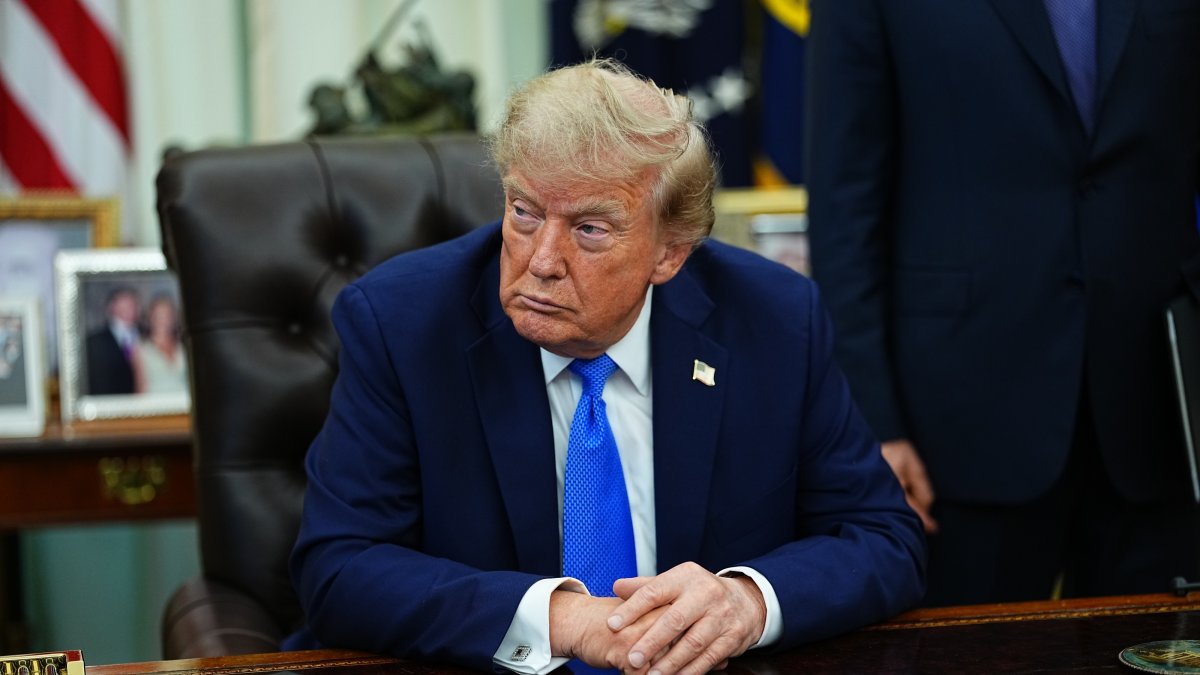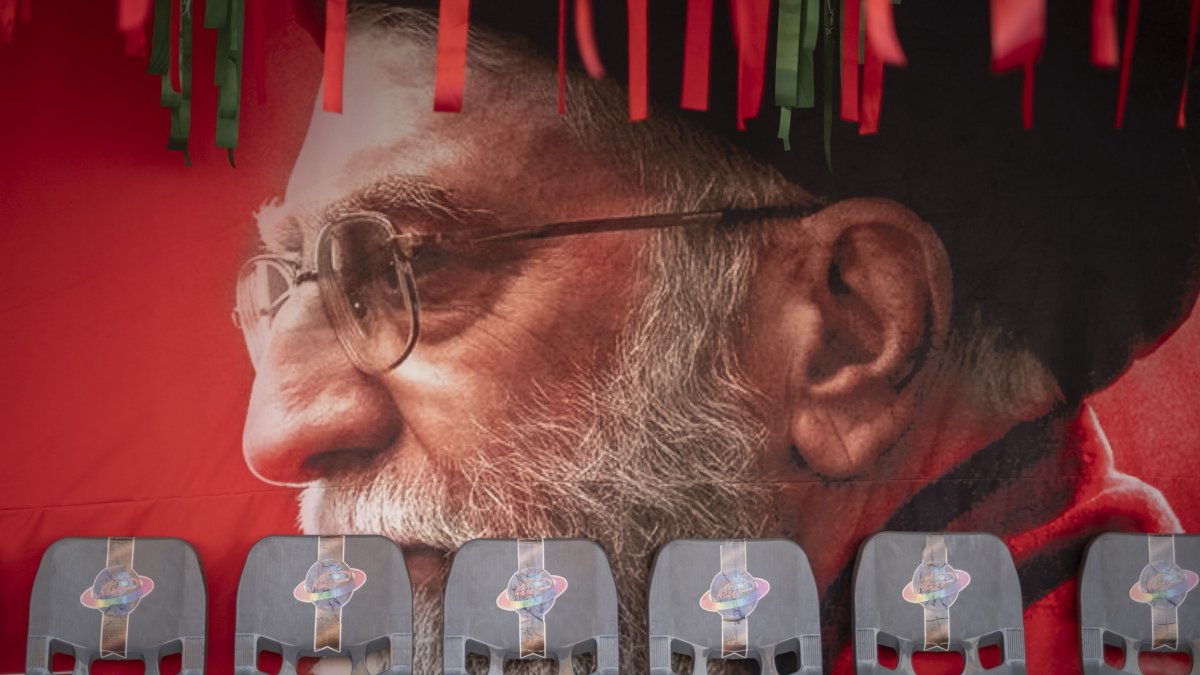
Six months after U.S. and Israeli forces attacked Iran, killing its supreme leader and maiming his son and successor, the war has settled into a costly stalemate, with Tehran under mounting economic pressure but still firmly in power and betting that time is on its side.
A threat by U.S. President Donald Trump to impose crippling new sanctions on Iran faces a fundamental problem: Tehran is betting he will not take the final step to break the stalemate – aggressively enforcing secondary sanctions on the countries keeping its economy afloat, foremost among them China and India.
Washington's latest measures, announced Monday, mark a new phase in the conflict that began on Feb. 28, shifting the battlefield from missiles and airstrikes to Iran's oil revenues, banks and trading partners.
Treasury Secretary Scott Bessent has said the United States will cut off the financial lifelines sustaining Iran's economy, while a U.S.-led naval blockade restricts Tehran's oil exports and access to hard currency.
"The (Trump) administration is groping in a sort of desperate fashion to try to find a pathway out of this,” said Aaron David Miller, a former U.S. diplomat and senior fellow at Carnegie Endowment.