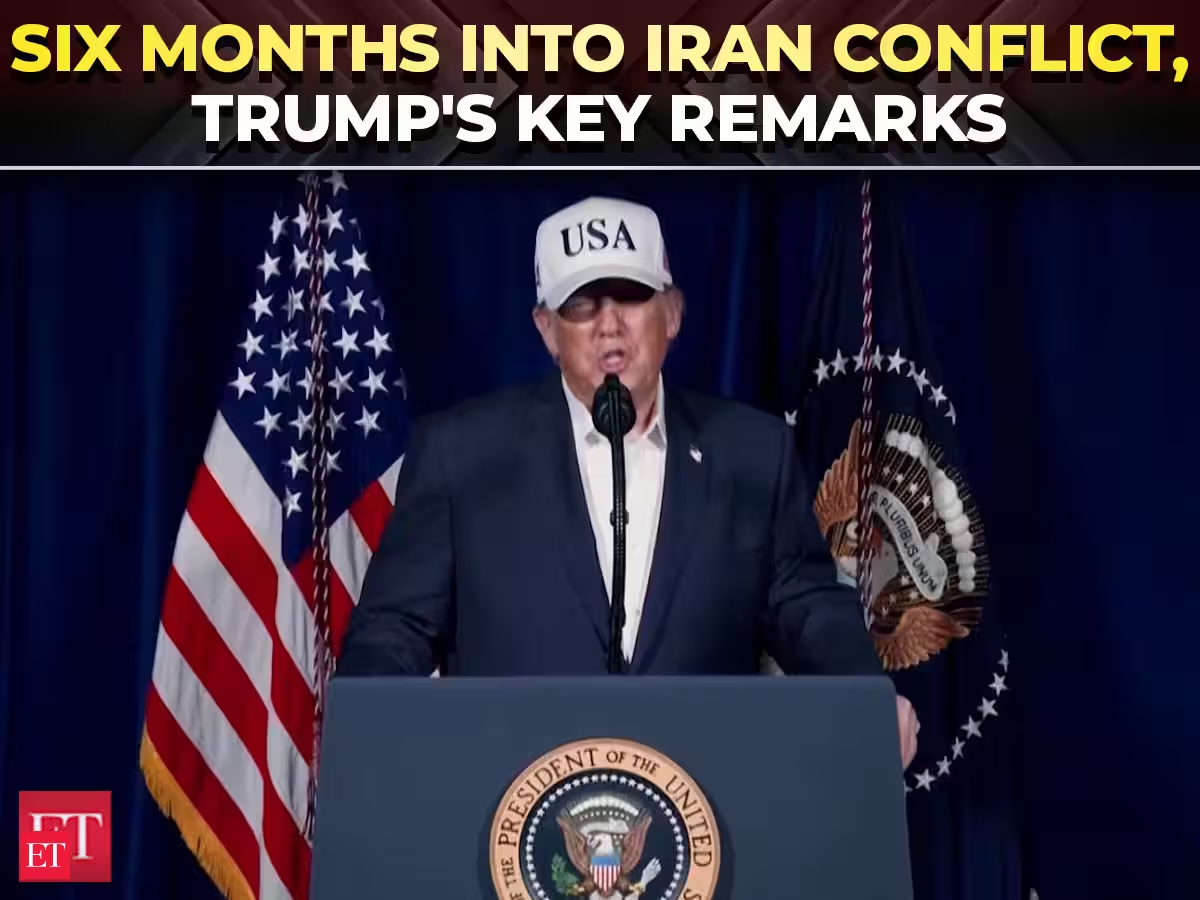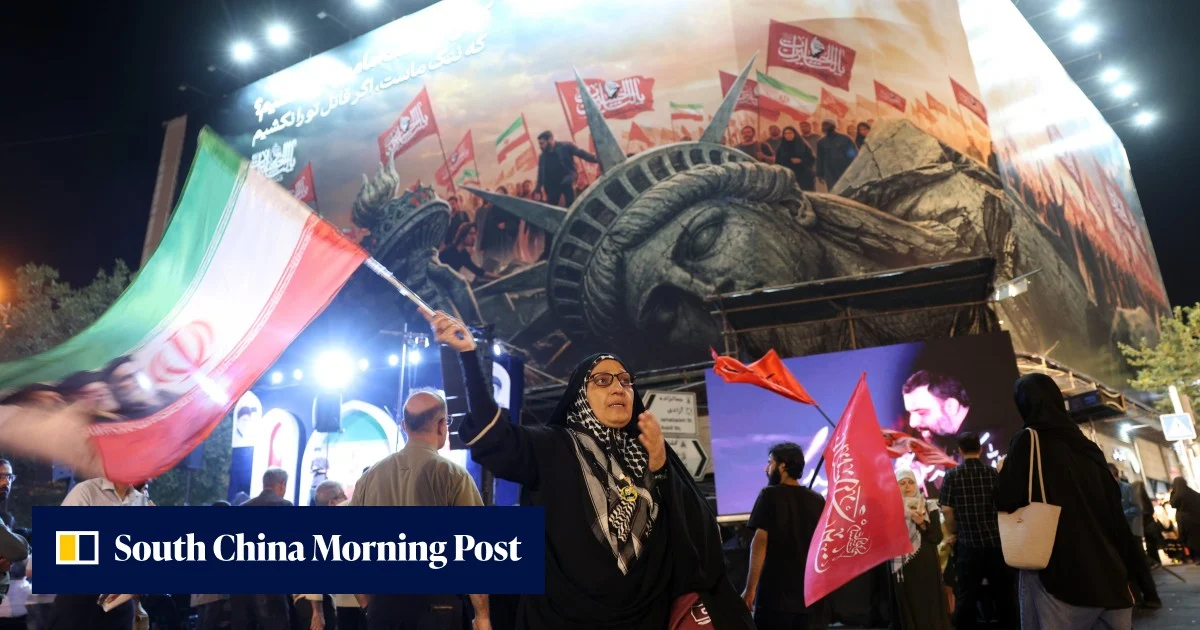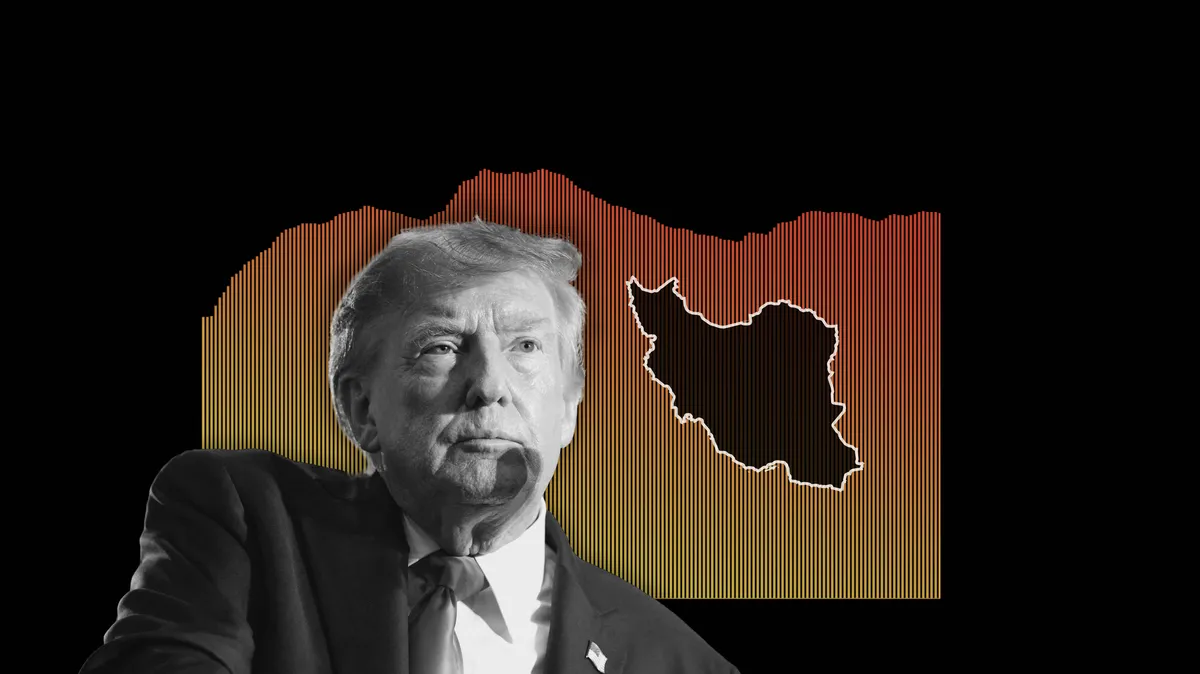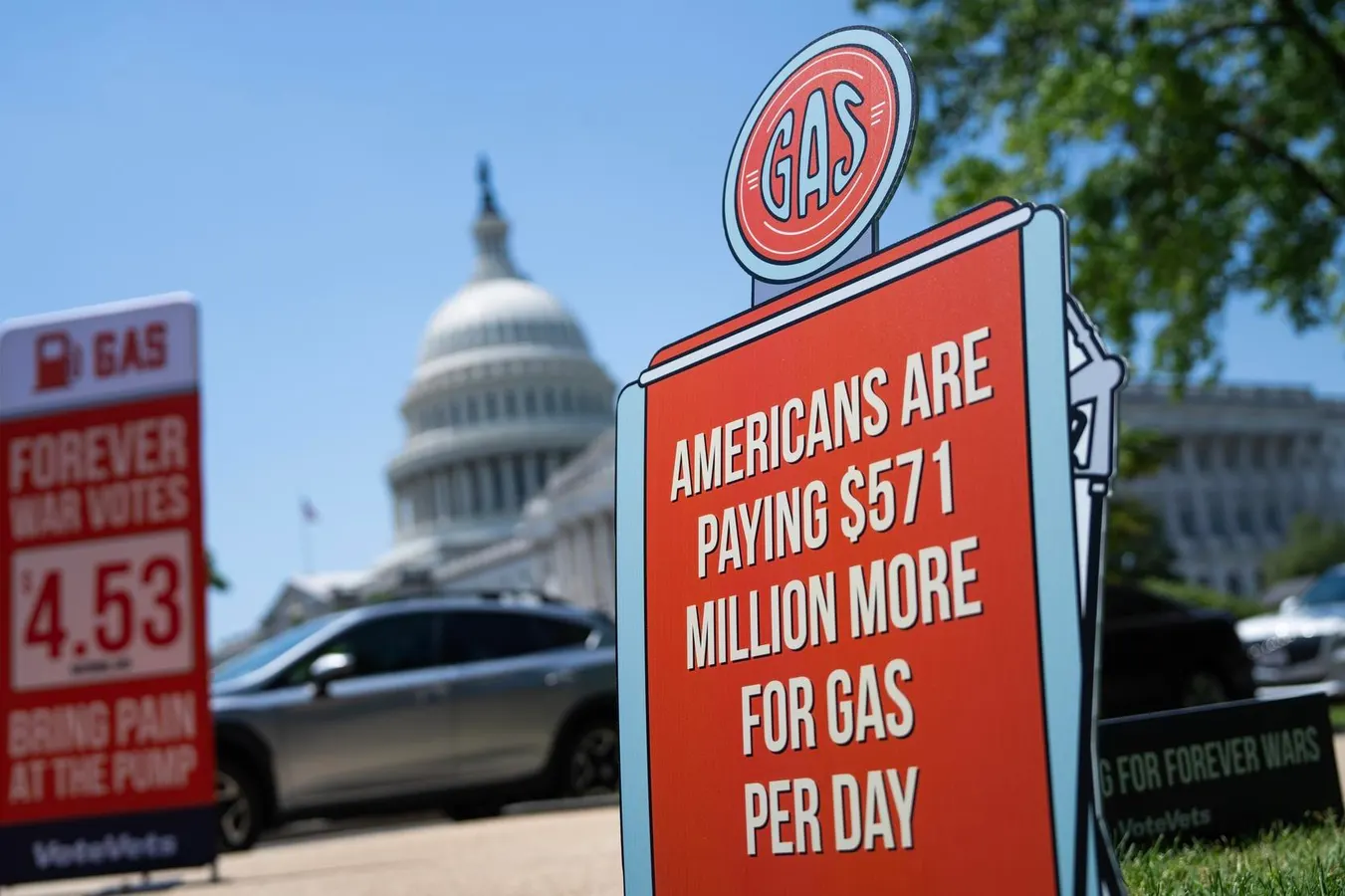
The US-Iran war that began on February 28, 2026 has settled into a grinding stalemate. Six months of airstrikes, sanctions, ceasefire attempts, and diplomatic shuttle runs have failed to deliver a decisive outcome for either side, leaving global energy markets in a state of sustained unease.
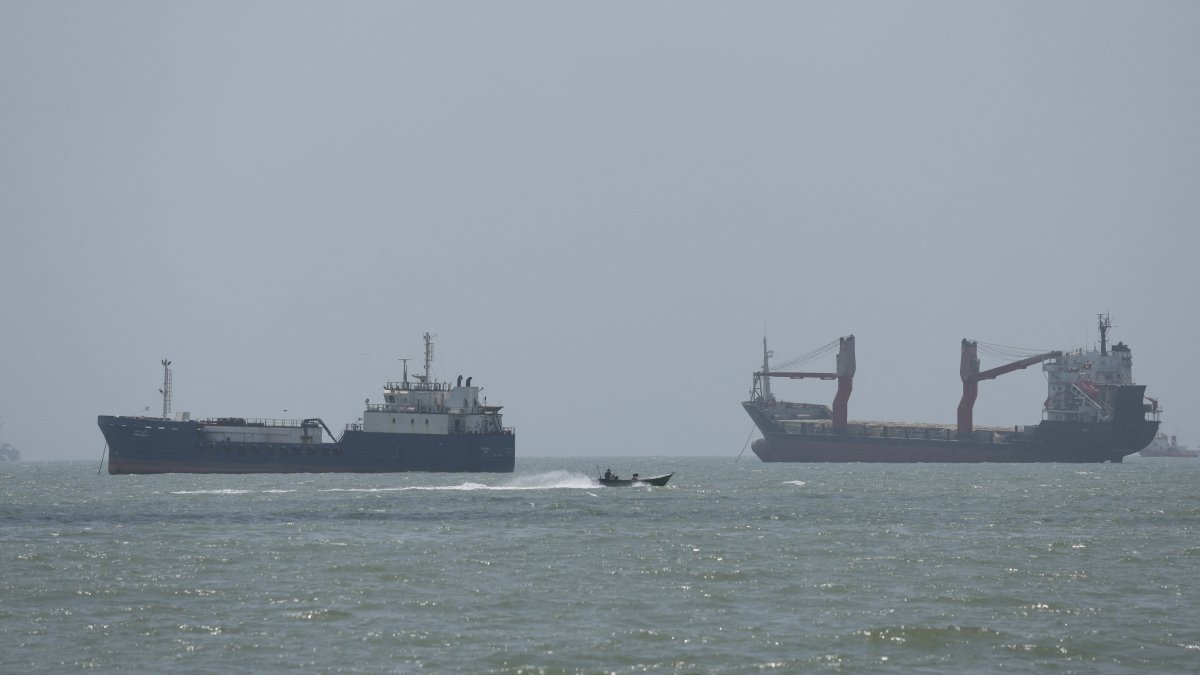
Operation Epic Fury, the joint US-Israeli campaign that opened the conflict, targeted over 1,500 Iranian air defense sites and 1,250 missile and drone facilities. Iran has absorbed an estimated $270 billion in damages. Yet the regime in Tehran remains standing, its asymmetric military capabilities still potent enough to threaten shipping through the Strait of Hormuz, the narrow waterway through which roughly a fifth of the world’s oil passes daily.
A war with no winner and a very large bill
The original US objectives were straightforward on paper: neutralize Iran’s nuclear program and guarantee unobstructed access to the Strait of Hormuz. Neither has been fully achieved. Iran’s nuclear infrastructure has been degraded but not eliminated, and tanker traffic through the strait remains significantly below prewar levels. At its worst point, the conflict knocked out roughly 9% of global oil output.
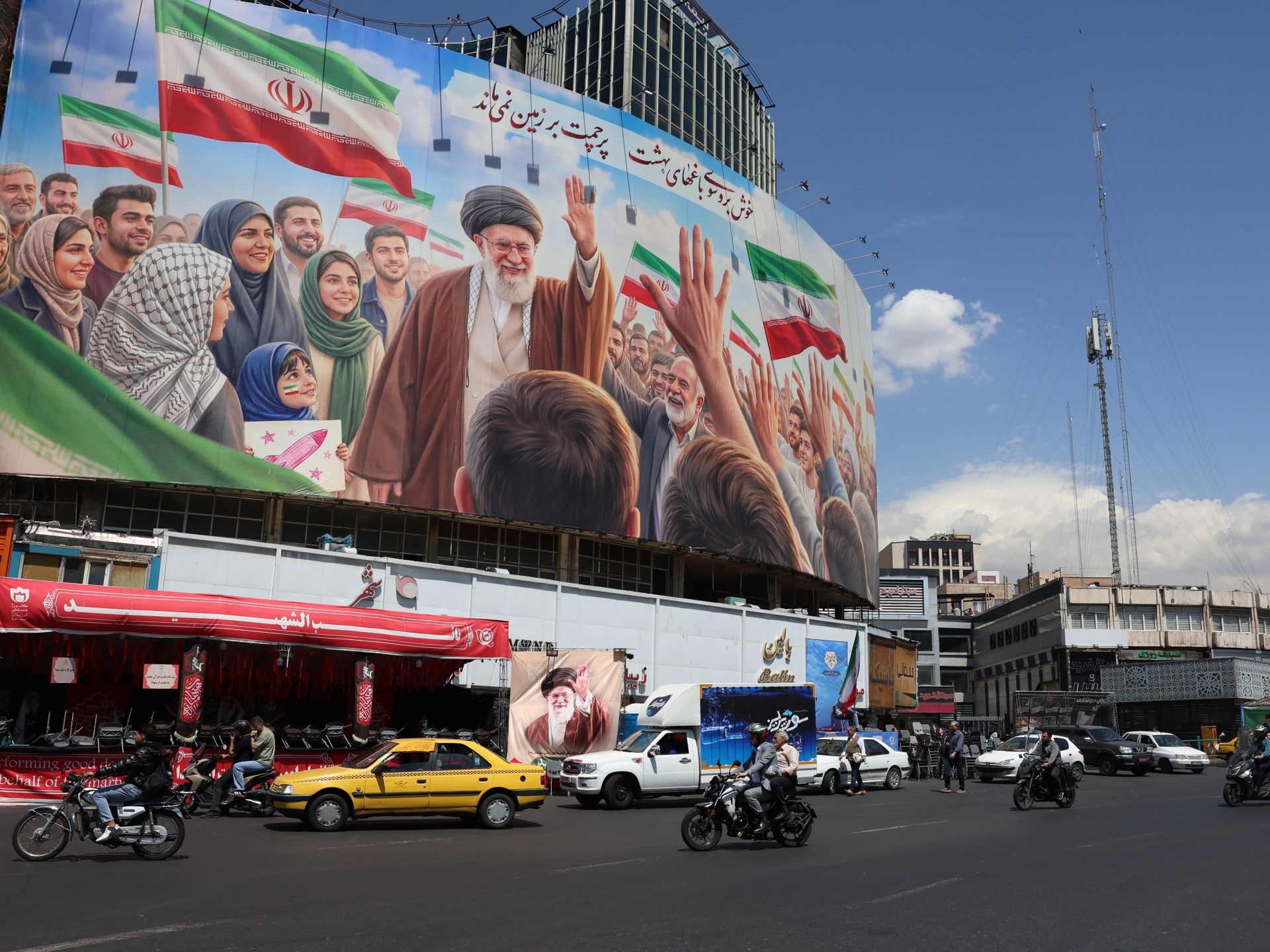
Iran has paid an enormous price. Supreme Leader Ali Khamenei was killed in early strikes. His son, Mojtaba Khamenei, has assumed command, while President Masoud Pezeshkian remains in office. The Trump administration has pivoted toward economic sanctions and limited, targeted military actions rather than pursuing a full-scale ground invasion.