Editorial
When the state embraces street thugs as political muscle, the violence that follows isn't an accident - it is government policy.
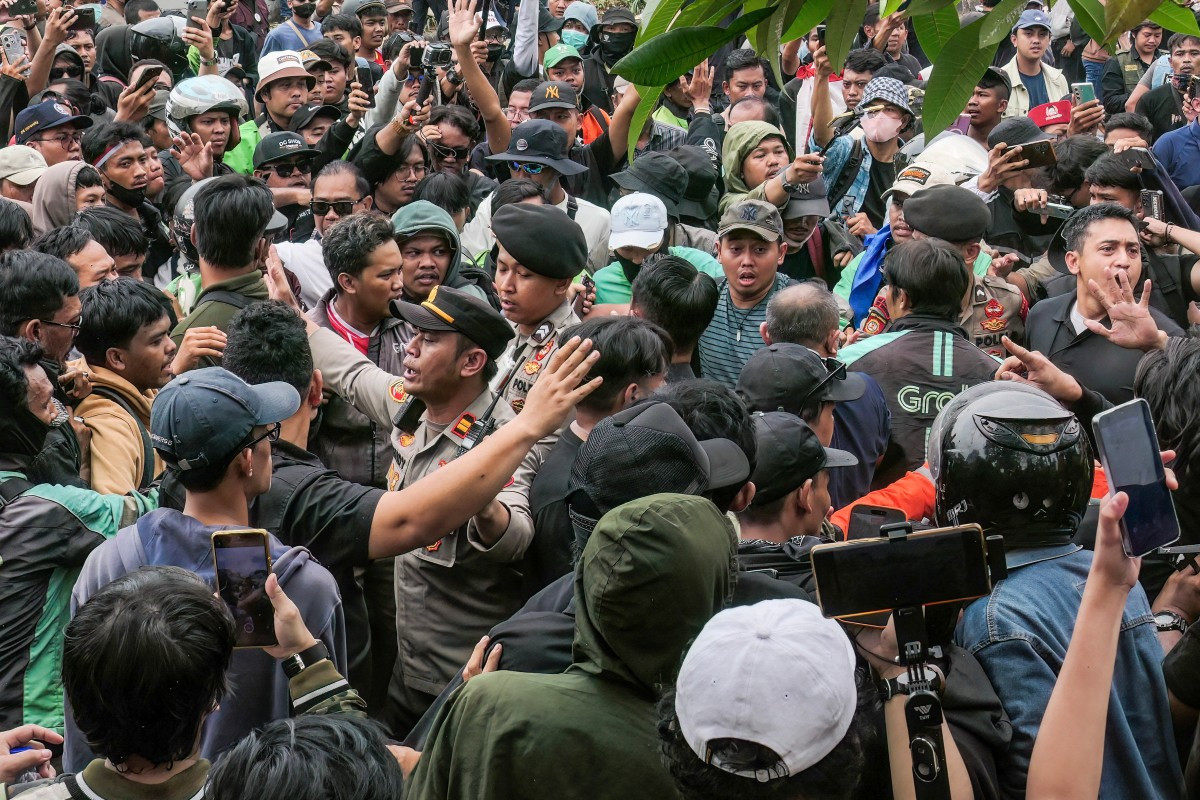
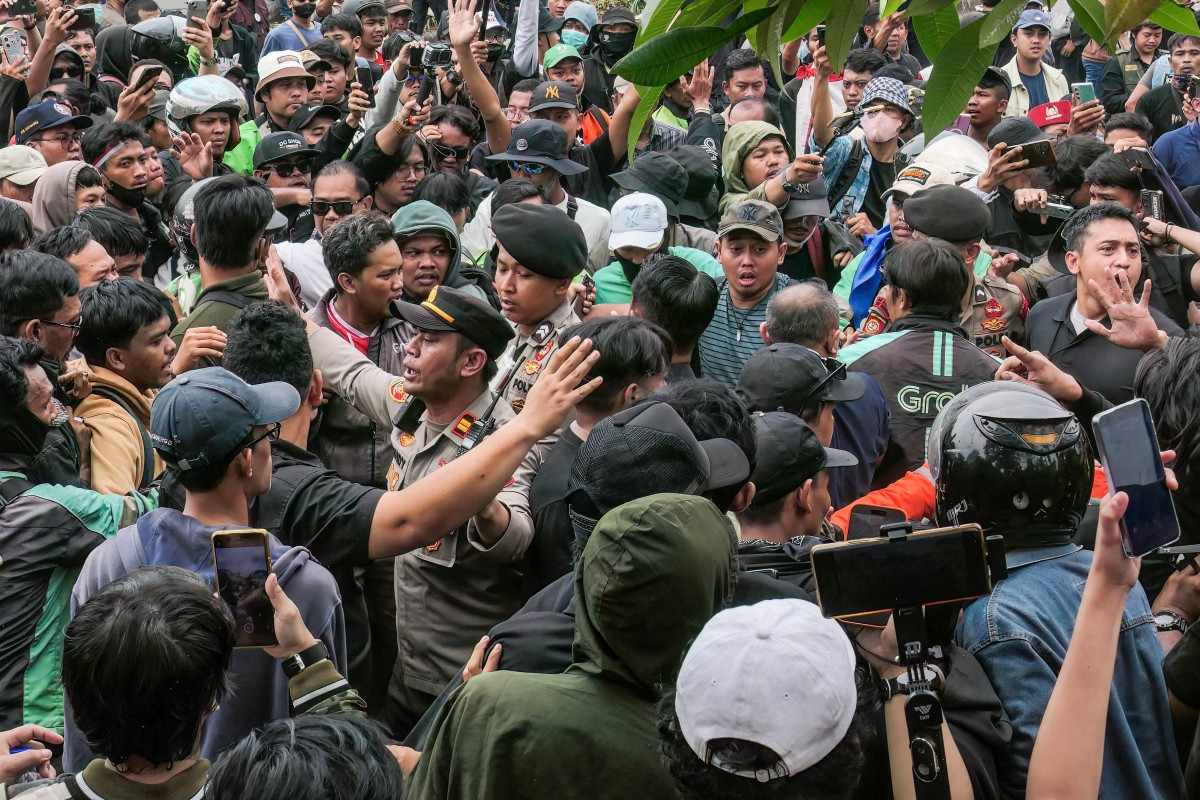
Police officers and protesters face each other on Aug. 27 during a demonstration urging lawmakers to immediately pass an asset forfeiture law for corrupt officials outside the Senayan Legislative complex in Jakarta. (AFP/Azwar Ipank)
On Aug. 27, while crowds from the House of Representatives demonstration were dispersing, a 59-year-old mirror maker named Bambang Setiawan was killed in his own neighborhood of Pejompongan, Central Jakarta. He was not a protester.Widely circulated videos showed men in civilian clothing attacking residents after the protest ended. A madrassa student, 18-year-old Faturrohman, was severely tortured. Amnesty International Indonesia called for an investigation into the involvement of mass organizations (ormas), noting that perpetrators were identifiable from the footage yet remained at large days later.
Curiously, the government framed the presence of ormas, reportedly GRIB Jaya, at the demonstration as a security contribution - and that is a problem. When the state deploys quasi-civilian muscle, it forfeits the moral authority to blame the crowd when things turn violent.