Academia
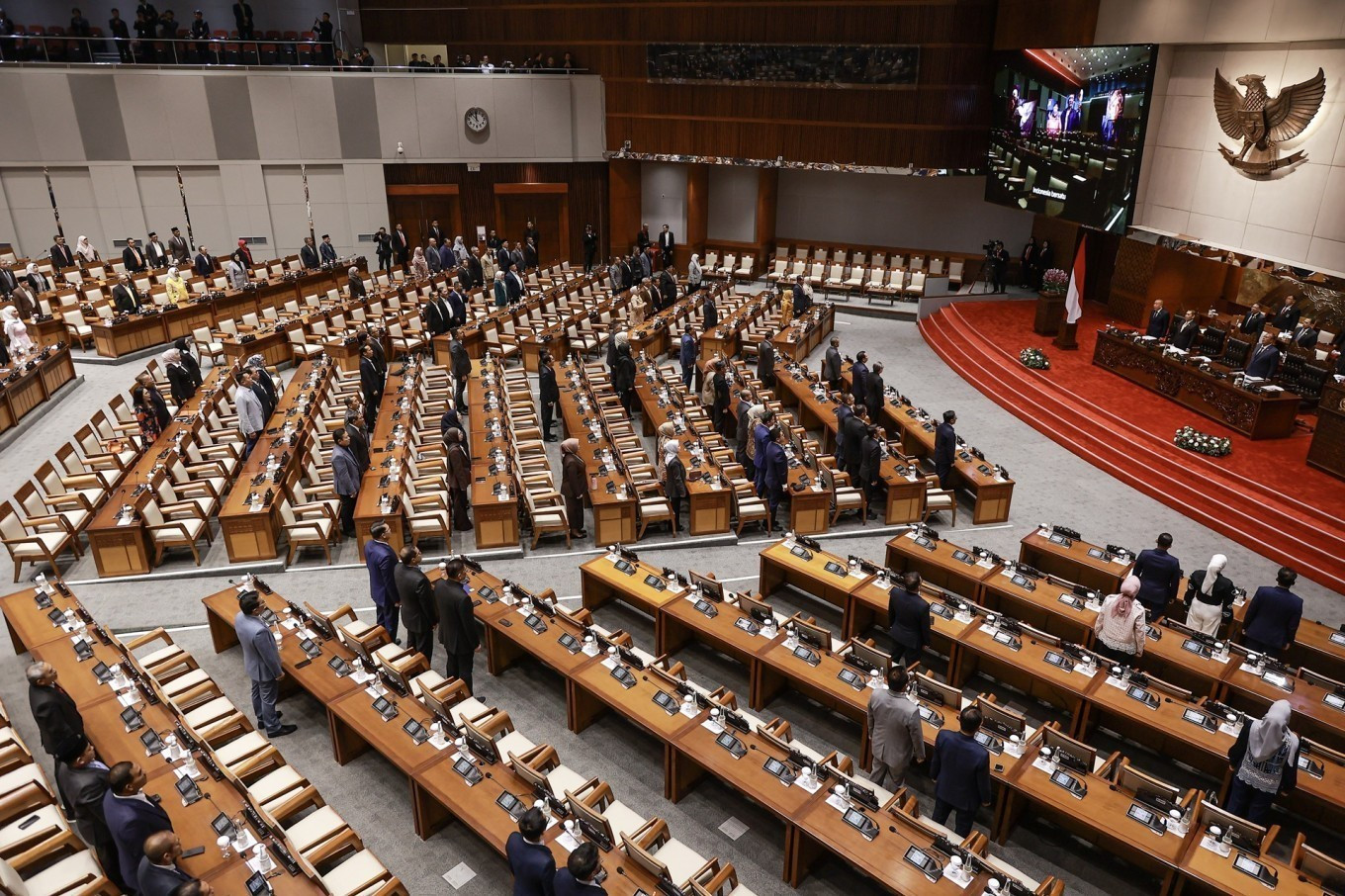
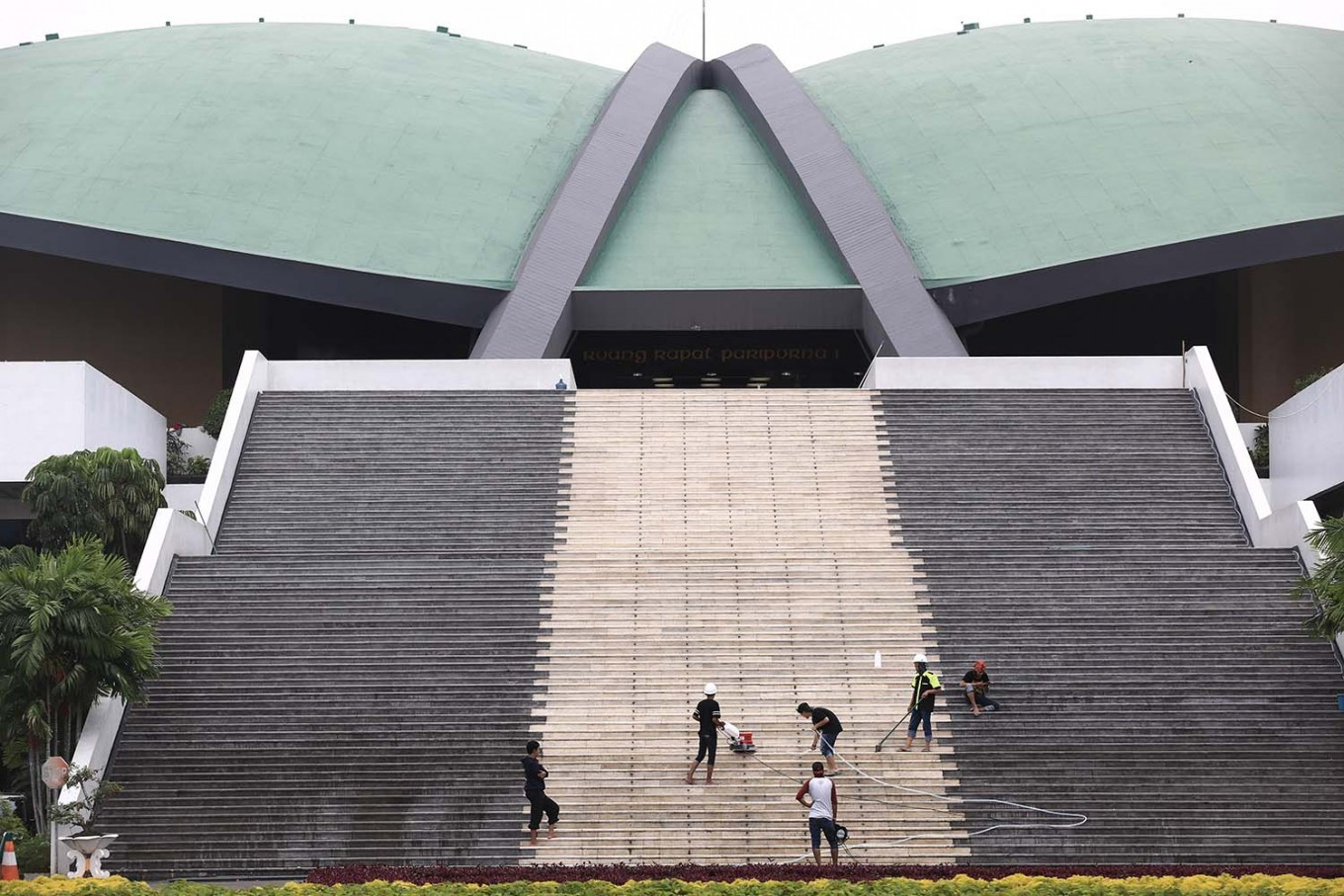
The iconic building in the People's Consultative Assembly (MPR) in Senayan, Jakarta (JP/Dhoni Setiawan)
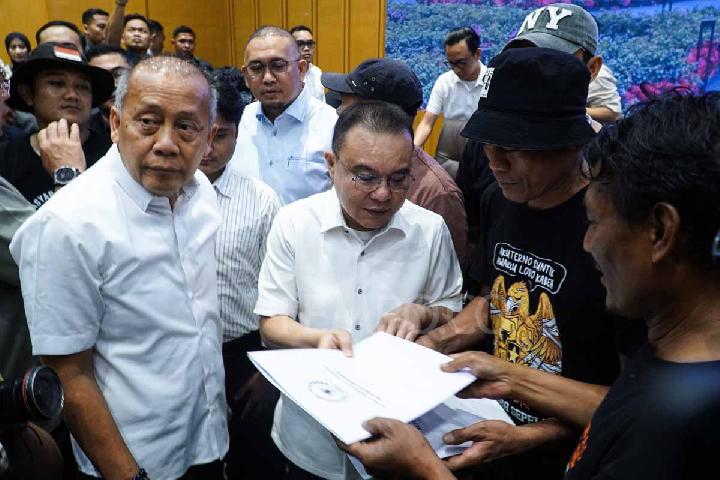
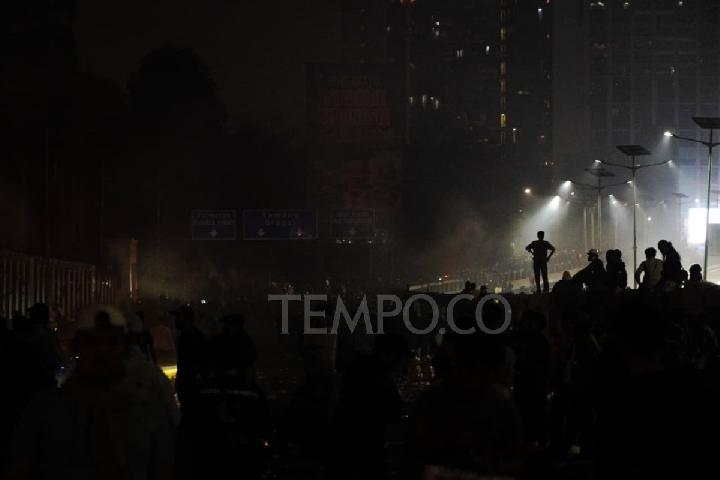
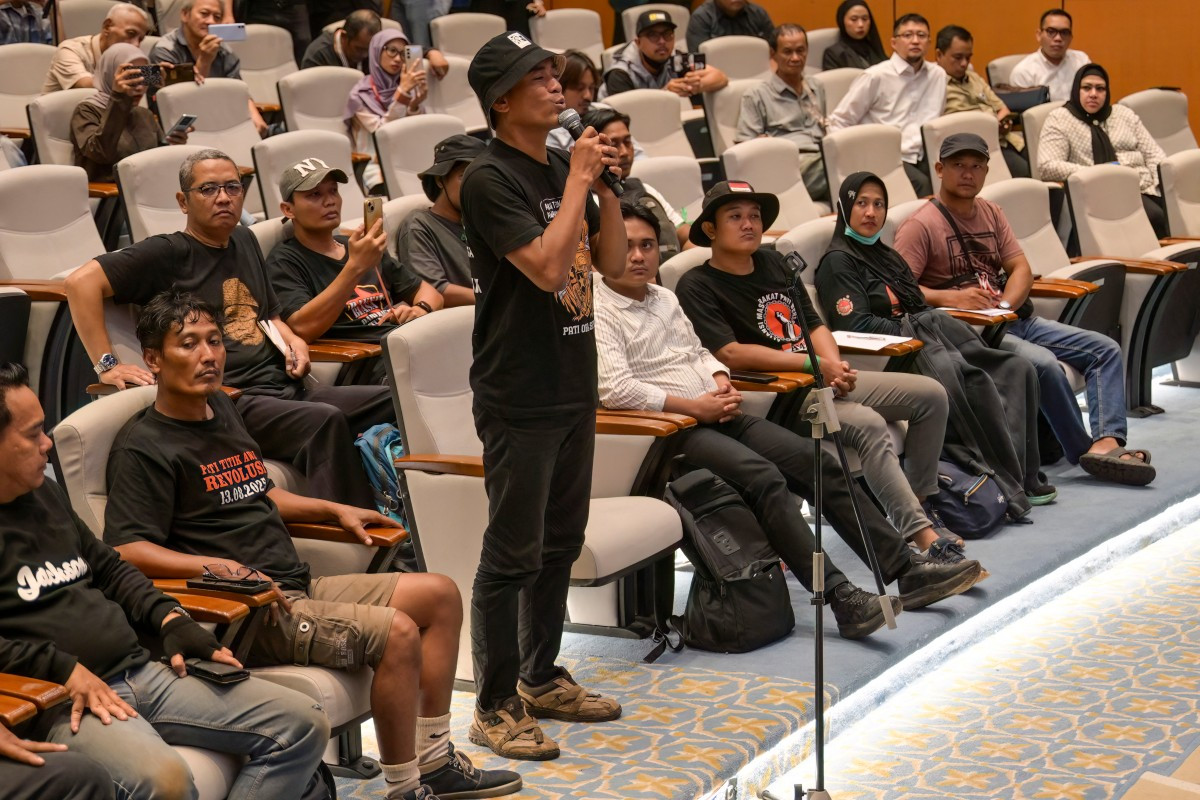
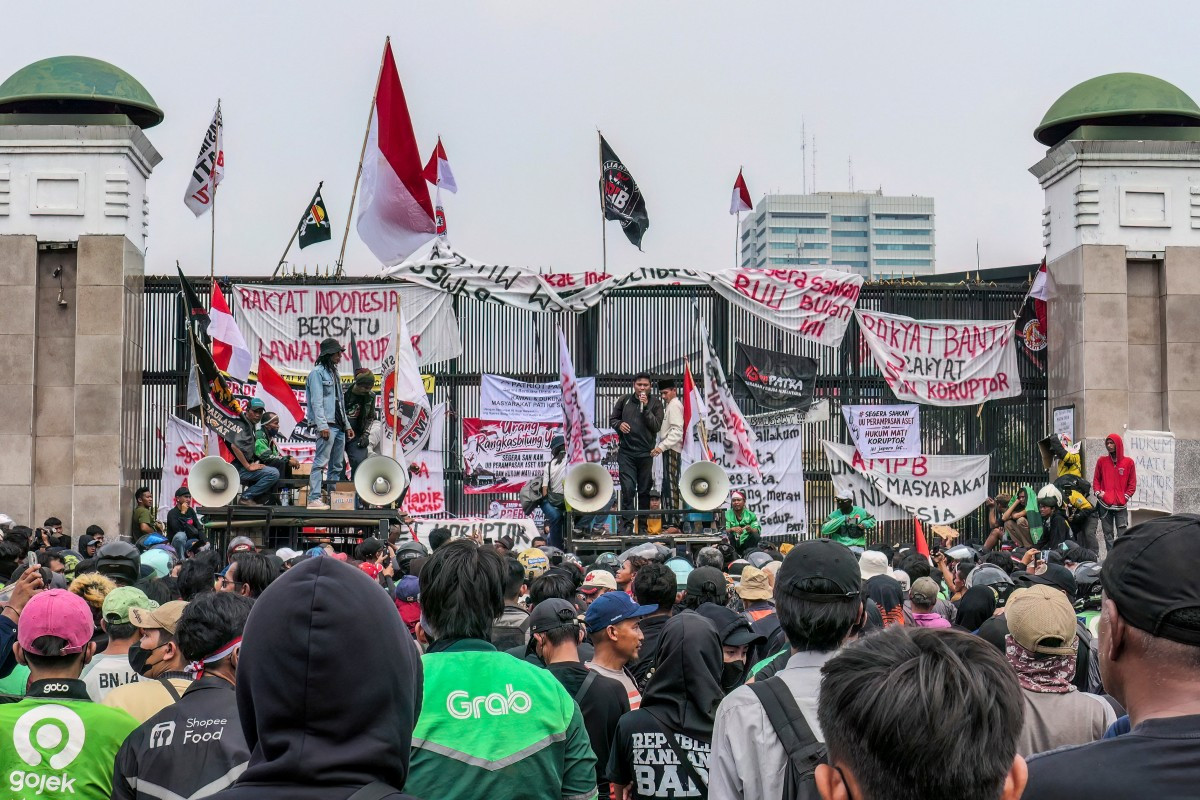
Street protests have reignited the drive to pass the long-stalled asset forfeiture bill. Under renewed public pressure, the House of Representatives has committed to wrapping up deliberation by year-end, nearly two decades after the reform was first tabled. The real test now is whether this self-imposed deadline will finally overcome years of legislative foot-dragging, and whether lawmakers can be held accountable if it slips again.The spark came on Aug. 27, when demonstrators from the Pati United People’s Alliance (AMPB) and allied civil groups rallied outside the parliamentary complex in Senayan, Jakarta. Protesters demanded the bill’s swift passage alongside harsher penalties for graft convicts, up to and including capital punishment. At the same time, the Yogyakarta Student Executive Boards Forum (BEM) held a parallel demonstration outside the city’s Presidential Palace.
Following talks with the rally leaders, House leaders pledged to finish deliberations by Dec. 15, reportedly offering to resign if they miss the target.
So far, however, the lawmakers have kept details under wraps. While Commission III noted that 13 categories of criminal offenses are being weighed for inclusion, the complete draft had not been made public by early September. Deputy House Speaker Cucun Ahmad Syamsurijal defended the secrecy, cautioning that an early release could invite public misinterpretation while talks remain fluid.