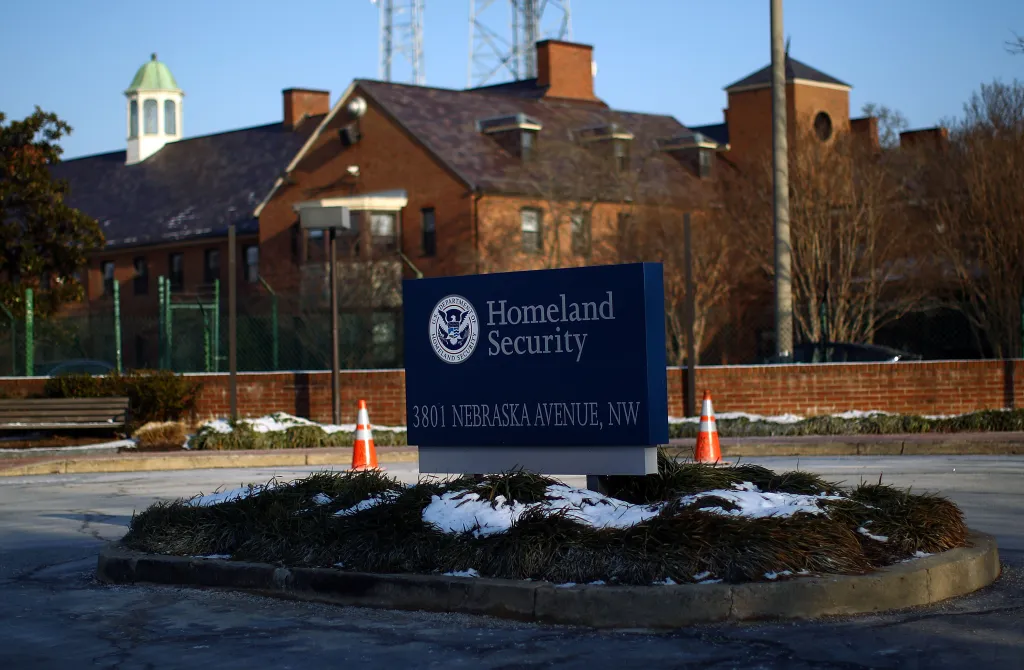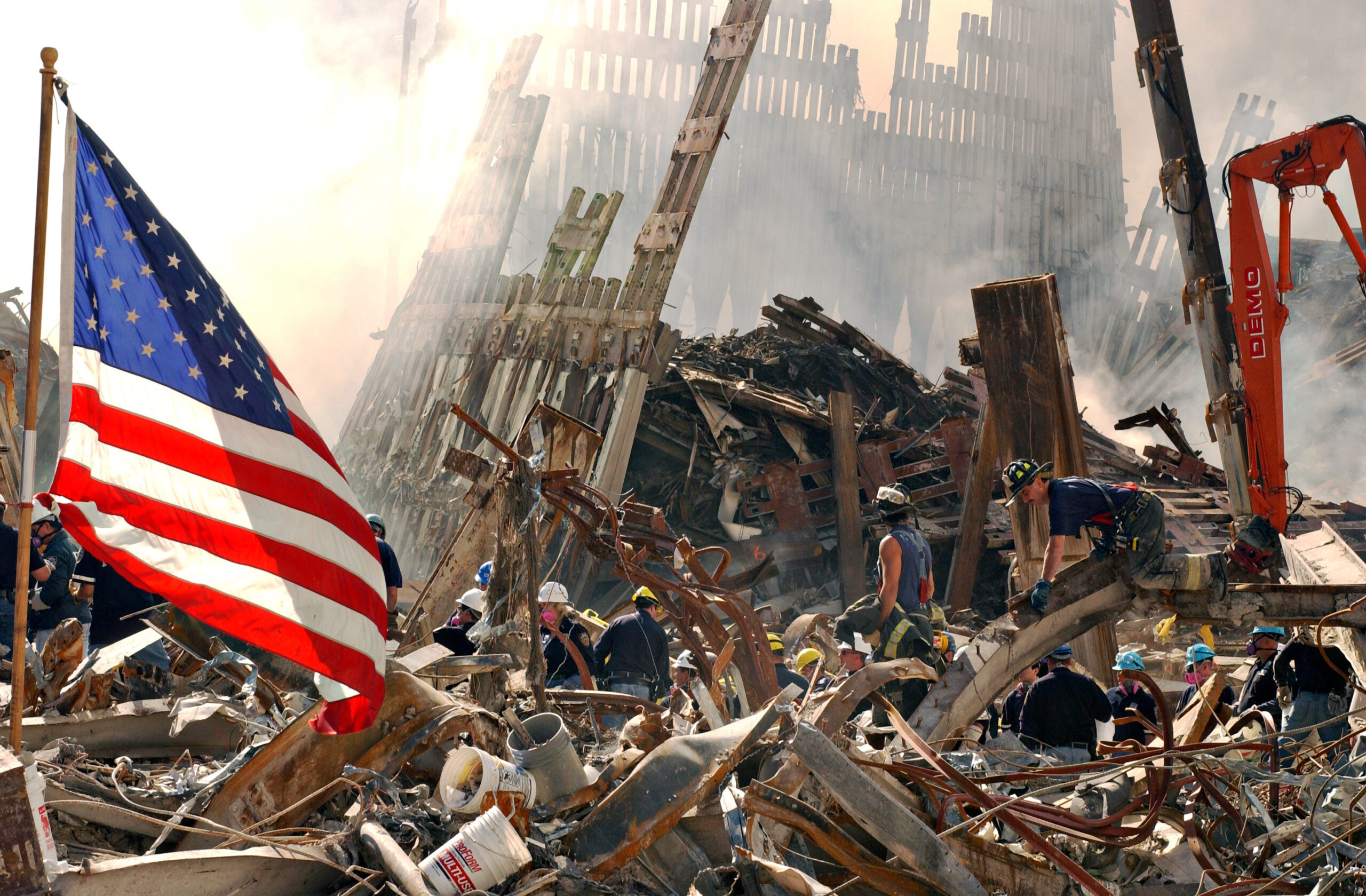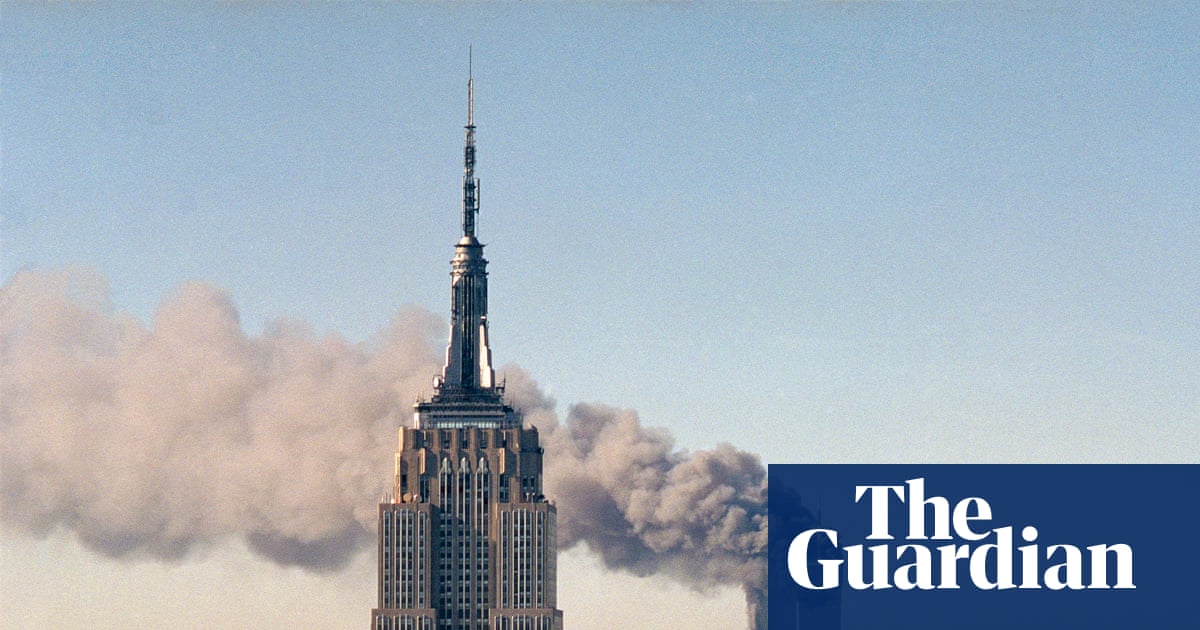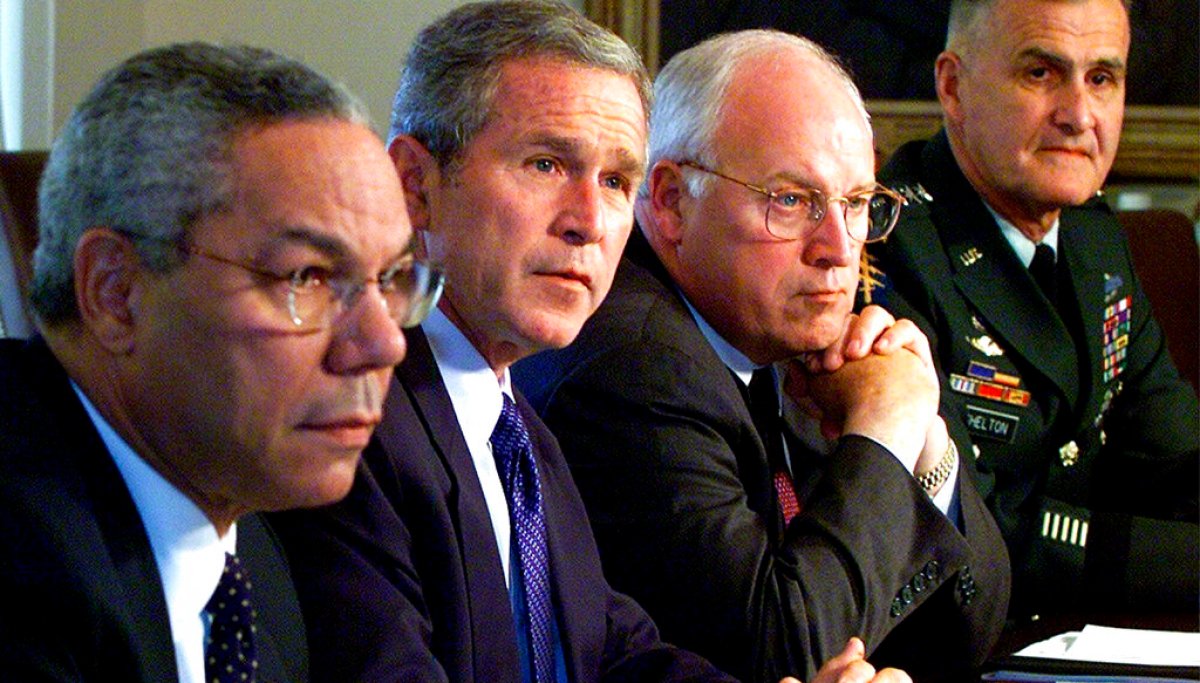
The attacks against the U.S. on Sept. 11, 2001, exposed critical gaps in information-sharing among key security agencies. In response, the government brought together 22 federal entities to form the Department of Homeland Security (DHS) to better anticipate and address the threat of terrorism from overseas and to strengthen coordination among various emergency-response agencies.
Now the third-largest Cabinet-level department, DHS has been in the spotlight recently primarily for the activities of two components: Customs and Border Protection (CBP) and Immigration and Customs Enforcement (ICE). But the department, which employs more than 250,000, oversees a very broad portfolio that also includes the Federal Emergency Management Agency (FEMA), the Coast Guard, Transportation Security Administration (TSA), Secret Service, Cybersecurity and Infrastructure Security Agency, and other units.
In this edited conversation, the Gazette asked former DHS Secretary Alejandro Mayorkas, who served during the Biden administration and is currently a fall fellow at the Institute of Politics at Harvard Kennedy School, about how the Department has changed since 9/11 and how well it appears to be meeting the evolving threats facing the U.S. today.