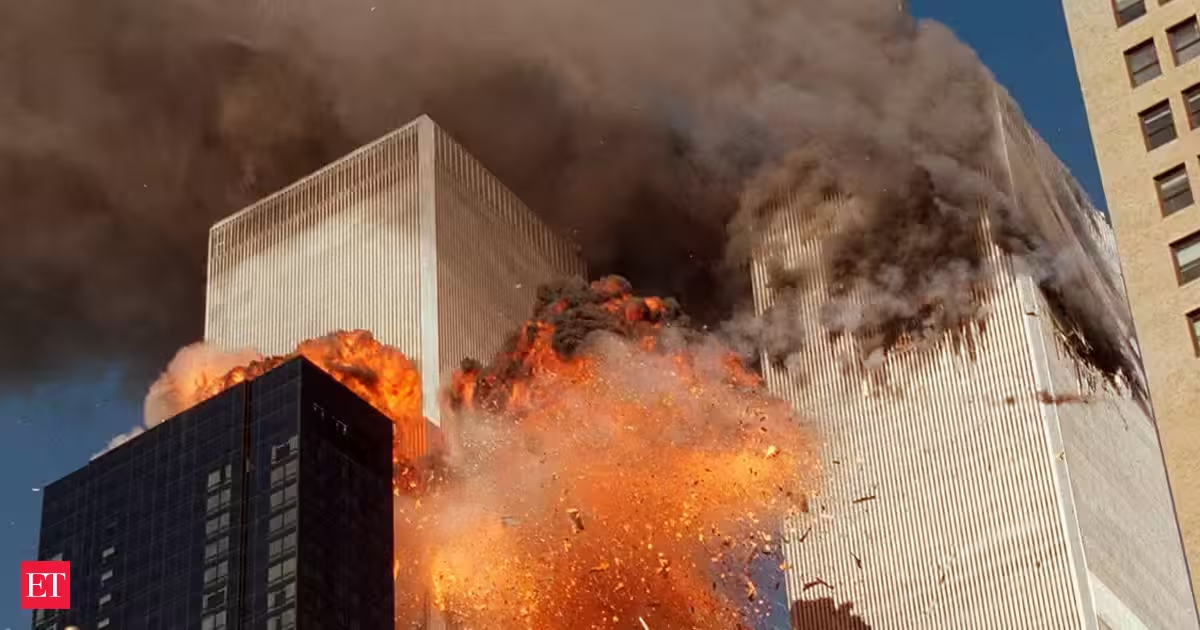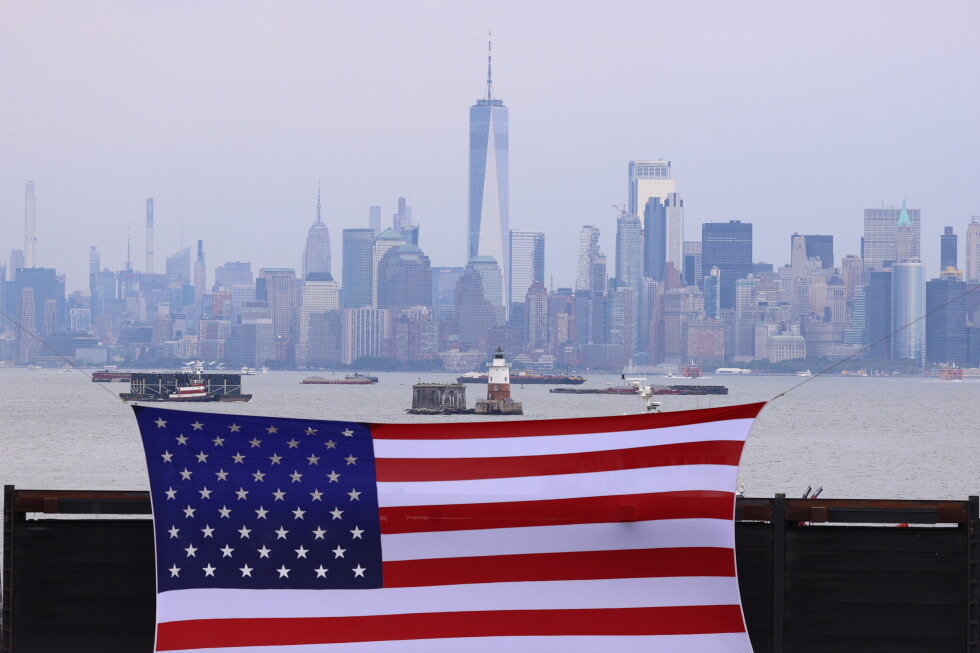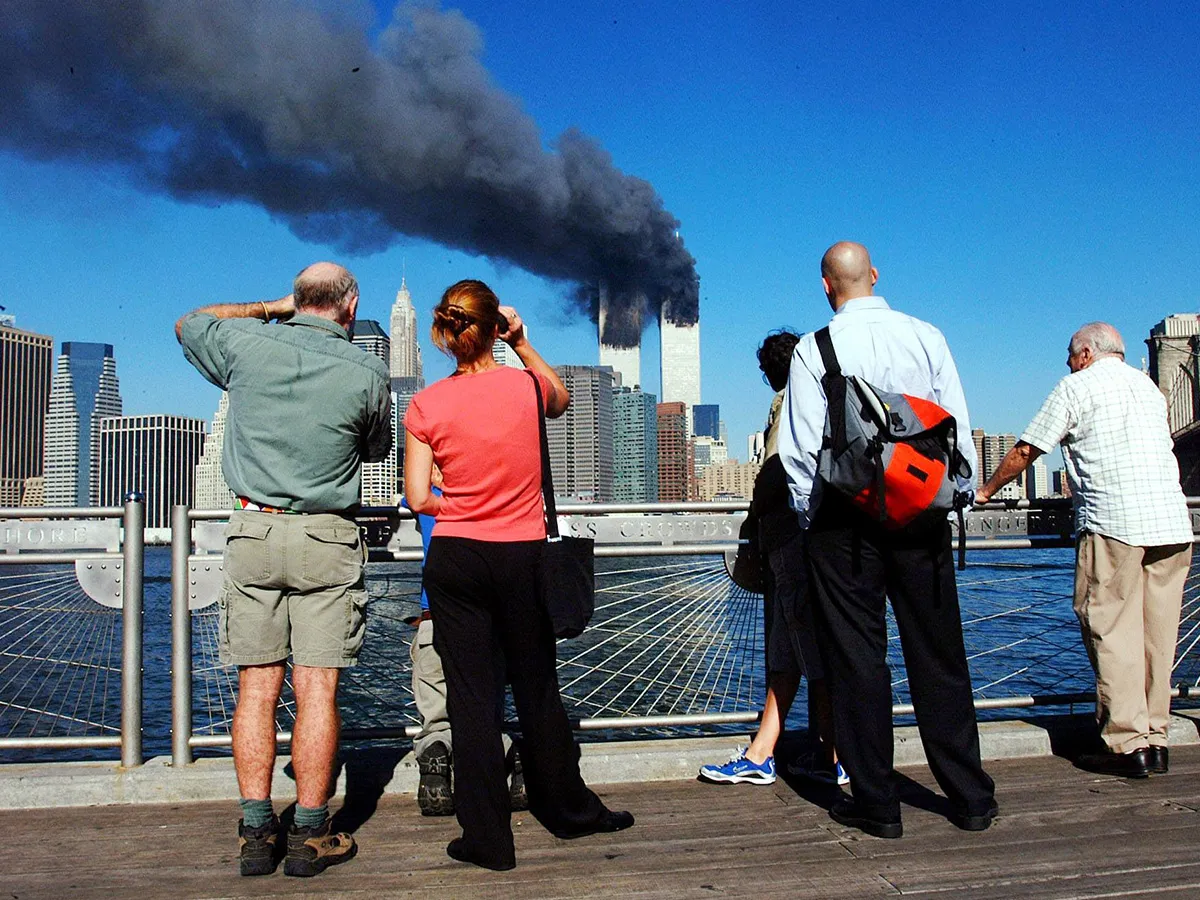
In the months after Sept. 11, pollsters asked questions about virtually every aspect of the attack. Many of them updated their questions for years, but they don’t do so today. Here’s what we know now.A future terrorist attack on U.S. soil: In a Gallup question from 2025, 40% worried a great deal about another terrorist attack on U.S. soil. The issue ranked far behind issues such as the economy (60%). On the 10th anniversary, around 70% in a CBS News poll said they were worried. A majority of Americans still see international terrorism as a critical threat in Chicago Council polling. How safe are we? A handful of polls taken in recent decades show that Americans believe the world is more dangerous than in the past. In a poll taken at the time of President Joe Biden’s disastrous withdrawal from Afghanistan in 2021, 44% told NPR/PBS NewsHour/Marist pollsters that the United States was less safe than it was before the terrorist attacks of Sept. 11. Three in 10 said we were safer. Forty-two percent said we were less safe in a 2016 poll by the Chicago Council.
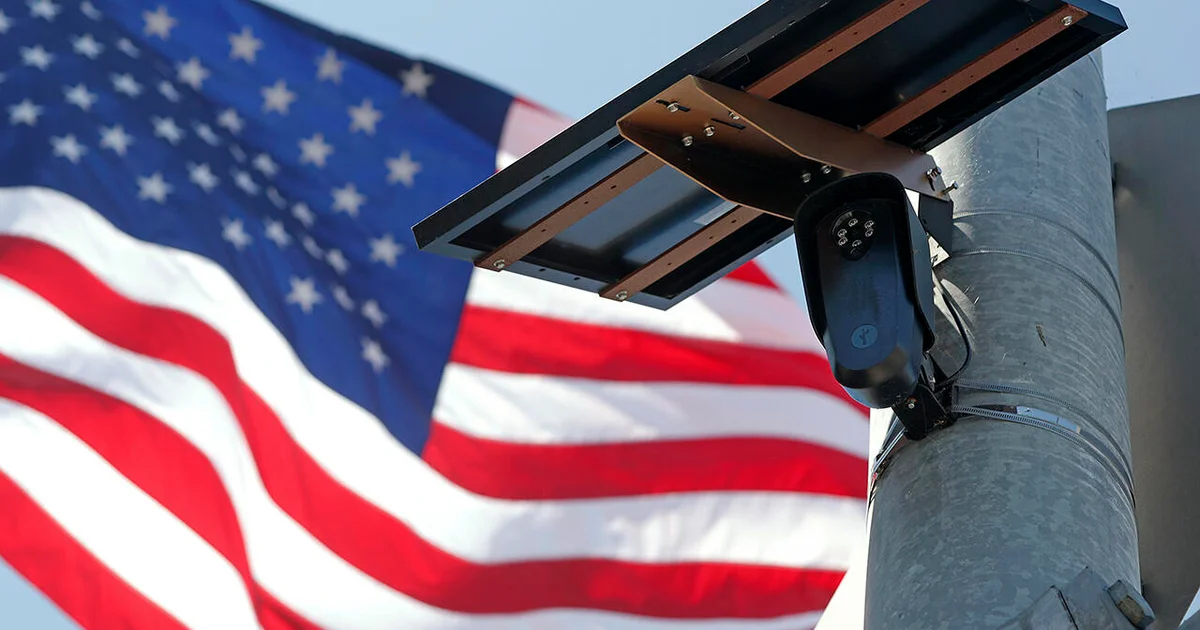
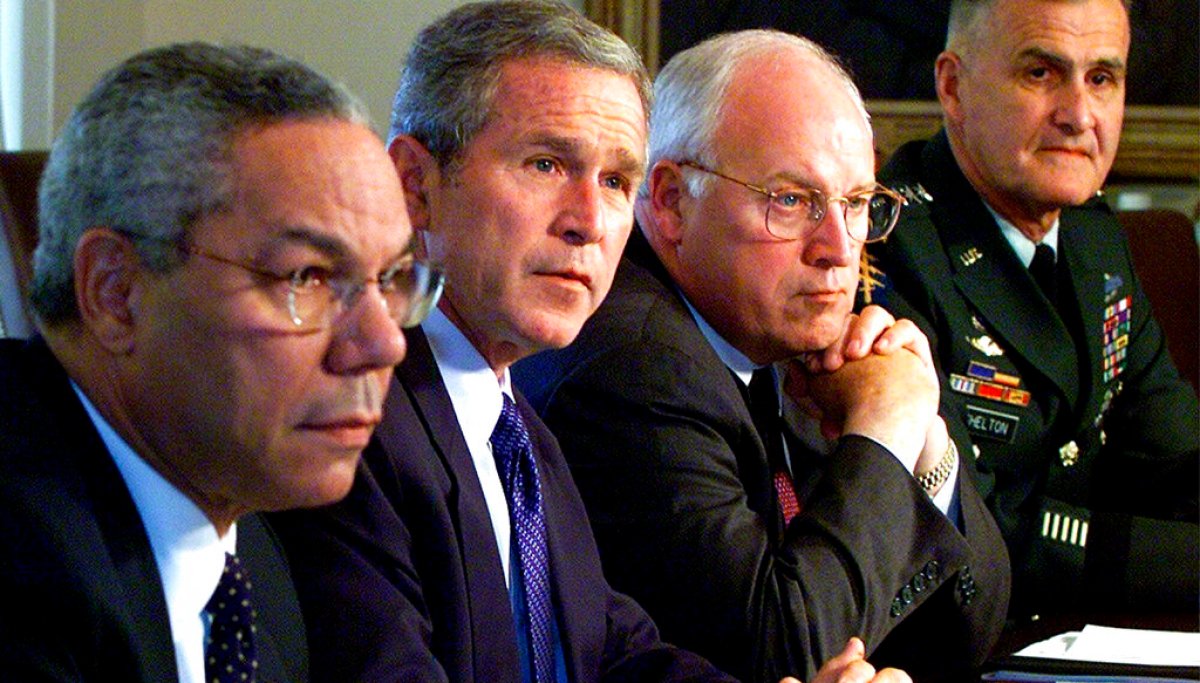
Confidence in the government: The federal government doesn’t get many good marks these days, but in five Pew polls from 2015 to 2022, a solid majority of around 70% said the federal government was doing a very or somewhat good job in keeping the U.S. safe from terrorism. That’s down from around 90% immediately after Sept. 11, but still respectable. Forty-six percent in a 2022 Economist/YouGov poll said government military operations abroad and increased surveillance and security at home had been worth the costs, while 28% disagreed. The proportion saying the U.S. government is doing what it can to prevent another terrorist attack is down from what it was immediately after Sept. 11.Civil liberties: The focus of many civil liberties questions these days is on the reach of artificial intelligence and not on surveillance related to terrorism. In a 2026 Economist/YouGov poll, 57% said government surveillance had increased a lot in the past 25 years, and another 21% said it had increased a little. When asked in the poll about the balance between individuals’ privacy and national security, 36% said the government today places too much emphasis now on security, 10% too much on privacy. A quarter said the balance was about right, and 29% didn’t know. Immediately after 9/11, the emphasis was heavily on national security. In this Wednesday, Sept. 12, 2001 file photo, from left, Secretary of State Colin Powell, President George W. Bush, Vice President Dick Cheney and Chairman of the Joint Chiefs of Staff Gen. Henry Shelton attend a meeting with the National Security Council in the Cabinet Room of the White House. While the Secret Service played “hide the president” with Bush on Sept. 11 — he was shuttled to military bases in Louisiana and Nebraska, for fear of terrorist attacks — his vice president hunkered down in a “secure, undisclosed location,” a bunker inside the White House where he helped direct the government’s actions. (AP Photo/Doug Mills, File)