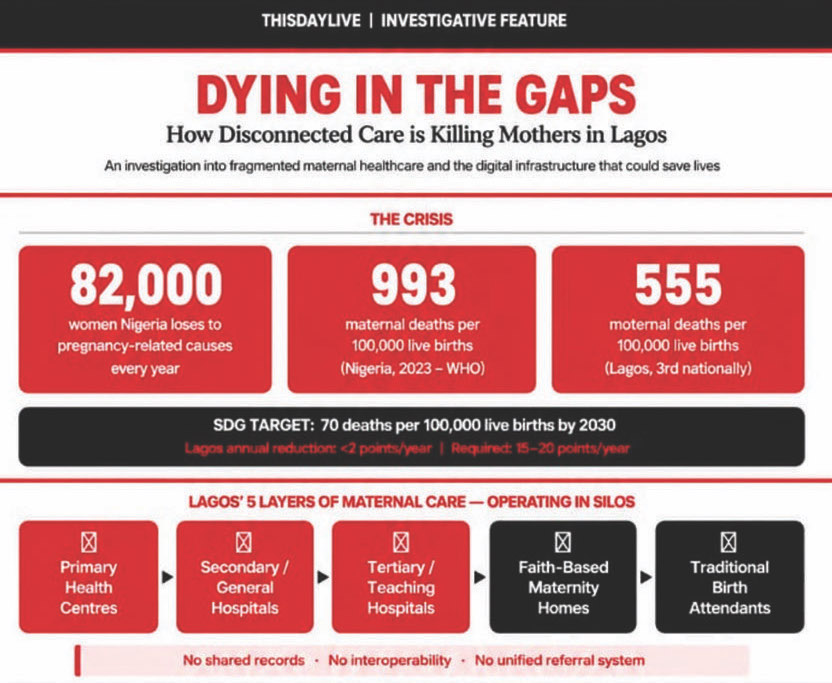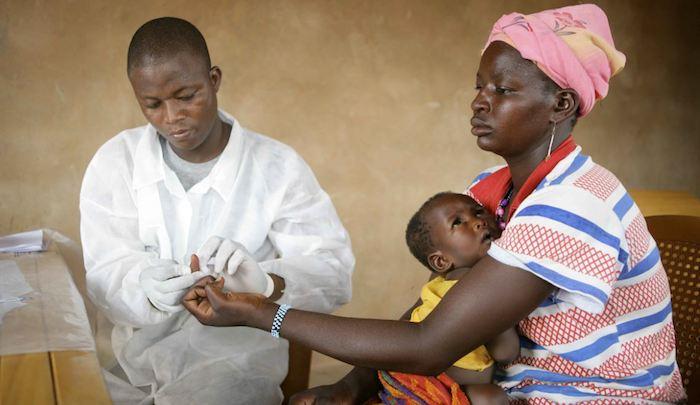
Pregnancy and childbirth remain dangerous for many women globally. Complications such as severe bleeding and hypertensive disorders can become life-threatening, particularly when timely and appropriate healthcare is unavailable.
Around 70% of maternal deaths worldwide occur in sub-Saharan Africa. This is
largely because many women still face barriers to timely and good quality maternity care. There are also shortages of skilled health workers and essential medical supplies.
Nigeria contributes a substantial share of these deaths, despite years of investment in maternal health services. Nigeria alone accounted for nearly 29% of all maternal deaths worldwide in 2023. That was an estimated 75,000 deaths, the highest number recorded for any country that year.
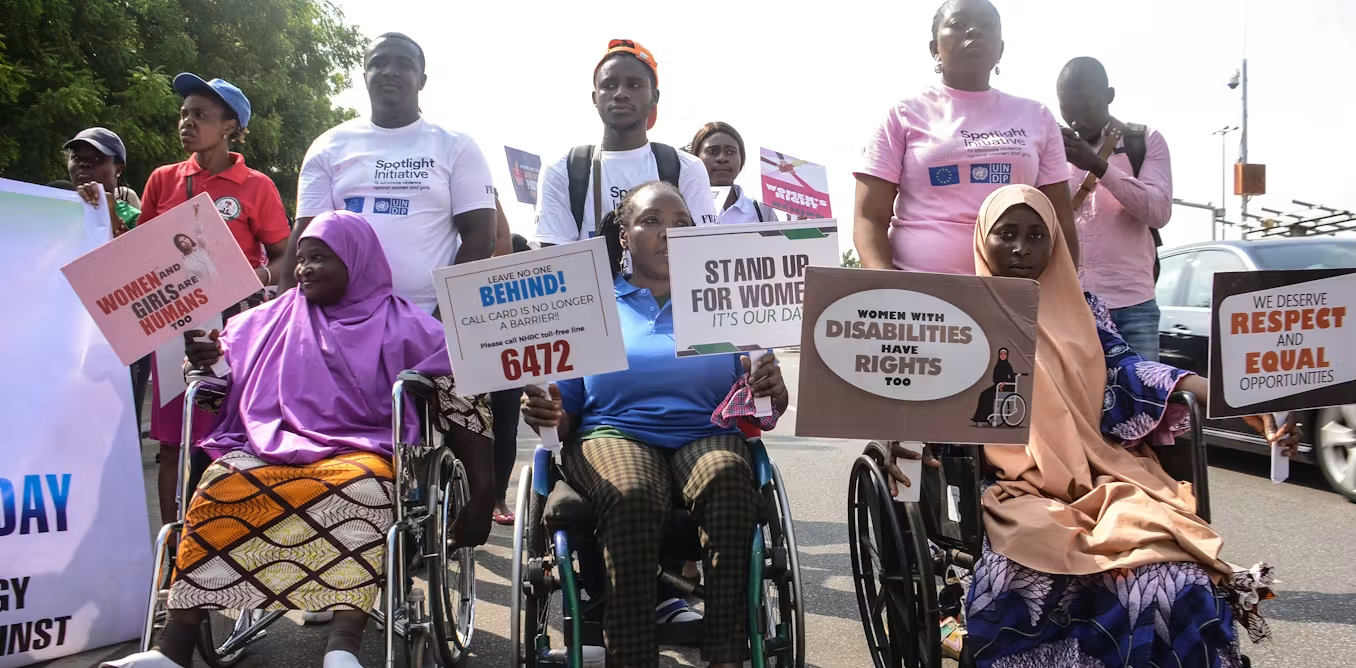
Using antenatal care, giving birth in a health facility and receiving postnatal care are among the most effective ways to reduce these deaths. But one group is often overlooked: women with disabilities. These women face many barriers when trying to access healthcare. They are more likely to encounter inaccessible facilities, transport difficulties, negative attitudes from healthcare workers and limited access to health information.