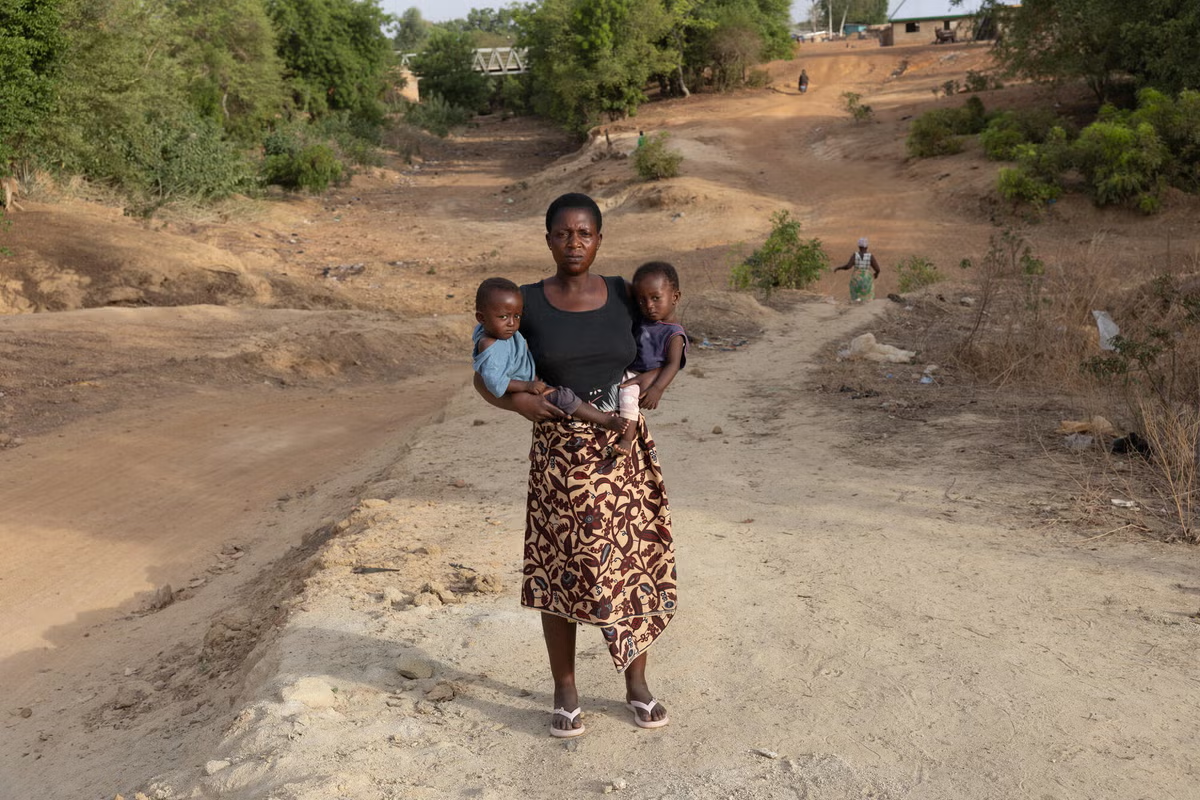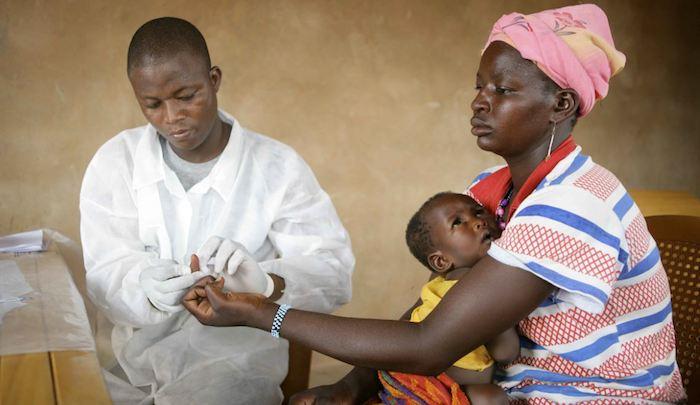
In Nigeria, too many women still face serious challenges when trying to access safe and timely care during childbirth. For many families, concerns about whether the nearest Primary Healthcare Centre (PHC) is functional, staffed, or properly equipped remain part of the reality of seeking maternal care.
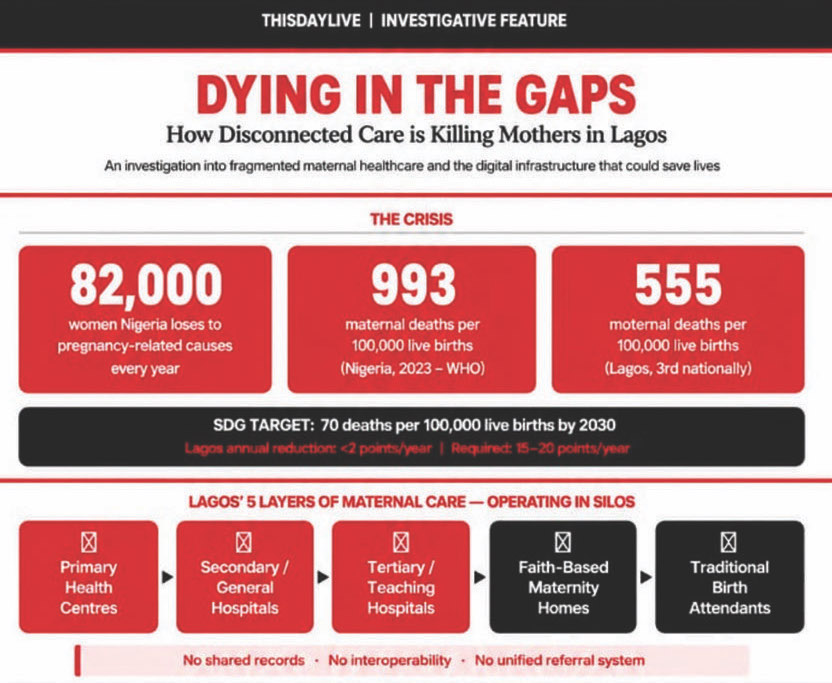
According to the World Health Organization, Nigeria accounts for nearly 28.5% of global maternal deaths. A Nigerian woman’s lifetime risk of dying from pregnancy or childbirth is estimated at 1 in 19, compared to 1 in 4,900 in developed countries. These numbers reflect more than medical complications alone. In many cases, the problem begins long before an emergency occurs. Across several communities, PHCs still struggle with inadequate staffing, unreliable electricity, limited medical supplies, and weak referral systems.
Maternal mortality is therefore not just a medical adversity; it is reflective of the condition of the healthcare system. Expanding access to functional and well-supported Primary Healthcare Centres is essential to improving maternal health outcomes, reducing preventable deaths, and advancing Universal Health Coverage in Nigeria.
Distance is not the only gap
Nigeria’s Primary Health Centres were designed to solve the distance problem to bring basic obstetric care within reach of every community. Today, over 30,000 PHCs are spread across the national landscape. However, physical presence alone does not equate functional access.