The states must do more by strengthening primary health centres
The scale of maternal mortality in Nigeria has become so alarming that we must call on the health authorities to fashion out a blueprint that will extenuate this pressing challenge. According to the latest report from the United Nations Children’s Fund (UNICEF), one Nigerian woman dies every seven minutes from childbirth or pregnancy-related complications with the country recording an estimated 75,000 maternal deaths every year, one of the highest figures globally. Two years ago, the World Health Organisation (WHO) also revealed that Nigeria accounts for over 34 per cent of global maternal deaths while the lifetime risk of dying during pregnancy, childbirth, postpartum, or after an abortion for a Nigerian woman is One in 22, compared to One in 4900 in developed countries.
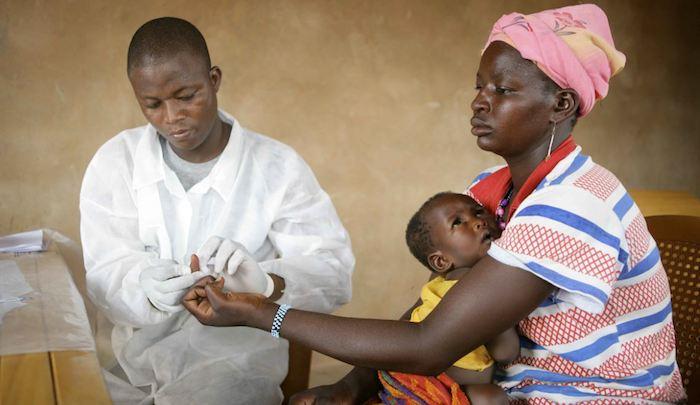
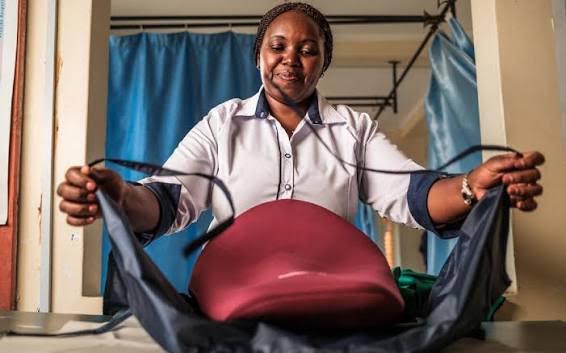
However, we must put the blame on the state governments and the lack of attention by many of them to the primary health care system at the grassroots. It is even worse that most of them have rendered prostrate local government administration in their states, leaving healthcare delivery at that level comatose. Where they exist, there is shortage of manpower, while many manage with obsolete medical equipment. Yet, when a pregnant woman avoids prenatal care, she puts herself under the risk of postpartum hemorrhage (PPH), a complication arising from childbirth, which can result in a fatal outcome. Besides, women who do not have access to healthcare are prone to unassisted delivery carried out by quack midwives in unhealthy conditions with dire consequences for both the mother and foetus.