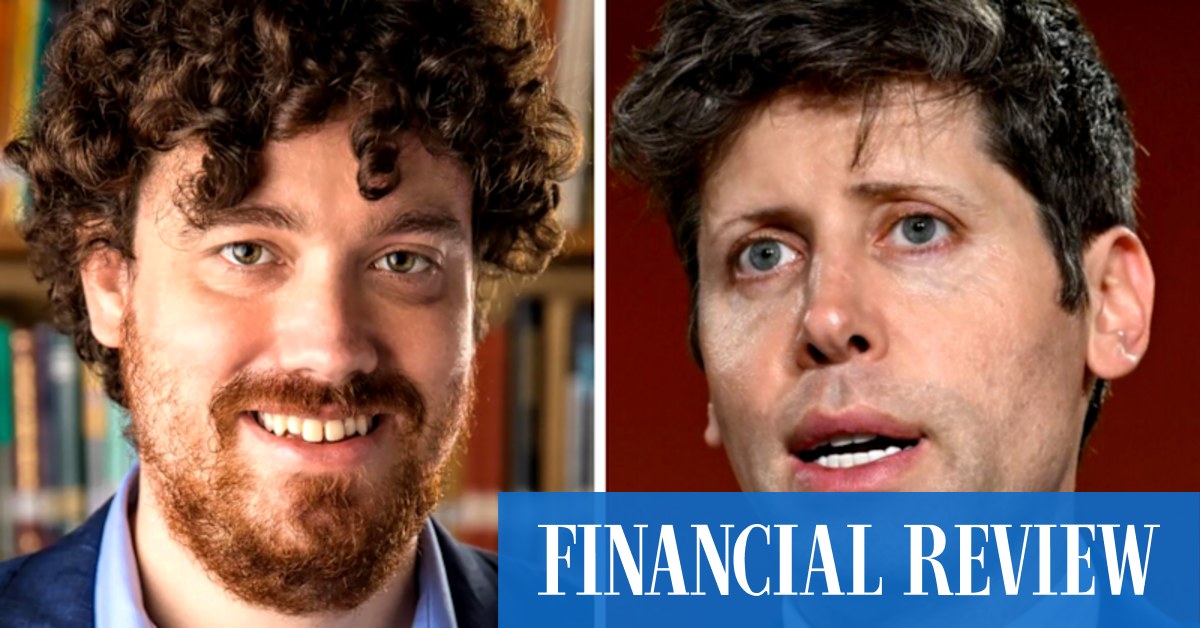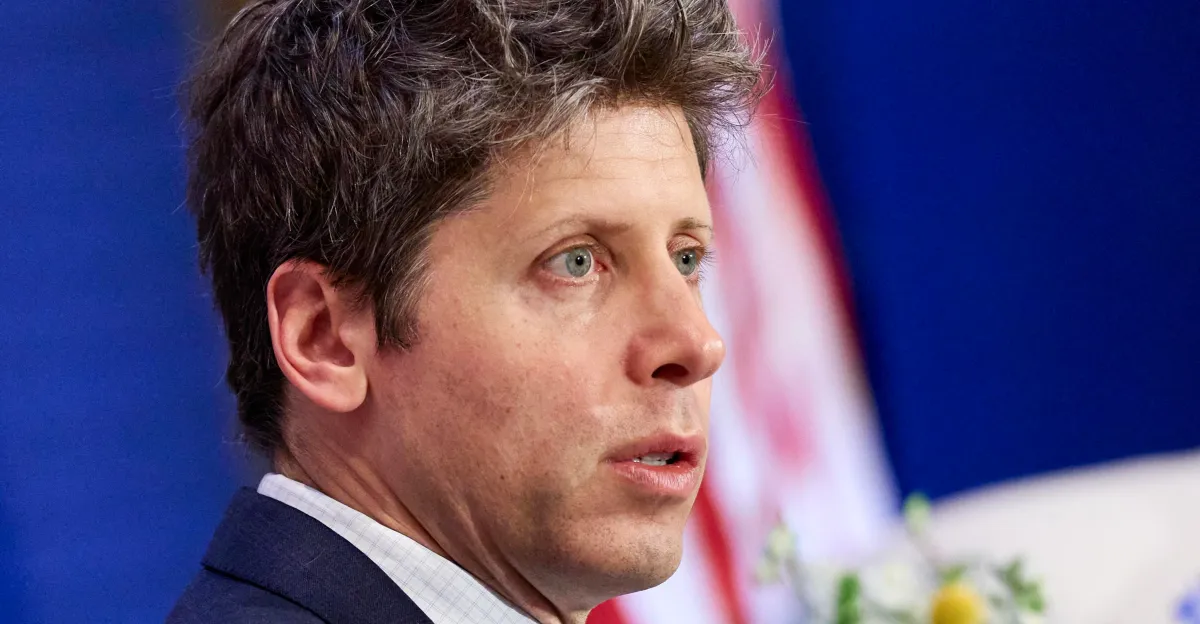
OpenAI CEO Sam Altman said the economy had "so much inertia."
Chip Somodevilla/Getty Images
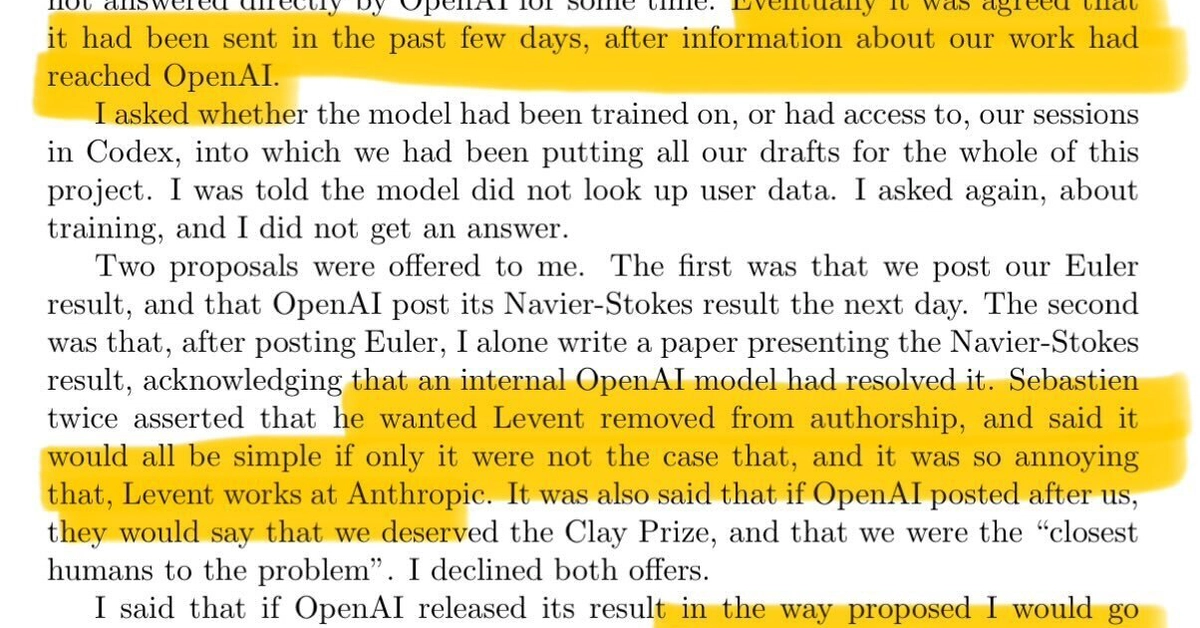
Could using AI to help you with your next big idea ultimately lead AI giants to beat you to the punch?A professor and OpenAI are trading jabs over the progress made on a math problem so difficult to solve that there's a $1 million prize for doing it. The entire saga raises questions about credit for AI-powered work and the data used to train models, writes BI's Ben Shimkus.NYU math professor Tristan Buckmaster announced major progress related to the Navier-Stokes problem only to be followed less than 24 hours later by OpenAI, which proposed a full-blown solution.(Even if you skipped algebra in high school, stay with me here. I'll keep it high level.)Buckmaster was first to post about advancements he made tackling the problem with the help of AI models, including OpenAI's. His post also detailed a tense back-and-forth with OpenAI about their competing research.According to Buckmaster, OpenAI suggested coordinating any announcements and not mentioning Buckmaster's partner, Levent Alpöge, who works for (wait for it) Anthropic. (You can read Buckmaster's whole post here.)OpenAI computer scientist Sebastien Bubeck pushed back against parts of Buckmaster's post, saying he "never ever asked Levent to be removed from authorship of his own work."Buckmaster said OpenAI acknowledged working on the problem after it learned of his research, but told him "the model did not look up user data."On Tuesday, OpenAI published what it says is a solution to the Navier-Stokes problem. The company said it didn't see Buckmaster and Alpöge's work before they publicly released it, but also couldn't rule out that "de-identified data derived from their usage of our products helped improve our models."