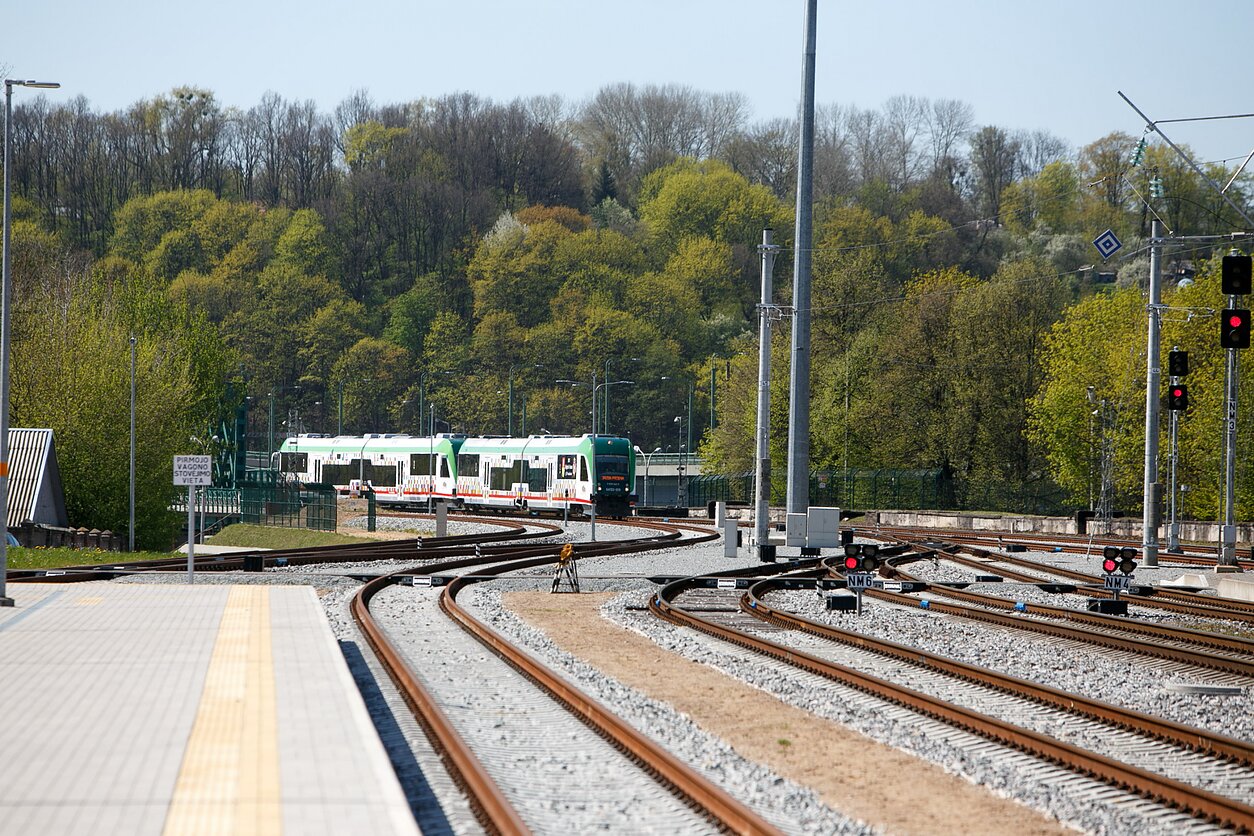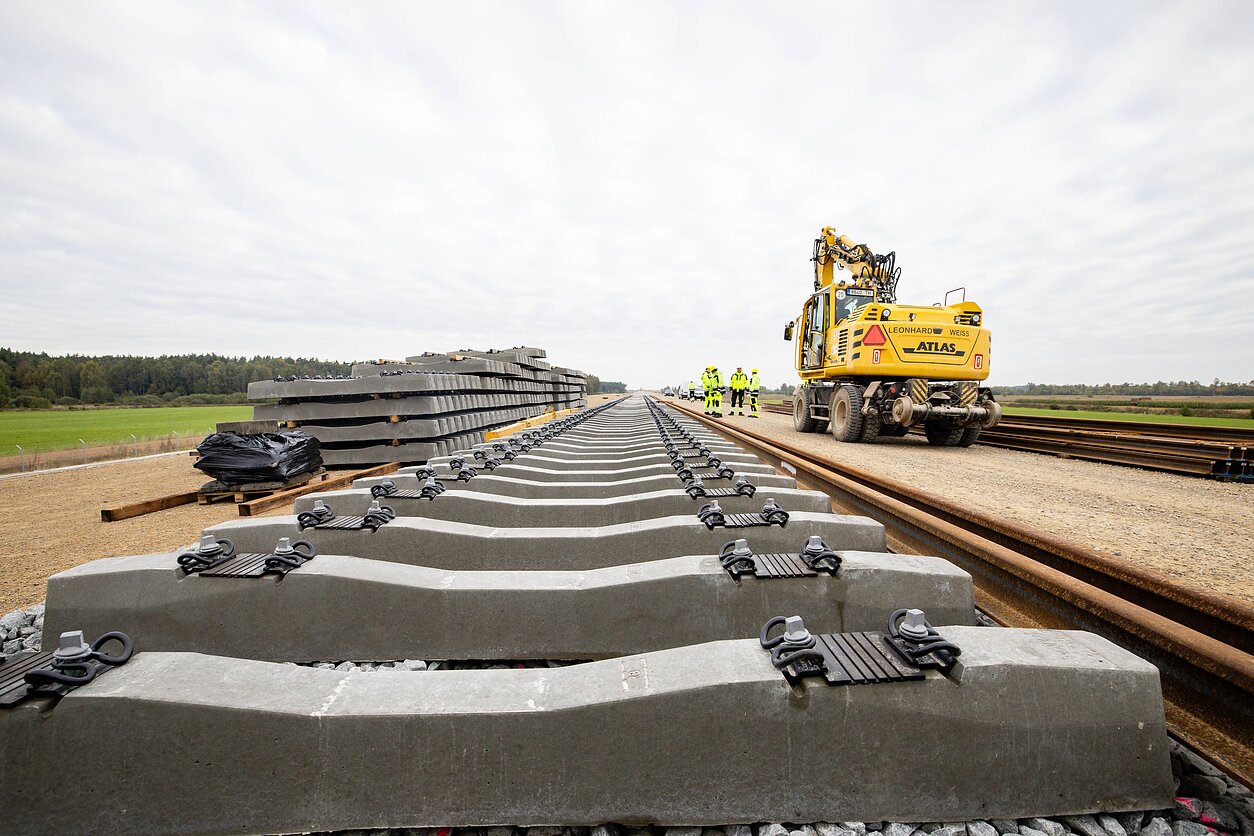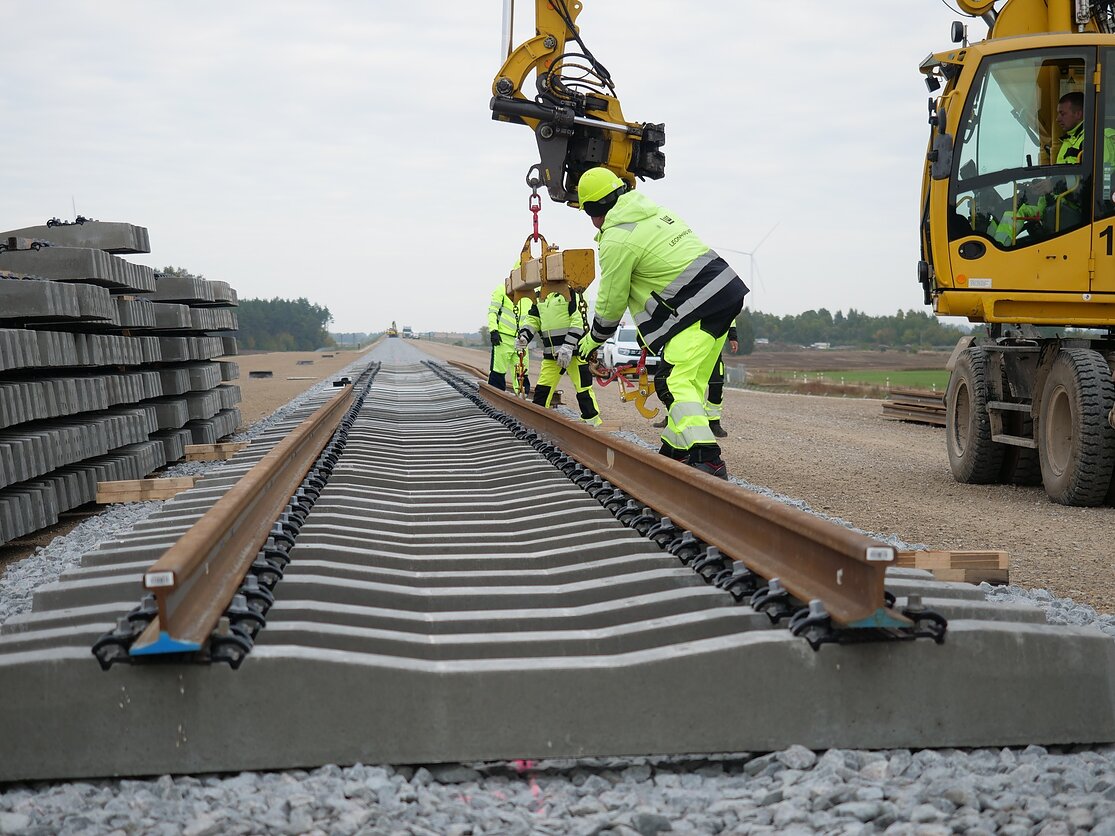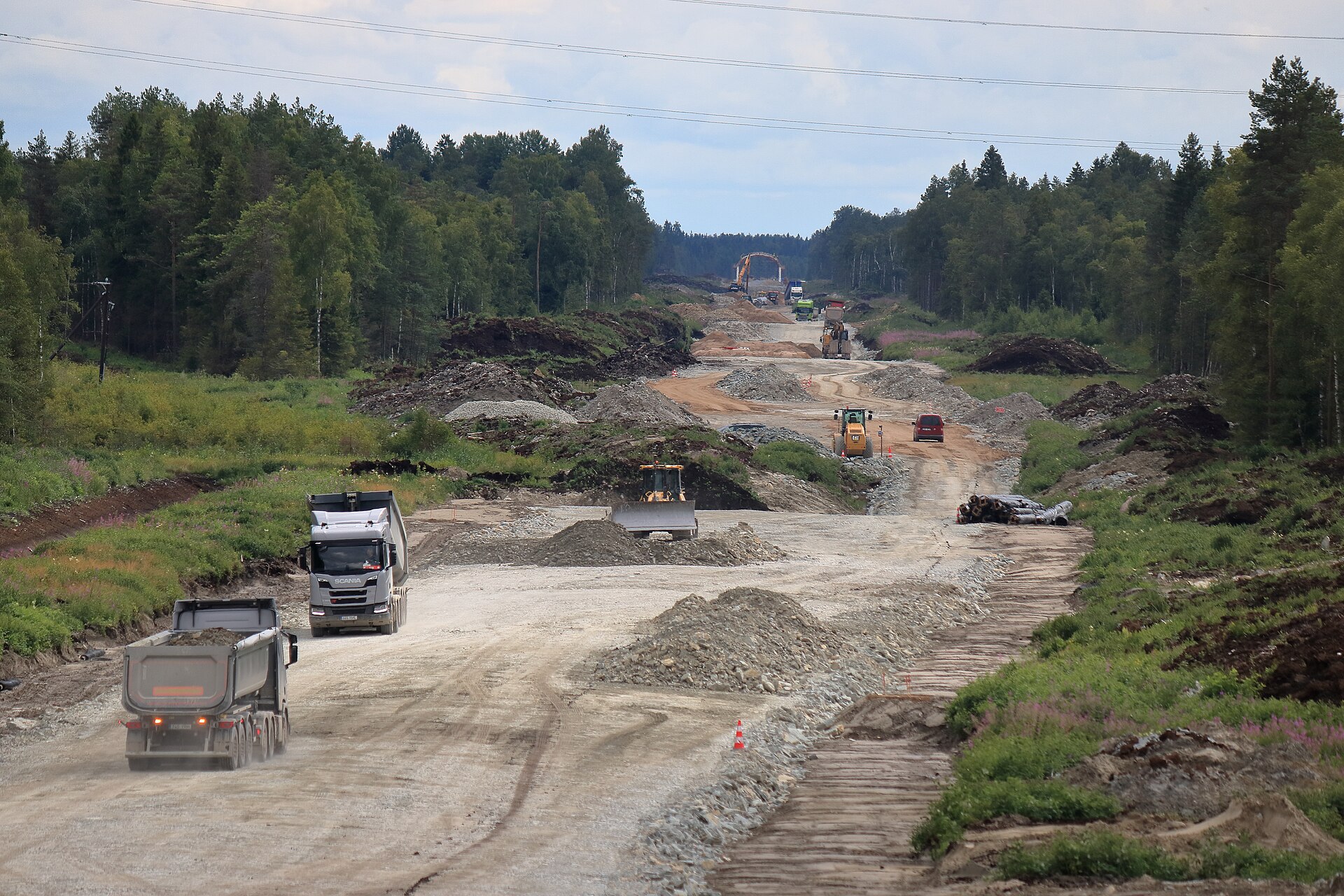
Rail Baltica, one of Europe’s major cross-border infrastructure projects, faces higher costs and ongoing delays as the EU negotiates its next long-term budget, including funding for transport and military mobility.
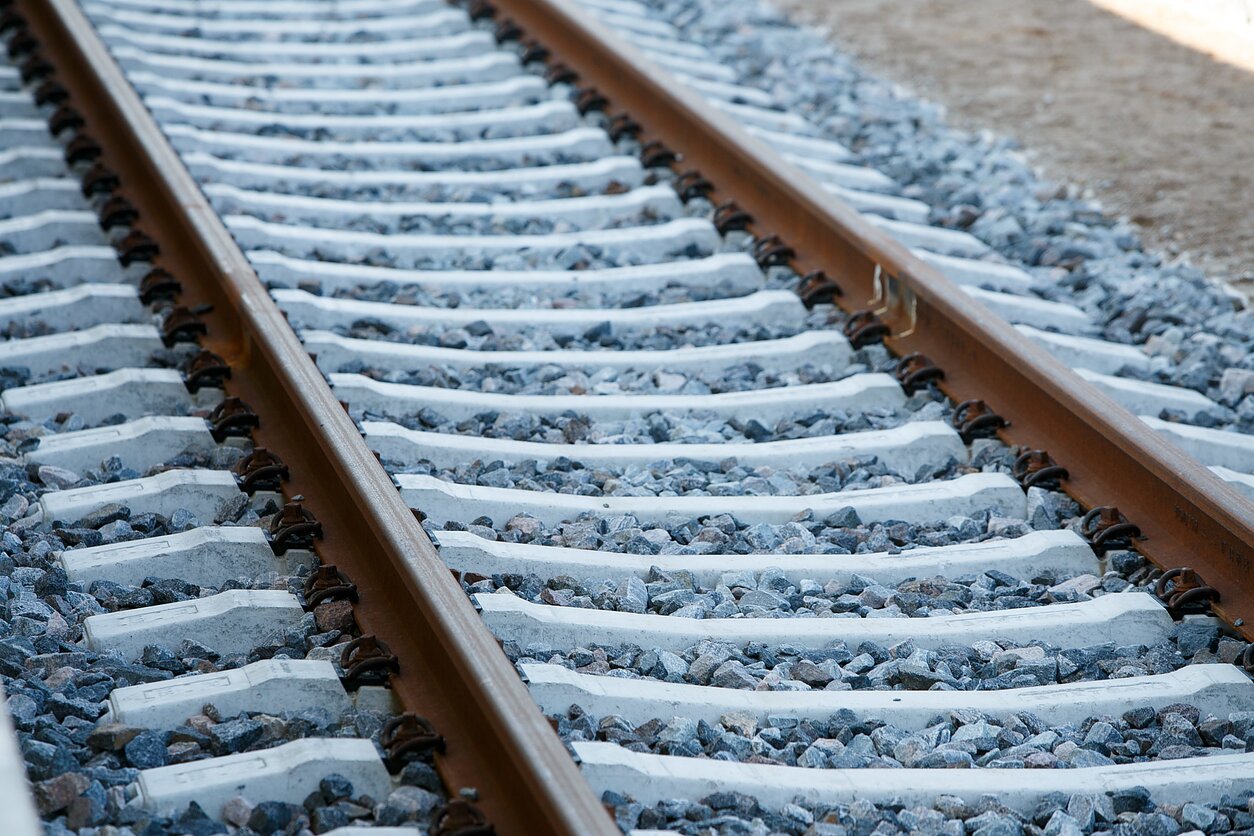
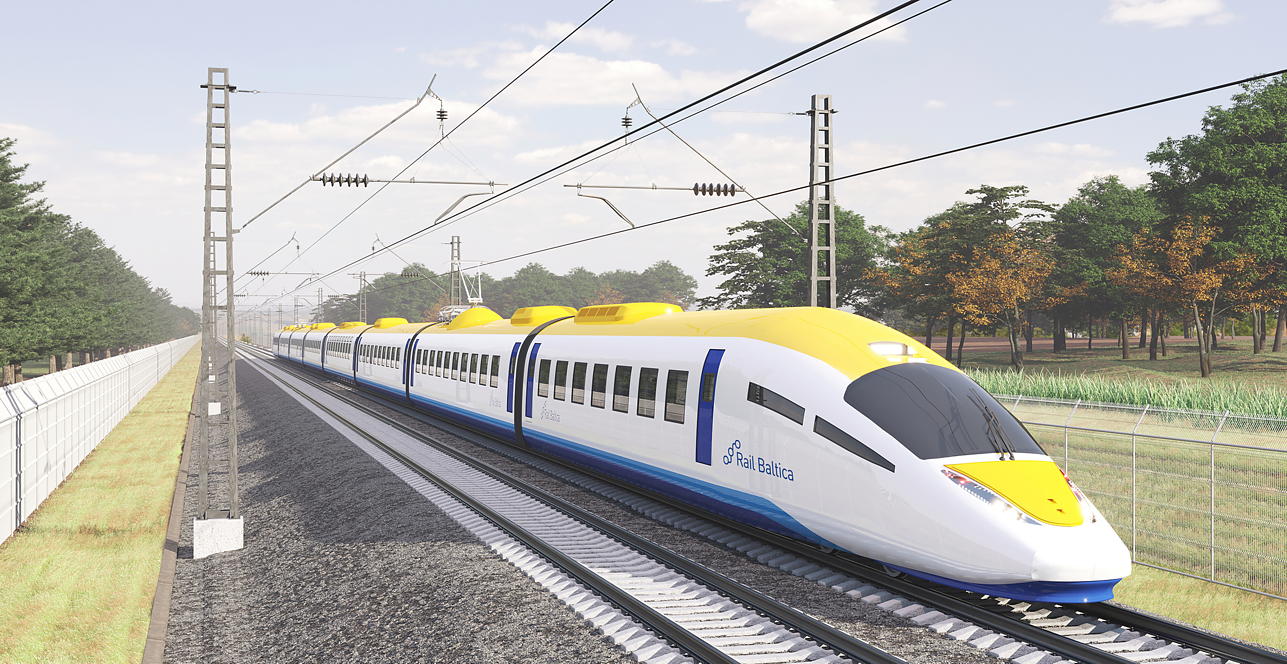
Estonia, Latvia, and Lithuania are building an 870-kilometre, electrified European-gauge railway linking Tallinn, Riga, and Kaunas to Poland and the wider European rail network.
Sitting on the EU’s eastern flank, the project has also taken on a much bigger military role, especially since Russia’s invasion of Ukraine in 2022.
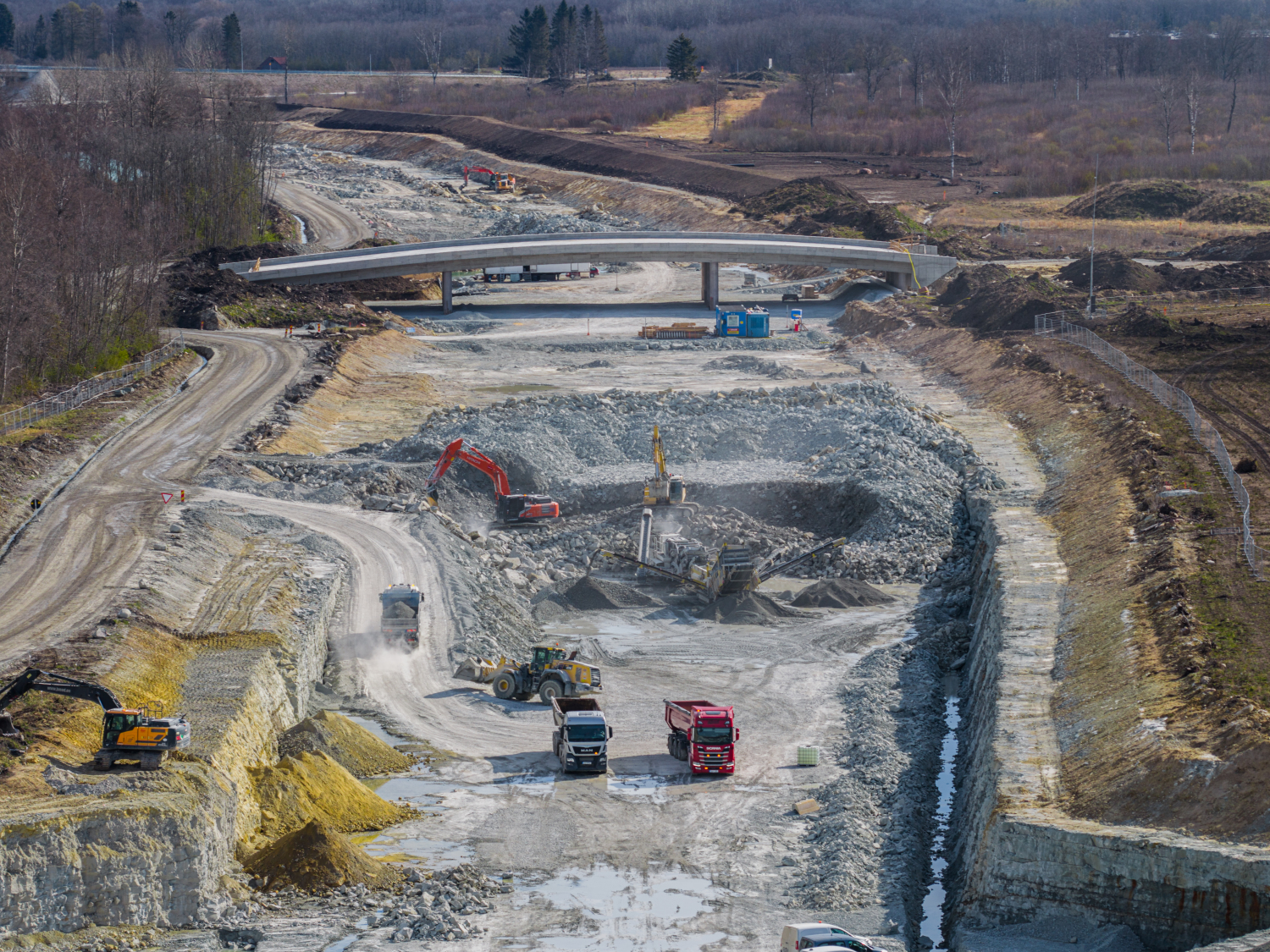
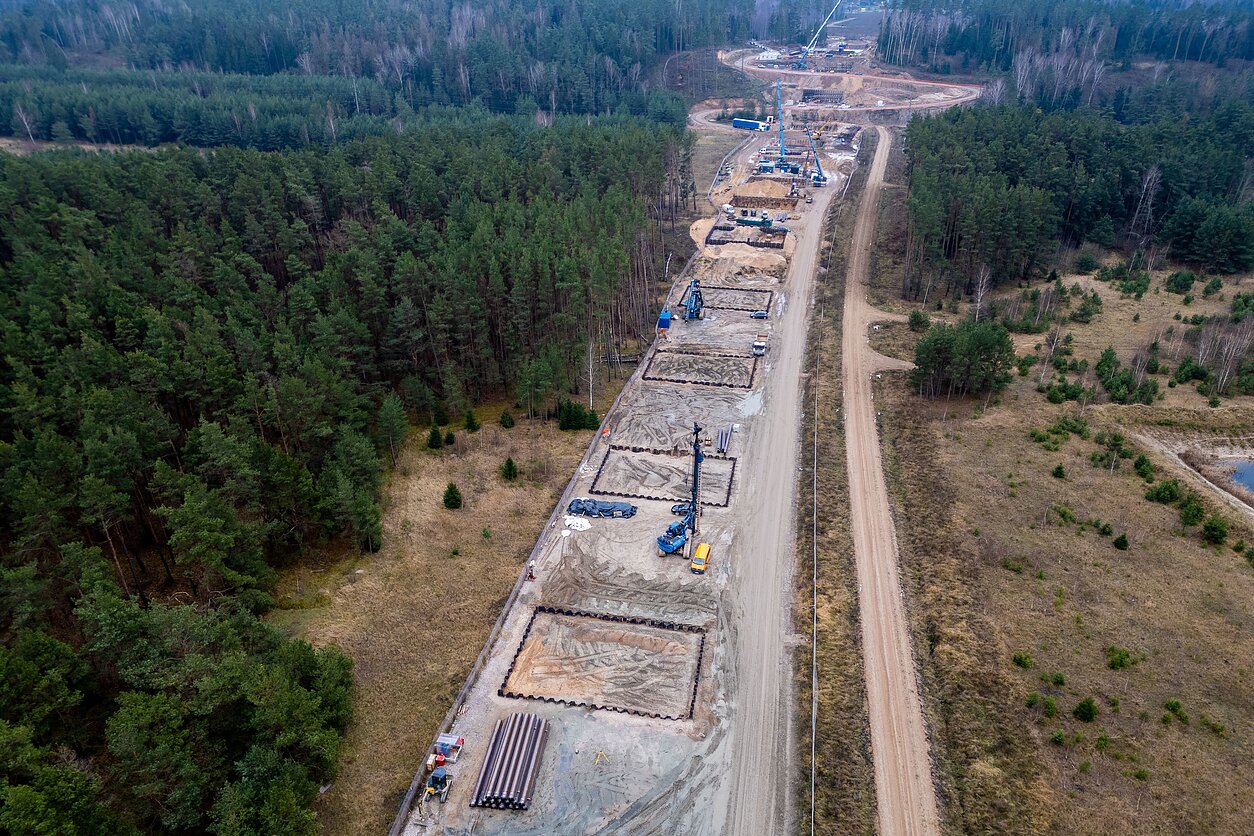
But getting the railway built has proved much harder – and much more expensive – than first expected.
In 2017, the participating countries estimated costs at €5.8 billion, but in 2024 the number was corrected to €23.8 billion after a joint audit, including €15.3 billion to construct the initial single-track line by 2030. A second phase still lacks a precise timeline.