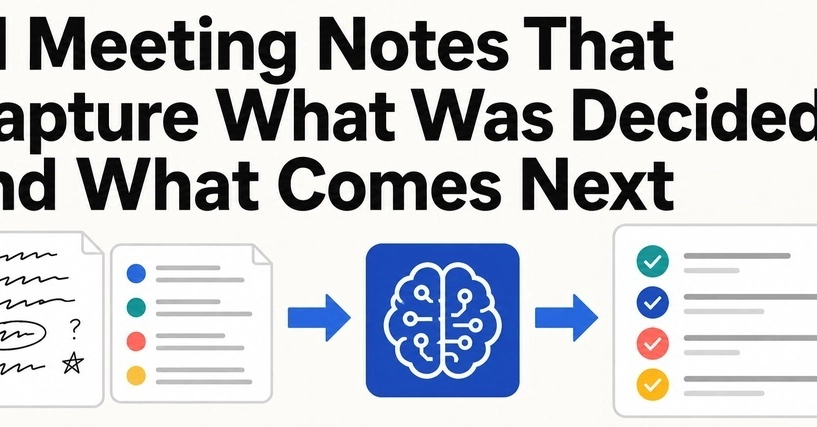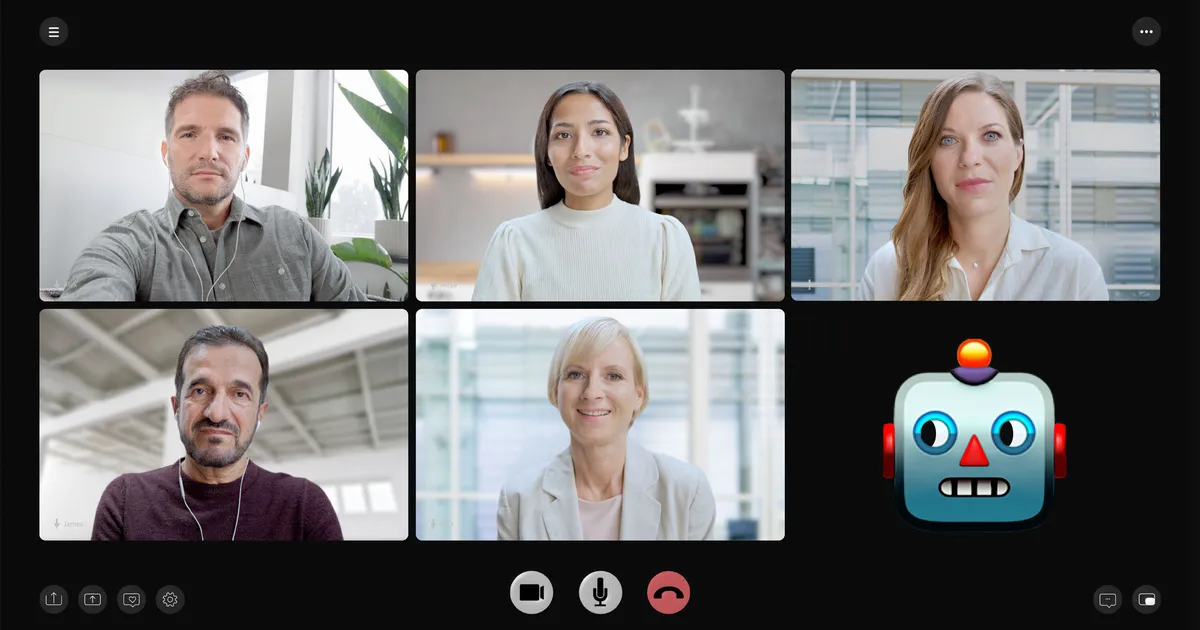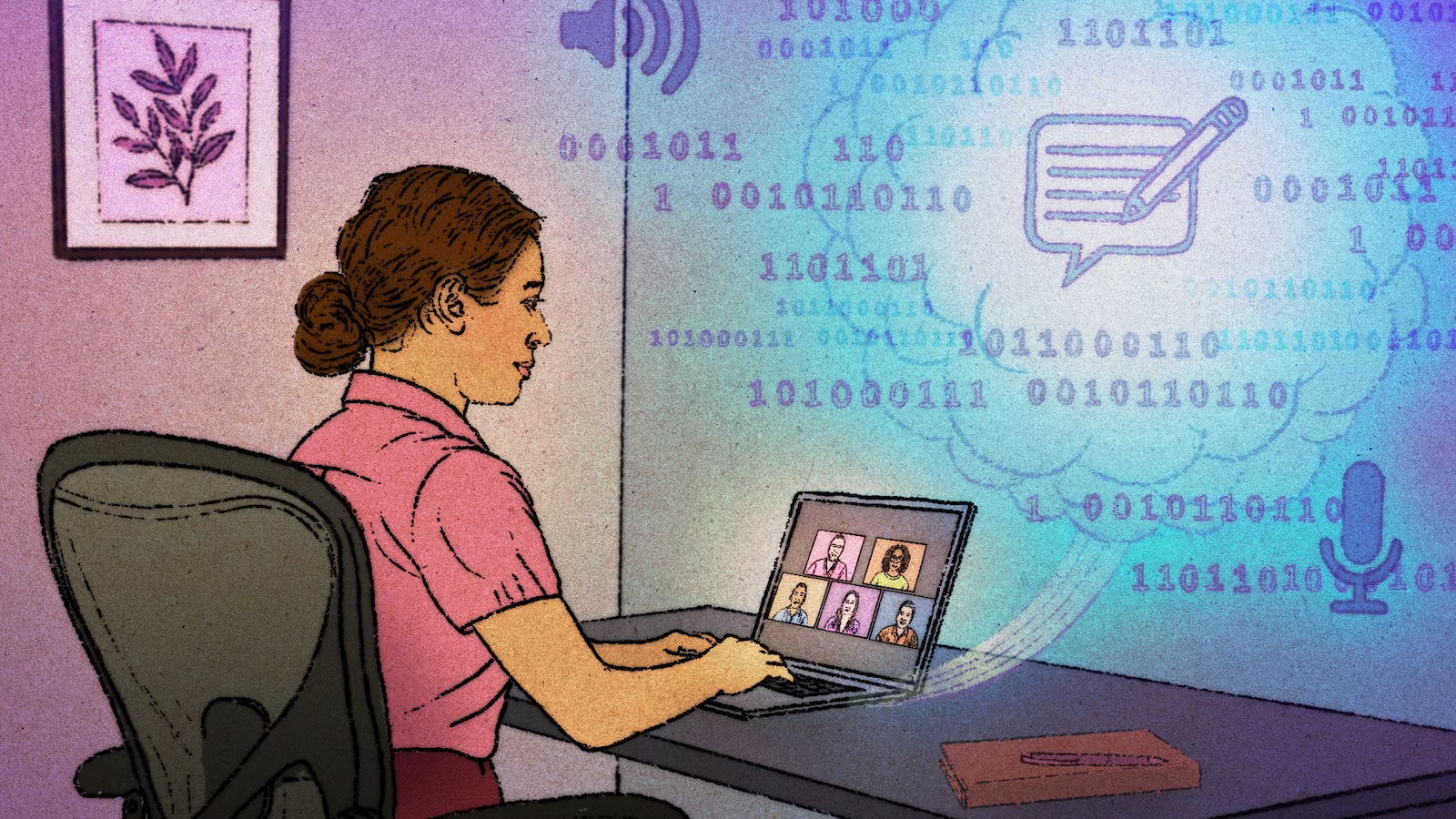
AI note-taking applications are increasingly used by workers to record meetings, generate conversation summaries and suggest post-meeting action items.
Along with the promised productivity benefits — enabling users to focus on meetings rather than actively taking notes — the emergence of these AI tools has raised privacy questions, particularly around obtaining prior consent by meeting participants for their use. Those concerns, in turn, have prompted a spate of lawsuits against software vendors that sell AI notetaking tools.
In some ways, the underlying questions are not new: It’s long been possible to record a phone call with a dictaphone, and laws around surreptitious recording have been around for decades. Yet widespread access to AI notetakers via desktop or smartphone apps means that it’s easier than ever to record a conversation for future reference.
Among the thorny questions arising from the technology’s use: what happens to conversation data sent to a software vendor’s servers for processing? Are the recording and transcript used to train those vendors’ AI models, for example, or create biometric voiceprints? Those practices are among the issues being considered in US courts.