Add as a preferred source on Google
Table of Contents
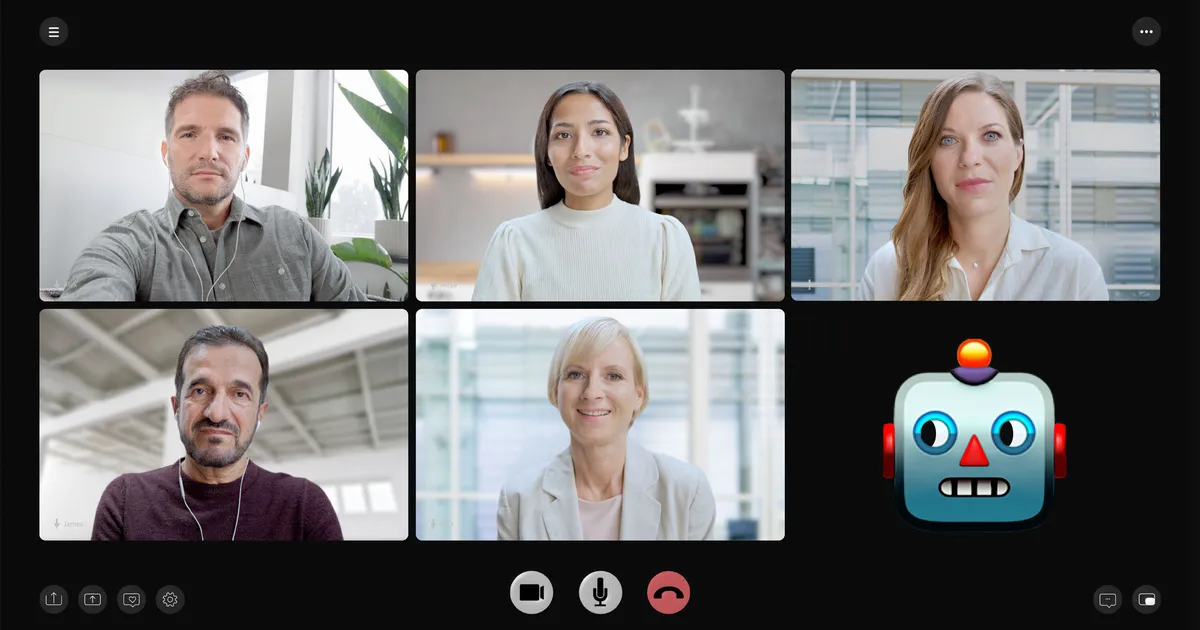
A few years ago, AI note-taking and transcription tools were a niche productivity hack used by busy executives and the media. Now, they're everywhere. But these apps come with a legal fine print that most people don’t know to look for. First, the app may retain recordings and transcripts of your meetings indefinitely once used. They can also reuse them for any number of internal purposes, including model training and marketing campaigns. Second, state laws often require all parties to consent before a conversation is recorded. AI note-takers argue that the onus of obtaining consent falls on the person using the recording app, aka you. So if you recorded a meeting but didn’t disclose it to the other party, they could actually sue you for violating their data protection rights. That’s why multiple AI note-taking platforms are now facing class-action lawsuits from users who accuse them of mishandling their data and passing the baton of consent down to customers without informing them about this properly. I'll walk through the current legal situation, as well as what steps you can take to protect your data going forward.
What the Granola lawsuit is all about