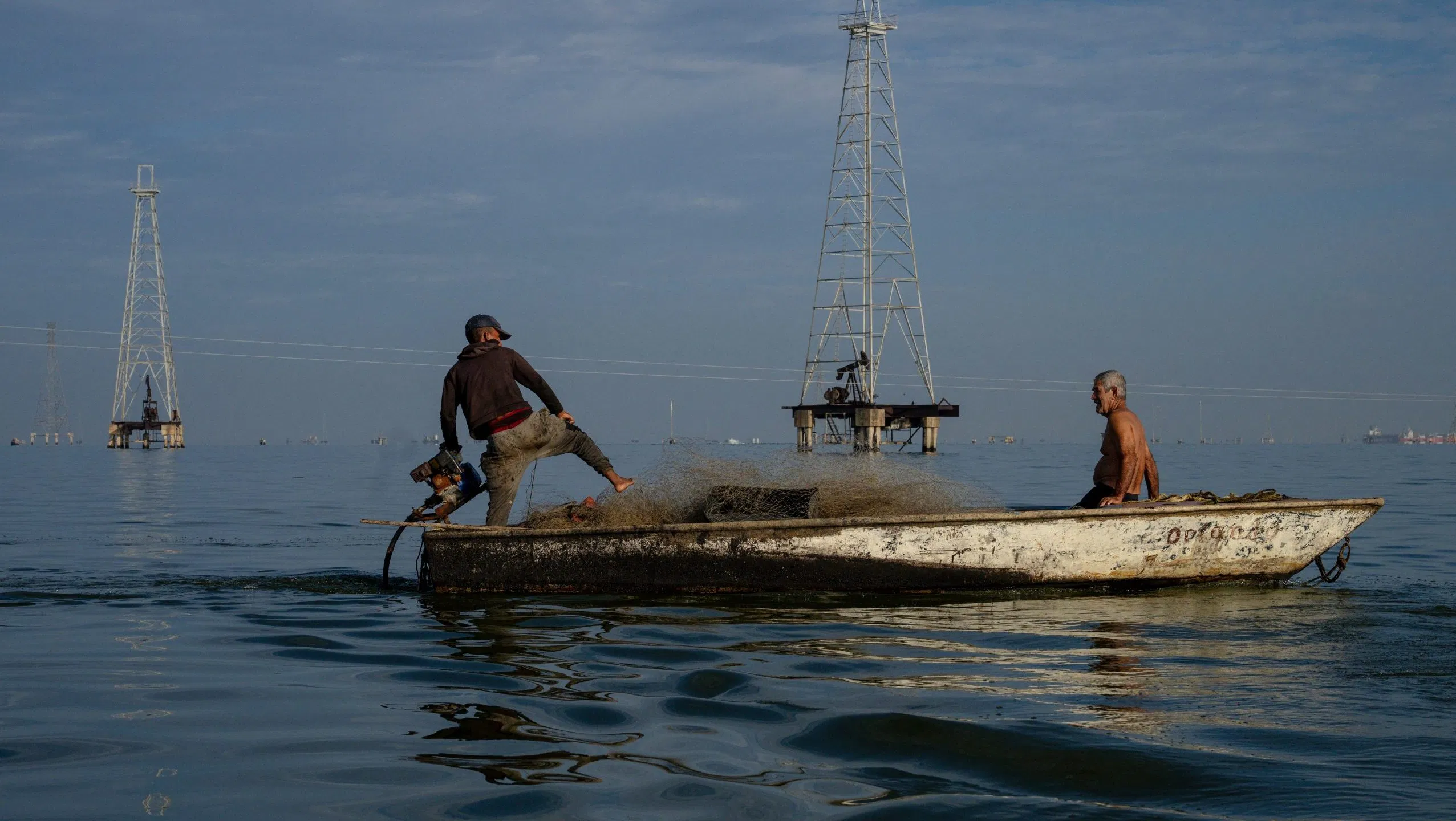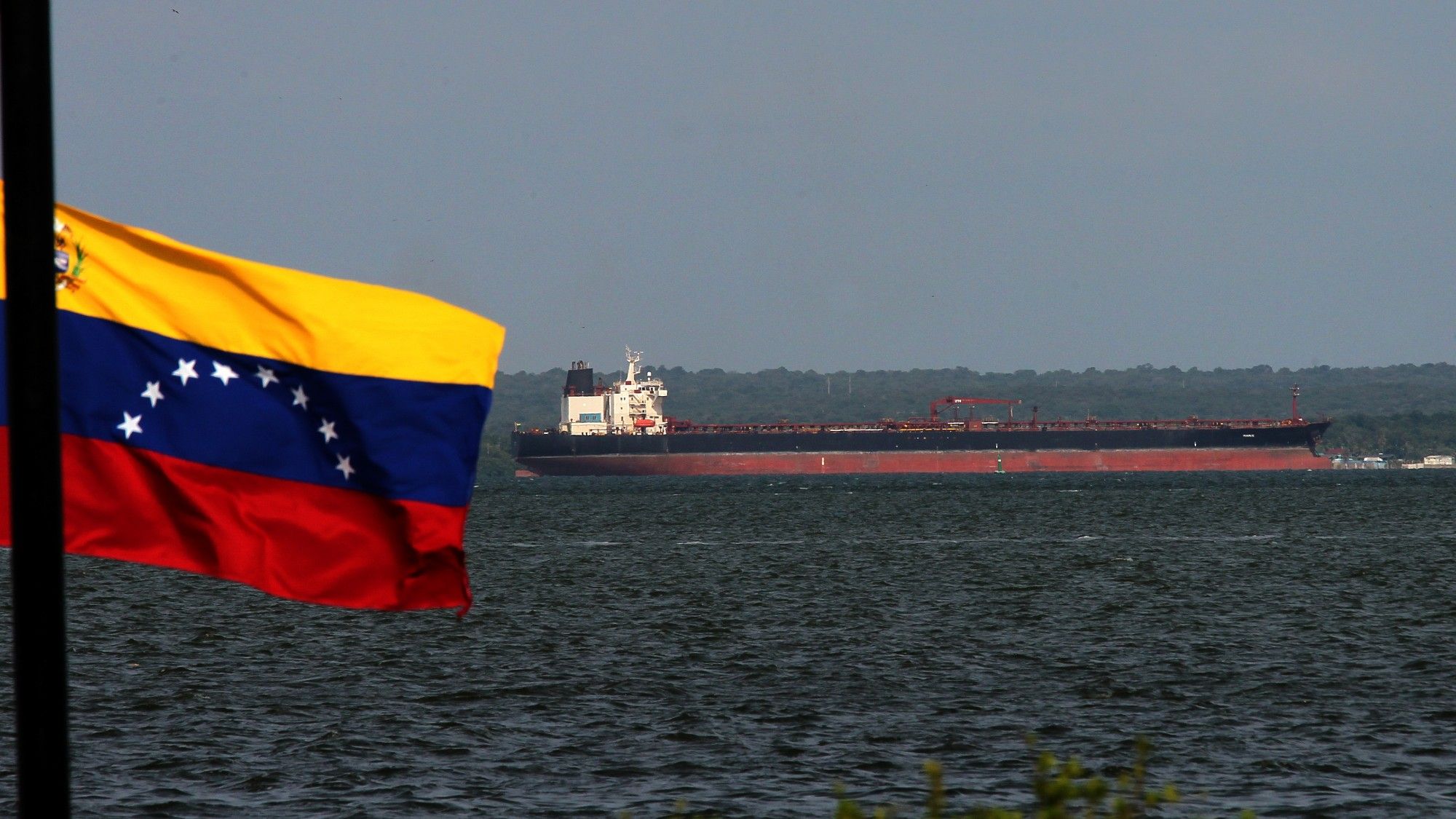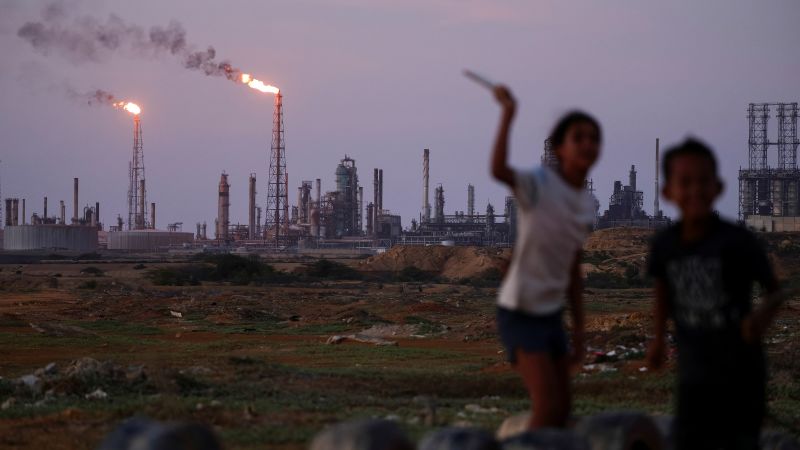
Reading Time: 3 minutesBOGOTÁ—With all the expectations the Trump administration has created about the stabilization, recovery, and eventual democratic transition in Venezuela, everybody knew that oil was supposed to be a key component of the playbook and endgame. In an era when Washington is unabashedly pushing for energy dominance, turning to an old partner makes some sense, if imperfect.
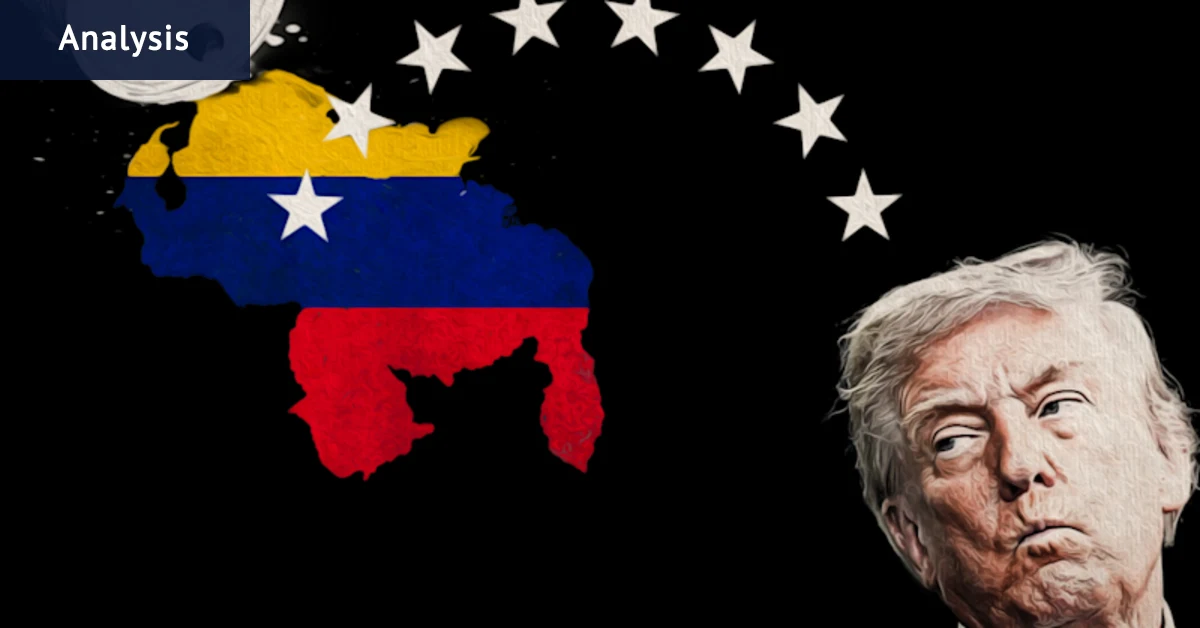
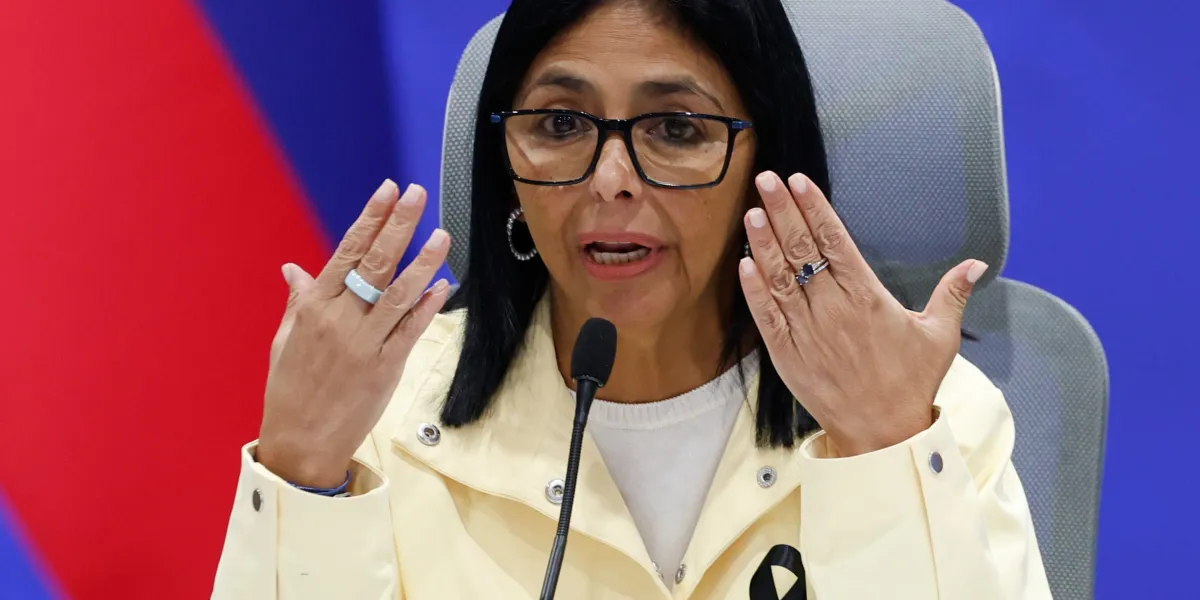
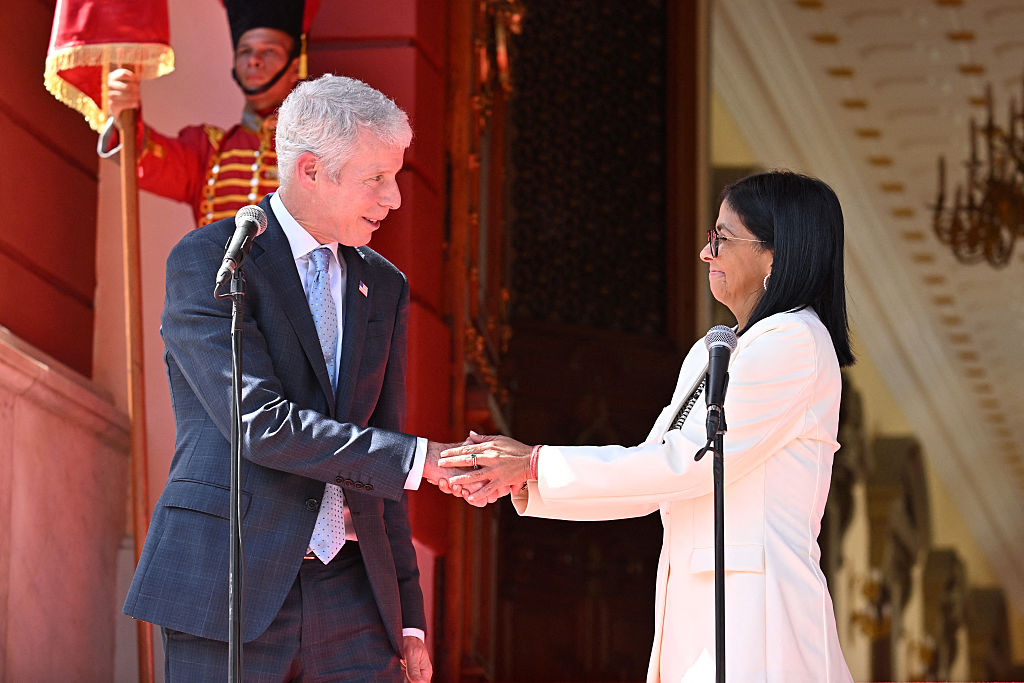
Yet the latest oil deal announced by the Trump administration and the regime led by acting President Delcy Rodríguez is testing the patience and hopes of the Venezuelan people, who, since the capture of Nicolás Maduro, thought the country was turning the page on years of mismanagement and oppression. The “biggest oil deal in world history”—as President Donald Trump touted it on August 28—is also set to test the fundamentals of diplomacy under the Donroe Doctrine. It comes at a time when Venezuela is reportedly considering a possible departure from OPEC, and Chevron Corp. committed earlier this week to expand its presence in the country.
Several aspects demand careful attention. Under the deal, the U.S. chose a little-known oil operator, North American Blue Energy Partners (NABEP), purported to be Venezuela’s second-largest private oil operator. The Barbados-based company, led by controversial Venezuelan entrepreneur Alejandro Betancourt, has prospered through opaque block assignments from the regime rather than its own technical prowess, carrying out a coup de grace to take “control” of a large portion of Venezuela’s oil resources.