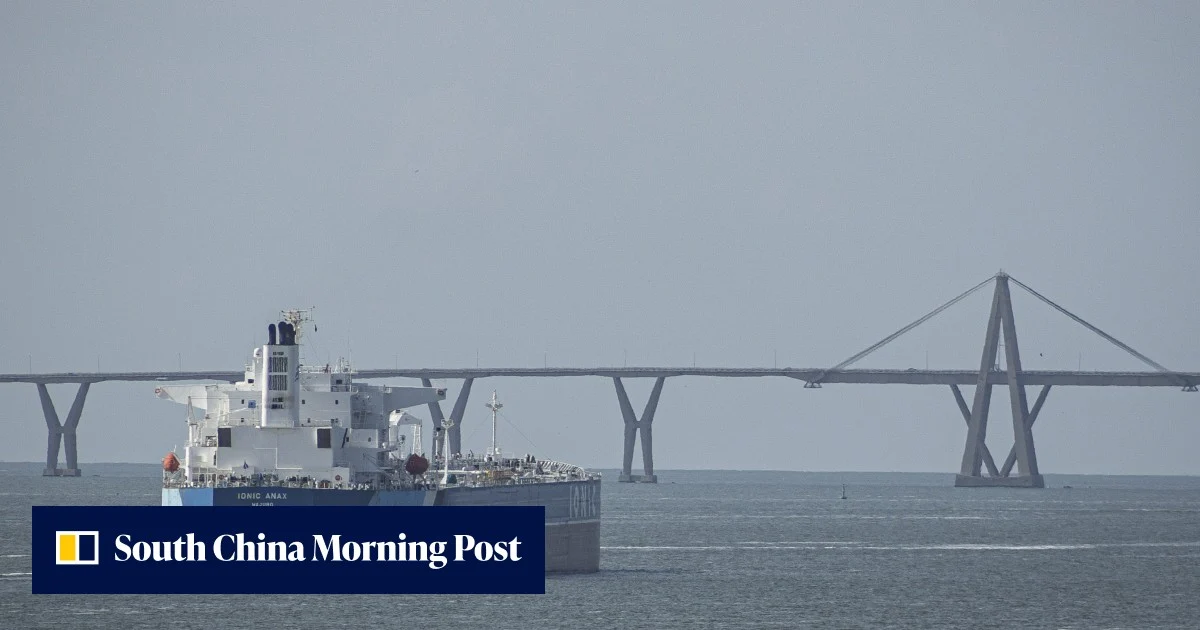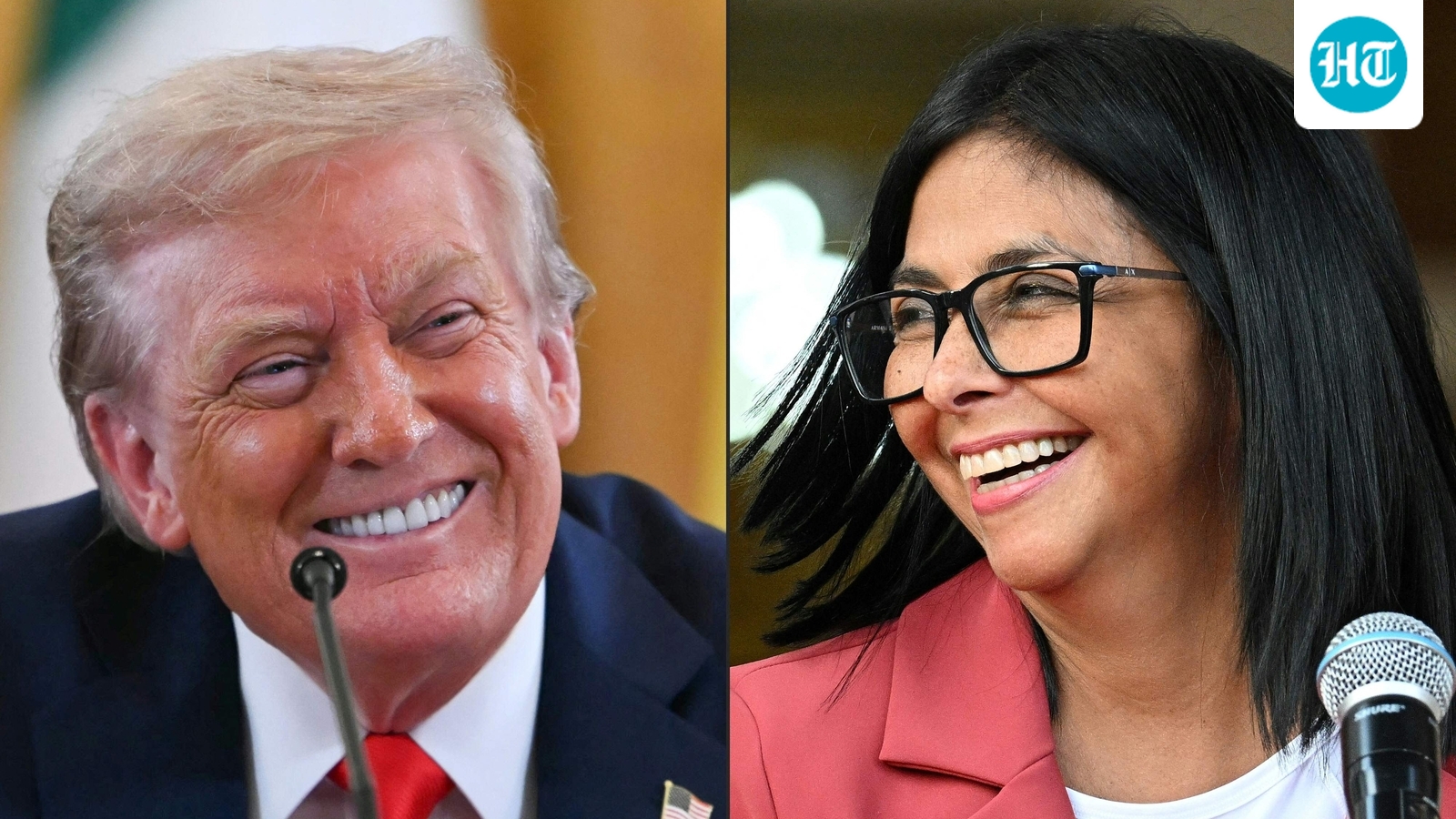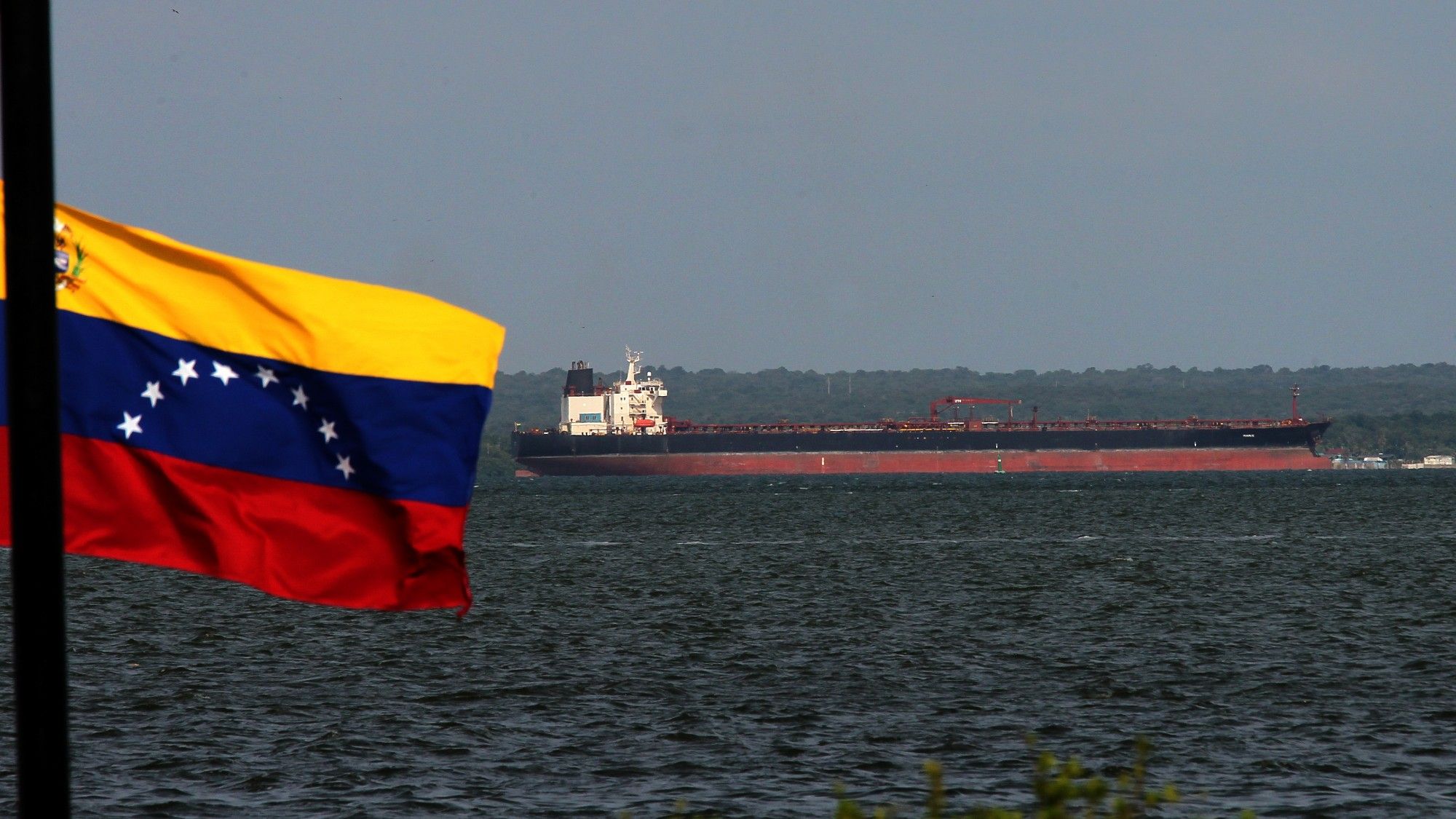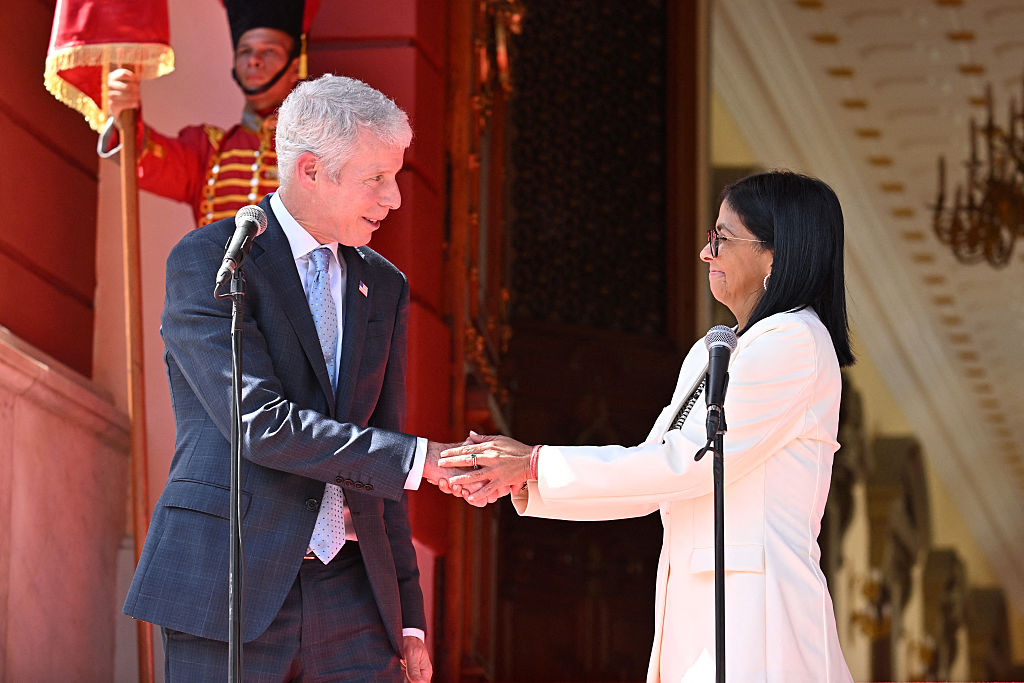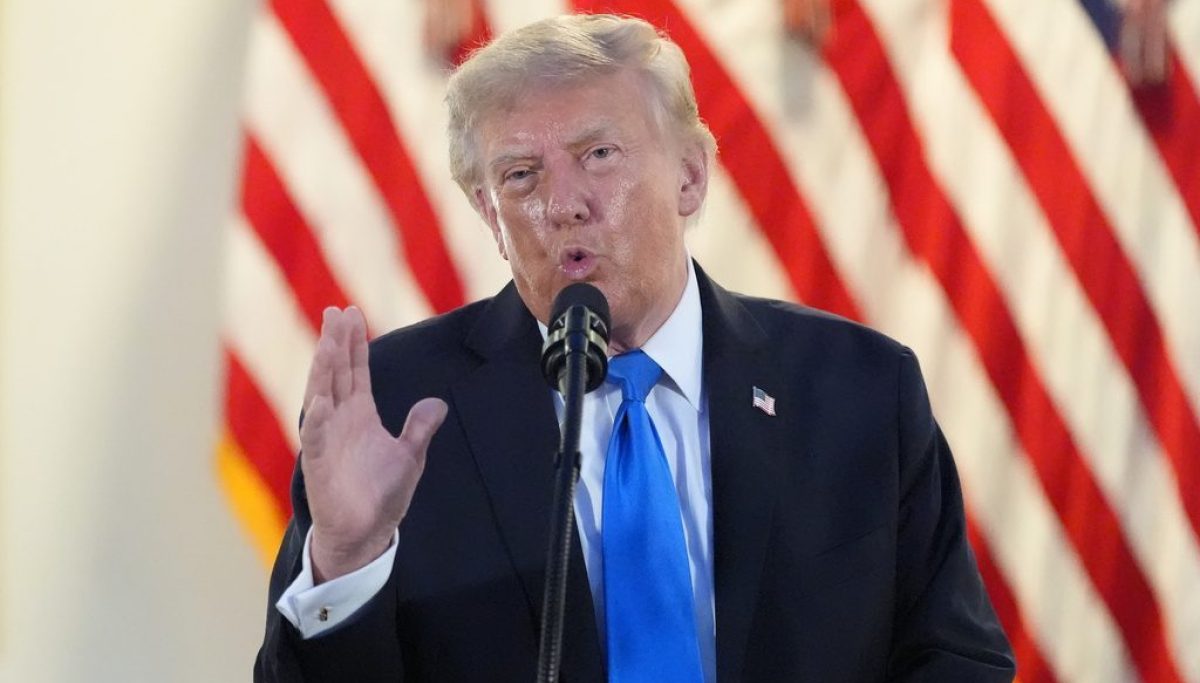
Announcing the "historic" oil deal that his administration reached with Caracas on Aug. 31, U.S. President Donald Trump lauded the agreement as a major step toward strengthening U.S. energy security, an especially politically salient achievement given Washington’s unpopular war in Iran, which has pushed gasoline prices to around $4 a gallon.
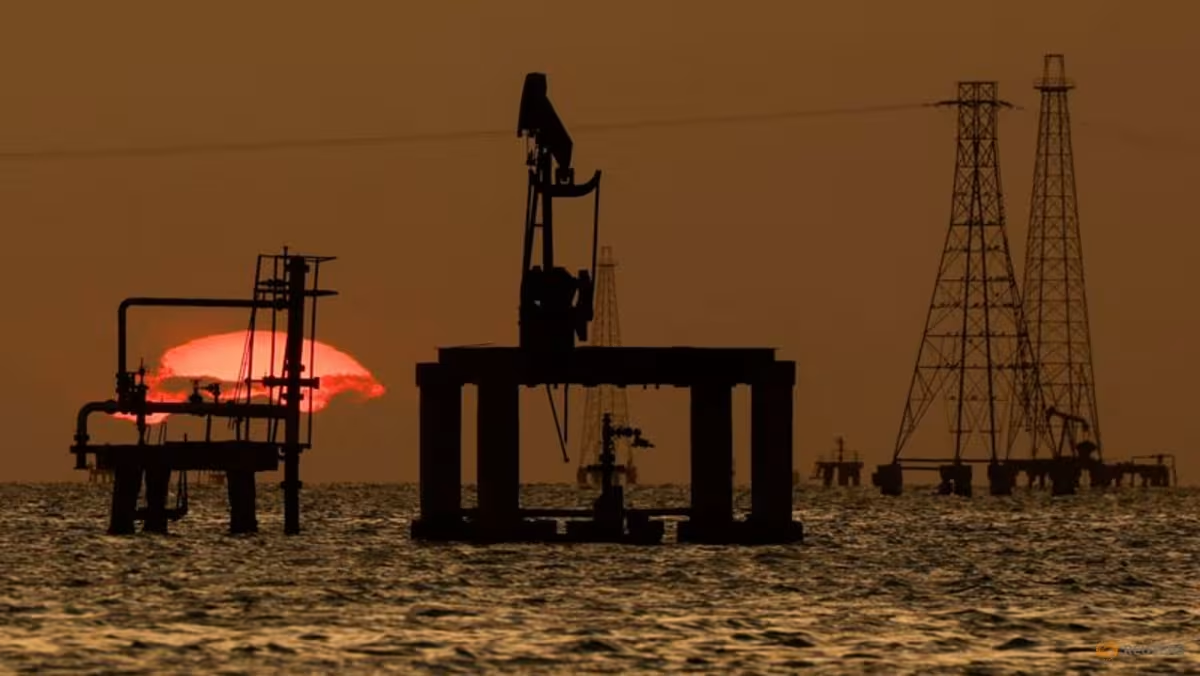
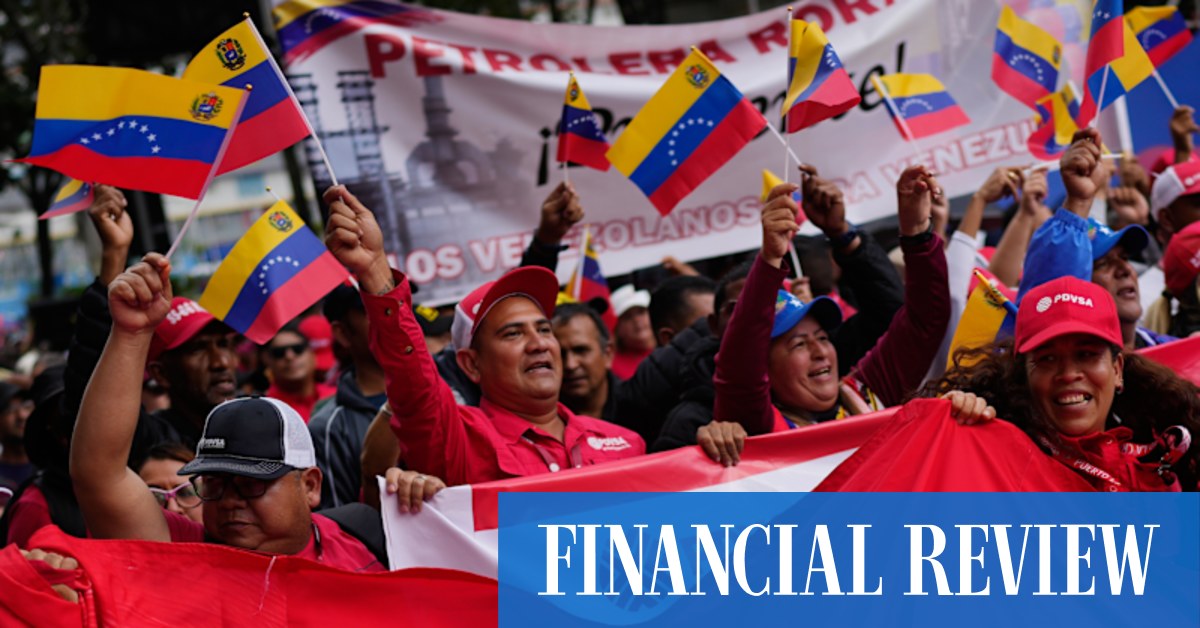
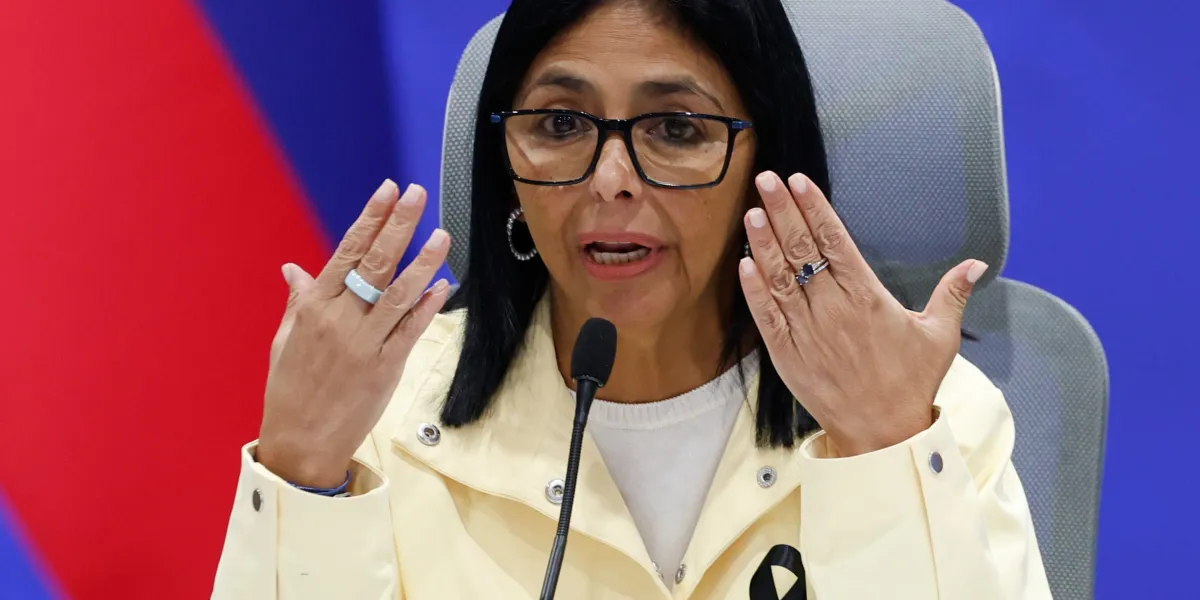
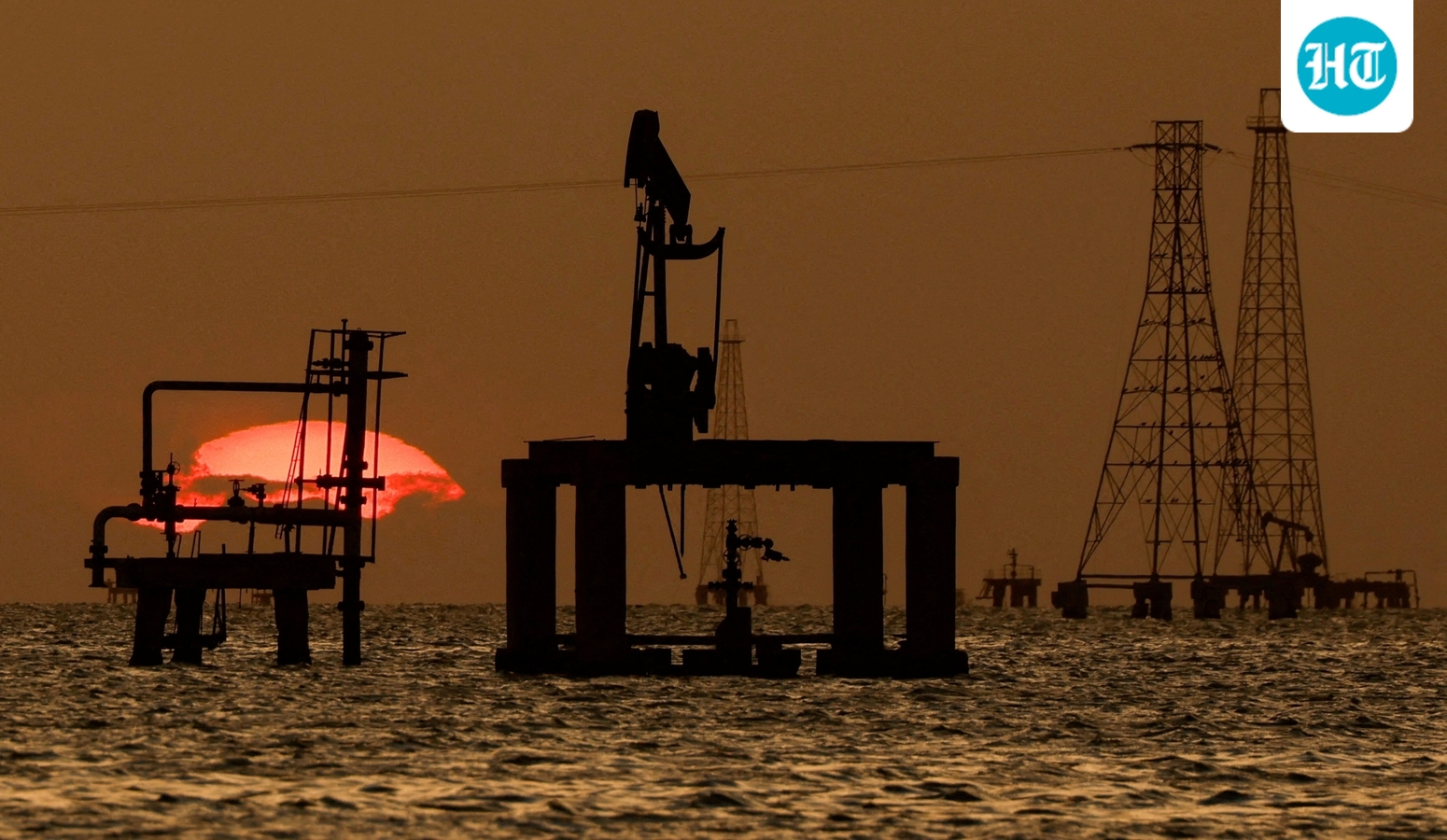
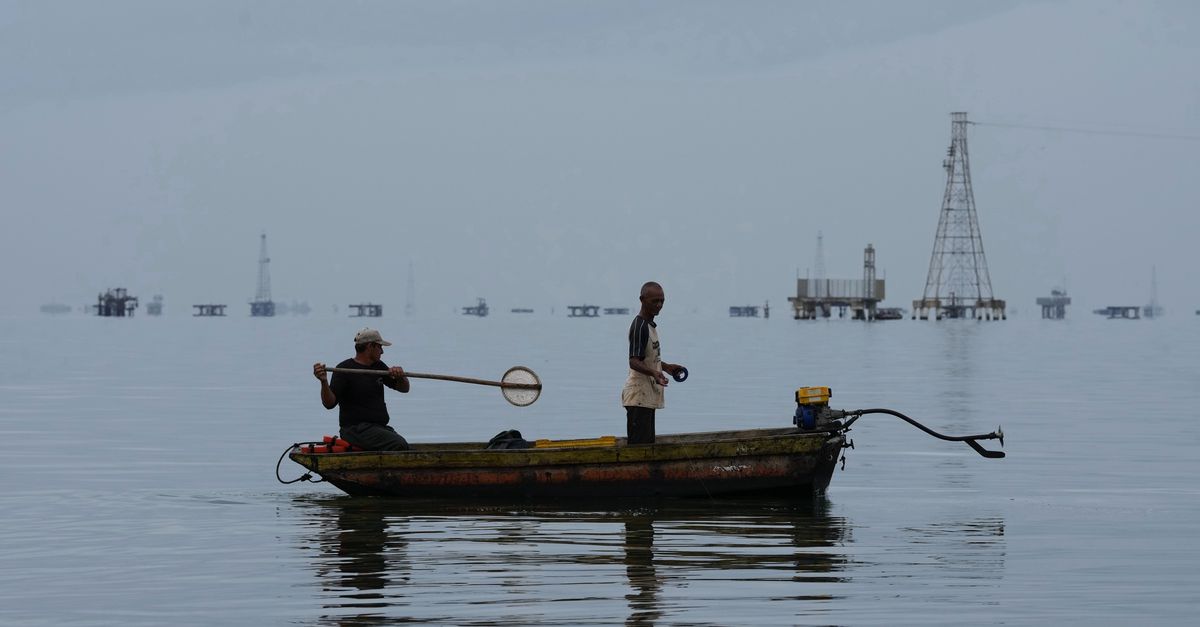
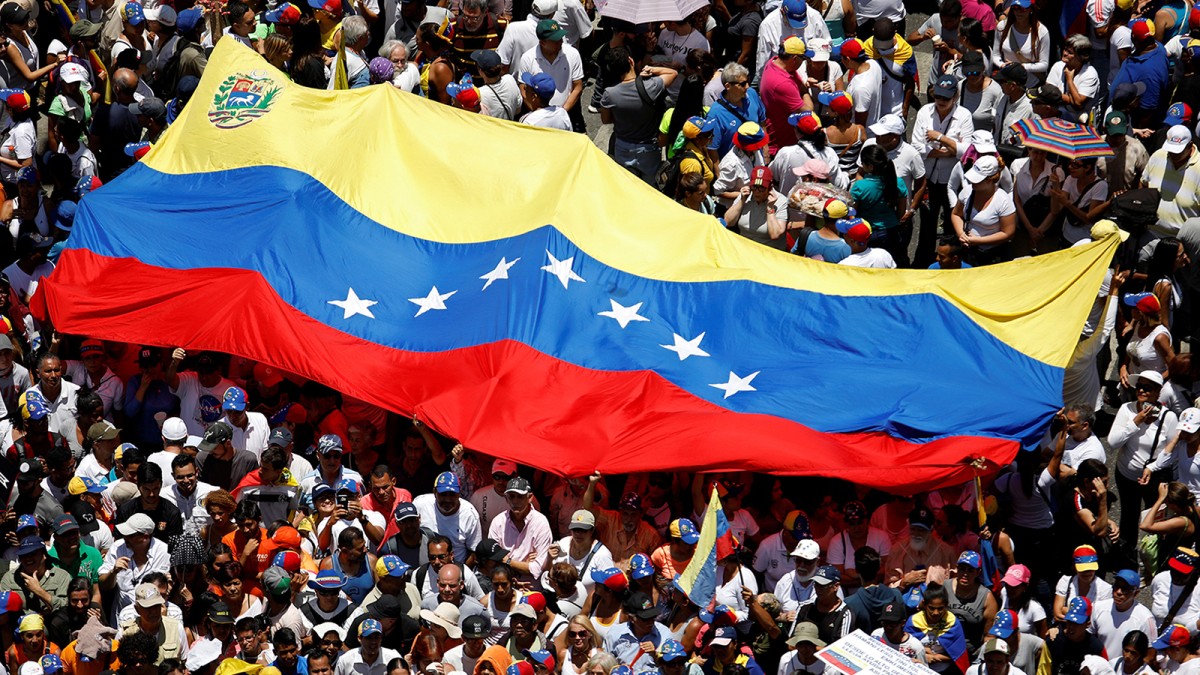
Venezuela’s interim President Delcy Rodriguez, meanwhile, framed the agreement’s provision of U.S. capital and technology as pivotal to reviving the country’s decrepit oil sector, whose production has dwindled by 2.5 million barrels of oil a day from its historical levels. While Trump presented the agreement as a major economic and geopolitical victory that would “more than double U.S. oil reserves,” Rodriguez downplayed concerns that it represented another violation of the country’s sovereignty following Washington’s Jan. 3 removal of deposed President Nicolas Maduro, instead emphasizing its potential to generate state revenue for social and economic recovery.
The deal’s murky legal and operational details have allowed Rodriguez and Trump to reinforce their divergent narratives, cushioning frictions within their respective circles of power and support bases while maintaining their bilateral strategic convergence.