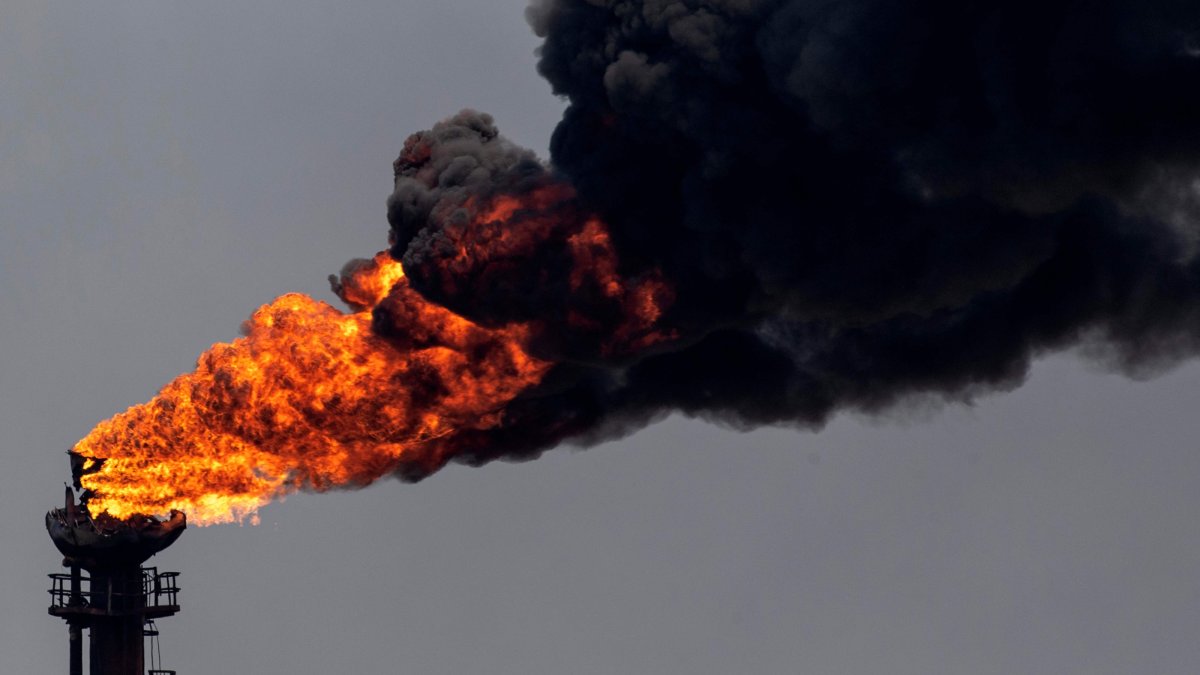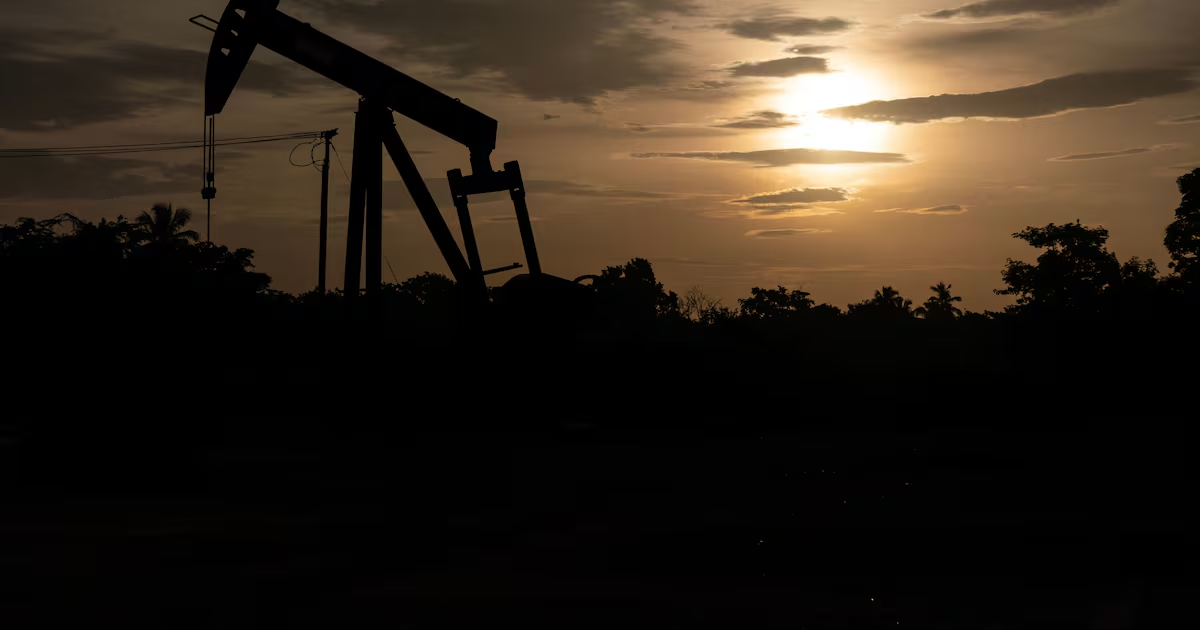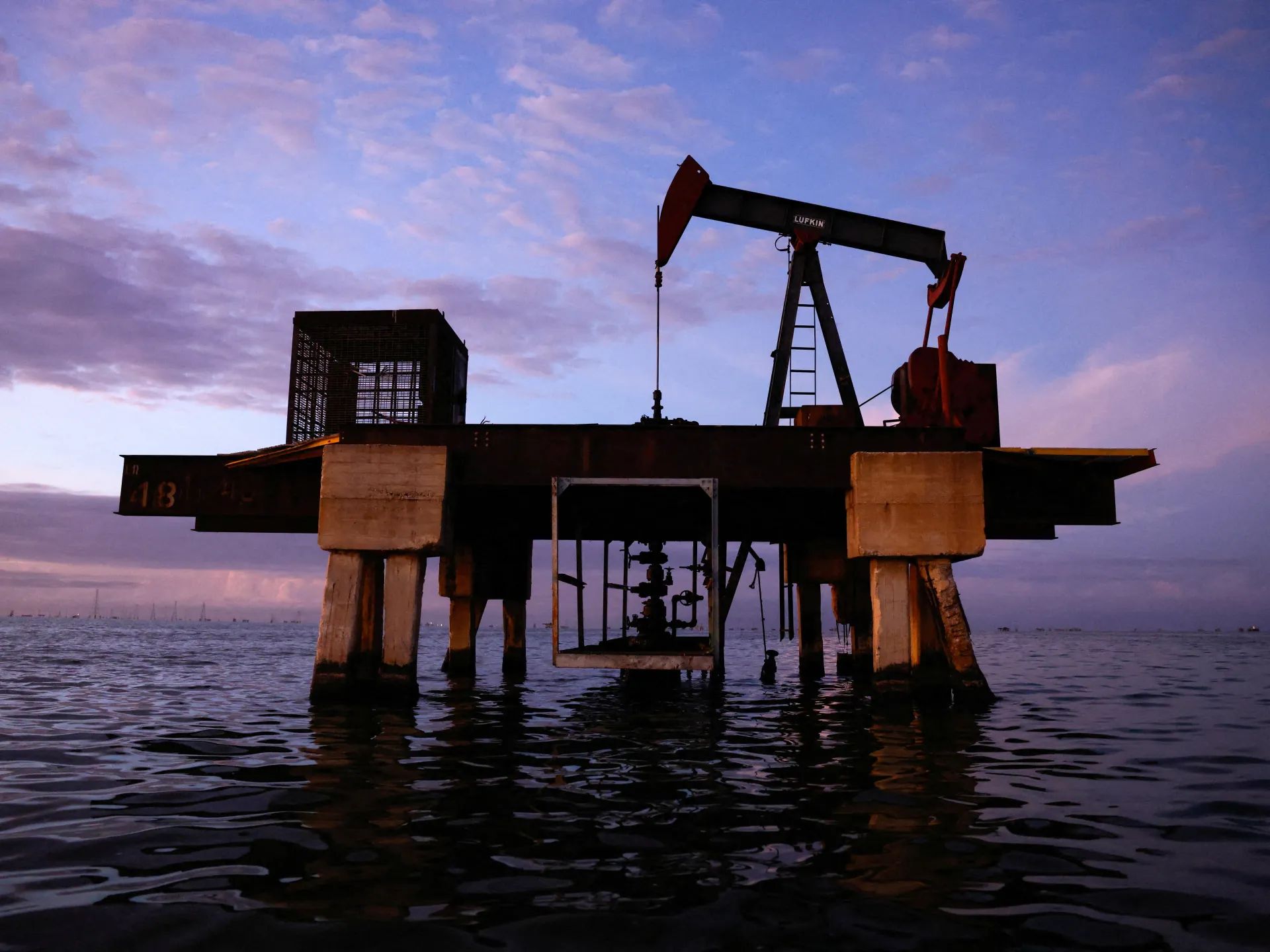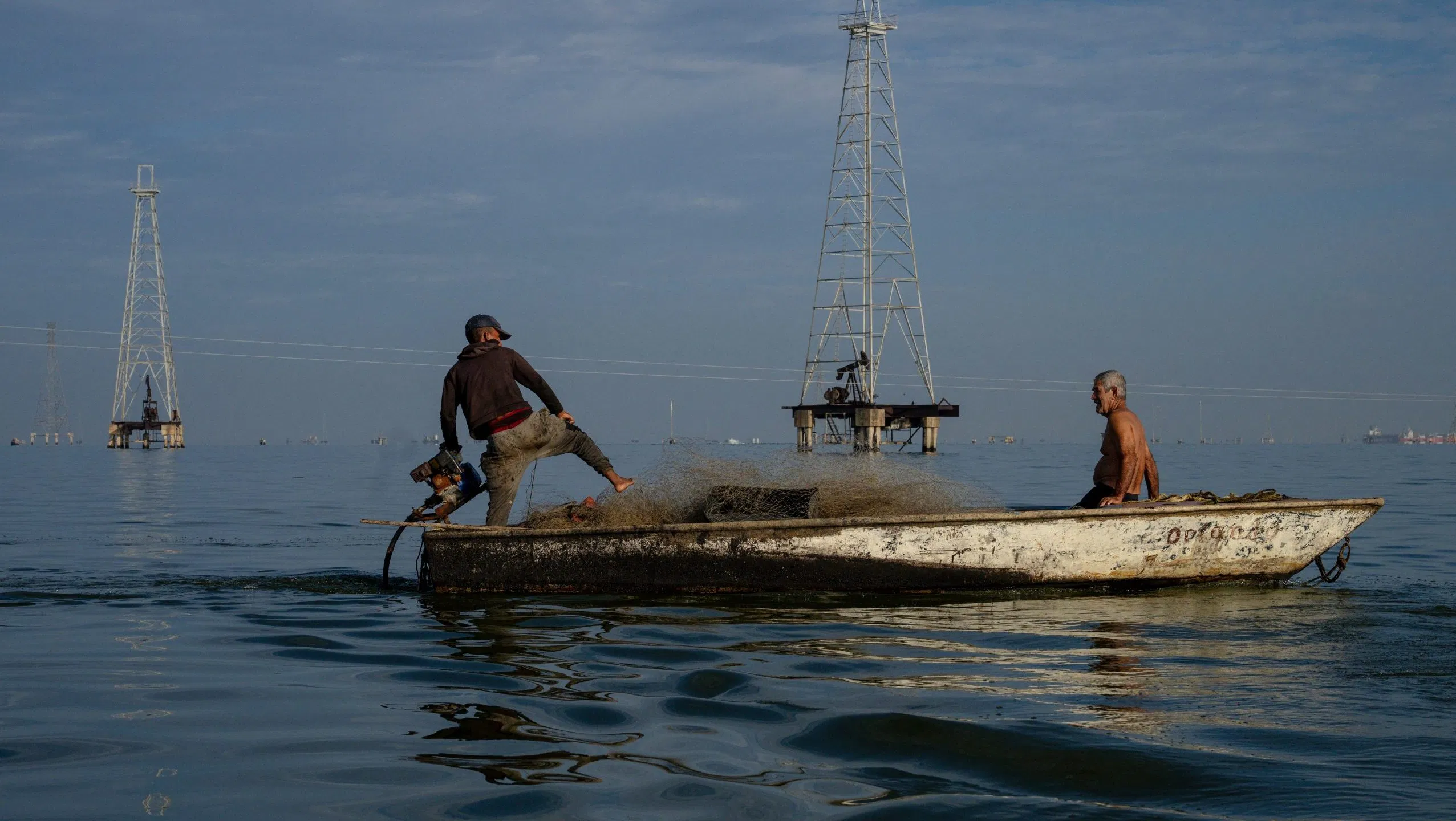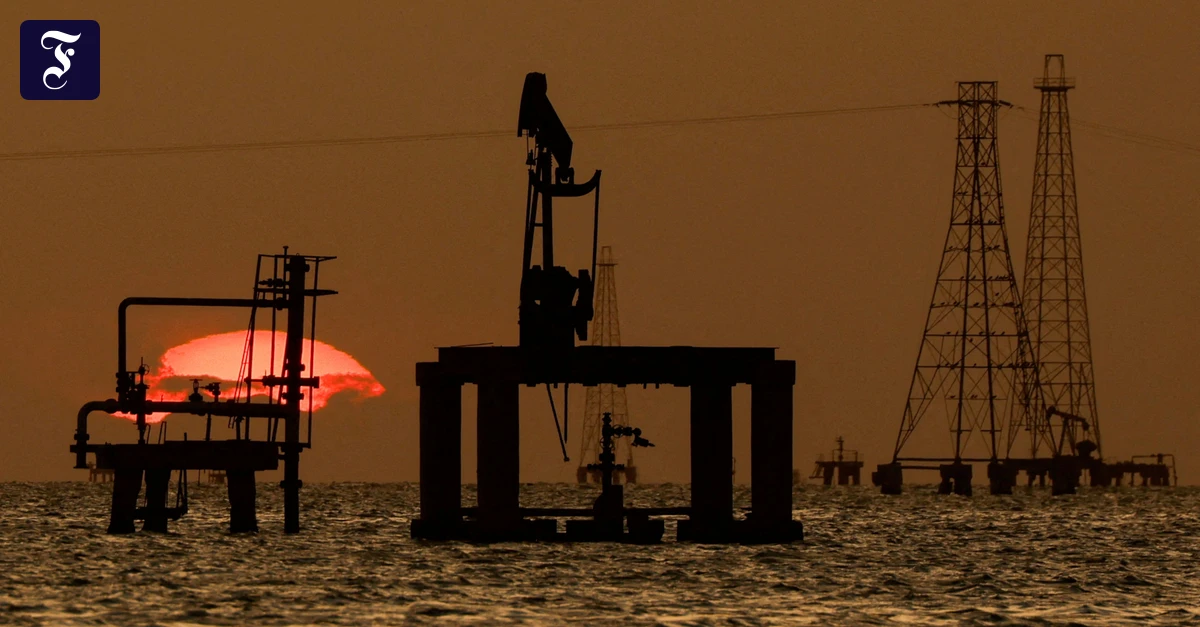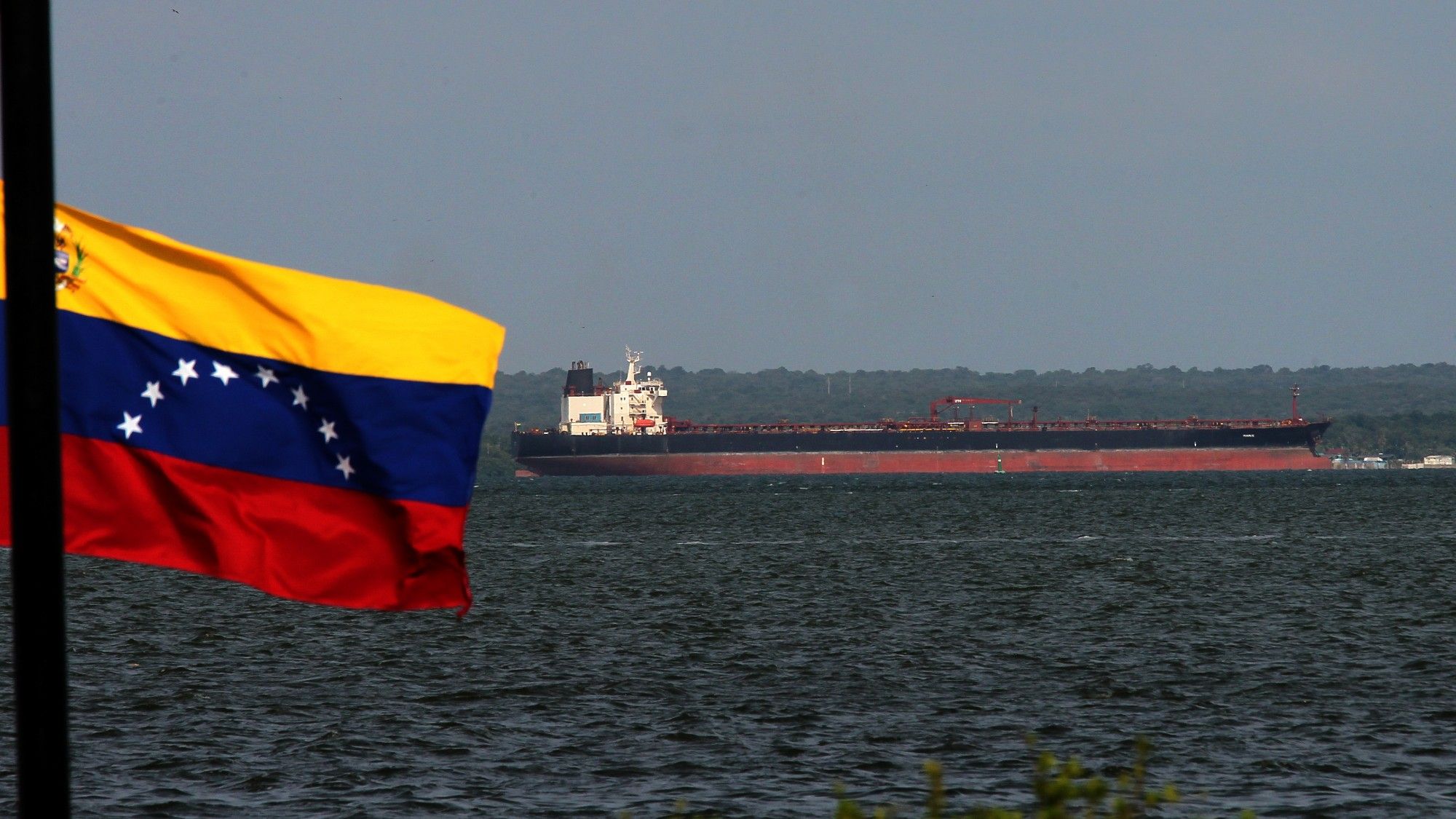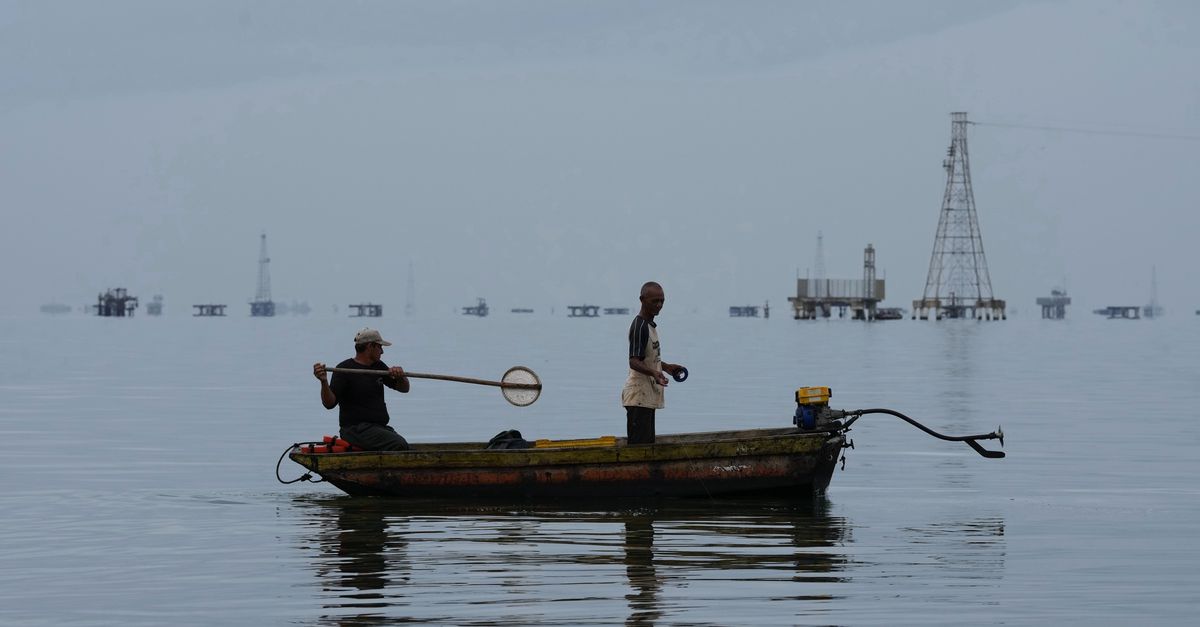
Oil made Venezuela rich. For decades it helped fund a stable democracy with the highest living standards in Latin America. The country was pumping 3.4m barrels a day when Hugo Chávez, a left-wing populist, was elected in 1998 on a promise to redirect petrodollars to the poor. Instead, under his corrupt, incompetent regime, the flows of oil and cash largely dried up. Under his chosen successor, Nicolás Maduro, the state went on a money-printing spree, sparked hyperinflation and drove a quarter of Venezuelans to emigrate.
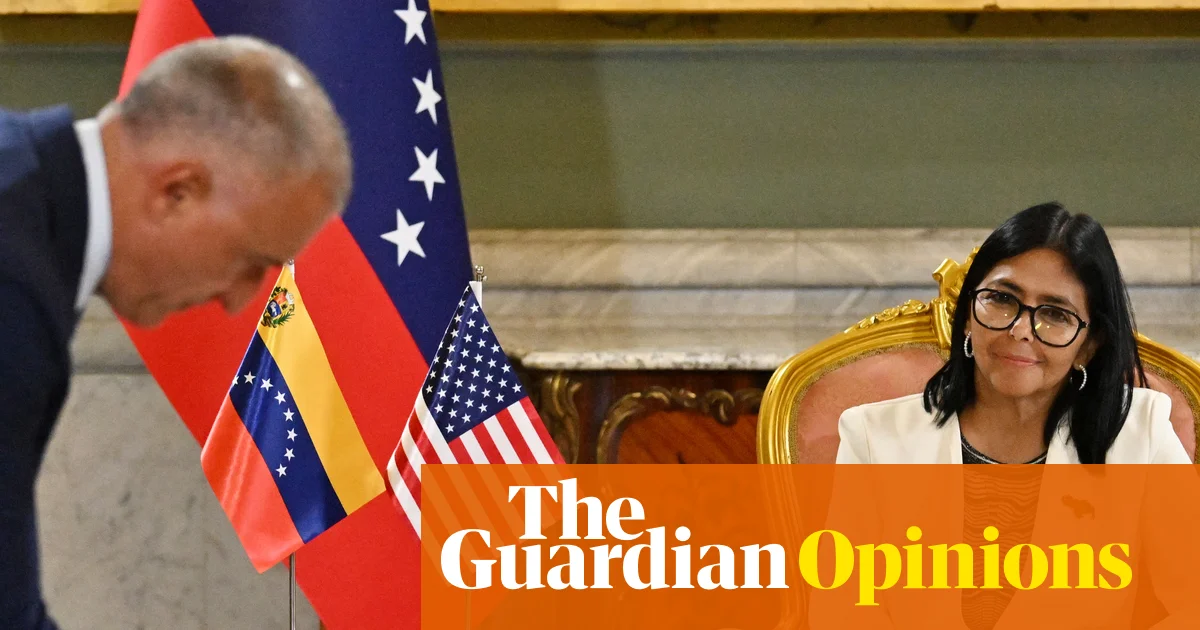
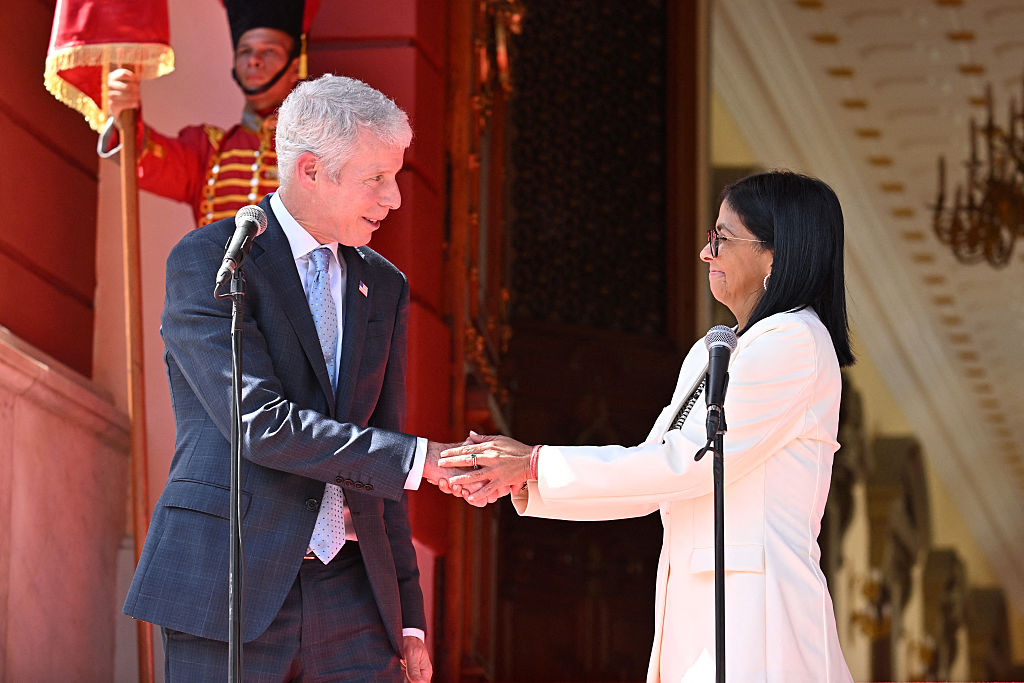
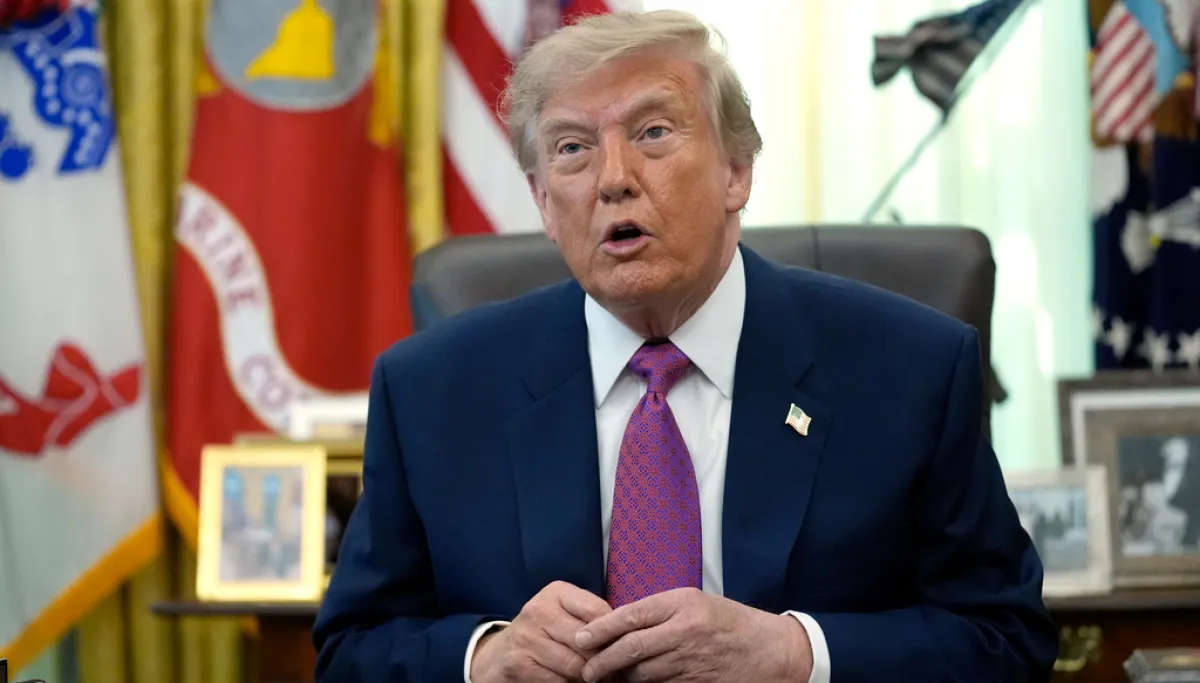
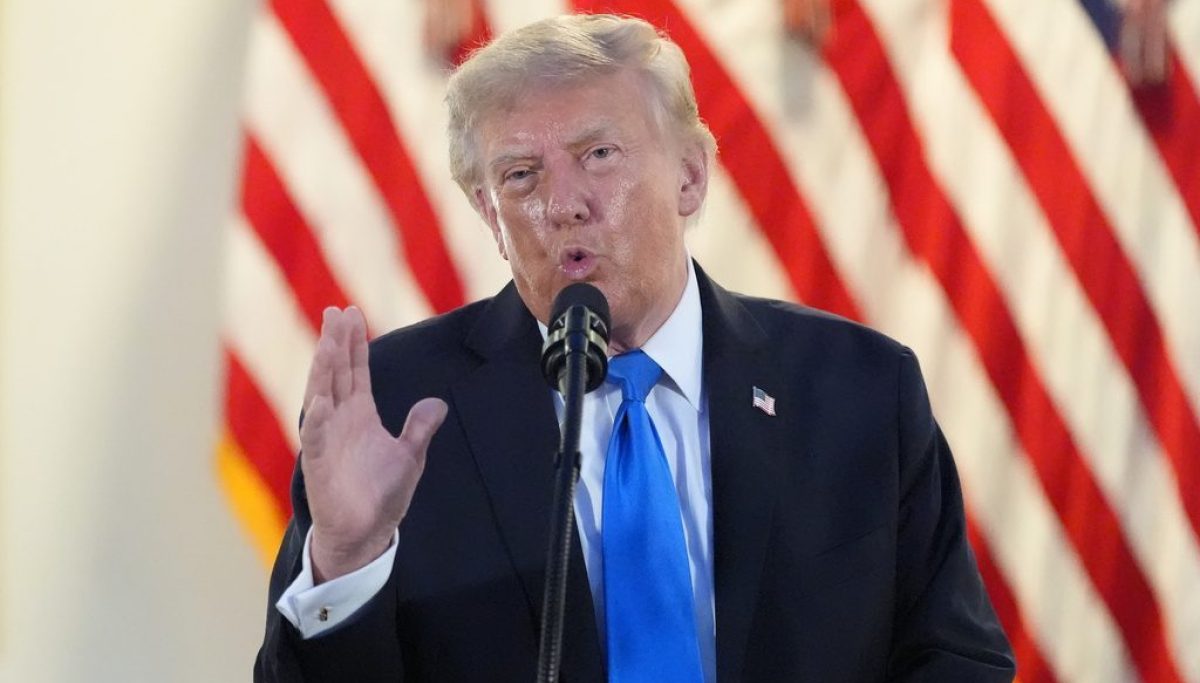
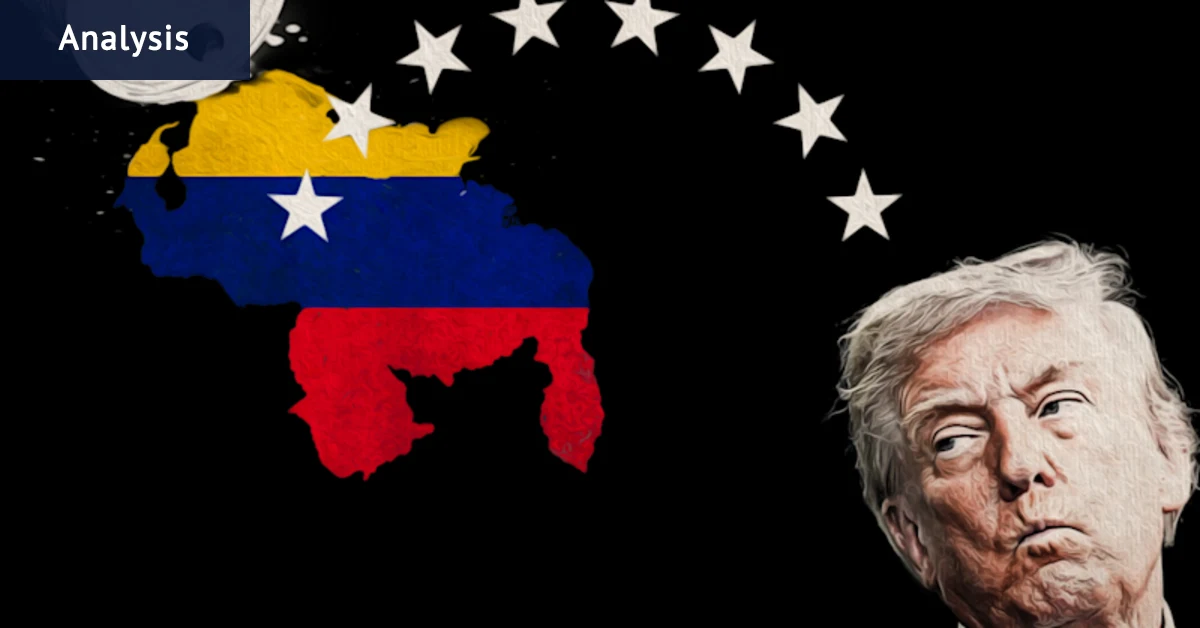
Eight months ago, when Donald Trump had Mr Maduro snatched by special forces and dumped in a Brooklyn jail, Venezuelans cheered. Now Mr Trump has made a deal with the ex-despot’s deputy, Delcy Rodríguez, that both sides say will revive Venezuela’s oil industry. Mr Trump called it the „BIGGEST OIL DEAL IN WORLD HISTORY”. He crowed that it would give America „energy dominance” (after his war of choice in Iran interrupted global supplies). The deal is certainly bold. It is also ugly.
De redactie van NRC selecteert de beste artikelen uit The Economist voor een breder perspectief op internationale politiek en economie.
The regime has given North American Blue Energy Partners (NABEP), a private oil firm that was already the second-largest operating in Venezuela, the concessions to 17 oilfields containing some 65bn barrels. America, via the Pentagon, has been given, in exchange for its backing, a 35% stake in nabep and rights to its output. For the next century this guarantees America the right of first refusal to buy from oilfields which hold a fifth of Venezuelan oil reserves, with some of those purchases at a discount (see Americas section).