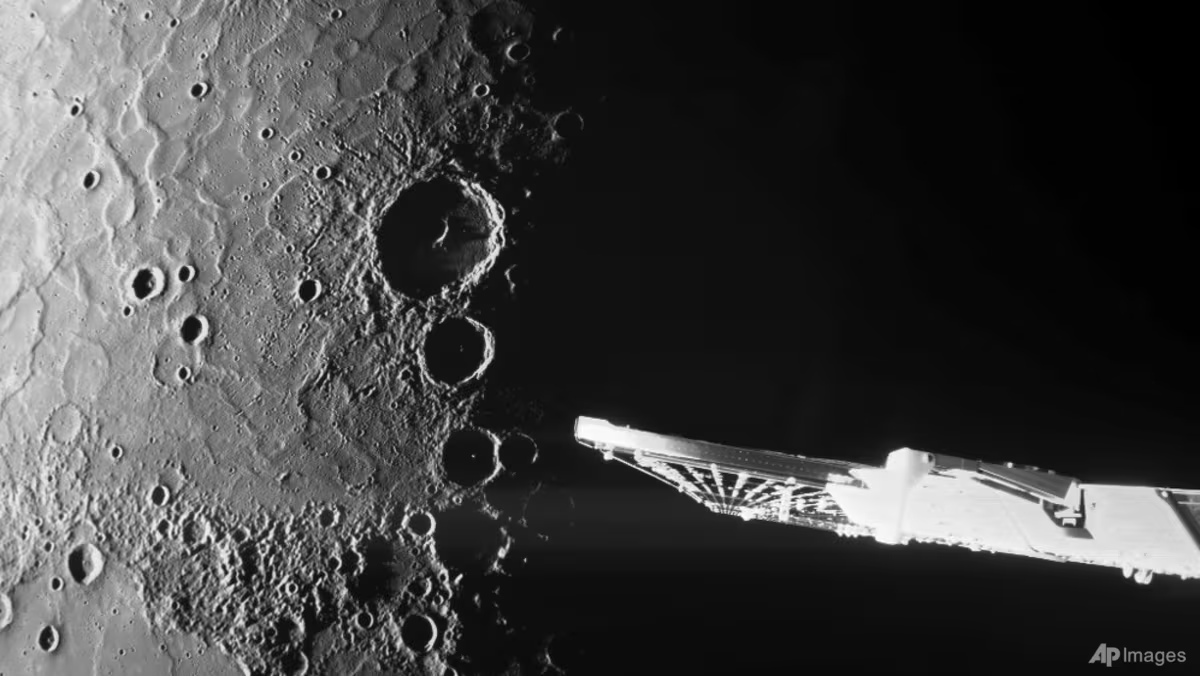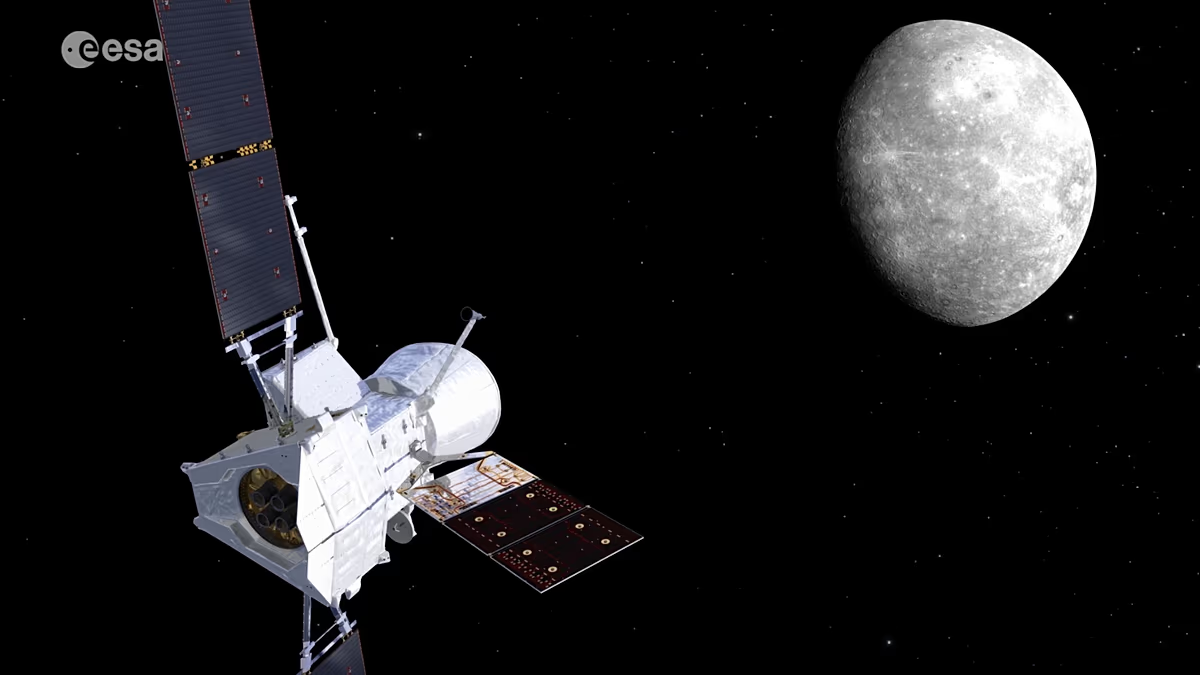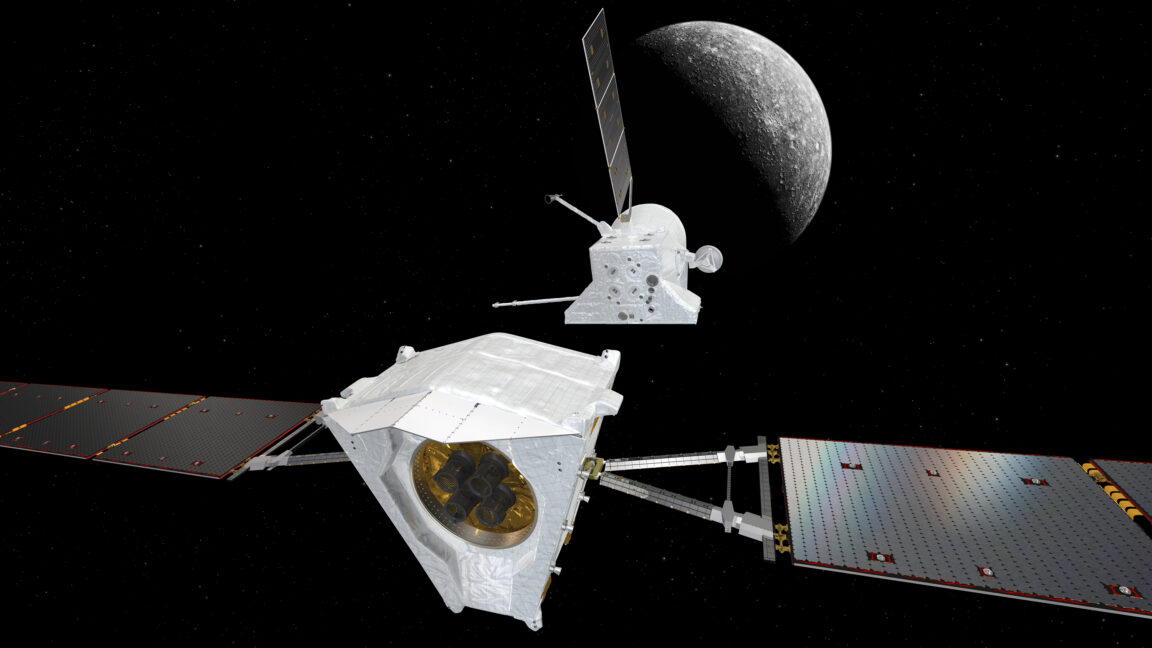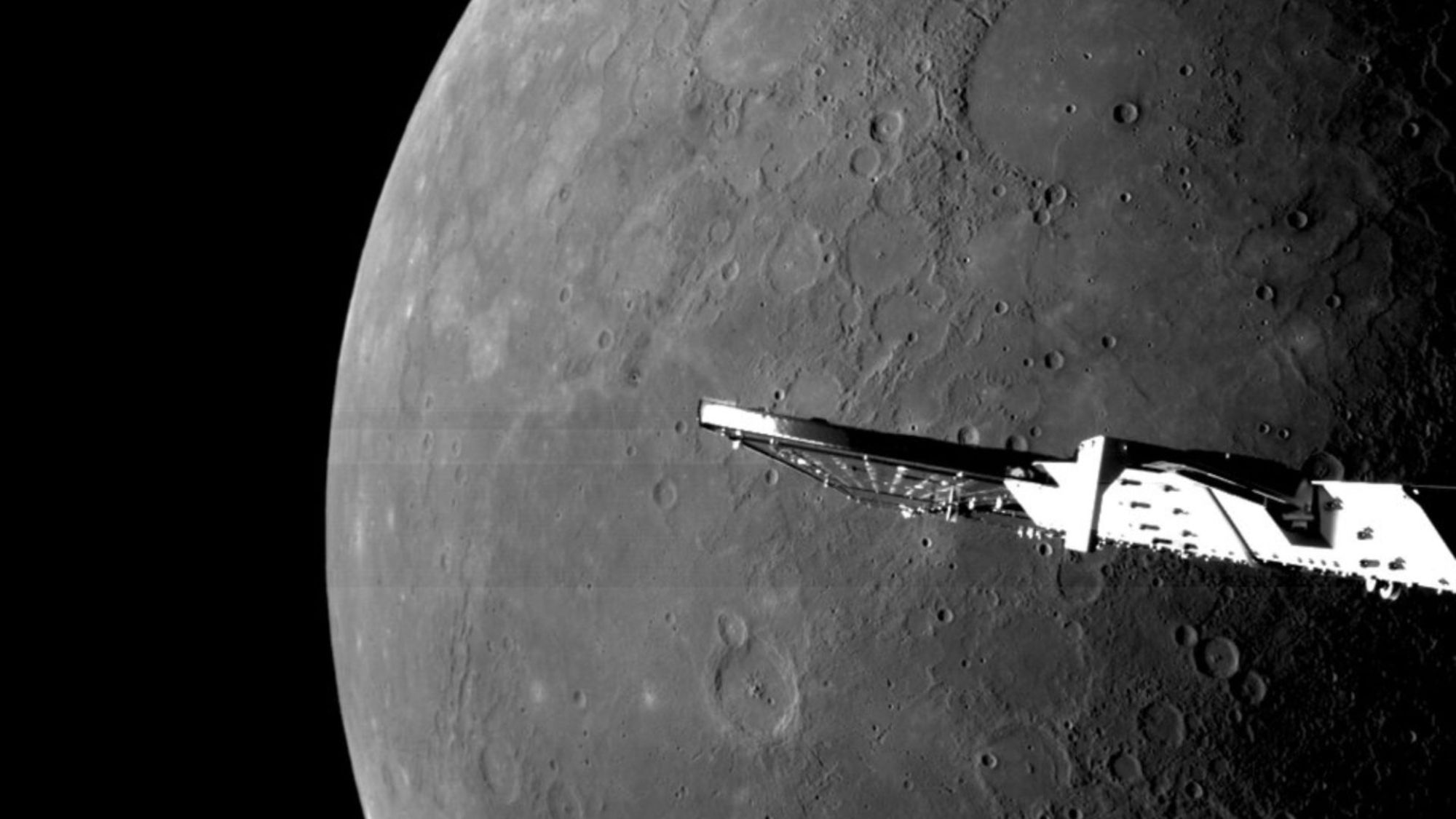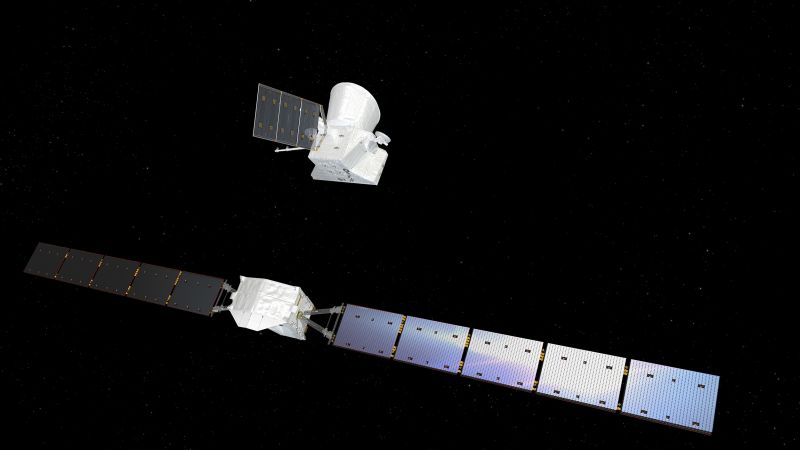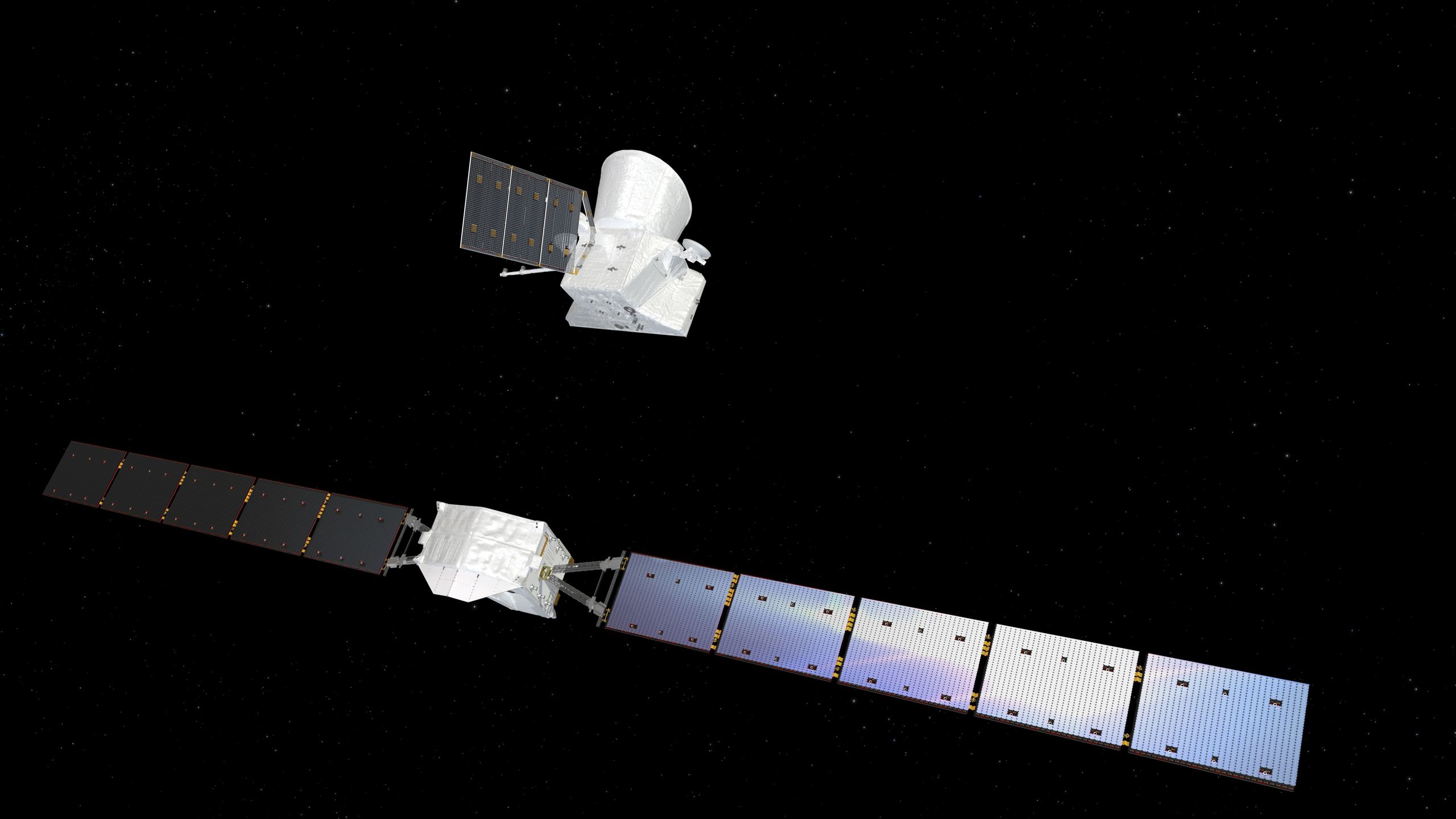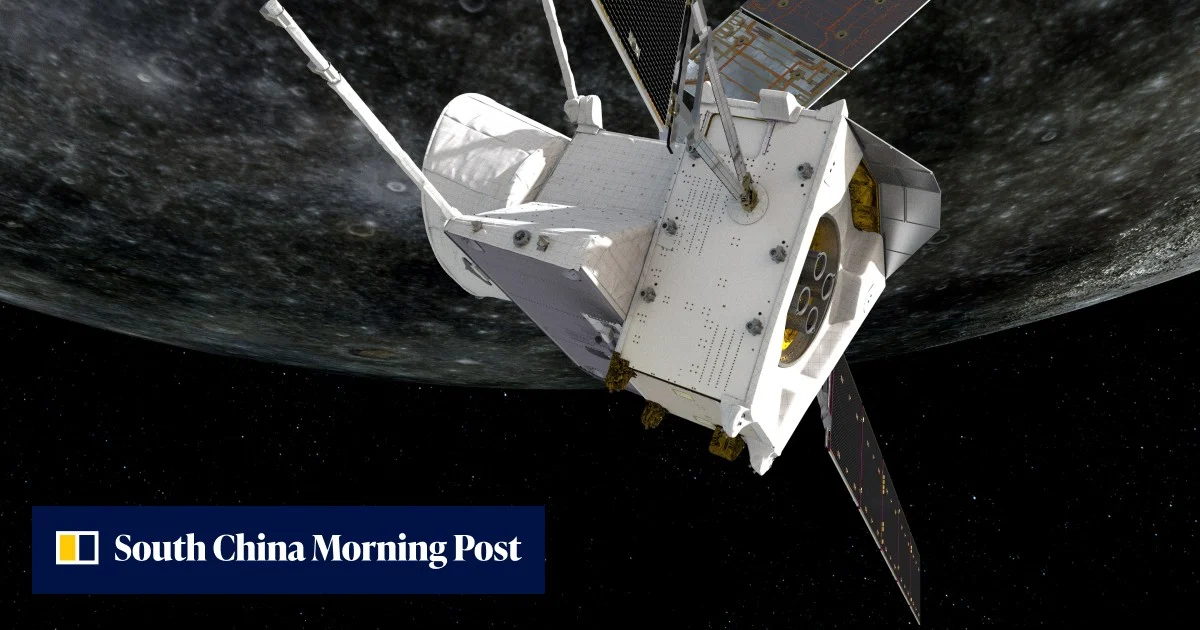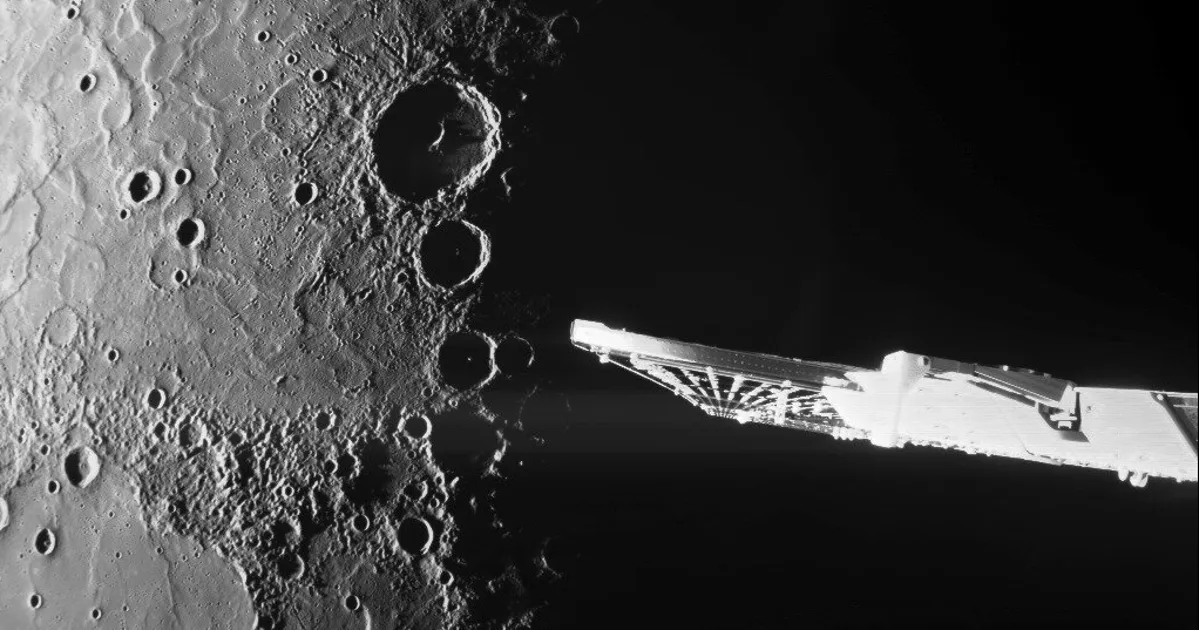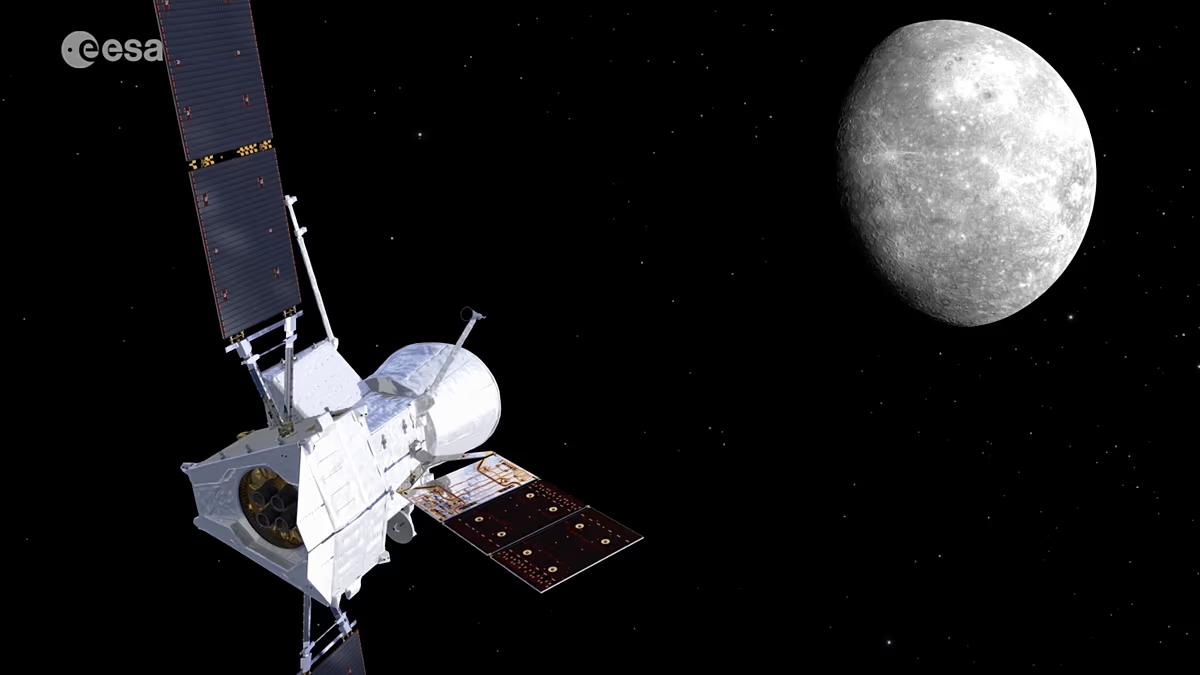
Eight years after it left Earth, BepiColombo is now tantalisingly close to entering orbit around Mercury, a hot and dense ball of metals and silicates with its own magnetic field, considered one of the most difficult planets to observe because the gravitational pull and wild radiation from the Sun are so intense.
"Mercury is a challenging destination. It's very difficult to reach, it's very difficult to operate there," said Santa Martinez, ESA mission manager.
"The main two aspects are really the extreme temperatures that go from -180 to 450°C, and also the solar radiation, which can be up to ten times what we have on Earth."
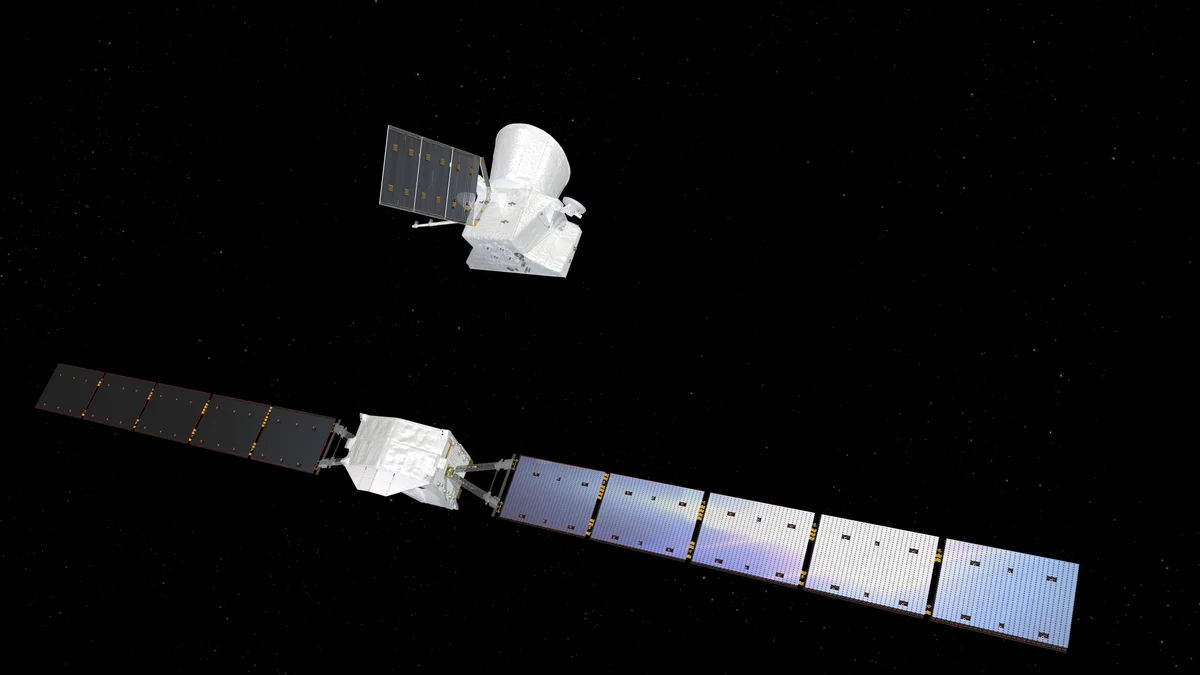
Spaceflight engineers at ESA's ESOC control centre in Darmstadt, Germany say they are ready and prepared for all kinds of incidents and accidents on 3 September, when the spacecraft splits apart and instruments that have been shielded inside are suddenly exposed to an ultra-harsh environment.
Likening the whole spaceflight experience to "operating with a very hot pizza oven running right on your back," ESA Flight Director Ignacio Tanco told Euronews, comparing it to "working on a knife edge".