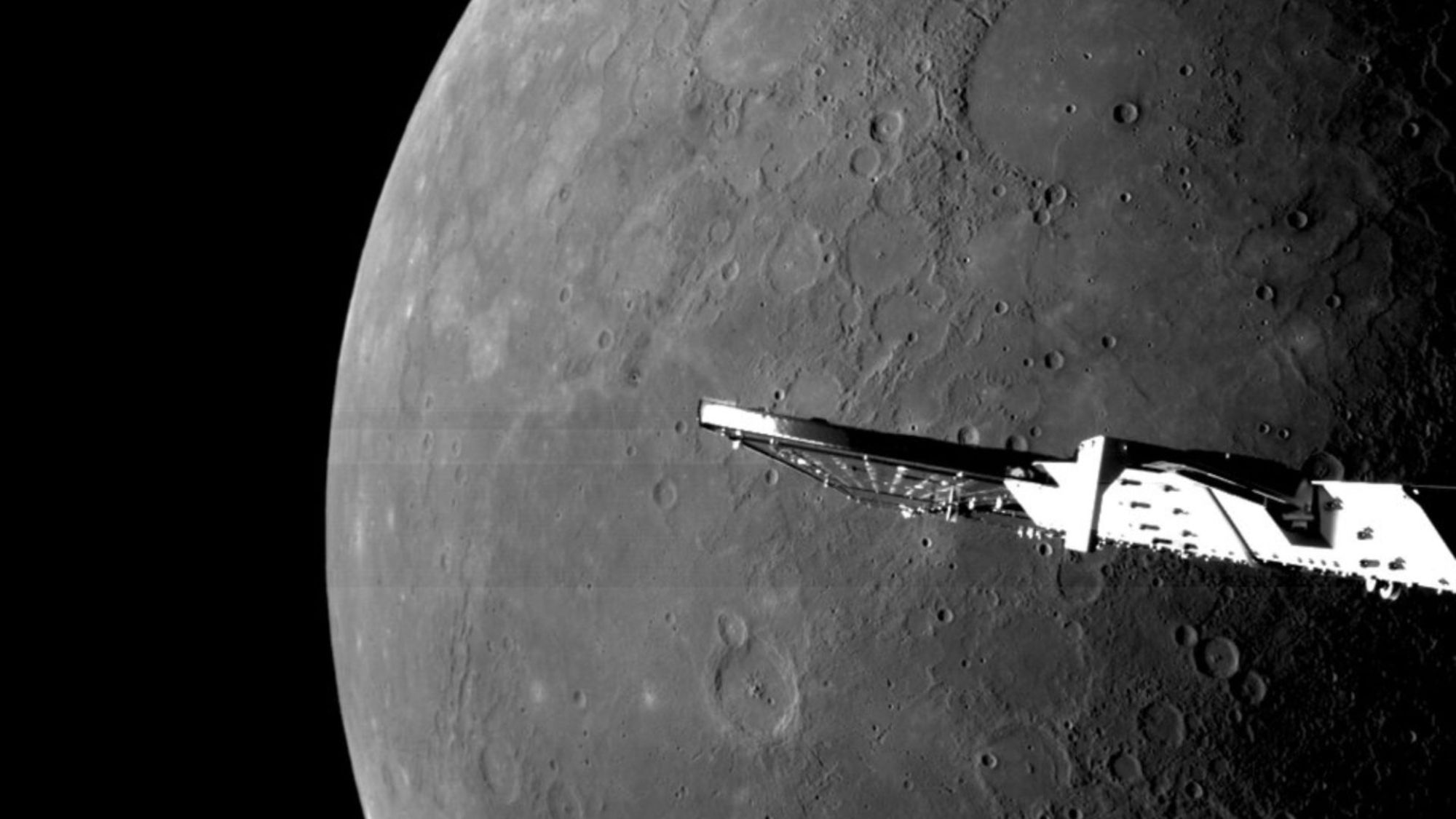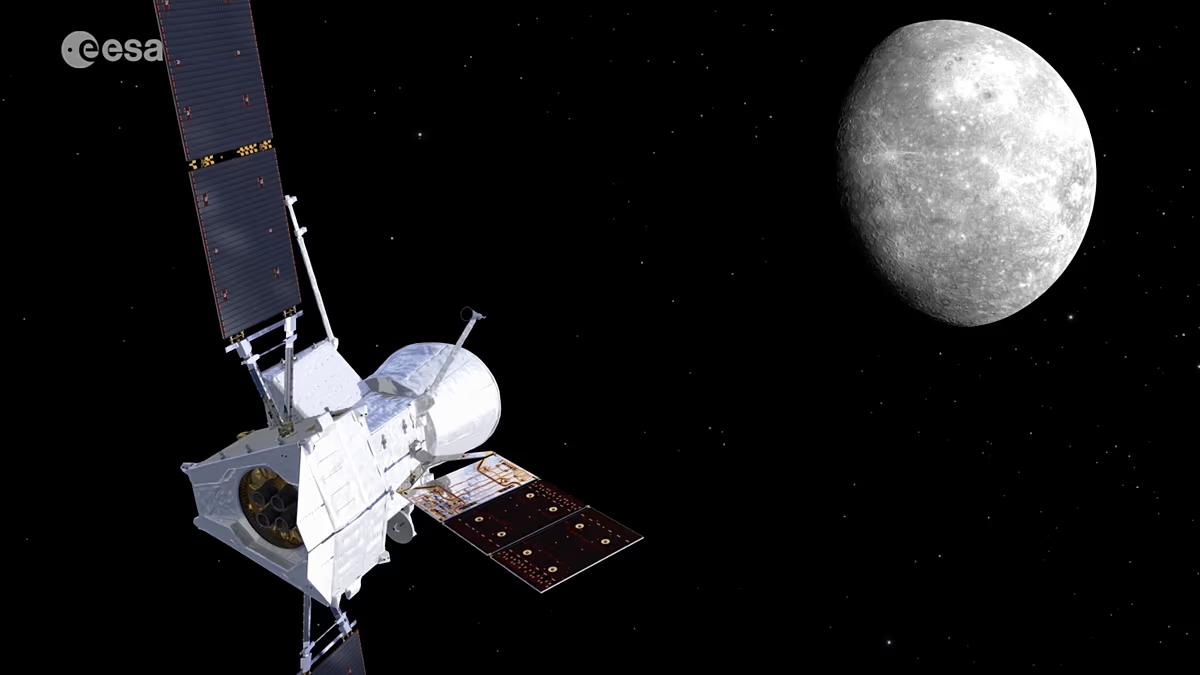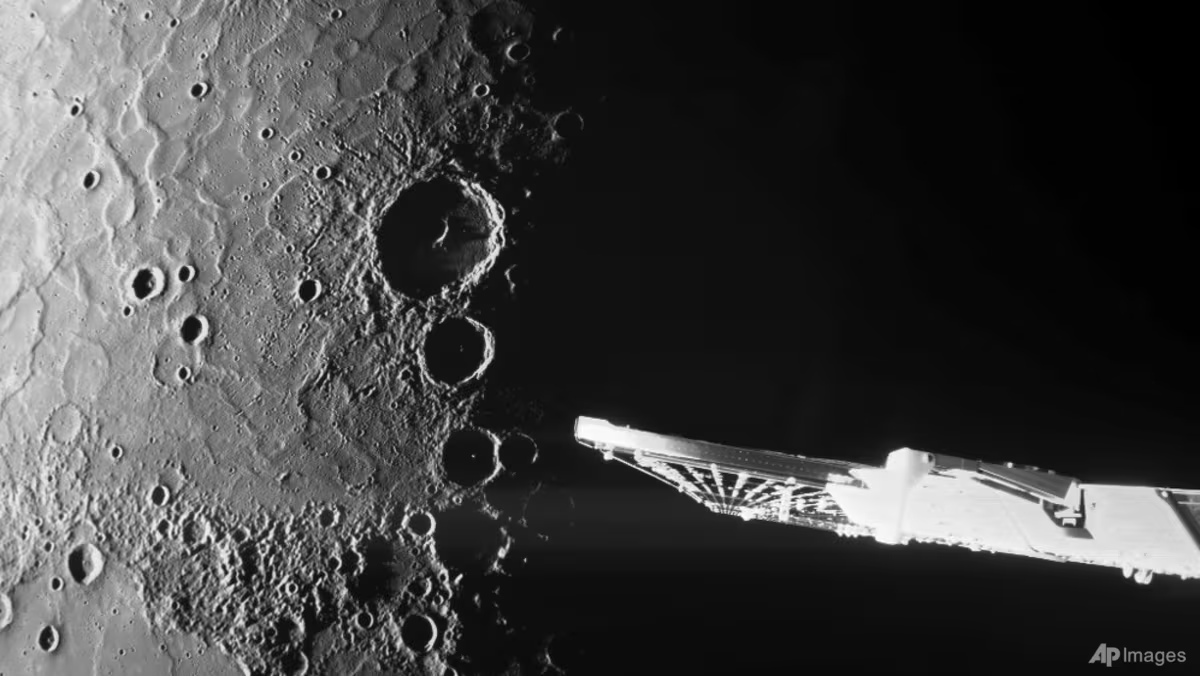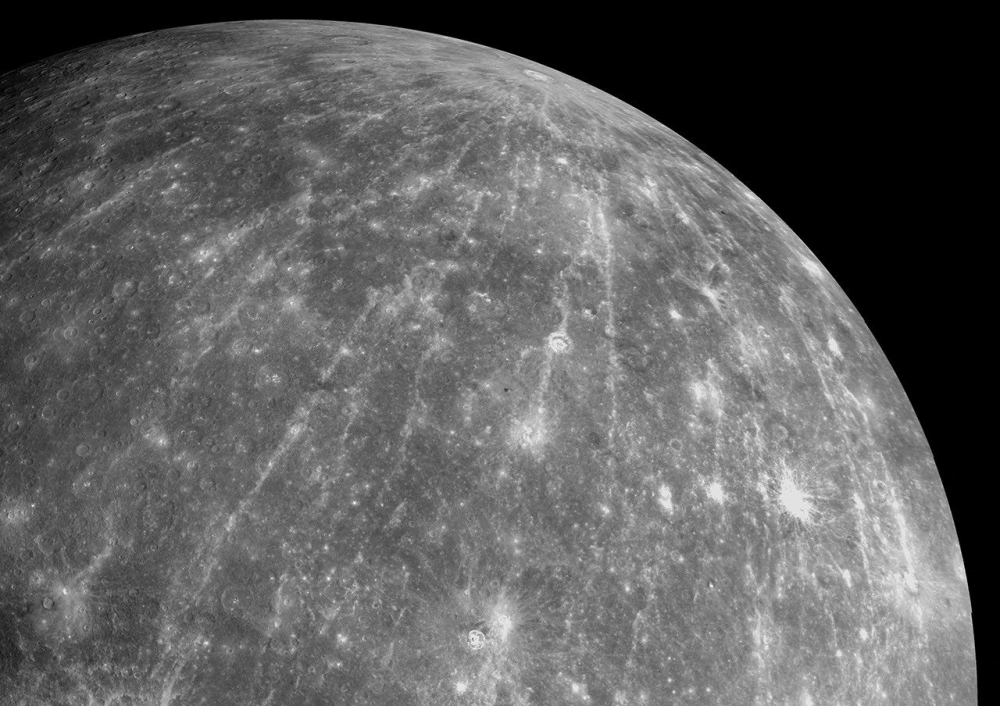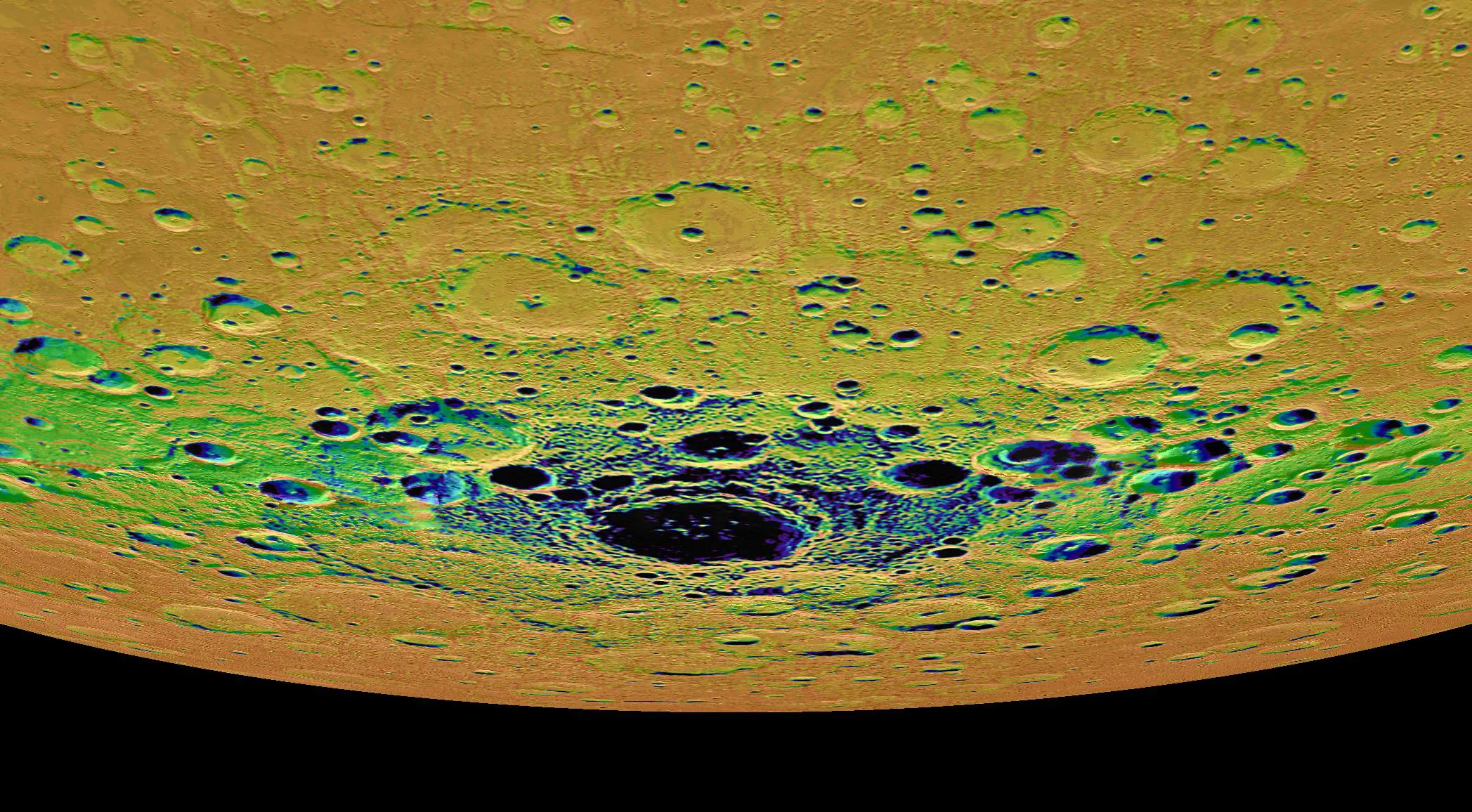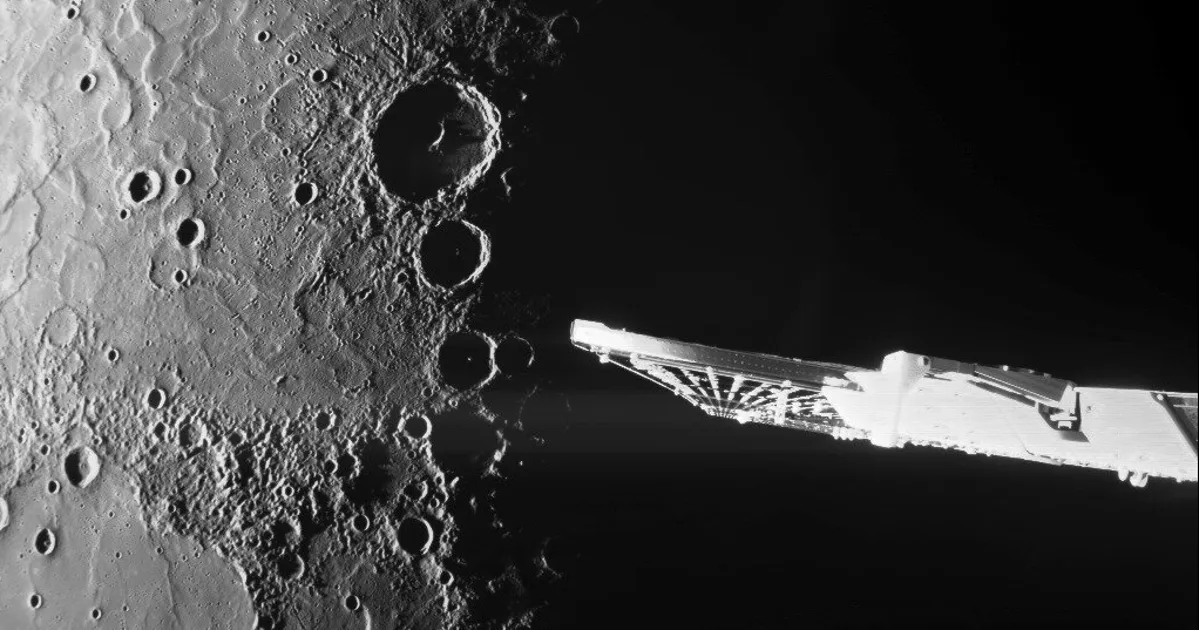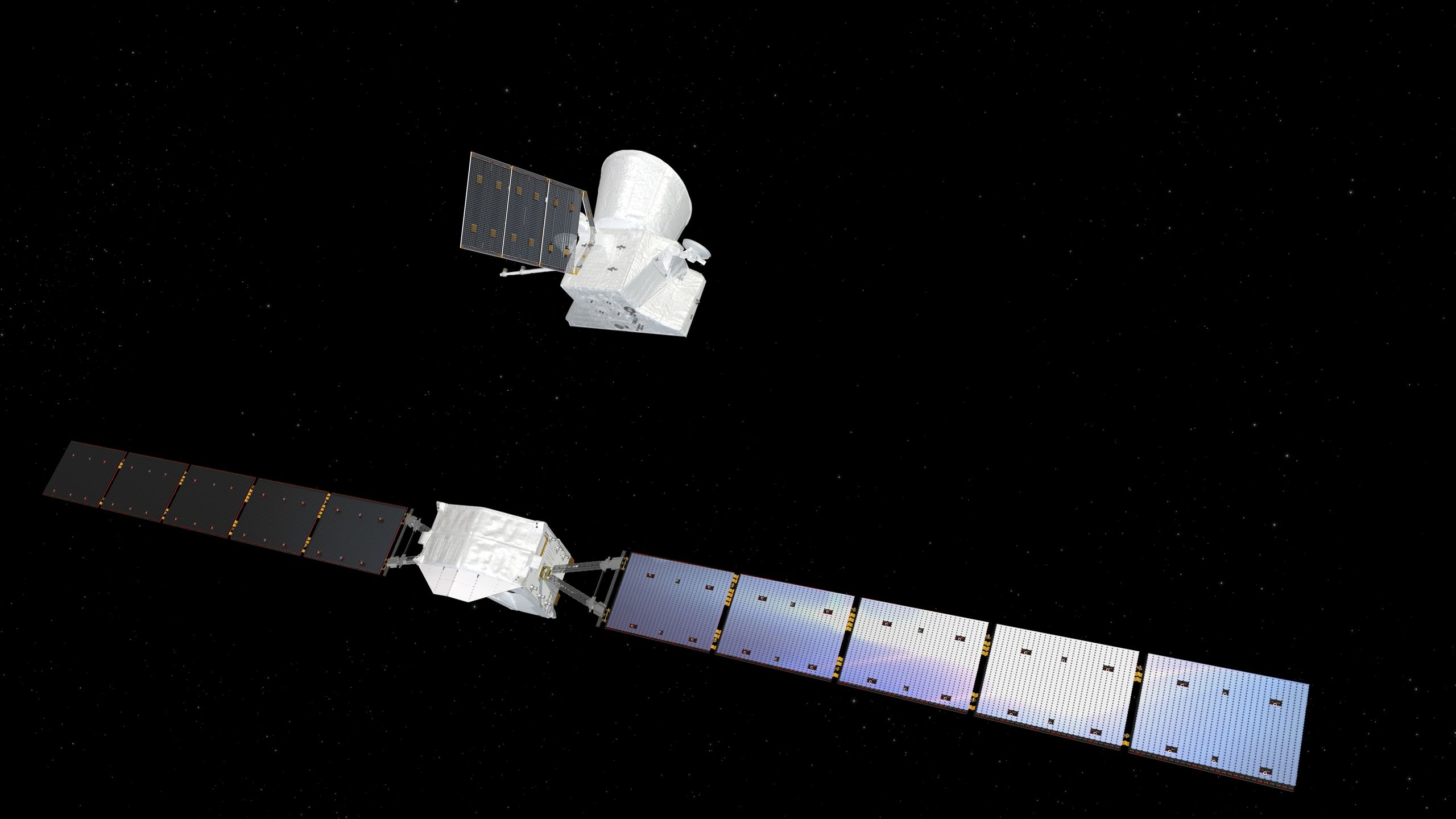
An ambitious mission to reveal the secrets of the least explored planet in the inner solar system is taking the initial big step in arrival at its cosmic destination after a lengthy journey.
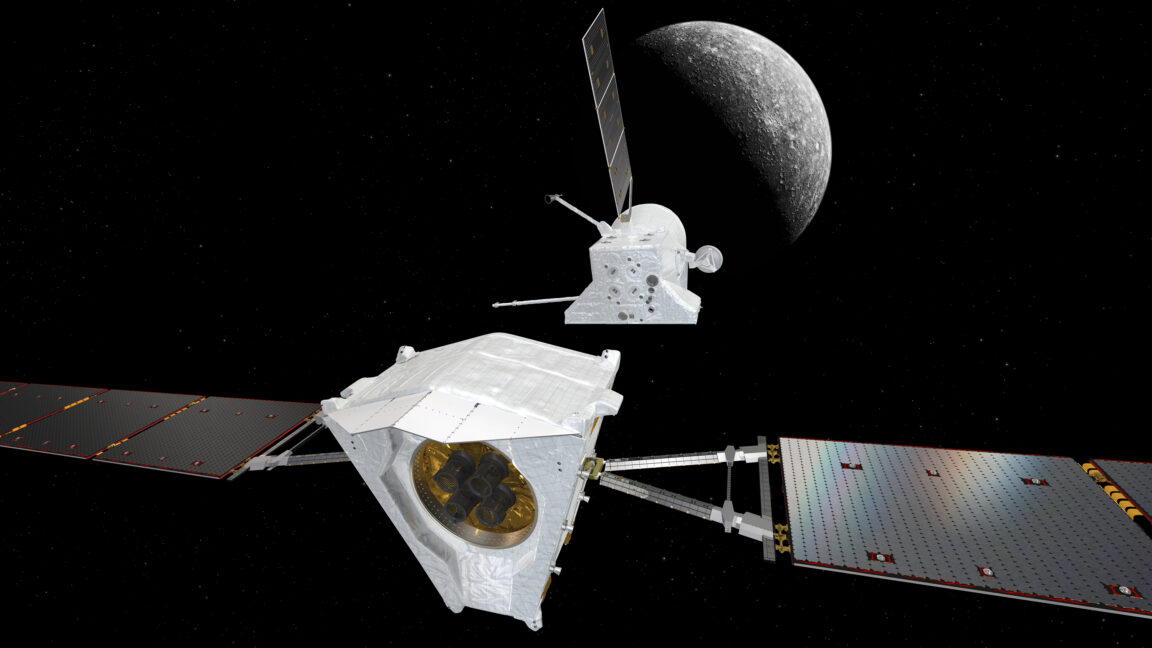
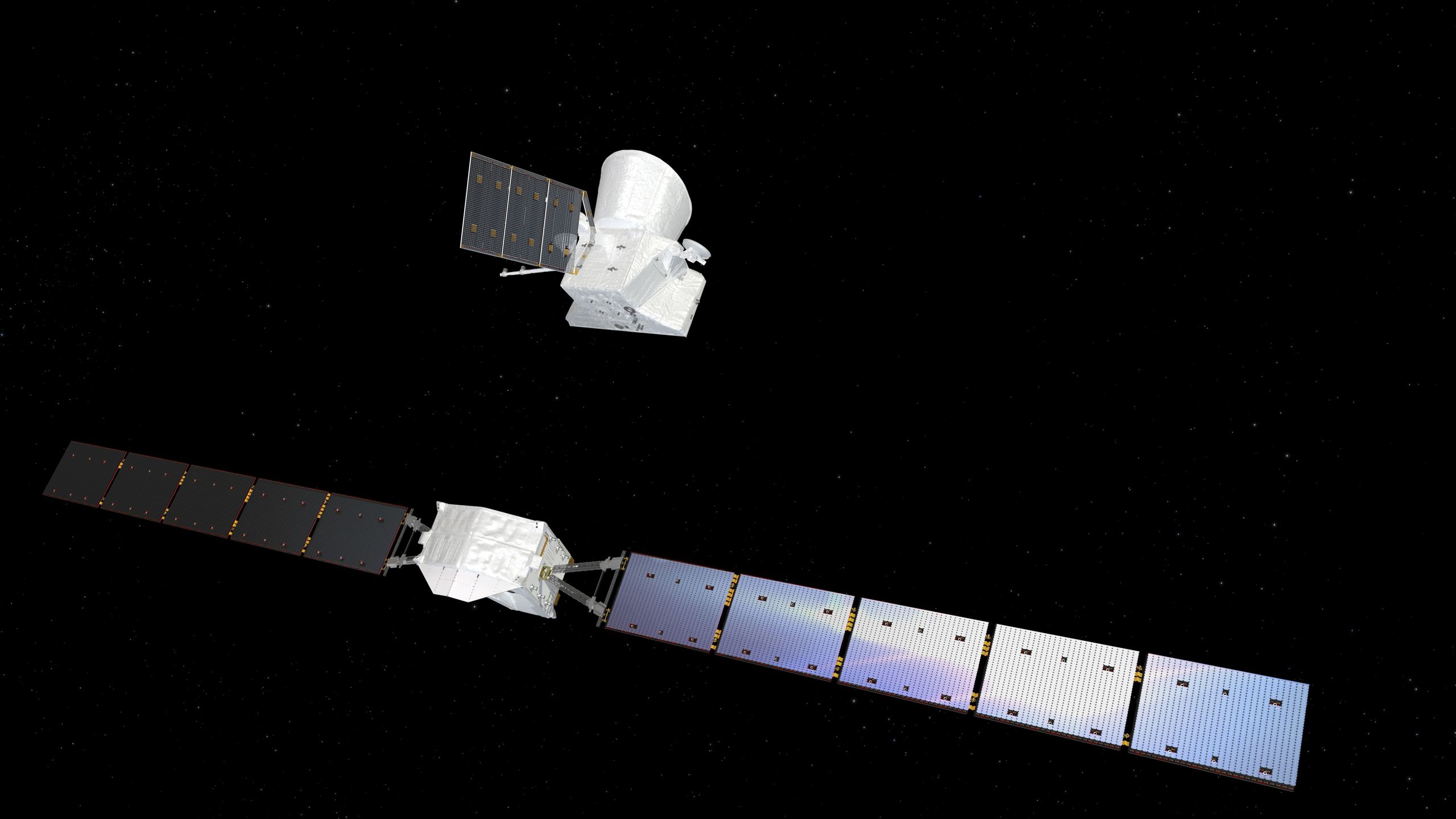
The BepiColombo mission, a joint effort between the European Space Agency and the Japan Aerospace Exploration Agency, intends to use two complementary orbiters to reveal insights into how Mercury formed and evolved so close to the sun.
The mission launched on an Ariane 5 rocket from Europe’s Spaceport near Kourou, French Guiana, in October 2018. Since then, it has traveled more than 6 billion miles (10 billion kilometers).
BepiColombo is named for Italian engineer and mathematician Giuseppe “Bepi” Colombo, who studied Mercury’s peculiar rotation and proposed trajectories that enabled NASA’s first flybys of the planet in 1974.
Earth is about 10 times closer to Mercury than it is to Jupiter, but BepiColombo has taken longer to reach the tiny planet than previous missions such as Galileo and Juno heading to the largest planet in our outer solar system.