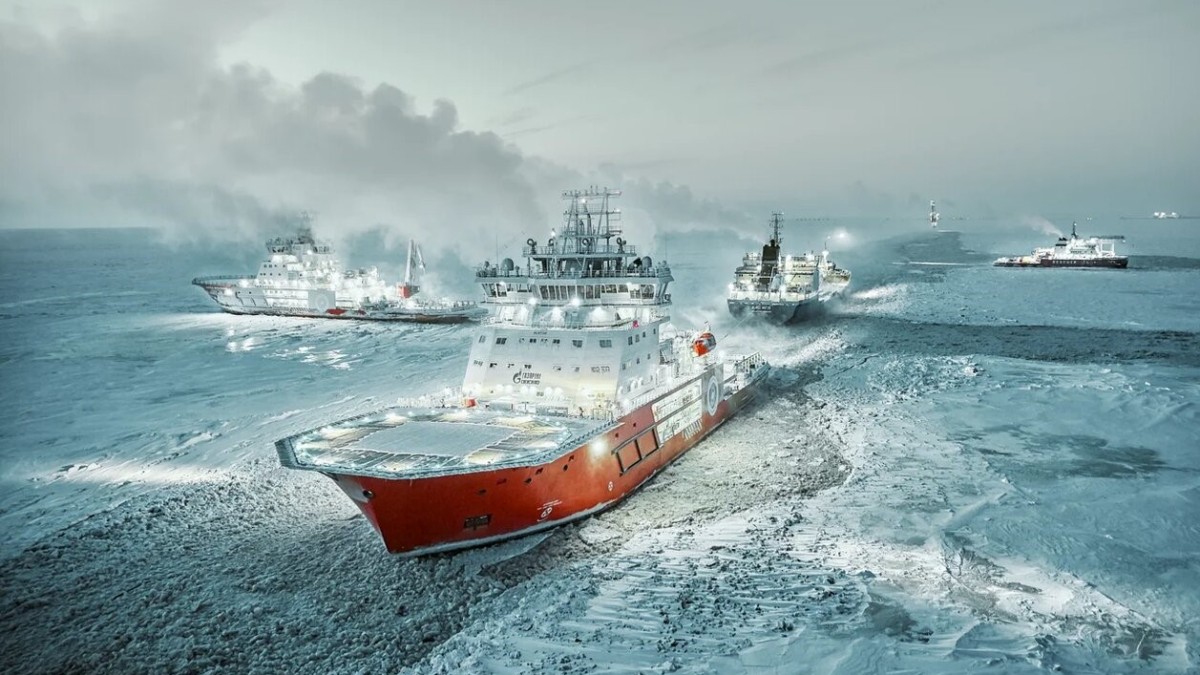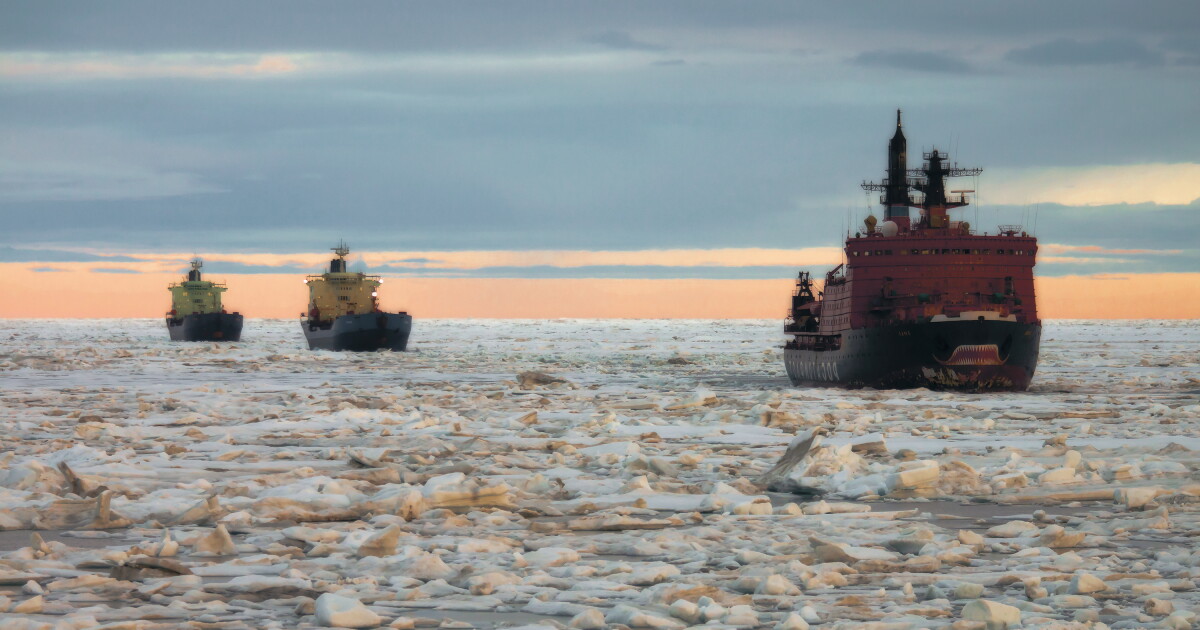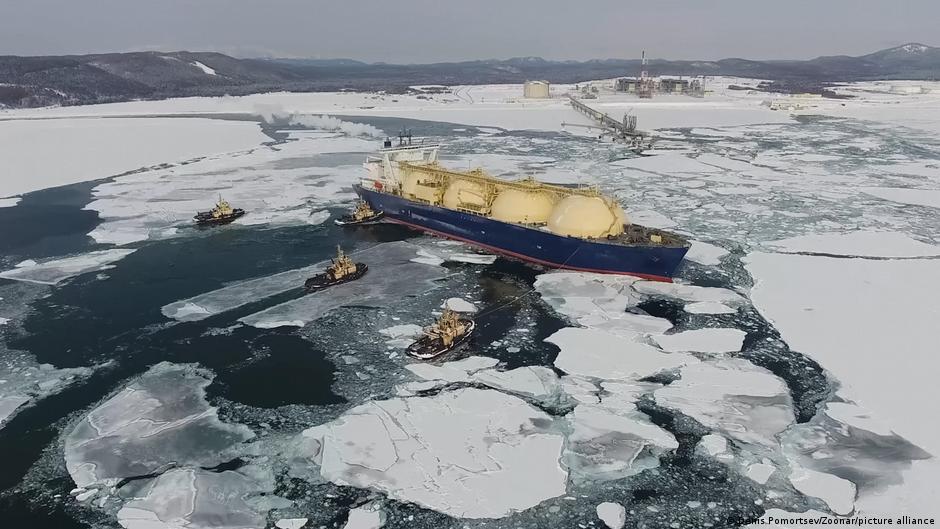
The traditional perception of the Northern Sea Route, or NSR, as a route of interest exclusively to Russia and China is becoming outdated. Today, the NSR is primarily an export channel for hydrocarbons, but qualitative changes are evident: increased containerisation, the launch of pilot international services, and the expansion of partner countries indicate the beginning of a new era.
The Arctic logistics potential is becoming a bargaining chip for a wide range of countries in the Asia-Pacific region and the Middle East.Expanding the geography of partnership
The NSR is becoming a focal point for countries seeking independence from traditional Western logistics chains. This interest is driven not only by logistical sovereignty and security, but also by the pure economics of the route. The distance between Shanghai and Rotterdam via the NSR is 8,000-8,500 nautical miles, compared to approximately 10,500 nautical miles via the Suez Canal. It would shave off 10-15 days of travel, and in some cases, up to three weeks. Moreover, this significantly reduces fuel consumption, which is in line with international sustainable development initiatives such as low-carbon logistics.
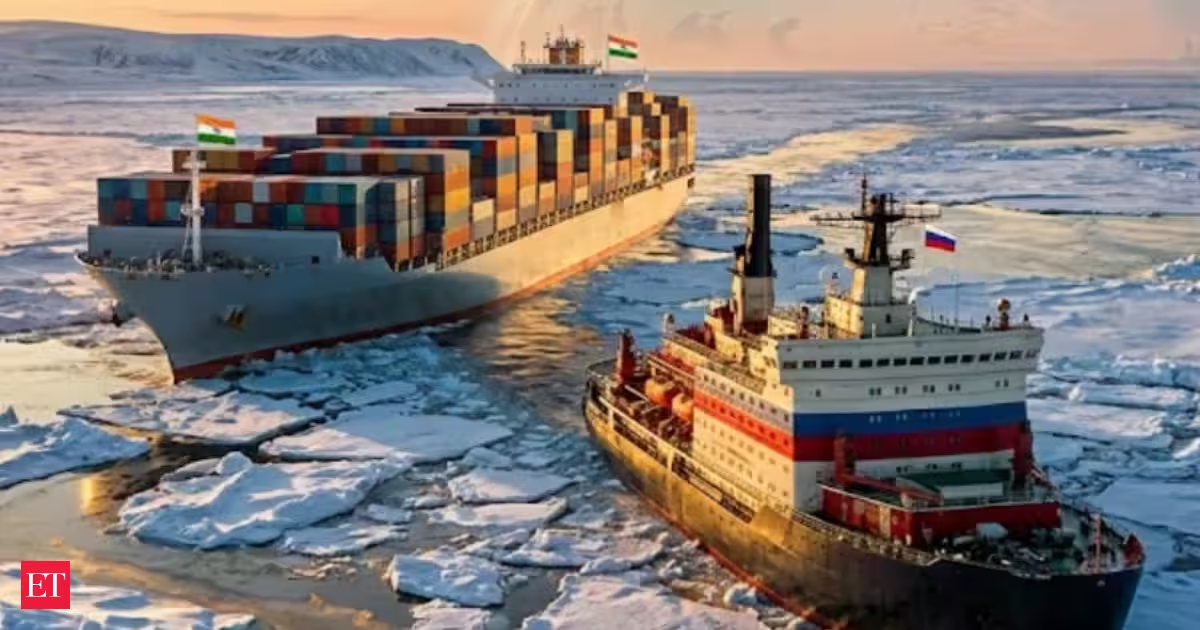
The key advantages of the NSR—shorter routes, predictability, and environmental friendliness—are inevitably expanding the list of countries interested in this route.India may view it as a strategic imperative, not simply as a logistical alternative, linking the NSR with the expansion of the Chennai-Vladivostok maritime corridor to diversify and ensure stable energy supplies. The further deepening of the partnership along the evolving Trans-Arctic Transport Corridor (TATK) demonstrates New Delhi’s principled stand, as it occurs amid the risk of secondary sanctions from Western countries. India’s willingness to take on the geopolitical complexities associated with the NSR highlights its recognition of the route’s potential in achieving energy security and logistical sovereignty for the country. It’s not simply a commercially lucrative project, but a strategically vital one with significant international implications.The United Arab Emirates (UAE), represented by logistics giant DP World, continues its systematic integration into the TATK, developing a previously established joint venture with Rosatom for transit container shipping. The UAE’s strategic interest lies in using the NSR to elevate the status of its key ports, including zones such as the KEZAD Group, to central transhipment hubs. Integrating the NSR into DP World’s global network will allow significant cargo flows to be redirected from the emerging economies to Europe via the secure northern route, thereby enhancing the logistical sovereignty and competitiveness of the Emirates’ infrastructure in global trade.Singapore is demonstrating a willingness to move from observation to technological partnership, declaring its willingness to participate in the construction of coastal infrastructure, dams, and even icebreakers. This is an important signal: high-tech Asian economies see the Arctic as a market for exporting their engineering expertise.Involvement in BRICS and the SCO, and the desire to exploit this window of opportunity to secure logistics and investment niches, are fueling interest in the Arctic among Turkey, Saudi Arabia, and several other Gulf and Middle Eastern states.