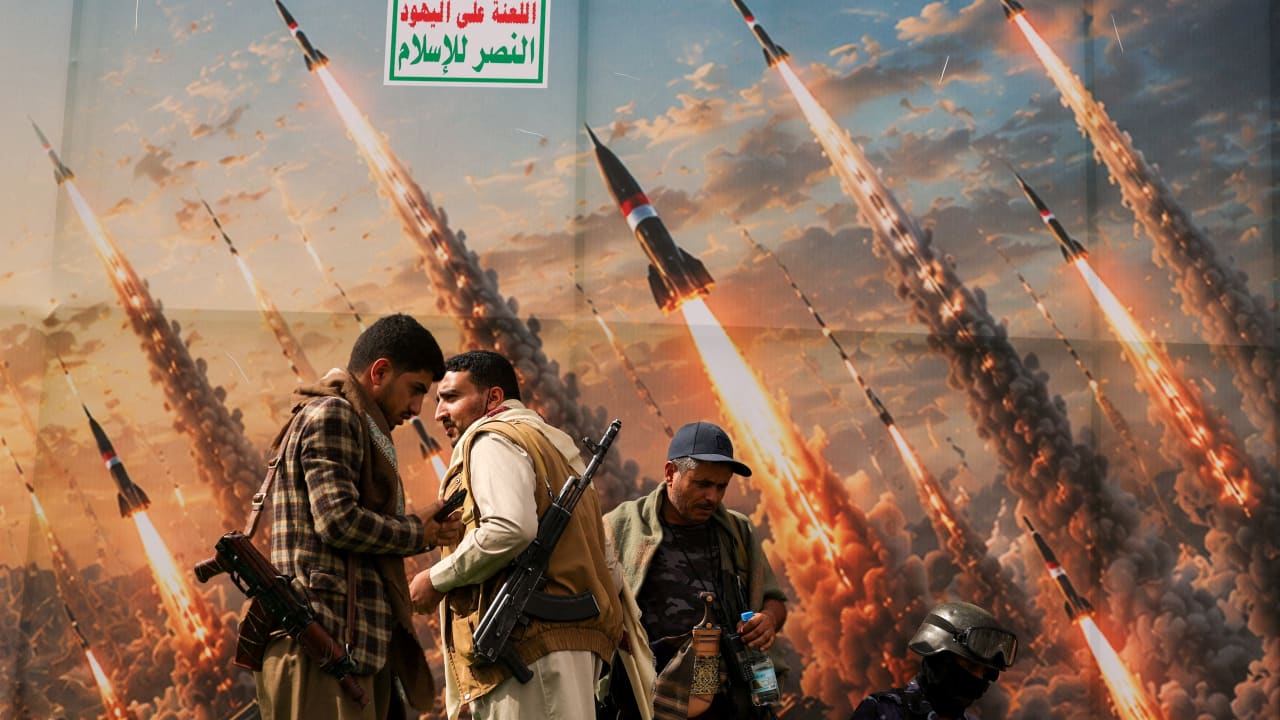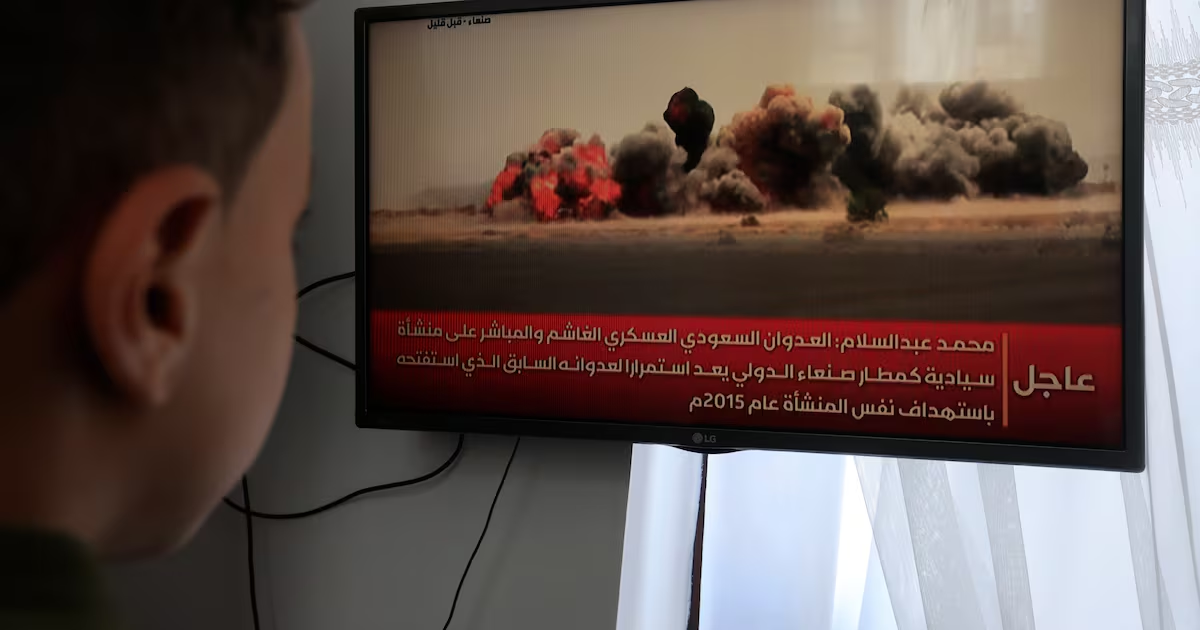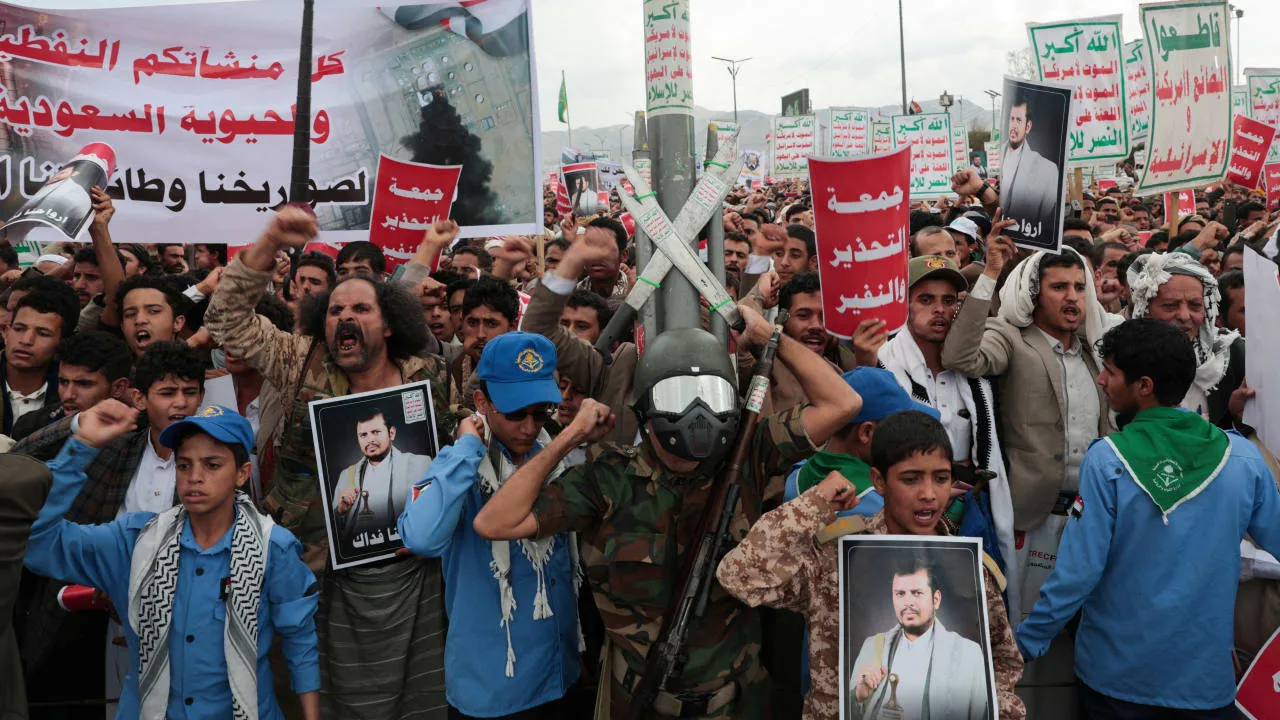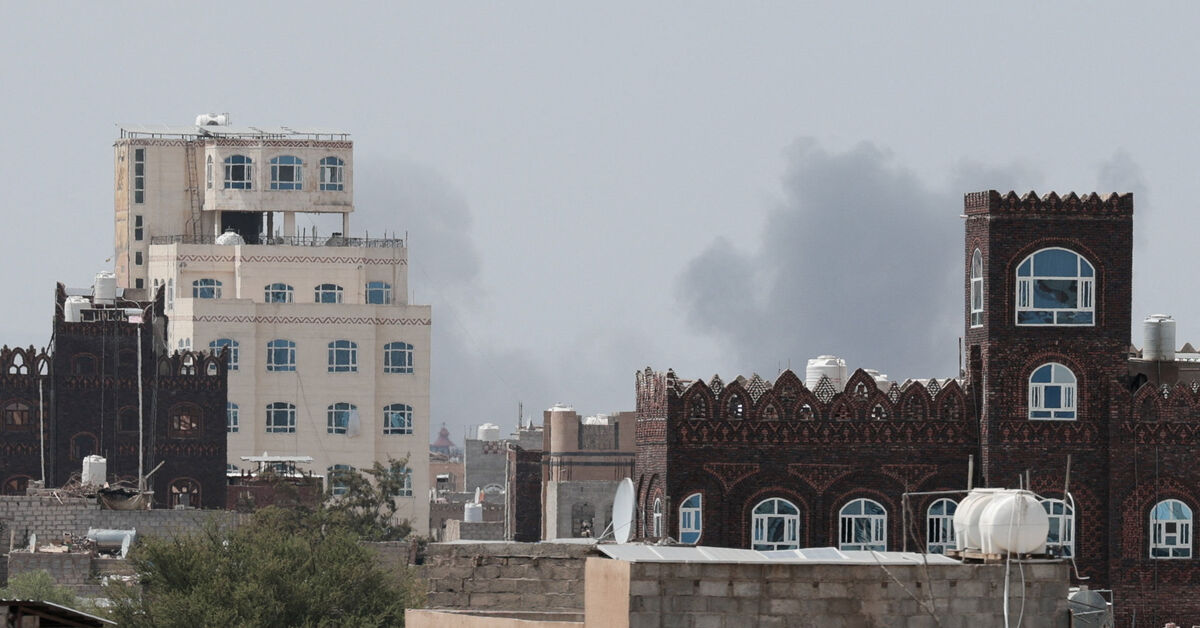
Houthi spokesman Yahya Sarea delivers a televised statement in Sanaa on Tuesday after the rebels claimed responsibility for attacks on several Saudi cities. EPAShow caption: Houthi spokesman Yahya Sarea delivers a televised statement …Insight and opinion from The National’s editorial leadershipSeptember 09, 2026The latest attacks by Yemen’s Iran-backed Houthi rebels on Saudi Arabia that wounded dozens of civilians and disrupted energy operations in the country’s south are undoubtedly a serious escalation. Yemen is once again becoming a pressure point at a juncture when the Middle East can least afford another open-ended conflict.This is a moment that those who follow developments in Yemen have been cautioning against. Last month, Hans Grundberg, the UN’s Yemen envoy, warned that the country faced its greatest risk of returning to large-scale fighting since a truce was struck in 2022. The UN has also warned that renewed rebel attacks on commercial shipping in the Red Sea risks drawing an impoverished and divided nation further into the wider regional confrontation.Play00:53Houthis 'more dangerous than a pure Iranian proxy'Guided by dogma rather than any real desire to see Yemenis prosper, the Houthis may be calculating that the present conflict in the Middle East offers a chance to exert leverage over neighbouring countries and the international economy. The danger is that they are mistaking a moment of regional turbulence for a licence to escalate.This is a dangerous gamble. Saudi Arabia may decide that it will not simply absorb repeated attacks on its territory. Rekindling the conflict that followed the Houthis’ seizure of Sanaa in 2014 is the threat now facing Yemen. Sadly, it is a threat that is no longer confined to the country’s borders.Houthi militants have spent years building networks across the Red Sea and in the Horn of Africa. Recent reports have pointed to links with Somalia’s terrorist group Al Shabab, including alleged co-operation involving weapons and technical expertise. Houthi networks have also expanded into Sudan and other parts of the region. A conflagration that ignites in Yemen but spreads across these networks would cause great destruction and suffering.QuoteThe rebels are guided by dogma rather than any real desire to see Yemenis prosperWhat happens next will depend heavily on Saudi restraint in the face of repeated attacks from Yemeni territory. However, the central lesson of the past decade should be clear – a truce is not equivalent to peace.Since 2022, Yemen has experienced a period of relative calm that offers some kind of relief to its long-suffering people but has not served to resolve the political questions at the heart of the conflict. If that space is allowed to disappear, an emboldened Houthi organisation will hold Yemen and its people hostage to their doctrinaire regional calculations.The lesson of these latest Houthi attacks and threats to block Bab Al Mandeb is that a long-term solution in Yemen is urgently needed. An internationally recognised government, working for what is best for the Yemeni people and which ensures the country is a stable neighbour, must be reinstated.Updated: September 09, 2026, 3:08 AM
Houthi attacks leave Yemen's people a hostage to fortune | The National
Iran-backed rebels are mistaking a moment of regional turbulence for a licence to escalate
501 words~2 min read